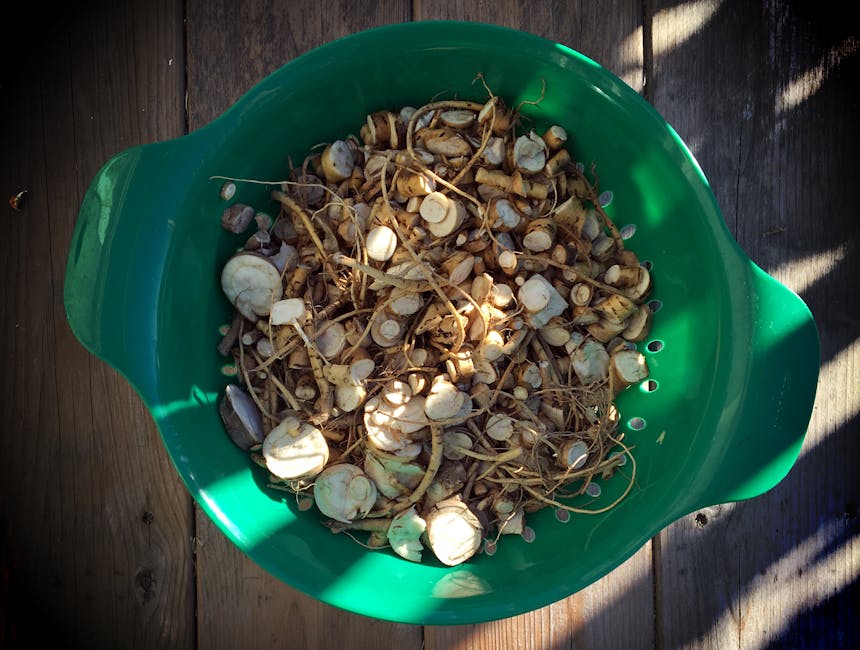
1. Introduction to Herbal Infusions for Digestive Health

Herbal infusions have been cherished across cultures for centuries due to their potential health benefits, particularly in promoting digestive wellness. From ancient Egyptian herbal concoctions to traditional Chinese medicine, these natural remedies have played a pivotal role in supporting digestive health throughout history. In contemporary times, the interest in herbal infusions continues to grow, driven by a desire for natural and holistic approaches to wellbeing.
1.1 Historical Perspectives on Herbal Infusions
The use of herbs for medicinal purposes dates back to ancient civilizations. Historical records suggest that herbal infusions were commonly used to soothe digestive discomforts, enhance digestion, and support overall gastrointestinal health. Cultures around the world developed unique blends of herbs, each with purported benefits for the digestive system. For instance, peppermint and ginger have been traditionally used in many cultures to alleviate symptoms such as nausea and bloating.
1.2 Modern-Day Relevance of Herbal Infusions
In today's fast-paced world, digestive issues are prevalent, leading many individuals to seek natural solutions. Herbal infusions are believed to offer a gentle and supportive approach to digestive health, complementing modern dietary habits. Research suggests that certain herbs may aid in digestion, reduce gastrointestinal discomfort, and promote a balanced gut environment. The resurgence of interest in herbal infusions highlights the desire for complementary therapies that align with holistic lifestyle choices.
1.3 Potential Benefits of Herbal Infusions
Herbal infusions are often praised for their potential to support various aspects of digestive health. Some of the reported benefits include:
- Soothing Digestive Discomfort: Herbs like chamomile and fennel are believed to have calming properties that may help reduce symptoms of indigestion and bloating.
- Supporting Gut Health: Certain herbal infusions may promote a healthy gut microbiome, which is essential for proper nutrient absorption and overall digestive function.
- Enhancing Relaxation: The ritual of preparing and consuming herbal infusions can encourage relaxation, which is beneficial for digestive processes.
While the benefits of herbal infusions are compelling, it's important to approach their use with an understanding of individual health needs and potential interactions with other treatments. As research evolves, the role of herbal infusions in digestive health continues to be an area of interest for both consumers and healthcare professionals.
2. The Science Behind Herbal Infusions
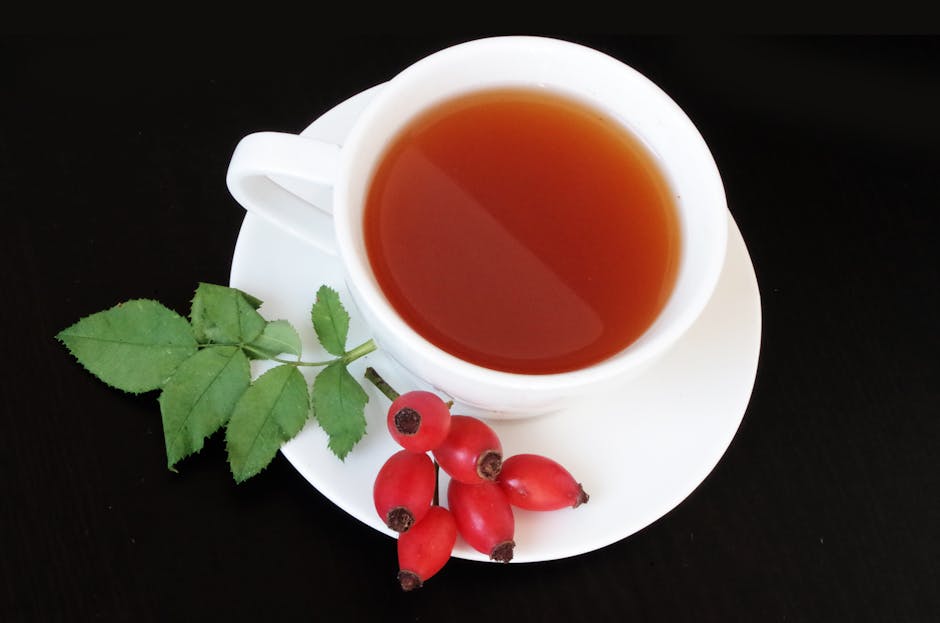
Herbal infusions, often referred to as herbal teas, have long been explored for their potential health benefits, particularly for digestive health. The scientific community has shown increasing interest in understanding the mechanisms by which these natural remedies may support gastrointestinal well-being. Central to this exploration are the active compounds found in herbal infusions, such as polyphenols and essential oils, which are believed to contribute significantly to their therapeutic effects.
2.1 Polyphenols: Nature's Antioxidants
Polyphenols are a diverse group of naturally occurring compounds found in abundance in plants. They are well-known for their antioxidant properties, which can help neutralize free radicals in the body, potentially reducing inflammation and oxidative stress. Research suggests that these effects may be beneficial to the digestive system in several ways:
- Anti-inflammatory Effects: Polyphenols may help to reduce inflammation in the gut, which is crucial for maintaining a healthy digestive tract and preventing conditions like irritable bowel syndrome (IBS).
- Enhancing Gut Microbiota: Certain polyphenols are believed to positively influence the gut microbiome by promoting the growth of beneficial bacteria, which is essential for efficient digestion and nutrient absorption.
- Supporting Gut Barrier Function: Polyphenols may help strengthen the gut barrier, thus preventing the passage of harmful pathogens and toxins into the bloodstream.
2.2 Essential Oils: Aromatic Compounds with Digestive Benefits
Essential oils, extracted from various parts of plants, are concentrated aromatic compounds that contribute to the flavor and aroma of herbal infusions. In addition to their sensory appeal, essential oils are thought to offer several digestive benefits:
- Carminative Properties: Essential oils like those found in peppermint and fennel are known for their ability to reduce gas and bloating, potentially easing discomfort in the digestive tract.
- Antimicrobial Activity: Some essential oils possess antimicrobial properties that may help manage harmful bacteria in the gut, supporting a balanced microbial environment.
- Stimulation of Digestive Enzymes: Certain essential oils are believed to stimulate the production of digestive enzymes, enhancing the breakdown and absorption of nutrients.
2.3 Synergistic Effects of Herbal Compounds
The combination of polyphenols and essential oils in herbal infusions may offer synergistic effects that enhance their overall therapeutic potential. This interplay of compounds can contribute to a more comprehensive approach to digestive health, providing a natural complement to dietary and lifestyle modifications. While research is ongoing, the initial findings underscore the promise of herbal infusions as a supportive measure for digestive well-being.
As we continue to uncover the science behind herbal infusions, it becomes evident that these natural remedies hold a valuable place in the landscape of digestive health support. However, it is essential for individuals to consider their unique health profiles and consult with healthcare professionals when integrating herbal infusions into their wellness routines.
3. Top Herbal Infusions for Digestive Bliss

Herbal infusions have been revered across cultures for their potential to soothe and support the digestive system. Research continues to explore the specific benefits of various herbs, with some standing out for their efficacy in promoting digestive health. Below, we delve into some of the most effective herbal infusions, highlighting peppermint, ginger, and chamomile.
3.1 Peppermint: A Cool Relief for the Gut
Peppermint is a well-known herb, often celebrated for its refreshing taste and aroma. Its digestive benefits are supported by research, particularly in the context of soothing gastrointestinal discomfort.
- Relaxation of Gastrointestinal Muscles: Studies suggest that peppermint may help relax the muscles of the gastrointestinal tract, potentially easing symptoms of irritable bowel syndrome (IBS) such as cramping and bloating.
- Carminative Effects: The carminative properties of peppermint are believed to reduce gas production, providing relief from bloating and flatulence.
- Improvement in Bile Flow: Peppermint is thought to enhance bile flow, which can aid in the digestion of fats and improve overall digestive efficiency.
3.2 Ginger: The Spicy Digestive Soother
Ginger is a staple in traditional medicine, revered for its warming properties and its ability to alleviate digestive discomfort.
- Nausea Reduction: Research indicates that ginger may be effective in reducing nausea, a common symptom in various digestive disorders, by influencing the central nervous system.
- Anti-inflammatory Properties: Ginger's active compounds are believed to possess anti-inflammatory effects, which may help in reducing inflammation in the gut and relieve conditions like dyspepsia.
- Stimulation of Digestive Processes: Ginger is thought to stimulate digestive motility, promoting smoother transit of food through the gastrointestinal tract.
3.3 Chamomile: A Gentle Calming Agent
Chamomile is renowned for its calming properties, often used as a gentle remedy for various digestive issues.
- Alleviation of Gastrointestinal Spasms: Chamomile is believed to help alleviate spasms in the gastrointestinal tract, potentially reducing the discomfort associated with conditions like IBS.
- Anti-inflammatory Effects: The anti-inflammatory properties of chamomile may assist in soothing the digestive tract, promoting a healthier gut environment.
- Promotion of Relaxation: Chamomile's calming effect may help reduce stress-related digestive issues, as stress can significantly impact gut health.
Incorporating these herbal infusions into your routine may offer a natural way to support digestive health. However, it is important to consider individual health conditions and consult with healthcare professionals when integrating new herbal remedies into your diet. As research evolves, these herbs continue to hold promise in the realm of digestive wellness.
4. Brewing Techniques for Maximum Efficacy

To maximize the benefits of herbal teas for digestive health, understanding the proper brewing techniques is essential. The right combination of water temperature, steeping time, and ingredient preparation can significantly enhance the efficacy of your herbal infusions.
4.1 Optimal Water Temperature
The temperature of the water used for brewing herbal teas can greatly influence the extraction of beneficial compounds. Research suggests that:
- Peppermint Tea: Brew at a temperature between 85-90°C (185-194°F) to preserve its volatile oils, which are responsible for its digestive benefits.
- Ginger Tea: Use boiling water at 100°C (212°F) to fully extract the gingerol compounds that may help soothe the digestive tract.
- Chamomile Tea: Brew at a slightly cooler temperature of 90°C (194°F) to maintain its delicate floral compounds and calming properties.
4.2 Steeping Time for Potency
The duration of steeping is crucial for extracting the maximum therapeutic potential of herbal teas. It is generally believed that:
- Peppermint: Steep for 5-7 minutes to release its cooling and muscle-relaxing properties without becoming overly bitter.
- Ginger: Longer steeping times of 10-15 minutes may enhance the release of anti-inflammatory compounds, providing a more robust flavor and potential digestive benefits.
- Chamomile: A steeping time of 5-10 minutes is recommended to extract its soothing and anti-inflammatory components effectively.
4.3 Best Practices for Ingredient Preparation
Proper preparation of herbal ingredients can further enhance the efficacy of your teas. Consider the following practices:
- Peppermint Leaves: Use fresh or dried leaves, lightly bruised, to help release their essential oils during brewing.
- Ginger Root: Use fresh ginger slices or grated ginger to ensure a potent infusion; dried ginger can also be used but may require longer steeping times.
- Chamomile Flowers: Use whole dried flowers to maintain the integrity of the infusion; crushing them may lead to a loss of volatile compounds.
By following these brewing techniques, you can optimize the health benefits of your herbal teas, supporting your digestive wellness journey. As always, individual preferences and health conditions should be considered, and consultation with healthcare professionals is advisable when integrating new herbal remedies into your routine.
5. Herbal Infusion Recipes for Digestive Health
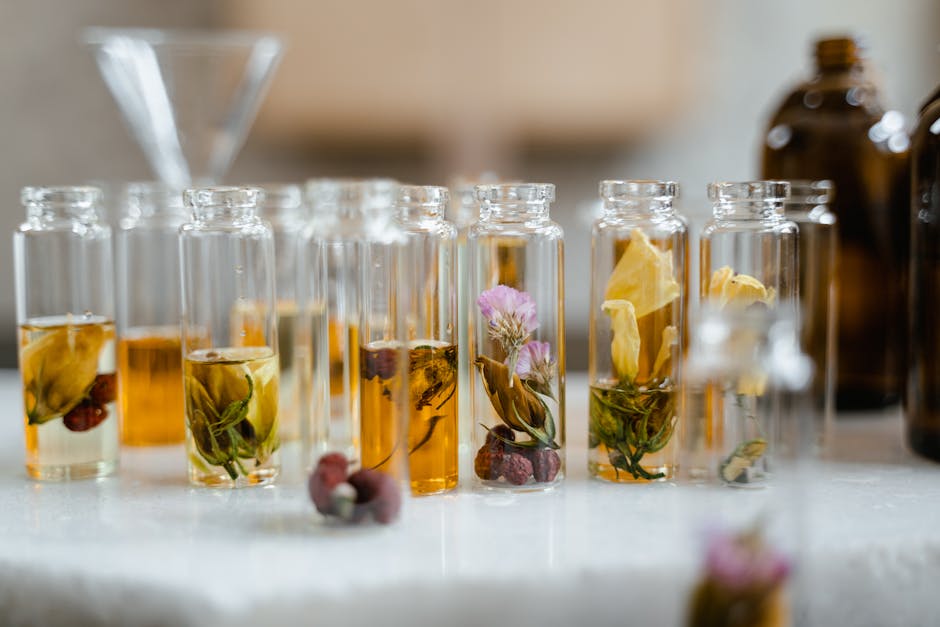
Herbal infusions can be a delightful way to support digestive health. This section provides a curated collection of easy-to-make recipes that combine various herbs known for their potential digestive benefits. Each recipe includes a brief overview of ingredient benefits to help you understand their role in promoting wellness.
5.1 Soothing Peppermint and Chamomile Blend
This gentle blend combines the cooling properties of peppermint with the calming effects of chamomile, creating a soothing infusion that may help ease digestive discomfort.
- Ingredients:
- 1 tablespoon dried peppermint leaves
- 1 tablespoon dried chamomile flowers
- 2 cups hot water (90°C or 194°F)
- Instructions:
- Combine the peppermint leaves and chamomile flowers in a teapot or infuser.
- Pour hot water over the herbs and cover.
- Let steep for 5-7 minutes to extract the herbs' beneficial compounds.
- Strain and serve warm.
Benefits: Peppermint is believed to relax the muscles of the gastrointestinal tract, while chamomile may offer anti-inflammatory and calming effects.
5.2 Ginger and Fennel Digestive Aid
This invigorating infusion combines the warmth of ginger with the sweet notes of fennel, known for their potential to support digestive function and reduce bloating.
- Ingredients:
- 1 tablespoon freshly grated ginger root
- 1 teaspoon fennel seeds
- 2 cups boiling water (100°C or 212°F)
- Instructions:
- Add the grated ginger and fennel seeds to a teapot or infuser.
- Pour boiling water over the ingredients and cover.
- Let steep for 10-15 minutes to maximize the release of active compounds.
- Strain and enjoy.
Benefits: Ginger is renowned for its potential anti-inflammatory properties, and fennel may help alleviate gas and promote digestion.
5.3 Calming Lavender and Lemon Balm Tea
This aromatic infusion features lavender and lemon balm, herbs that may help reduce stress and promote digestive relaxation.
- Ingredients:
- 1 tablespoon dried lavender flowers
- 1 tablespoon dried lemon balm leaves
- 2 cups hot water (90°C or 194°F)
- Instructions:
- Combine the lavender flowers and lemon balm leaves in a teapot or infuser.
- Pour hot water over the herbs and cover.
- Let steep for 5-10 minutes to infuse the flavors.
- Strain and sip slowly.
Benefits: Lavender is believed to have calming properties, while lemon balm may help soothe the digestive tract and reduce tension.
Experimenting with these herbal infusion recipes can be a rewarding way to explore natural digestive support. Always consider personal health conditions and consult healthcare professionals when incorporating new herbal remedies into your diet.
6. Lifestyle Tips to Complement Herbal Infusions
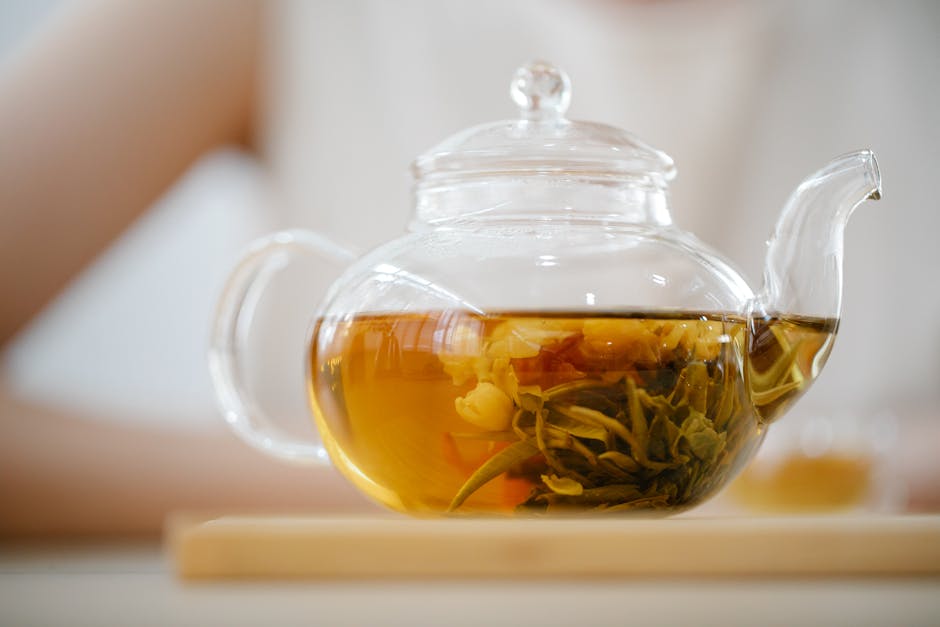
Incorporating dietary and lifestyle changes alongside herbal infusions may create a holistic approach to digestive wellness. While herbal teas can offer natural relief, optimizing your habits can enhance their benefits.
6.1 Mindful Eating Practices
Mindful eating involves paying attention to the flavors, textures, and aromas of your food, which can aid digestion. Research suggests that slowing down during meals and chewing thoroughly may improve nutrient absorption and reduce digestive discomfort.
- Take small bites and chew food slowly.
- Avoid distractions, such as screens, during meals.
- Listen to your body's hunger and fullness cues.
6.2 Balanced Diet Choices
Complementing herbal infusions with a balanced diet may support digestive health. Incorporating a variety of nutrients and avoiding trigger foods can be beneficial.
- Include fiber-rich foods like fruits, vegetables, and whole grains.
- Limit high-fat and spicy foods that may exacerbate symptoms.
- Stay hydrated with water and herbal teas throughout the day.
6.3 Regular Physical Activity
Engaging in regular physical activity is believed to promote digestive function by stimulating intestinal activity. Activities such as walking, yoga, and gentle stretching can be particularly beneficial.
- Aim for at least 30 minutes of moderate exercise most days of the week.
- Consider incorporating yoga poses that focus on core strength and relaxation.
- Take short walks after meals to aid digestion.
6.4 Stress Management Techniques
Stress is known to impact digestive health. Incorporating relaxation techniques can help manage stress levels and support digestive wellness.
- Practice deep breathing exercises or meditation regularly.
- Explore activities like tai chi or progressive muscle relaxation.
- Ensure adequate sleep to support overall health and stress reduction.
By integrating these lifestyle tips with herbal infusions, you may create a comprehensive approach to digestive health. Always consider personal needs and consult with healthcare professionals when making significant lifestyle changes.
7. Potential Side Effects and Precautions

While herbal teas are often embraced for their natural benefits, it's essential to be aware of potential side effects and precautions associated with their consumption. Understanding these can help you enjoy herbal infusions safely, especially if you have underlying health conditions or are taking medications.
7.1 Common Side Effects
Herbal teas, despite their natural origins, can occasionally cause side effects. These effects can vary depending on the type of herb used and individual sensitivities.
- Some individuals may experience allergic reactions, such as skin rashes or respiratory issues.
- Certain herbs can cause gastrointestinal upset, including nausea or diarrhea, particularly if consumed in large quantities.
- Herbs with diuretic properties may lead to increased urination, potentially affecting electrolyte balance.
It's important to monitor your body's response when trying a new herbal tea and discontinue use if adverse reactions occur.
7.2 Interactions with Medications
Herbal teas can interact with medications, potentially altering their effectiveness or causing unintended effects. Research suggests some herbs may influence drug metabolism or absorption.
- Herbs like St. John's Wort are known to interact with antidepressants and other medications, affecting their efficacy.
- Licorice root may interact with blood pressure medications, potentially leading to elevated blood pressure.
- Herbal components may enhance or diminish the effects of anticoagulants, influencing blood clotting.
If you are on medication, consult with a healthcare professional before incorporating herbal teas into your routine to avoid potential interactions.
7.3 Guidelines for Safe Consumption
To safely enjoy herbal teas, consider the following guidelines:
- Start with small quantities to gauge your body's response, especially if trying a new herb.
- Choose high-quality, reputable sources for your herbal products to ensure purity and potency.
- Avoid consuming multiple herbal teas simultaneously, as combining herbs can increase the risk of interactions and side effects.
Always consider your health status and any existing conditions when incorporating new herbal remedies. Consultation with healthcare providers can provide personalized advice tailored to your health needs.
Understanding the potential side effects and precautions of herbal teas can empower you to make informed decisions, enhancing your journey toward natural digestive support.
8. Conclusion: Embracing Herbal Infusions for Digestive Wellness

The exploration of herbal infusions as a natural approach to digestive wellness presents compelling opportunities for those seeking alternative methods to support their digestive health. Throughout this discussion, we have examined various herbs and their potential benefits, alongside the precautions necessary to ensure safe consumption.
8.1 Key Takeaways
Herbal infusions offer a multifaceted approach to enhancing digestive function. Key points highlighted include:
- The potential of specific herbs, such as ginger and peppermint, to alleviate common digestive discomforts.
- The role of herbal teas in promoting relaxation and stress reduction, which can indirectly benefit digestive health.
- The importance of understanding individual sensitivities and conducting personal trials to find the most effective herbal solutions.
By integrating these insights, individuals may find herbal infusions to be a valuable component of their digestive health regimen.
8.2 A Natural Complement to Digestive Health
Herbal infusions are believed to offer a gentle, natural complement to traditional digestive health strategies. Their potential benefits are supported by historical use and emerging research, which suggest they may contribute positively to digestive wellness.
While herbal infusions are not a replacement for professional medical advice or treatment, they can play a supportive role when used mindfully and in conjunction with guidance from healthcare professionals. This holistic approach aligns with a broader strategy for maintaining optimal digestive function and overall well-being.
8.3 Final Thoughts
As with any health strategy, personalization is key. Individuals are encouraged to explore herbal infusions with an open mind while remaining informed about the possible side effects and interactions with medications. Consulting with healthcare providers can enhance safety and efficacy, ensuring that the incorporation of herbal teas aligns with personal health goals.
Embracing herbal infusions for digestive wellness invites a journey of discovery and empowerment, allowing individuals to harness the potential of nature in supporting their digestive health naturally and effectively.