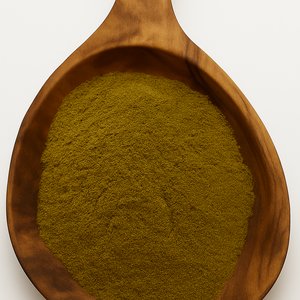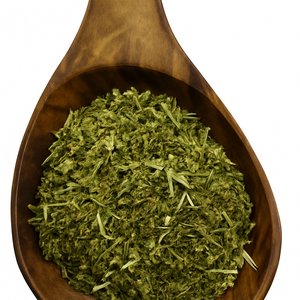
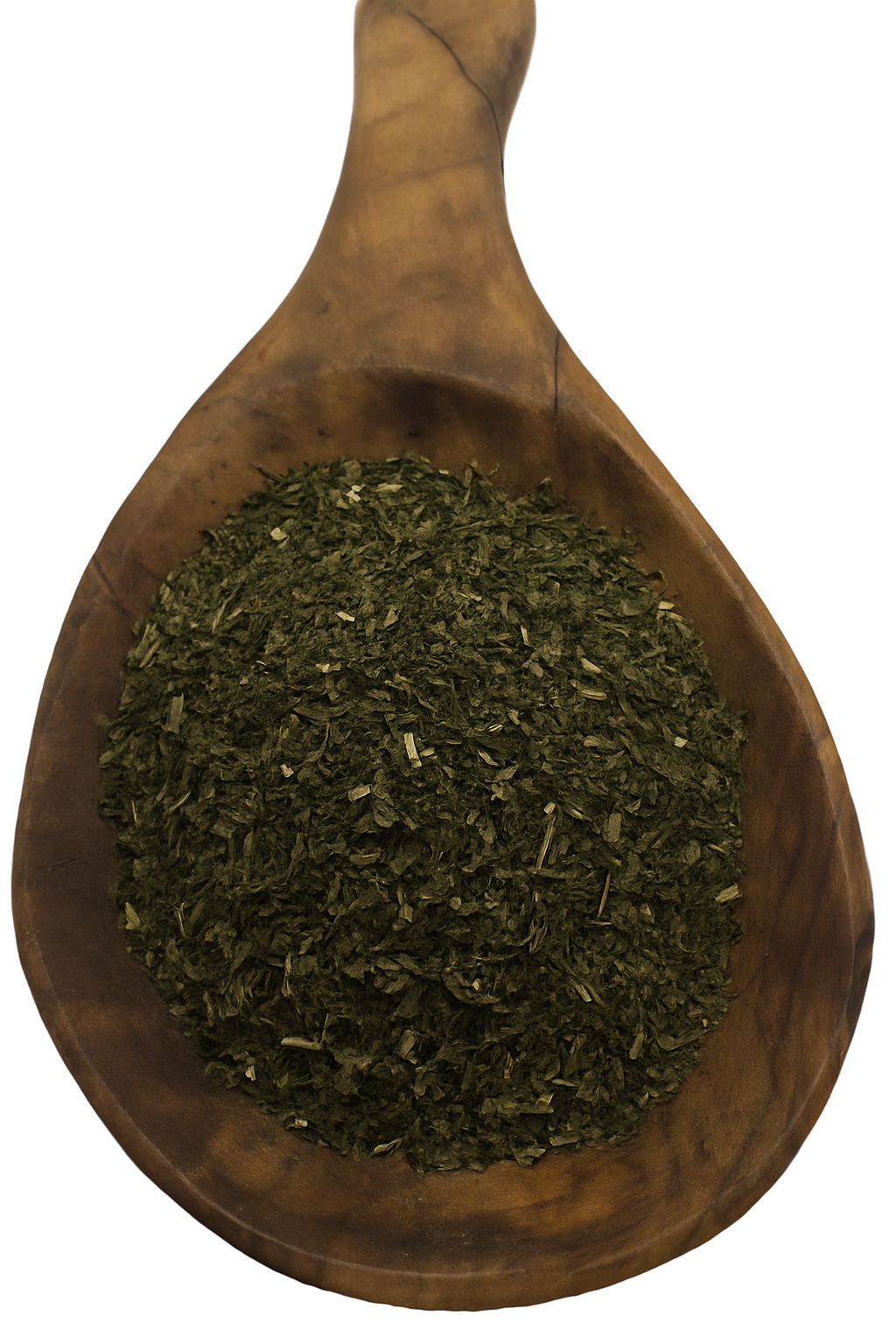
Peppermint Leaves Cut
Peppermint Leaves Cut - an herbaceous perennial plant used as a culinary or medicinal herb.





Hotline Order:
24/7
+1(865)4164178
Botanical Name: Peppermint (Mentha piperita) is a perennial herb native to Europe and Asia.
Common Name:
- English: Peppermint
- This product is also referred to by other names.Eqama, Nana, Nana Al-Fulfuli, Nanha, Nana, Sahe Bara, Ananookh, Ananux, Poduna, Miata, Miata Percavaja, Pudina, Bent-Liorzh, Bent, Menta Pebrera, Pak Hom Ho, Bohk Hoh, Wuh Jiu Bohk Hoh, Heung Faa Cho, Abson, Ashinsthoi, Asinstoi, Hasin, Koganos, Pasinstoi, Paprena Metvica, Máta, Máta Peprná, Mentol, Pebermynte, Fefurument, Putna, Pepermunt, Mento, Pipromento, Nanah, Puneh, Piparminttu, Menthe Anglaise, Menthe Poivrée, Sentebon, Mionnt, Menta, Podina, Mitai, Pfefferminze, Minze, Edelminze, Englische Minze, Phudino, Farfesu, Minti, Podina, Pudina; Pepermint, Piparmint, Menta, Fodormenta, Borsos Menta, Borsmenta, Piparminta, Daun Pudina, Daun Poko, Bijanngut, Janggot, Milseán Miontais, Miontas, Mismín, Menta Pepe, Menta Peperina, Menta Piperita, Hakka, Seiyō-Hakka, Seiyo-Hakka, Minto, Pepaminto; Oranda-Hakka, Midori-Hakka, Merugu, Pudina, Pudina, Vilayiti Pudina, Chi Poho, Chi Ankam-Derm, Heobu, Hobu, Mintu, Pepeo-Mintu, Pepo-Mintu; Supieo-Mintu, Daun Pudina, Pohok, Pokok Kepari, Karppoora-Thulasi, Puthina, Batrash, Gaa, Chinzhüünij Gaa, Pudina, Babari, Peppermynte, Podina, Mięta Pieprzowa, Hortelã-Pimenta, Myata Perechnaya, Menta, Pitoma Nana, Nana, Metvica, Hierbabuena, Menta, Piperita, Pereminde, Pepparmynta, Miriyala Dravakamu, Oka Chettu, Bai Saranai, Peppeo-Mint, Saranae, Saranae Yipun, Saranae Farang, Myata Pertseva, Myata Kholodna, Myyata Hladka, Pakhnyachka, Fufurmint, Lana, Amentha, American Mint, Balm Mint, Brandy Mint, Cabra-Caa, Curled Mint, Doun Menta Piperita, Hierbabuena, Hortela Pimenta, Katzenkraut, Lamb Mint, La Menta, Lamint, Menta Piemonte, Mentea Peperina, Mentha Pepe, Menthe, Menthe Anglaise, Menthe Poivrée, Moto Yuyo, Nána, Ni Naa, Ni’na El Fulfully, Epermin, Pepper Mint, Peppermint, Pfefferminze, Pfefferminzblätter, Piperita, Pudeena, Pum Hub,
Habitat: The European and Asian regions.
Origin: Bulgaria
Harvested: Native to the wild or grown in cultivation.
Parts Used: Leaves
There is no original text provided. Please paste the original product description text for me to rephrase. I'll keep the meaning intact, improve clarity and fluency, and return only the rewritten text without any added marketing language.
Peppermint oil is derived from Mentha piperita.Peppermint is a perennial plant that grows between 30-100cm tall, characterized by smooth, square-stemmed shoots. It's often cultivated for its use in cooking and medicine, and is a hybrid of the water mint species.Mentha aquatic and spearmint; Mentha spicateThe plant's underground stems are wide-spreading and fleshy, with bare fibrous roots. Above ground, the square stems grow upright or slightly ascending, branching out and becoming quadrangular towards the top. Leaves are arranged oppositely on the stem, attached by a petiole, and vary in shape from ovate-oblong to oblong-lanceolate. They have serrated edges, pointed tips, and measure 4-10 cm long and 2-4 cm wide. The leaves' dark green color is highlighted by reddish veins, and their margins are coarsely toothed. Both the stems and leaves often feature a soft fuzz. The peppermint plant's distinctive characteristic is its strong, sweet aroma and warm, pungent taste with a cooling aftertaste. Its flowers are purple, measuring 5 mm in diameter, and have four lobes on their corolla. They grow in clusters around the stem, forming thick spikes. Each flower has a tubular calyx with five sharp teeth, an irregularly shaped corolla with four clefts, four short stamens, and a four-chambered ovary. As a hybrid, peppermint is often sterile and does not produce seeds. It remains one of the most popular flavors for confectionery and is frequently used in tea, ice cream, potpourris, chewing gum, toothpaste, shampoos, soaps, and skin care products. Due to its widespread cultivation for oil distillation, peppermint is currently the world's most commercially significant aromatic herb.
How to use:
Hot Infusion:
To make a tea from dried herbs or flowers, place 2-3 tablespoons in a cup or teapot and pour hot water over them. Cover the container for 10-30 minutes to allow the ingredients to infuse. This process extracts antioxidants, enzymes, vitamins, flavonoids, and volatile oils from the botanicals. Strain and press out as much liquid as possible before serving.
Tips:
- Herbal teas can be sweetened using honey, natural fruit juices, stevia leaf powder, or licorice root powder.
- Freeze tea in ice trays or pop molds to create ice cubes or pops.
Precautions:
Before using this herbal product, it is recommended that you speak with a qualified healthcare professional, especially if you are pregnant, breastfeeding, or taking medication.
This website provides educational content only.ONLY.
This product has not undergone evaluation by Health Canada.
This information should not be used for medical diagnosis, treatment, or prevention of any condition.
Add your review
Your email address will not be published. Required fields are marked *
Please login to write review!
Looks like there are no reviews yet.