
1. Understanding Marshmallow Root
1.1 Origins and Historical Use
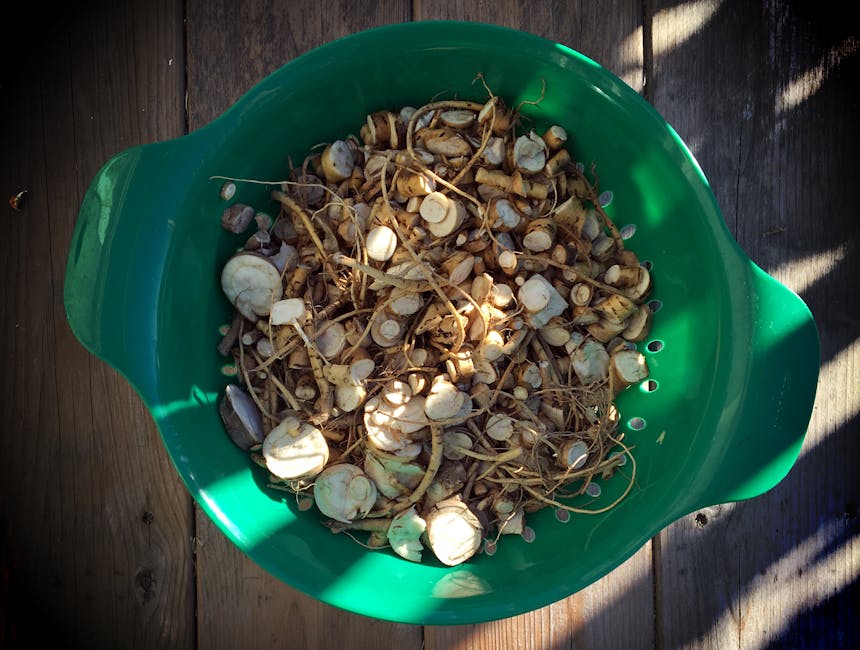
Marshmallow root, derived from the Althaea officinalis plant, has been utilized for centuries due to its reputed health benefits. Historical records indicate that ancient Egyptians used marshmallow root in both culinary and medicinal contexts. Traditionally, it was employed to soothe a variety of ailments, particularly those involving the throat and digestive system. Its use in herbal medicine spans various cultures, where it was often included in remedies aimed at easing discomfort caused by inflammation and irritation.
1.2 Composition and Active Components
The therapeutic properties of marshmallow root are primarily attributed to its rich composition of mucilage, flavonoids, and polysaccharides. Mucilage, a gel-like substance, is known for its ability to coat and soothe mucous membranes, which can be particularly beneficial for individuals experiencing irritation in the digestive tract. Flavonoids contribute antioxidant properties, potentially supporting overall health by combating oxidative stress. These components collectively make marshmallow root a topic of interest in the realm of natural remedies.
1.3 Current Applications in Herbal Medicine
In contemporary herbal medicine, marshmallow root is explored for its potential to support digestive health, particularly in conditions characterized by inflammation and irritation. It is often included in formulations aimed at providing relief from symptoms associated with gastroesophageal reflux disease (GERD) and other digestive concerns. While research is ongoing, initial studies suggest that the soothing properties of marshmallow root may aid in reducing discomfort and promoting mucosal healing. Its role as a gentle, natural remedy positions it as a popular choice for individuals seeking alternatives to conventional treatments.
2. The Chemical Composition of Marshmallow Root

2.1 Mucilage: The Soothing Agent
Mucilage is one of the most significant components of marshmallow root, contributing to its soothing effects on the digestive system. This gel-like substance forms a protective layer over mucous membranes, which may help to alleviate irritation and inflammation in the gastrointestinal tract. The high mucilage content is believed to be responsible for marshmallow root's ability to provide relief from symptoms associated with conditions like GERD, where the esophagus and stomach lining can become irritated.
2.2 Flavonoids: Antioxidant Benefits
Flavonoids are another critical constituent of marshmallow root, offering potential antioxidant benefits. These compounds are known for their ability to combat oxidative stress, a process that can contribute to cellular damage and inflammation. By neutralizing free radicals, flavonoids may support overall health and well-being. In the context of stomach health, their presence in marshmallow root may enhance its therapeutic potential by promoting healing and reducing inflammation in the digestive tract.
2.3 Polysaccharides: Supporting Immune Function
Polysaccharides, complex carbohydrates found in marshmallow root, are believed to play a role in supporting immune function. These compounds may help modulate the immune response, potentially reducing inflammation and supporting the body's natural healing processes. Research suggests that the polysaccharides in marshmallow root could contribute to its effectiveness as a natural remedy for digestive health, offering both protective and restorative benefits to the mucosal lining of the stomach and intestines.
2.4 Other Bioactive Compounds
In addition to mucilage, flavonoids, and polysaccharides, marshmallow root contains a variety of other bioactive compounds that may contribute to its therapeutic effects. These include phenolic acids, which are known for their antioxidant properties, and coumarins, which may possess anti-inflammatory effects. The synergistic action of these compounds is thought to enhance the overall efficacy of marshmallow root as a natural remedy for supporting stomach health and mitigating symptoms of digestive discomfort.
3. Marshmallow Root and Its Soothing Properties

3.1 Mechanisms of Action
Marshmallow root is renowned for its potential to alleviate stomach irritation, primarily through its anti-inflammatory and protective mucilage properties. The mechanisms by which it operates are complex and multifaceted. Mucilage, a gel-like substance inherent in marshmallow root, forms a protective barrier over the mucous membranes, which is believed to help shield the stomach lining from irritants and acid exposure, potentially reducing inflammation and facilitating the healing process.
3.2 Anti-inflammatory Effects
The anti-inflammatory properties of marshmallow root are attributed to its diverse bioactive compounds, including flavonoids and coumarins. These compounds are thought to reduce the inflammatory response in the gastrointestinal tract. By mitigating inflammation, marshmallow root may help decrease the discomfort associated with conditions like GERD, where the esophageal lining is often inflamed due to acid reflux. This natural anti-inflammatory action positions marshmallow root as a promising adjunct in managing digestive irritation.
3.3 Mucilage: A Natural Protector
Mucilage plays a pivotal role in marshmallow root's ability to soothe the stomach. It acts as a mechanical barrier, coating the mucous membranes and potentially preventing further irritation from stomach acids and other digestive enzymes. This protective layer is believed to not only soothe current irritation but also support the natural healing of the mucosal lining, contributing to improved digestive comfort and function over time.
3.4 Potential Benefits for GERD
For individuals suffering from GERD, marshmallow root's soothing properties may offer a natural alternative to conventional treatments. By forming a protective mucilage barrier, it is believed to reduce acid contact with the esophagus, thereby alleviating symptoms such as heartburn and discomfort. Additionally, its anti-inflammatory effects might help in managing chronic inflammation associated with GERD, promoting a more balanced and less irritated digestive environment.
3.5 Research and Future Perspectives
While the traditional use of marshmallow root is well-documented, ongoing research continues to explore its full therapeutic potential. Studies are focusing on its bioactive compounds and their synergistic effects on digestive health. Future research may provide deeper insights into the specific pathways through which marshmallow root alleviates stomach irritation, potentially leading to more targeted applications in herbal medicine.
4. Evidence-Based Benefits for Digestive Health

4.1 Scientific Studies on Gastritis
Research suggests that marshmallow root may be beneficial in managing gastritis, an inflammation of the stomach lining. A study published in the "Journal of Ethnopharmacology" investigated the effects of marshmallow root extract on gastric inflammation. The results indicated that its anti-inflammatory properties could help reduce the severity of gastritis symptoms. The study highlighted the potential of marshmallow root's mucilage in forming a protective barrier, which may prevent further irritation and support the healing of the gastric lining.
4.2 Clinical Trials on Ulcer Healing
Clinical trials have explored the efficacy of marshmallow root in the context of peptic ulcers. A notable trial demonstrated that patients consuming marshmallow root experienced a reduction in ulcer-related discomfort. The trial focused on the root's ability to form a protective layer over the ulcerated areas, which is believed to aid in reducing pain and promoting healing. These findings are supported by the root's high mucilage content, which may help buffer the stomach lining against irritants and facilitate recovery.
4.3 Addressing Acid Reflux and GERD
Acid reflux and GERD are common digestive issues where marshmallow root might have therapeutic potential. A study featured in the "Phytomedicine" journal assessed the role of marshmallow root in reducing acid reflux symptoms. Participants reported a decrease in heartburn and acid regurgitation after regular consumption of marshmallow root preparations. This is believed to result from the protective mucilage barrier that reduces acid exposure to the esophagus, combined with the root's anti-inflammatory effects that may alleviate esophageal irritation.
4.4 Synergistic Effects with Other Herbal Remedies
In addition to standalone use, marshmallow root is often studied in combination with other herbal remedies. Research indicates that its synergistic effects with herbs like slippery elm and licorice root may enhance its efficacy in treating digestive ailments. These combinations are thought to amplify the anti-inflammatory and mucilage-forming properties, offering a more comprehensive approach to managing conditions like GERD and ulcers. Such findings are encouraging for those seeking natural alternatives to conventional treatments.
4.5 Future Research Directions
While existing studies provide promising insights into the benefits of marshmallow root for digestive health, further research is needed to fully understand its mechanisms of action and potential applications. Future investigations could focus on isolating specific bioactive compounds within marshmallow root and exploring their individual and collective effects on digestive conditions. Additionally, long-term clinical trials may offer more definitive evidence of its safety and efficacy, potentially leading to broader acceptance in integrative medicine practices.
5. Integrating Marshmallow Root into Your Diet

5.1 Preparing Marshmallow Root Tea
Marshmallow root tea is a popular method for incorporating this herb into your diet. To prepare the tea, the dried root is typically steeped in hot water, allowing the beneficial compounds to infuse into the liquid. This warm beverage is not only soothing but is also believed to support digestive health by forming a mucilage barrier that may protect the stomach lining and reduce irritation. Regular consumption of this tea may offer a gentle, natural approach to managing symptoms associated with GERD and other digestive issues.
5.2 Utilizing Marshmallow Root Tinctures
Tinctures are concentrated herbal extracts that provide a convenient way to consume marshmallow root. These liquid extracts can be added to water or juice, making them easy to integrate into daily routines. Tinctures are believed to harness the full spectrum of marshmallow root's active compounds, potentially offering enhanced support for digestive health. Users often appreciate the flexibility of dosing that tinctures allow, although it's important to follow product guidelines and consult with a healthcare provider if needed.
5.3 Incorporating Marshmallow Root Supplements
For those seeking a straightforward method to include marshmallow root in their diet, supplements such as capsules or tablets are available. These supplements typically contain powdered marshmallow root and are designed for ease of use, especially for individuals who may not enjoy the taste of herbal teas or tinctures. While supplements offer convenience, it is essential to select high-quality products from reputable sources to ensure safety and efficacy.
5.4 Combining with Other Digestive-Friendly Herbs
Marshmallow root can be effectively combined with other herbs known for their digestive benefits, such as slippery elm and licorice root. These combinations are thought to enhance the overall protective and soothing effects on the gastrointestinal tract. Herbal blends can be prepared as teas or taken in supplement form, providing a holistic approach to digestive wellness. Research suggests that such synergistic combinations may offer greater relief from symptoms of GERD and other digestive conditions.
5.5 Considerations and Precautions
While marshmallow root is generally considered safe for most individuals, it is important to approach its use with caution, particularly if combined with other dietary supplements or medications. Individuals with existing health conditions or those who are pregnant or breastfeeding should consult with a healthcare professional before adding marshmallow root to their diet. Additionally, sourcing quality products from trusted suppliers can help ensure that you receive the full benefits without unnecessary additives or contaminants.
6. Potential Side Effects and Precautions

6.1 Understanding Potential Side Effects
While marshmallow root is largely considered safe for most people, some individuals may experience mild side effects. Commonly reported side effects include stomach upset, dizziness, or skin irritation. These are generally infrequent and mild, but it's important for users to be aware and monitor their body's reactions when introducing any new herbal supplement.
6.2 Interactions with Medications
Marshmallow root has the potential to interact with certain medications. Due to its mucilaginous properties, it may interfere with the absorption of oral medications. This could reduce the efficacy of the drugs, particularly those taken for conditions like diabetes or other chronic illnesses. Individuals taking prescription medications should consult with a healthcare provider to discuss possible interactions and appropriate timing for consuming marshmallow root products.
6.3 Guidelines for Safe Consumption
To minimize risks, it is advisable to adhere to recommended guidelines for marshmallow root consumption. Starting with a low dose and gradually increasing it allows the body to adapt and helps identify any adverse reactions early on. Choosing products from reputable brands ensures purity and potency, reducing the likelihood of contamination or unwanted additives. Consulting with a healthcare provider is especially important for individuals who are pregnant, breastfeeding, or managing chronic health conditions.
6.4 Allergic Reactions and Sensitivities
Although rare, some individuals may have an allergic reaction to marshmallow root. Symptoms of an allergic reaction can include itching, rash, or difficulty breathing. Those with known allergies to other plants in the same family should exercise caution. If any symptoms of an allergic reaction occur, it is crucial to discontinue use immediately and seek medical advice.
6.5 Special Considerations for Vulnerable Populations
Special populations, such as children, the elderly, and individuals with compromised immune systems, may require additional precautions when using marshmallow root. The effects of herbal supplements can vary widely among different age groups and health conditions, necessitating personalized advice from healthcare professionals. Tailoring the use of marshmallow root to individual needs helps maximize benefits while minimizing risks.
7. Comparing Marshmallow Root with Other Herbal Remedies
7.1 Marshmallow Root vs. Ginger
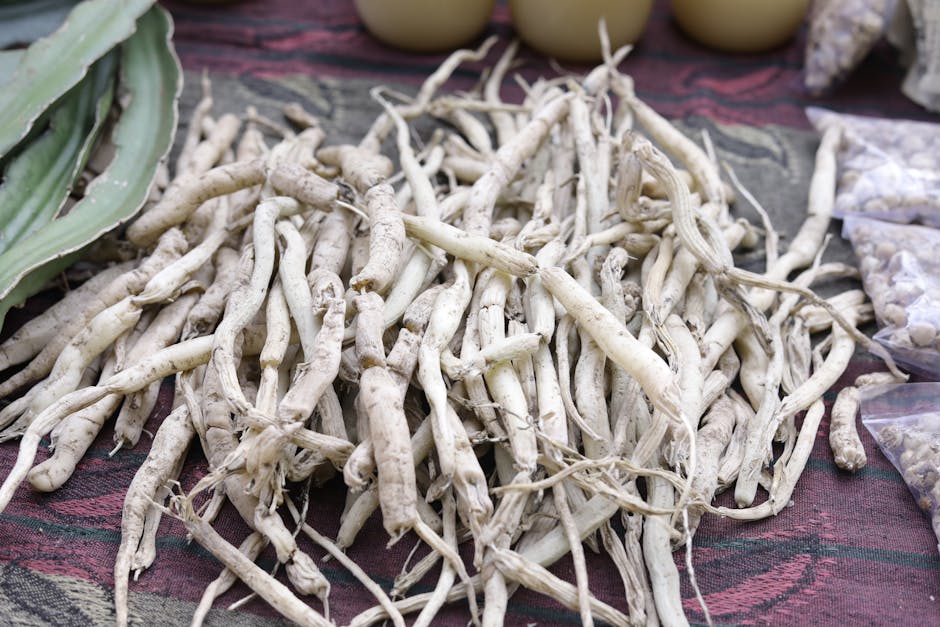
Ginger is another popular herbal remedy known for its digestive benefits. Research suggests that ginger can help alleviate nausea and improve digestion by promoting gastric emptying. In comparison, marshmallow root is believed to soothe the digestive tract lining due to its mucilaginous properties, potentially easing irritation and inflammation.
While both herbs support digestive health, the choice between them may depend on specific symptoms. For instance, individuals experiencing nausea might find ginger more beneficial, whereas those suffering from irritation or inflammation may prefer marshmallow root. It is important to remember that both herbs are generally considered safe but should be used with caution, particularly when combined with medications.
7.2 Marshmallow Root vs. Peppermint
Peppermint is well-known for its calming effects on the digestive system. It is often used to relieve symptoms of irritable bowel syndrome (IBS) and to reduce bloating and gas. Peppermint's active component, menthol, is believed to relax the muscles of the gastrointestinal tract, providing relief from spasms.
In contrast, marshmallow root does not work by relaxing muscle spasms but rather by forming a protective coating over the mucous membranes. This can be particularly helpful for soothing discomfort in the stomach and esophagus. Choosing between peppermint and marshmallow root may depend on the specific digestive issues one is experiencing. As always, consulting with a healthcare provider can aid in making an informed decision tailored to individual needs.
7.3 Overall Considerations for Herbal Remedies
When comparing marshmallow root with other herbal remedies like ginger and peppermint, it is crucial to consider the specific digestive concerns and individual health conditions. Each herb offers unique benefits, and their effectiveness can vary depending on the individual's body response and the underlying cause of symptoms.
Moreover, sourcing high-quality herbal products from reputable suppliers is essential to ensure safety and efficacy. Users should be wary of potential interactions with medications and monitor their body's reactions when introducing new supplements. Consulting with healthcare professionals can help tailor herbal remedy choices to suit personal health goals and conditions.
8. Conclusion: Harnessing the Power of Marshmallow Root

8.1 Summary of Benefits
Marshmallow root emerges as a notable natural remedy for those seeking relief from various digestive concerns. Its mucilaginous properties are believed to provide a soothing effect on the digestive tract, potentially alleviating irritation and inflammation. This quality makes it particularly appealing for individuals dealing with discomfort in the stomach and esophagus, distinguishing it from other herbal remedies that primarily address muscle spasms or nausea.
8.2 Integrating Marshmallow Root into Wellness Regimens
For individuals considering the incorporation of marshmallow root into their health routine, it is important to approach this natural remedy with informed discretion. Given its potential benefits, marshmallow root may serve as a complementary option alongside other digestive health strategies. However, understanding one's specific symptoms and health conditions is crucial in deciding its suitability.
8.3 Encouragement for Informed Use
While marshmallow root offers promising benefits, it is imperative to prioritize safety and efficacy. Consulting healthcare professionals can provide valuable guidance tailored to individual needs, especially for those within vulnerable populations. By doing so, individuals can harness the potential of marshmallow root while minimizing risks associated with self-medicating with herbal supplements.
8.4 A Holistic Approach to Digestive Health
Ultimately, marshmallow root represents one of many tools available for supporting digestive health naturally. By considering its unique attributes and potential benefits, individuals can make educated decisions about their wellness regimens. Embracing a holistic approach that includes dietary adjustments, lifestyle changes, and suitable herbal remedies can foster overall digestive well-being.