
1. Understanding Slippery Elm and Its Digestive Benefits

1.1 Historical Uses of Slippery Elm
Slippery elm, scientifically known as Ulmus rubra, has a rich history of use in traditional medicine, particularly among Native American cultures. Historically, it was utilized for its soothing properties, believed to alleviate inflammation and irritation in various parts of the body. The inner bark of the slippery elm tree was commonly prepared as a poultice or tea, serving as a natural remedy for sore throats, wounds, and digestive discomforts.
1.2 Traditional Medicine and Its Influence
In traditional herbal medicine, slippery elm has been valued for its demulcent properties, which are thought to coat and soothe mucous membranes. This characteristic made it a popular choice for addressing issues related to the gastrointestinal tract. Herbalists have long recommended slippery elm for conditions such as gastritis, ulcers, and irritable bowel syndrome (IBS), attributing its benefits to its ability to form a protective barrier in the digestive system.
1.3 Modern Scientific Insights into Digestive Health
Recent scientific investigations have begun to validate some of the traditional uses of slippery elm, particularly in the realm of digestive health. Research suggests that slippery elm may support the digestive system by reducing inflammation and promoting healing of the digestive tract lining. Its mucilage content is believed to be responsible for these therapeutic effects, as it helps in soothing irritated tissues and facilitating smooth digestion.
1.4 Potential Benefits for Individuals with GERD
For individuals suffering from gastroesophageal reflux disease (GERD), slippery elm may offer a natural option for managing symptoms. Its mucilaginous nature is thought to provide a protective coating for the esophagus, potentially reducing the irritation caused by stomach acid reflux. Although more clinical studies are needed to establish its efficacy, anecdotal evidence and preliminary research suggest that slippery elm could be a beneficial addition to a holistic approach for managing GERD symptoms.
1.5 Integration into a Holistic Health Routine
Integrating slippery elm into a broader health regimen can be a step towards achieving digestive wellness. It is often consumed as a powder mixed with water to form a soothing gel-like drink or taken in capsule form. When combined with other lifestyle modifications such as dietary adjustments, stress management, and regular exercise, slippery elm may contribute to improved digestive health and overall well-being.
2. The Science Behind Slippery Elm's Soothing Effects

2.1 Key Compounds in Slippery Elm
Slippery elm is renowned for its high mucilage content, a complex carbohydrate that plays a crucial role in its soothing effects. Mucilage is a gelatinous substance that becomes slick and viscous when mixed with water. This compound is believed to be responsible for slippery elm's ability to coat and protect mucous membranes, offering relief to irritated tissues within the digestive system.
2.2 Interaction with the Digestive System
When consumed, the mucilage in slippery elm is thought to form a protective layer over the mucous membranes of the esophagus and stomach. This protective barrier may reduce irritation caused by stomach acid and other digestive enzymes, which is particularly beneficial for individuals experiencing heartburn or ulcers. By creating this physical shield, slippery elm is believed to support the healing of damaged tissues and promote digestive comfort.
2.3 Potential Benefits for Heartburn and Ulcers
Research suggests that slippery elm's mucilage content may help alleviate symptoms associated with heartburn and gastric ulcers. The soothing properties of mucilage are thought to reduce inflammation and irritation in the esophageal and gastric linings, potentially providing relief from the burning sensations and discomfort commonly experienced by those with these conditions. While scientific studies are still ongoing, the traditional use of slippery elm for these digestive issues is supported by its ability to form a calming and protective barrier.
2.4 Supporting Evidence from Scientific Studies
Although more rigorous clinical trials are needed, preliminary research has begun to shed light on the potential benefits of slippery elm for digestive health. Studies have indicated that slippery elm may enhance the production of mucus in the gastrointestinal tract, thereby reinforcing the protective barrier against stomach acids. Additionally, its antioxidant properties are believed to contribute to reducing oxidative stress and inflammation in the digestive system, further supporting its use as a natural remedy for digestive discomforts.
3. Step-by-Step Guide to Preparing Slippery Elm

3.1 Preparing Slippery Elm Tea
Slippery elm tea is a popular choice for those seeking to soothe digestive discomfort. To prepare slippery elm tea, start by acquiring slippery elm bark powder, which can often be found in health food stores. Boil water and allow it to cool slightly before adding the powder. This step is crucial, as boiling water can diminish the mucilage content, reducing its effectiveness. Stir the mixture until a gel-like consistency forms, and allow it to steep for a few minutes before consuming.
3.2 Utilizing Slippery Elm Powder
Slippery elm is versatile and can be incorporated into various preparations. To make a soothing drink, mix the powder with warm water until it reaches a smooth, gel-like texture. This preparation is believed to coat the digestive tract, potentially easing irritation. Alternatively, slippery elm powder can be added to smoothies or oatmeal for a convenient way to integrate its potential benefits into daily meals.
3.3 Taking Slippery Elm Capsules
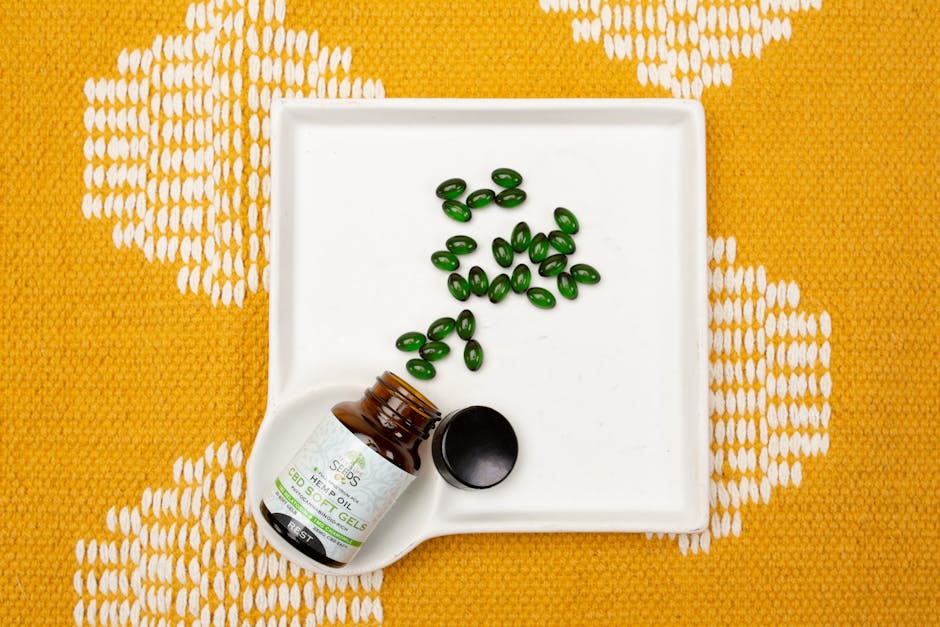
For those who prefer a more convenient option, slippery elm capsules are available. These capsules contain the powdered form of slippery elm and can be taken with water as directed on the product label. Capsules offer a practical solution for individuals with busy lifestyles or those who may not enjoy the taste or texture of slippery elm in other forms. It is always advisable to follow the dosage recommendations provided by the manufacturer.
3.4 Maximizing Digestive Benefits
While preparing slippery elm correctly is important, maximizing its potential digestive benefits involves considering timing and frequency of consumption. Research suggests that taking slippery elm before meals may help prepare the stomach and esophagus for potential acid exposure. Additionally, consistent use as part of a comprehensive approach to digestive health, which includes dietary and lifestyle modifications, may further enhance its soothing effects.
4. Dosage and Safety Considerations for Slippery Elm Use

4.1 Recommended Dosages Based on Current Research
When considering the use of slippery elm for digestive support, understanding the recommended dosages is crucial. Research suggests that the specific dosage may vary depending on the form in which slippery elm is consumed, such as tea, powder, or capsules. However, it is generally advised to adhere to the dosage guidelines provided by the product manufacturer, as these are often established based on available research and traditional use. Consultation with a healthcare provider can also offer personalized advice tailored to individual health needs.
4.2 Potential Side Effects
While slippery elm is generally considered safe for most individuals, there are potential side effects that users should be aware of. Some people may experience mild digestive upset, such as nausea or diarrhea, particularly when taking larger quantities. Additionally, due to its mucilaginous nature, slippery elm may interfere with the absorption of certain medications. It is advisable to take slippery elm at different times than other medications to avoid potential interactions.
4.3 Contraindications and Precautions
There are certain contraindications and precautions to consider when using slippery elm. Pregnant and breastfeeding women should consult with a healthcare provider before incorporating slippery elm into their regimen, as there is limited research on its safety in these populations. Individuals with known allergies to slippery elm or related plant species should avoid its use to prevent allergic reactions. Furthermore, those with medical conditions or who are taking prescription medications should seek medical advice prior to using slippery elm to ensure it is appropriate for their specific health circumstances.
4.4 Integrating Slippery Elm into a Holistic Approach
Incorporating slippery elm into a holistic approach to digestive health may enhance its benefits. This involves considering dietary changes, stress management techniques, and other natural remedies alongside slippery elm use. Research suggests that a comprehensive approach may offer greater support for those experiencing digestive discomfort, such as in cases of GERD. Always prioritize a balanced and informed approach when integrating supplements and natural remedies into daily routines.
5. Comparing Slippery Elm to Other Natural Digestive Remedies

5.1 Overview of Natural Digestive Remedies
Natural remedies for digestive health have been used for centuries across different cultures. Among these, slippery elm, ginger, peppermint, and chamomile are frequently discussed for their soothing properties. Each offers unique benefits, making them popular choices for those seeking alternative approaches to digestive health management. Understanding how slippery elm compares to these other remedies can help individuals make informed decisions about their digestive care.
5.2 Slippery Elm vs. Ginger
Ginger is well-known for its ability to alleviate nausea and promote digestive comfort. It is believed to stimulate digestion and reduce inflammation in the gastrointestinal tract. While slippery elm primarily provides a soothing mucilaginous coating to protect the esophagus and stomach lining, ginger's primary action is to enhance motility and reduce symptoms like bloating and gas. For individuals experiencing nausea alongside heartburn, ginger may be preferred, whereas slippery elm might be more suitable for those seeking soothing relief from irritation.
5.3 Slippery Elm vs. Peppermint
Peppermint is widely recognized for its ability to relax the muscles of the gastrointestinal tract, which can help reduce symptoms of irritable bowel syndrome (IBS) such as cramping and abdominal pain. However, peppermint may not be ideal for individuals with GERD, as it can relax the lower esophageal sphincter, potentially worsening acid reflux. Slippery elm, on the other hand, provides a protective barrier against acid exposure, making it a potentially better option for those with GERD seeking relief from irritation without exacerbating reflux.
5.4 Slippery Elm vs. Chamomile
Chamomile is often used for its calming effects on both the mind and digestive system. It is believed to help reduce inflammation and spasms within the gastrointestinal tract, aiding in the relief of indigestion and bloating. While chamomile offers general digestive support, slippery elm specifically addresses irritation by forming a soothing layer within the digestive tract. For those whose primary concern is irritation and inflammation, slippery elm might be the more targeted choice.
5.5 When Slippery Elm Might Be Preferred
Slippery elm may be the preferred choice for individuals experiencing specific issues such as irritation and inflammation of the esophagus and stomach lining, particularly in the context of GERD. Its ability to form a protective barrier makes it uniquely suited to soothe and protect against acid exposure. When integrated into a holistic digestive health regimen, slippery elm can offer complementary benefits alongside other lifestyle and dietary modifications.
5.6 Conclusion
Each natural remedy offers distinct benefits, and the choice between slippery elm, ginger, peppermint, and chamomile depends on the individual's specific symptoms and health goals. Slippery elm stands out for its protective qualities, making it a strong candidate for those with GERD-related irritation. As with any natural remedy, consultation with a healthcare provider is recommended to ensure a comprehensive and personalized approach to digestive health.
6. Integrating Slippery Elm into a Holistic Digestive Health Plan
6.1 Understanding the Role of Slippery Elm
Slippery elm is a versatile natural remedy recognized for its ability to form a soothing mucilaginous layer in the digestive tract, which may support relief from irritation. When considering its integration into a holistic digestive health plan, it's important to understand its specific role and how it complements other lifestyle and dietary changes aimed at improving digestive wellness.
6.2 Dietary Changes to Support Digestive Health
Incorporating slippery elm into a broader strategy involves making thoughtful dietary changes. Research suggests that a diet rich in fiber, probiotics, and anti-inflammatory foods can support overall digestive health. Adding foods like leafy greens, whole grains, and fermented products may complement the soothing effects of slippery elm by promoting gut flora balance and reducing inflammation.
6.3 Lifestyle Adjustments for Optimal Results
Beyond dietary modifications, lifestyle adjustments are crucial for enhancing the benefits of slippery elm. Practices such as regular physical activity, stress management techniques like mindfulness and yoga, and ensuring adequate hydration are believed to support digestive function and overall well-being. These adjustments work synergistically with slippery elm, potentially enhancing its efficacy in soothing and protecting the digestive tract.
6.4 Combining Slippery Elm with Other Natural Remedies
For a comprehensive approach, slippery elm can be combined with other natural remedies tailored to individual symptoms. For instance, ginger may be used to enhance motility and alleviate nausea, while chamomile's calming properties can aid in reducing digestive discomfort. The compatibility of these remedies allows for a personalized plan that addresses multiple aspects of digestive health.
6.5 Consulting with Healthcare Professionals
Before fully integrating slippery elm into a digestive health plan, consultation with a healthcare professional is recommended. They can provide guidance tailored to specific health needs and ensure that slippery elm and other natural remedies are used safely and effectively. This approach helps in crafting a personalized strategy that aligns with individual health goals and conditions.
6.6 Conclusion
Integrating slippery elm into a holistic digestive health plan involves understanding its unique properties and how it complements dietary and lifestyle changes. By combining it with other natural remedies and consulting with healthcare professionals, individuals can create a tailored approach that supports digestive wellness. This comprehensive strategy may provide relief and promote long-term digestive health.
7. Real-Life Experiences and Testimonials

7.1 Personal Stories of Relief
Many individuals grappling with digestive issues have turned to slippery elm for its soothing properties. A number of personal stories highlight its potential benefits, with users often reporting a noticeable reduction in symptoms such as bloating, discomfort, and irritation. These narratives underscore the importance of integrating slippery elm into a broader digestive health strategy, often noting improvements when combined with dietary and lifestyle changes.
7.2 Practical Tips from Users
Real-life experiences offer valuable insights into the practical use of slippery elm. Users have shared various tips, such as incorporating slippery elm into morning routines, mixing it with warm water or herbal teas to enhance its soothing effects. Some have found that using it consistently, alongside maintaining a balanced diet and reducing stress, contributes significantly to digestive comfort. These testimonials provide practical guidance that can help others considering slippery elm as part of their digestive health regimen.
7.3 Varied Experiences and Outcomes
It's important to note that experiences with slippery elm can vary. While many report positive outcomes, some individuals may find limited relief or require a different approach tailored to their specific digestive issues. These varied experiences emphasize the importance of personal experimentation and consultation with healthcare professionals to determine the most effective use of slippery elm within a comprehensive digestive health plan.
7.4 Building Community Through Shared Experiences
The sharing of testimonials fosters a sense of community among those facing similar digestive challenges. Engaging with others through forums, support groups, or online platforms enables individuals to exchange experiences, learn from each other's journeys, and gain emotional support. This community aspect can be invaluable in navigating the complexities of digestive health and discovering effective strategies, including the use of slippery elm.
8. Frequently Asked Questions about Slippery Elm

8.1 What is Slippery Elm and Where Can I Find It?
Slippery elm, scientifically known as Ulmus rubra, is a tree native to North America. Its inner bark has been traditionally used for its soothing properties, particularly in supporting digestive health. It is widely available in various forms, including capsules, powders, and lozenges, and can be found in health food stores, online retailers, and some pharmacies. When purchasing slippery elm, it is recommended to choose reputable brands that emphasize quality and sourcing transparency.
8.2 How Should Slippery Elm Be Stored?
Proper storage of slippery elm is essential to maintain its efficacy. It should be kept in a cool, dry place away from direct sunlight and moisture. If you have purchased it in powder form, consider storing it in an airtight container to preserve its freshness. Capsules and lozenges should remain in their original packaging until use to ensure they stay protected from environmental factors.
8.3 How Can I Identify High-Quality Slippery Elm Products?
Identifying high-quality slippery elm products involves several considerations. Look for products that are certified organic, as this indicates they have been produced without the use of harmful pesticides or chemicals. Additionally, check for third-party testing and certifications that assure quality and purity. Reading reviews and consulting with healthcare providers or knowledgeable staff at health food stores can also provide insights into the reliability of specific brands.
8.4 Are There Any Known Side Effects of Using Slippery Elm?
Slippery elm is generally considered safe for most individuals when used appropriately. However, potential side effects may include mild gastrointestinal disturbances, such as nausea or diarrhea, particularly when taken in large amounts. It is always advisable to consult with a healthcare professional before incorporating slippery elm into your regimen, especially if you have underlying health conditions or are pregnant or breastfeeding.
8.5 Can Slippery Elm Be Used Long-Term?
The long-term use of slippery elm is believed to be safe for most individuals, provided it is used as part of a balanced approach to digestive health. Continuous monitoring and consultation with healthcare professionals are recommended to ensure that it remains a beneficial component of one's overall health strategy. Adjustments may be necessary based on individual responses and changes in health status.