1. Understanding Herbal Teas for Digestive Health

1.1 Historical and Cultural Perspectives
Herbal teas have been used for centuries across various cultures as natural remedies for digestive health. Ancient civilizations, such as those in China and Egypt, employed a variety of herbs steeped in boiling water to alleviate digestive discomfort. These traditional practices have been passed down through generations, highlighting a deeply rooted belief in the healing power of herbal teas.
In many cultures, herbal teas are not just consumed for their potential health benefits but also as part of daily rituals and social customs. For instance, in China, green tea is revered not only for its taste but also for its supposed ability to aid digestion and improve overall health. Similarly, peppermint tea is traditionally used in Europe to soothe digestive issues and promote relaxation.
1.2 Scientific Evidence and Efficacy
Modern research has begun to explore the efficacy of herbal teas in promoting digestive health, providing some scientific backing to these age-old practices. Studies suggest that certain herbal teas contain compounds that may support digestive function and alleviate symptoms associated with digestive disorders such as Gastroesophageal Reflux Disease (GERD).
Peppermint tea, for instance, is believed to have antispasmodic properties that might help relax the muscles of the gastrointestinal tract, potentially reducing symptoms like bloating and indigestion. Similarly, ginger tea is often studied for its potential to aid digestion and reduce nausea, with some research suggesting it might enhance gastric emptying and reduce inflammation.
While further research is needed to fully understand the mechanisms and efficacy of herbal teas, these preliminary findings provide a promising outlook for those seeking natural approaches to managing digestive health. It's essential to recognize that individual responses to herbal teas can vary, and what works for one person might not work for another.
2. Chamomile Tea: A Soothing Remedy

2.1 Calming Effects on the Stomach
Chamomile tea has long been cherished as a natural remedy for its calming effects on the digestive system. Known for its gentle, soothing properties, chamomile is often used as a complementary approach to alleviate symptoms associated with indigestion, such as bloating and discomfort. The calming nature of chamomile tea is believed to be attributed to its ability to relax the gastrointestinal tract, which may help ease digestive distress.
2.2 Anti-inflammatory Properties
Research suggests that chamomile contains anti-inflammatory compounds that may contribute to its effectiveness in soothing digestive issues. These compounds, including flavonoids and terpenoids, are thought to play a role in reducing inflammation within the digestive system. By potentially minimizing inflammation, chamomile tea might offer relief to individuals experiencing irritation and discomfort caused by digestive disorders such as GERD.
2.3 Relief from Indigestion and Bloating
Chamomile tea is believed to assist in alleviating common symptoms of indigestion and bloating. The antispasmodic properties of chamomile may help relax the smooth muscles of the intestines, promoting a more comfortable digestive experience. Additionally, its mild sedative effects can contribute to overall relaxation, which might further enhance its benefits for those dealing with digestive unease.
2.4 A Natural Approach to Digestive Comfort
For individuals seeking a natural approach to managing digestive health, chamomile tea presents a promising option. While more research is needed to fully understand its mechanisms, the traditional and contemporary use of chamomile tea underscores its potential as a soothing remedy for digestive discomfort. It is essential to recognize individual variability in response to chamomile tea, as its effectiveness can differ from person to person.
3. Peppermint Tea: Nature's Antacid
3.1 Alleviating Symptoms of Irritable Bowel Syndrome (IBS)
Peppermint tea has gained attention for its potential to alleviate symptoms associated with Irritable Bowel Syndrome (IBS). IBS is a common disorder that affects the large intestine, leading to symptoms such as abdominal pain, bloating, and changes in bowel habits. Research suggests that peppermint tea may help in reducing these symptoms, primarily due to its antispasmodic effects. These effects are believed to stem from menthol, a key compound in peppermint, which may help relax the smooth muscles of the gastrointestinal tract, leading to reduced spasms and discomfort.
3.2 Relief from Gas and Bloating
Gas and bloating are uncomfortable symptoms that often accompany digestive disorders like IBS. Studies have indicated that peppermint tea may offer relief from these conditions by helping to expel trapped gas and alleviate bloating. The antispasmodic properties of peppermint are thought to play a crucial role in this process, as they may help to relax the digestive tract muscles, facilitating the movement of gas and reducing bloating sensations. This action might contribute to a more comfortable digestive experience for individuals dealing with these symptoms.
3.3 Antispasmodic Effects and Research
The antispasmodic effects of peppermint tea have been the subject of various studies aimed at understanding its potential benefits for digestive health. Research suggests that the menthol in peppermint tea may interact with the gut's smooth muscle cells, leading to muscle relaxation and a reduction in spasms. Such effects are particularly beneficial for individuals with IBS, as they may help reduce the intensity and frequency of abdominal pain and discomfort. While further studies are needed to fully establish the mechanisms and efficacy of peppermint tea, existing research provides a promising outlook for its use as a natural remedy for digestive support.
3.4 A Natural Approach with Considerations
Peppermint tea offers a natural approach for those seeking relief from digestive issues such as IBS, gas, and bloating. However, it is important to consider individual variability in response to peppermint tea, as its effectiveness may vary from person to person. Additionally, individuals with certain conditions, such as GERD, should approach peppermint tea with caution, as it may exacerbate symptoms for some. Consulting with a healthcare provider can help determine if peppermint tea is a suitable option based on individual health needs and conditions.
4. Ginger Tea: The Digestive Aid

4.1 The Role of Gingerol and Shogaol
Ginger tea is celebrated for its potential to aid digestion and reduce nausea, thanks to its active compounds, gingerol and shogaol. Research suggests that these compounds may play a significant role in enhancing digestive health. Gingerol is believed to have anti-inflammatory and antioxidant properties, which may help soothe the digestive tract. Meanwhile, shogaol, which forms when ginger is dried or cooked, is thought to be even more potent in its effects, potentially aiding in the reduction of nausea and digestive discomfort.
4.2 Reducing Nausea: What Studies Show
The use of ginger tea as a remedy for nausea is well-documented, with several studies supporting its effectiveness. It is believed that gingerol and shogaol may interact with the digestive system to alleviate nausea, often associated with conditions like motion sickness, pregnancy, and chemotherapy. Research suggests that these compounds might influence gastric motility, helping to ease the sensation of nausea and promoting a more settled stomach. However, individual responses to ginger tea can vary, and more research is needed to fully understand its mechanisms.
4.3 Enhancing Digestive Function
In addition to reducing nausea, ginger tea may support overall digestive function. Studies indicate that ginger can potentially stimulate digestive enzymes, enhancing nutrient absorption and promoting smoother digestion. This action is believed to be facilitated by the compounds gingerol and shogaol, which may help in the breakdown of food and increase gastrointestinal motility. These effects contribute to a more efficient digestive process, potentially reducing symptoms of indigestion and discomfort.
4.4 Considerations and Individual Variability
While ginger tea is a popular choice for aiding digestion, it is important to consider individual variability in its effects. Some people may experience significant relief from digestive issues, while others may not notice as much benefit. Additionally, certain individuals, such as those with gallstones or bleeding disorders, should approach ginger tea with caution, as it may influence these conditions. Consulting with a healthcare provider is recommended to determine if ginger tea is a suitable option based on individual health needs and conditions.
5. Fennel Tea: Bloating and Gas Relief

5.1 Understanding Fennel's Carminative Properties
Fennel tea has been traditionally used to alleviate digestive discomfort, particularly bloating and gas. Its reputation as a carminative, a substance that helps expel gas from the stomach or intestines, is well-documented in both historical and modern herbal practices. Research suggests that fennel contains several bioactive compounds, such as anethole, fenchone, and estragole, which may contribute to its ability to soothe the digestive tract and relieve gas. These compounds are believed to relax the gastrointestinal tract muscles, potentially reducing bloating and promoting a more comfortable digestion process.
5.2 Traditional Use in Digestive Health
Throughout history, fennel has been utilized in various cultures as a remedy for digestive issues. Its seeds have been chewed after meals to promote digestion and prevent gas formation. In Ayurvedic and Chinese medicine, fennel is frequently included in formulations aimed at improving digestive health. The traditional use of fennel tea as a digestive aid may be attributed to its potential to enhance gastrointestinal motility and facilitate the expulsion of gas, leading to a reduction in discomfort associated with bloating and indigestion.
5.3 Scientific Insights and Current Research
Recent scientific studies have begun to explore the efficacy of fennel tea in managing symptoms of bloating and gas. While more research is needed, preliminary findings suggest that fennel's active compounds may play a role in modulating digestive function. Studies indicate that fennel may influence the activity of smooth muscles in the gastrointestinal tract, helping to alleviate the sensation of fullness and pressure often experienced during bloating episodes. These effects may also support the movement of gas through the digestive system, reducing discomfort and promoting a sense of relief.
5.4 Considerations for Use
As with any herbal remedy, individual responses to fennel tea can vary. While many people may experience relief from digestive discomfort, some individuals may not notice significant benefits. Additionally, certain populations, such as pregnant women or individuals with allergies to fennel or related plants, should approach the use of fennel tea with caution. It is advisable to consult with a healthcare provider to determine the suitability of fennel tea based on personal health considerations and any existing medical conditions. This approach ensures that fennel tea is used safely and effectively as part of a broader digestive health strategy.
6. Lemon Balm Tea: Calming the Stomach
6.1 Understanding Lemon Balm's Calming Properties
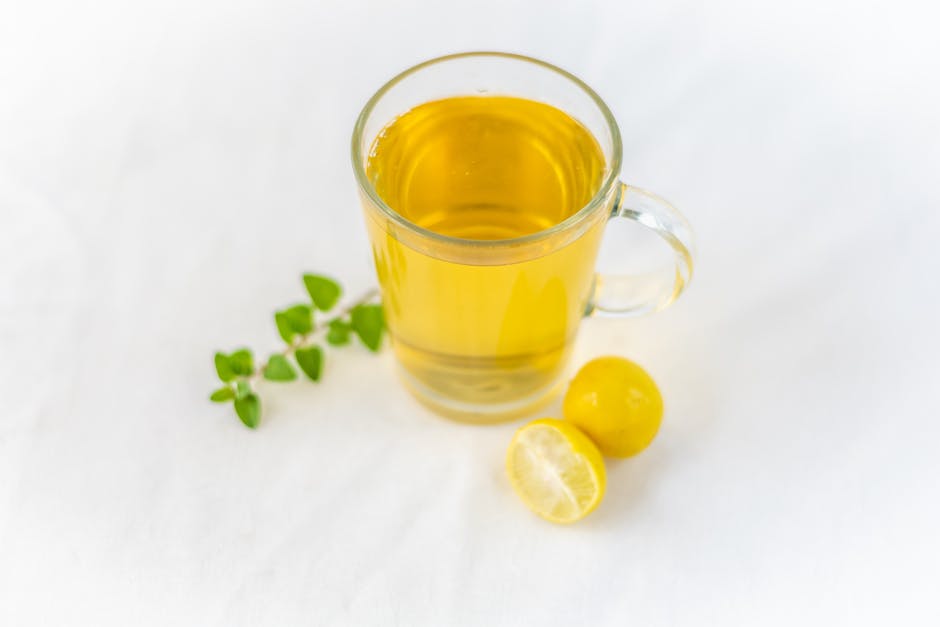
Lemon balm, scientifically known as Melissa officinalis, has been traditionally valued for its calming effects on the stomach and its potential to ease digestive discomfort. This herb belongs to the mint family and is known for its mild lemon scent and flavor. Research suggests that lemon balm contains compounds such as rosmarinic acid and flavonoids, which are believed to contribute to its calming effects on the digestive system. These components may help relax the smooth muscles of the gastrointestinal tract, potentially reducing symptoms such as cramping and indigestion.
6.2 The Role of Lemon Balm in Stress-Related Digestive Issues
Stress is a common contributor to digestive issues, including those experienced by individuals with GERD. Lemon balm is believed to have anxiolytic properties, which may help in managing stress and its associated digestive symptoms. By promoting relaxation and reducing stress levels, lemon balm tea may support digestion and alleviate discomfort caused by stress-induced gastrointestinal disturbances. This dual action makes lemon balm a popular choice among herbal teas for those looking to address both emotional and physical aspects of digestive health.
6.3 Insights from Recent Clinical Studies
Recent clinical studies have started to shed light on the potential benefits of lemon balm tea for digestive health. While more research is needed, preliminary findings indicate that lemon balm may positively influence gastrointestinal function by enhancing the activity of certain neurotransmitters involved in muscle relaxation. These studies also explore the herb's potential to improve overall digestive comfort and quality of life, particularly in individuals experiencing stress-related digestive issues. As scientific interest in lemon balm continues to grow, further research may provide deeper insights into its mechanisms and efficacy.
6.4 Considerations for Use
While lemon balm tea is generally considered safe for most individuals, it is important to consider personal health conditions and potential interactions with medications. Individuals who are pregnant, nursing, or taking medication for thyroid disorders should consult with a healthcare provider before incorporating lemon balm tea into their routine. Additionally, those with allergies to plants in the mint family should exercise caution. Consulting with a healthcare professional can help ensure that lemon balm tea is a suitable and beneficial addition to an individual's digestive health strategy.
7. Brewing the Perfect Cup: Techniques and Tips

7.1 Understanding Herbal Tea Basics
Herbal teas have long been appreciated for their potential health benefits, particularly in supporting digestive health. To maximize these benefits, it's important to understand the basic principles of brewing herbal teas. Unlike true teas, herbal teas are infusions made from the leaves, flowers, seeds, or roots of various plants. Each type of herbal tea has its own unique flavor profile and set of beneficial properties. Proper brewing techniques are essential to extract these benefits effectively.
7.2 Optimal Steeping Times and Temperatures
The steeping time and temperature of the water are crucial factors that can influence the flavor and efficacy of herbal teas. Here are some general guidelines for popular digestive herbal teas:
- Chamomile Tea: Best steeped at a temperature just below boiling, around 200°F (93°C), for 5-10 minutes. Chamomile is known for its soothing properties and can aid in reducing digestive discomfort.
- Peppermint Tea: Steep at 212°F (100°C) for 5-7 minutes. Peppermint tea is often used to alleviate symptoms of indigestion and bloating.
- Ginger Tea: Brewed with boiling water, ginger tea should steep for 5-10 minutes. It is renowned for its ability to support digestion and reduce nausea.
- Lemon Balm Tea: Steep at 200°F (93°C) for 5-10 minutes. Lemon balm can help calm the stomach and reduce stress-related digestive issues.
- Fennel Tea: Best steeped at 200°F (93°C) for 5-10 minutes. Fennel is believed to support digestion and alleviate bloating and gas.
7.3 Techniques for Enhancing Flavor and Benefits
To further enhance the flavor and potential benefits of herbal teas, consider the following techniques:
- Use Fresh, High-Quality Ingredients: Whenever possible, use fresh or high-quality dried herbs. This ensures the fullest flavor and the most potent health benefits.
- Cover Your Tea While Steeping: Covering the tea while it steeps helps to trap essential oils and beneficial compounds, enhancing both the aroma and efficacy of the tea.
- Experiment with Blends: Combining different herbs can create unique flavors and potentially enhance the digestive benefits. For example, blending chamomile and peppermint can create a soothing and refreshing brew.
7.4 Tips for Personalized Brews
Creating a personalized herbal tea experience can make the process more enjoyable and beneficial:
- Adjust Steeping Times: If you find the tea too strong or weak, adjust the steeping time to suit your personal taste preferences.
- Add Natural Sweeteners: If desired, add a touch of honey or a slice of lemon to enhance the flavor without overpowering the herbal notes.
- Mindful Consumption: Enjoy your tea in a calm setting to maximize its soothing effects, particularly if stress is a factor in your digestive issues.
By understanding and applying these techniques, individuals seeking to improve their digestive health with herbal teas can brew the perfect cup and enjoy both the flavorful experience and the potential health benefits. Always remember to consult with a healthcare provider when incorporating new herbal teas into your regimen, particularly if you have underlying health conditions or are taking medications.
8. Potential Side Effects and Precautions

Herbal teas are generally considered safe for most people; however, they may cause side effects or interact with medications in some cases. Understanding these potential risks is crucial for safe consumption. This section explores possible side effects and offers guidance on precautions when consuming herbal teas, particularly for individuals with GERD or other digestive issues.
8.1 Common Side Effects
While many people enjoy herbal teas without incident, some individuals may experience side effects. These can vary depending on the specific tea and individual sensitivities:
- Gastrointestinal Discomfort: Some herbal teas, like peppermint, may relax the lower esophageal sphincter, potentially increasing symptoms of acid reflux in GERD sufferers.
- Allergic Reactions: Individuals allergic to plants in the Asteraceae family, such as ragweed, may also react to chamomile tea with symptoms like skin rashes or respiratory issues.
- Herbal Interactions: Herbal teas like ginger might affect blood clotting, which could be a concern for those on anticoagulant medications.
8.2 Interactions with Medications
Herbal teas can interact with medications, potentially altering their effectiveness or increasing the risk of adverse effects. It is important to be aware of these interactions:
- Blood Pressure Medications: Some herbal teas, such as hibiscus, are believed to lower blood pressure and could enhance the effects of antihypertensive drugs.
- Diabetes Medications: Certain herbs, like fenugreek, may lower blood sugar levels, which could interfere with diabetes medications.
- Antidepressants: St. John's Wort tea is known to interact with a wide range of medications, including antidepressants, potentially leading to severe side effects.
8.3 Guidance for Safe Consumption
To minimize risks and ensure safe consumption of herbal teas, consider the following guidelines:
- Consult a Healthcare Professional: Before introducing new herbal teas, particularly if you have existing health conditions or are on medication, consult with a healthcare provider.
- Moderation is Key: Enjoying herbal teas in moderation can help prevent adverse effects and interactions.
- Monitor for Symptoms: Pay attention to how your body reacts to different herbal teas and discontinue use if you experience any negative symptoms.
By understanding the potential side effects and taking necessary precautions, individuals can safely incorporate herbal teas into their daily routines, potentially benefiting their digestive health without undue risk. Always prioritize open communication with healthcare providers to tailor herbal tea consumption to your specific health needs.
9. Conclusion: Embracing Herbal Teas for Stomach Relief

In conclusion, the exploration of herbal teas and their benefits for digestive health highlights their potential role in providing stomach relief. Herbal teas, such as ginger, chamomile, and peppermint, have long been cherished in various cultures for their soothing properties and ability to support digestive wellness.
9.1 Summary of Benefits
Herbal teas are believed to offer numerous advantages for individuals suffering from digestive issues, including GERD. Research suggests that:
- Ginger tea may aid in reducing nausea and improving digestion.
- Chamomile tea is thought to have calming effects on the stomach and help alleviate symptoms of indigestion.
- Peppermint tea might support digestive comfort, though it should be consumed cautiously by those with GERD.
These teas, among others, provide a natural and enjoyable way to potentially enhance digestive health when consumed mindfully.
9.2 Encouragement to Incorporate Herbal Teas
Embracing herbal teas as part of a daily wellness routine could be a beneficial step for those seeking natural remedies for digestive discomfort. However, it is critical to approach their use with awareness of potential side effects and interactions, particularly if underlying health conditions or medications are involved.
For optimal results, individuals are encouraged to:
- Consult with healthcare professionals to ensure compatibility with existing health conditions and medications.
- Enjoy herbal teas in moderation to avoid adverse effects.
- Monitor personal responses to different teas and adjust consumption accordingly.
9.3 Final Thoughts
Incorporating herbal teas into one's lifestyle can be a delightful and health-promoting practice. By understanding their benefits and potential risks, individuals can make informed choices that align with their health objectives. As with any wellness strategy, personalized advice from healthcare providers remains invaluable in tailoring herbal tea consumption to individual needs.
Ultimately, with mindful consumption and an informed approach, herbal teas can serve as a soothing companion on the journey to improved digestive health and overall well-being.