1. Understanding Digestive Health and Herbal Infusions
1.1 The Importance of Digestive Health
Digestive health is a cornerstone of overall well-being, impacting everything from nutrient absorption to immune function. The digestive system comprises a complex network of organs that work together to break down food, absorb nutrients, and expel waste. Maintaining its health is crucial, as disruptions can lead to a range of issues, including discomfort, nutritional deficiencies, and compromised immunity.
Common digestive problems, such as acid reflux, bloating, and indigestion, can significantly affect daily life. These issues often arise from factors like diet, stress, and lifestyle choices. Addressing them involves understanding their root causes and exploring various strategies to promote digestive comfort and function.
1.2 The Role of Herbal Infusions in Digestive Health
Herbal infusions have long been utilized as natural remedies to support digestive health. They are made by steeping herbs in hot water, allowing the beneficial compounds to be extracted and consumed. Many herbs are believed to offer soothing effects, reduce inflammation, and support healthy digestion.
For instance, herbs like ginger, chamomile, and peppermint are commonly used to alleviate symptoms of digestive discomfort. Ginger is known for its potential to ease nausea and promote gastric motility, while chamomile is often used for its calming effects on the digestive tract. Peppermint is believed to help relieve symptoms of irritable bowel syndrome (IBS) by relaxing the muscles of the gastrointestinal tract.
1.3 Benefits of Natural Remedies
Natural remedies, including herbal infusions, are gaining popularity due to their potential benefits and lower risk of side effects compared to some pharmaceuticals. They offer a holistic approach to health by addressing the body as a whole rather than just targeting symptoms. This perspective can be particularly beneficial for chronic digestive issues where the underlying causes may be multifaceted.
Research suggests that incorporating herbal infusions into daily routines may support digestive health by providing antioxidants, reducing inflammation, and promoting balance within the digestive system. However, it is important to approach these remedies with informed caution, considering individual health conditions and potential interactions with medications.
Overall, herbal infusions represent a promising avenue for those seeking natural ways to enhance their digestive comfort. By understanding the unique properties of different herbs and integrating them wisely into health regimens, individuals can potentially improve their digestive well-being in a natural and supportive manner.
2. Key Ingredients for a Stomach-Soothing Herbal Infusion
2.1 The Benefits of Ginger
Ginger, a root often celebrated for its culinary uses, is also renowned for its potential digestive benefits. Scientific studies suggest that ginger may help in alleviating nausea and promoting gastric motility. This makes it a popular choice for those experiencing digestive discomfort. The active compounds in ginger, known as gingerols and shogaols, are believed to aid in reducing inflammation and soothing the digestive tract.
2.2 The Soothing Effects of Peppermint
Peppermint is another key ingredient in herbal infusions aimed at supporting digestive health. It is particularly noted for its potential to relieve symptoms associated with irritable bowel syndrome (IBS). Research indicates that peppermint oil may help relax the muscles of the gastrointestinal tract, thus reducing symptoms like bloating and abdominal pain. Additionally, peppermint is believed to have calming effects on the digestive system, making it a beneficial component of a soothing herbal infusion.
2.3 Chamomile's Calming Properties
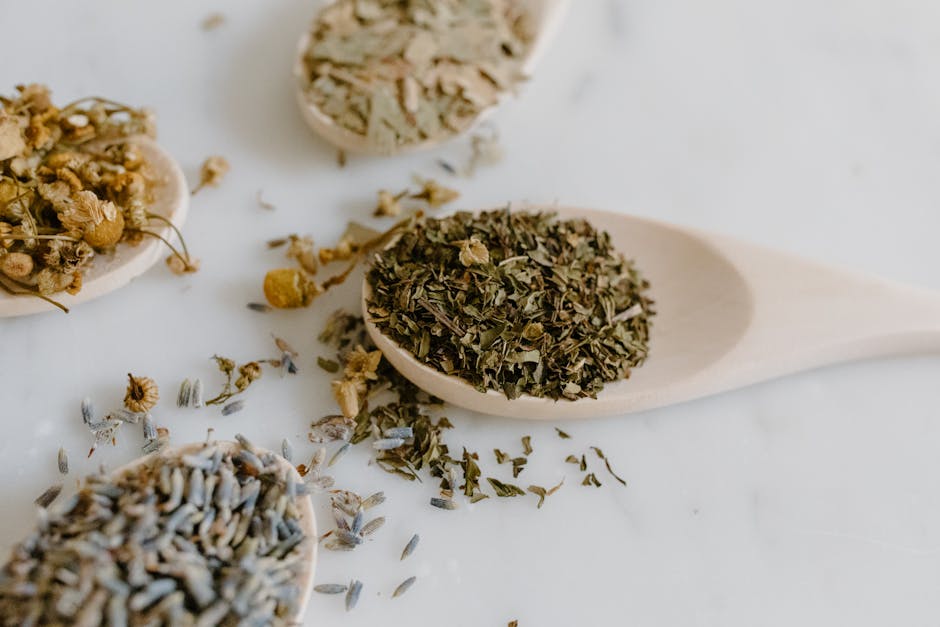
Chamomile, a gentle and widely used herb, is often included in herbal infusions for its calming effects on the digestive system. It is believed to help reduce inflammation and relax the muscles of the digestive tract, potentially easing symptoms of indigestion and bloating. Scientific studies also suggest that chamomile may support overall gastrointestinal health, making it an excellent choice for those seeking natural digestive relief.
2.4 Combining Herbs for Enhanced Benefits
While each of these herbs offers unique digestive benefits, combining them in a herbal infusion may enhance their overall efficacy. The synergistic effects of ginger, peppermint, and chamomile may provide a more comprehensive approach to soothing the stomach and supporting digestive health. Creating a blend that leverages the strengths of each herb can result in a potent infusion that promotes comfort and well-being.
In conclusion, incorporating these key ingredients into a stomach-soothing herbal infusion may offer natural support for digestive health. While research supports their potential benefits, it is important to consider individual health circumstances and consult with healthcare professionals when integrating herbal remedies into wellness regimens.
3. Crafting Your Personalized Herbal Blend

Creating a personalized herbal blend for digestive health is an art that combines knowledge of herbal properties with individual preferences and needs. By understanding the characteristics of different herbs and how they can be combined, individuals can craft a soothing infusion tailored to their unique digestive requirements. This section explores the principles of blending herbs and emphasizes the importance of creating a balanced and effective mixture.
3.1 Understanding Herbal Synergy
The concept of herbal synergy is central to crafting a personalized blend. Herbal synergy refers to the idea that the combined effects of multiple herbs can be greater than the sum of their individual effects. By carefully selecting herbs that complement each other, individuals can enhance the overall efficacy of their infusion. For instance, combining ginger with peppermint and chamomile can create a powerful blend that addresses multiple aspects of digestive health, such as reducing inflammation, soothing the digestive tract, and alleviating discomfort.
3.2 Selecting Herbs for Your Blend
When selecting herbs for a personalized blend, it is crucial to consider the specific digestive issues one aims to address. Some herbs, like ginger and peppermint, are particularly effective for nausea and bloating, while chamomile is known for its calming effects. Individuals should also take into account any personal preferences regarding taste and aroma, as these factors can significantly influence the enjoyment and regular use of the infusion.
3.3 Balancing Proportions
Achieving the right balance of herbs in a blend is essential for maximizing its benefits. While there are no strict rules for proportions, a common approach is to start with a base herb that addresses the primary digestive concern, and then add smaller amounts of complementary herbs. For example, one might use ginger as the primary component for its potent digestive properties, and then add peppermint and chamomile in lesser quantities to enhance the blend’s soothing and calming effects. Experimentation and personal preference play key roles in determining the ideal proportions.
3.4 Testing and Adjusting Your Blend
Once a blend has been crafted, it is important to test and adjust it based on personal response and effectiveness. Individuals should observe how their body responds to the infusion and make any necessary adjustments to the herb selection or proportions. This iterative process allows for the creation of a truly personalized blend that caters to one's specific digestive needs. It is recommended to keep a journal to track responses and any changes made to the blend over time.
3.5 Safety and Consultation
While crafting a personalized herbal blend can be an empowering and beneficial practice, it is essential to approach it with caution. Individuals should be aware of potential allergies or interactions with medications they may be taking. Consulting with a healthcare professional or a trained herbalist can provide valuable guidance and ensure that the chosen herbs are safe and appropriate for individual health conditions. This step is crucial in creating a blend that is both effective and safe.
In conclusion, crafting a personalized herbal blend for digestive health is a dynamic and rewarding process. By understanding the principles of herbal synergy, selecting the right herbs, balancing proportions, and testing the blend, individuals can create a soothing infusion tailored to their unique needs. With informed caution and professional guidance, these blends may offer a natural and supportive approach to enhancing digestive well-being.
4. Step-by-Step Guide to Preparing Your Herbal Infusion
4.1 Selecting High-Quality Ingredients
To create an effective herbal infusion, selecting high-quality ingredients is paramount. Opt for organic herbs wherever possible, as they are less likely to contain pesticides or artificial additives. Freshness is also crucial; dried herbs should be aromatic and vibrant in color, indicating potency and flavor. Purchasing from reputable suppliers or trusted herbalists can help ensure you receive the best possible ingredients.
4.2 Measuring and Mixing the Herbs
Once you have gathered your herbs, the next step is to measure and mix them according to your desired blend. Use a clean, dry spoon or scale to measure the herbs, adhering to the proportions established during your testing phase. Gently mix the ingredients in a bowl to ensure even distribution, which helps maintain consistency in each infusion.
4.3 Preparing the Water
Water quality can significantly impact the final infusion. Use filtered or spring water for the best results. Bring the water to a boil and then allow it to cool slightly; extremely hot water can damage the delicate compounds in some herbs, reducing their effectiveness. The ideal temperature varies depending on the herbs used, but generally, water should be just under boiling.
4.4 Brewing the Infusion
Place the mixed herbs in a teapot or infuser, and pour the heated water over them. Cover the pot to trap steam and essential oils. Allow the infusion to steep for 5 to 15 minutes, depending on your taste preference and the strength desired. Longer steeping times generally result in a more potent brew.
4.5 Straining and Serving
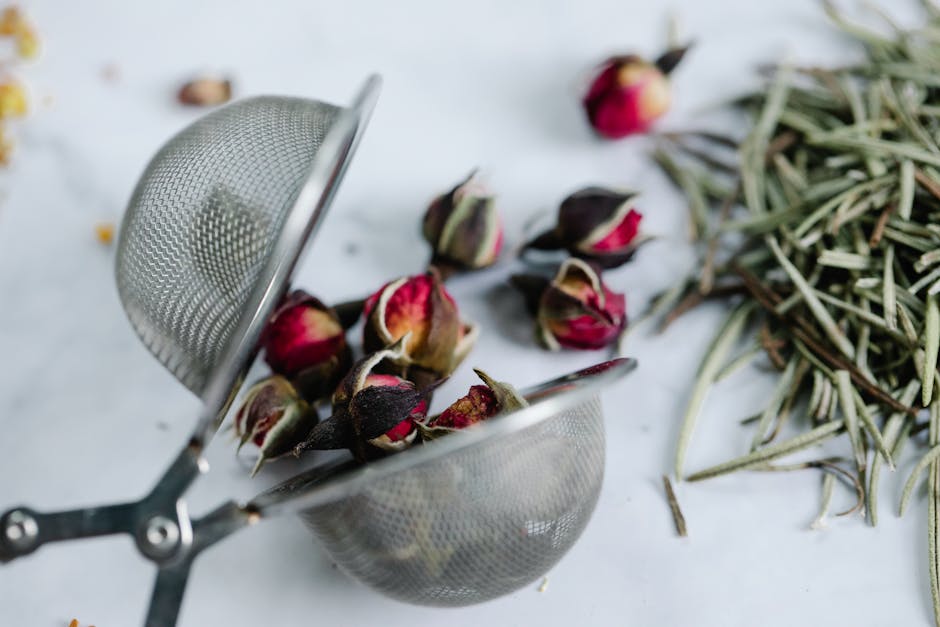
After steeping, strain the infusion using a fine mesh strainer or cheesecloth to remove the herbs. Serve the infusion in a cup, and enjoy it while warm for optimal flavor and effect. If desired, natural sweeteners like honey or stevia can be added. Remember, the taste and aroma should be pleasant, encouraging regular consumption.
4.6 Storing Leftover Infusion
If you have prepared more infusion than needed, store the leftover liquid in an airtight container in the refrigerator. Most herbal infusions can be kept for up to 48 hours. Reheat gently before consuming to preserve the delicate flavors and compounds.
By following these steps, individuals can prepare a herbal infusion that not only tastes great but also maximizes the potential health benefits of the chosen herbs. This process highlights the importance of quality, attention to detail, and personal preference in crafting a truly effective and enjoyable herbal remedy for digestive support.
5. Safe Consumption Practices and Potential Side Effects

5.1 Importance of Safe Consumption Practices
When incorporating herbal infusions into a wellness routine, understanding safe consumption practices is vital. Research suggests that while herbal infusions can support digestive health, overconsumption or incorrect use might lead to adverse effects. It is recommended to start with small amounts and gradually increase the intake, paying close attention to how the body responds.
5.2 Recognizing Potential Side Effects
Although herbal infusions are generally considered safe, they are not without potential side effects. Some individuals may experience mild symptoms such as digestive upset, allergic reactions, or interactions with medications. It is essential to monitor any changes in health and consult with a healthcare professional if side effects persist or worsen.
5.3 Who Should Avoid Certain Herbs
Certain populations should exercise caution when using specific herbs. For example, pregnant or breastfeeding individuals, those with chronic health conditions, or those taking prescription medications should consult a healthcare provider before consuming herbal infusions. Some herbs may interact with medications or affect medical conditions, highlighting the importance of professional guidance.
5.4 General Guidelines for Herbal Infusion Consumption
- Begin with a small serving to assess tolerance.
- Observe how the body reacts and adjust the intake accordingly.
- Consult with a healthcare professional, especially if taking other medications or supplements.
- Avoid consuming large quantities in a short period to prevent adverse reactions.
By adhering to these safe consumption practices, individuals can enjoy the potential benefits of herbal infusions while minimizing the risk of side effects. It is essential to approach herbal remedies with informed caution, ensuring that the journey toward digestive well-being is both safe and effective.
6. Enhancing Digestive Health with Lifestyle and Diet

6.1 Mindful Eating Practices
Mindful eating is believed to be a powerful tool in promoting digestive health. By paying close attention to the eating process, individuals can foster a better relationship with food and potentially reduce digestive discomfort. Research suggests that eating slowly and savoring each bite can enhance digestion by allowing the digestive system sufficient time to process food efficiently. Chewing thoroughly, pausing between bites, and focusing on the sensory experience of eating can also support the digestive process.
6.2 Stress Management Techniques
Stress management is another crucial aspect of enhancing digestive health. Chronic stress is known to negatively impact the digestive system, potentially exacerbating symptoms of conditions like GERD. Techniques such as deep breathing exercises, meditation, and yoga may help reduce stress levels, thereby promoting a healthier digestive system. Regular physical activity, adequate sleep, and engaging in hobbies or activities that bring joy and relaxation are also recommended to manage stress effectively.
6.3 The Role of Probiotics
Probiotics have gained attention for their potential role in supporting digestive health. These beneficial bacteria are believed to help balance the gut microbiota, which can have a positive impact on digestion and overall well-being. Incorporating probiotic-rich foods such as yogurt, kefir, sauerkraut, and other fermented products into the diet may support a healthy digestive system. Additionally, probiotic supplements are available, but it's advisable to consult with a healthcare provider to determine the most suitable options.
In summary, a holistic approach to digestive health encompasses more than just herbal remedies. By integrating mindful eating practices, effective stress management, and probiotics into one's lifestyle, individuals may enhance their digestive well-being. These complementary strategies can work synergistically to support a healthy digestive system and improve quality of life for those experiencing digestive challenges.