1. Introduction to Fennel Seeds
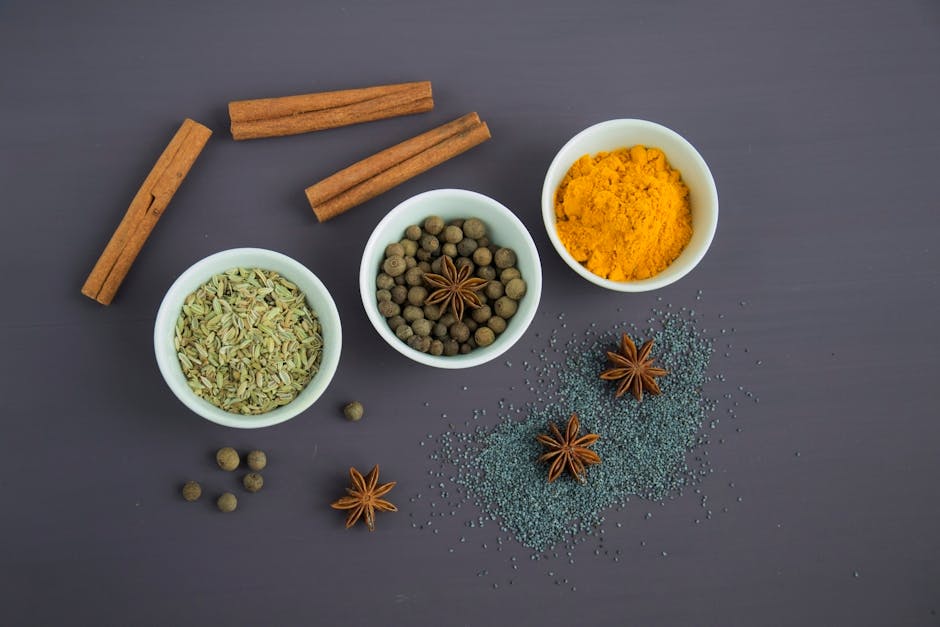
Fennel seeds, known for their distinct anise-like flavor, are small, aromatic seeds derived from the fennel plant (Foeniculum vulgare). These seeds have been valued for centuries for their culinary and medicinal properties. Originating from the Mediterranean region, fennel seeds have found their way into various cultures worldwide, revered for their potential health benefits, particularly in promoting digestive wellness.
1.1 Historical Significance and Traditional Uses
Historically, fennel seeds have played a significant role in ancient medicine. In traditional Chinese, Indian, and Middle Eastern practices, these seeds were commonly used to alleviate digestive issues and enhance overall well-being. Often chewed after meals, fennel seeds were believed to aid digestion, reduce bloating, and freshen breath. Their use in traditional remedies highlights the enduring belief in their therapeutic potential.
1.2 Cultural Roles in Digestive Health
Across diverse cultures, fennel seeds have been incorporated into daily routines to support digestive health. In India, for instance, they are a staple post-meal offering, known as "mukhwas," meant to assist digestion and refresh the palate. In Italy and France, fennel is a key ingredient in herb blends like herbes de Provence, utilized to enhance the flavor of dishes while subtly aiding digestion. This widespread cultural adoption underscores the seeds' perceived benefits in maintaining digestive comfort and balance.
Research suggests that fennel seeds may support digestive health by relaxing gastrointestinal muscles and reducing gas production. While these traditional uses are widely recognized, it is essential to consult with healthcare providers before significantly incorporating fennel seeds into your diet, especially if you have existing health conditions or are taking medication.
2. Nutritional Profile of Fennel Seeds

Fennel seeds are not only valued for their unique flavor but also for their rich nutritional profile. These seeds are packed with a variety of vitamins, minerals, antioxidants, and essential oils that may contribute to their reputation as a digestive aid.
2.1 Vitamins and Minerals
Fennel seeds are a source of several important vitamins and minerals. They contain vitamin C, which is known for its antioxidant properties, supporting the immune system and promoting overall health. Additionally, fennel seeds provide essential minerals such as calcium, iron, magnesium, and potassium, each playing a critical role in maintaining bodily functions. For instance, calcium is vital for bone health, while iron is crucial for the formation of red blood cells.
2.2 Antioxidants
Rich in antioxidants, fennel seeds may help combat oxidative stress in the body. These antioxidants, including flavonoids and phenolic compounds, are believed to neutralize free radicals, potentially reducing the risk of chronic diseases and supporting overall health. The presence of these compounds in fennel seeds underscores their potential in promoting a balanced diet and enhancing digestive wellness.
2.3 Essential Oils
Fennel seeds contain essential oils, such as anethole, fenchone, and estragole, which are responsible for their distinct aroma and taste. These oils are believed to have carminative properties, which may help in reducing bloating and gas, thus supporting digestive health. Anethole, in particular, is noted for its potential anti-inflammatory effects, which could further contribute to gastrointestinal comfort.
Incorporating fennel seeds into your diet may offer potential digestive benefits, thanks to their comprehensive nutritional profile. However, it is important to consult with healthcare professionals to ensure that their consumption aligns with your individual health needs and conditions.
3. Mechanism of Action: How Fennel Seeds Aid Digestion

3.1 Interaction with Gastric Enzymes
Research suggests that one of the primary ways fennel seeds facilitate digestion is through their interaction with gastric enzymes. These enzymes are crucial for breaking down food into nutrients that the body can absorb. Fennel seeds contain compounds that may stimulate the secretion and activity of these enzymes, thereby enhancing the digestive process. The presence of essential oils such as anethole in fennel seeds is believed to boost enzyme activity, potentially leading to improved digestion and nutrient absorption.
3.2 Enhancement of Intestinal Motility
Intestinal motility, or the movement of the digestive tract, plays a vital role in digestion by ensuring the smooth transit of food through the intestines. Fennel seeds are believed to aid in enhancing intestinal motility by relaxing the smooth muscles of the gastrointestinal tract. This effect is attributed to the carminative properties of the essential oils found in fennel seeds, particularly anethole and fenchone. By promoting muscle relaxation, fennel seeds may help reduce symptoms of bloating and discomfort, supporting a more efficient digestive process.
3.3 Alleviation of Gas and Bloating
Gas and bloating are common digestive complaints that can cause significant discomfort. Fennel seeds are traditionally used to alleviate these symptoms due to their potential ability to reduce gas production in the intestines. The essential oils in fennel seeds may help to expel gas from the digestive tract, providing relief from bloating. This carminative effect, combined with the seeds' ability to promote intestinal motility, underscores their role in supporting digestive wellness and comfort.
While the traditional use of fennel seeds as a digestive aid is supported by cultural practices and some scientific research, individuals should consider consulting healthcare professionals before making significant dietary changes, particularly if they have pre-existing health conditions or are on medication. Understanding the mechanism of action of fennel seeds can provide insight into their potential benefits and help guide their safe and effective use in promoting digestive health.
4. Evidence-Based Benefits of Fennel Seeds for Stomach Relief
4.1 Alleviation of Bloating and Gas
Fennel seeds are often highlighted in scientific studies for their potential to relieve bloating and gas. Research suggests that the carminative properties of fennel seeds, primarily derived from compounds such as anethole, may help in reducing gas production within the intestines. A clinical trial published in the "Journal of Ethnopharmacology" demonstrated that participants who consumed fennel seed extracts experienced a significant reduction in bloating and gas compared to those who received a placebo. These findings support the traditional use of fennel seeds in easing digestive discomfort, particularly in relation to bloating and gas.
4.2 Efficacy in Reducing Indigestion
Indigestion is another common digestive issue that fennel seeds may help alleviate. A study published in the "European Journal of Medical Research" investigated the effects of fennel seed extracts on individuals suffering from indigestion. The results indicated a noticeable improvement in digestive symptoms among participants who consumed fennel seeds, suggesting their potential role in enhancing digestive efficiency. The study hypothesized that the essential oils in fennel seeds might stimulate the secretion of digestive enzymes, improving overall digestion and reducing symptoms of indigestion.
4.3 Contribution to Gastrointestinal Comfort
Beyond alleviating specific digestive issues, fennel seeds may contribute to overall gastrointestinal comfort. A randomized controlled trial published in "Phytotherapy Research" examined the impact of fennel seed supplementation on gastrointestinal health. Participants reported a general improvement in digestive well-being, including reduced discomfort and increased regularity in bowel movements. The study concluded that fennel seeds might support gastrointestinal health by promoting a balanced digestive environment, potentially due to their anti-inflammatory and antimicrobial properties.
While these studies provide promising insights into the potential benefits of fennel seeds for stomach relief, it is important to consider that individual results may vary. The therapeutic effects of fennel seeds are still being explored, and further research is needed to fully understand their impact on digestive health. Individuals interested in incorporating fennel seeds into their diet for digestive relief should consult with healthcare professionals to ensure it aligns with their personal health needs and conditions.
5. Comparing Fennel Seeds with Other Digestive Aids

5.1 Fennel Seeds vs. Ginger
Ginger is a widely recognized natural remedy for digestive issues, often compared to fennel seeds due to its similar soothing properties. Research suggests that ginger may help alleviate nausea, reduce stomach discomfort, and promote digestion through its active compounds, such as gingerol and shogaol. While both ginger and fennel seeds offer carminative effects, ginger is particularly noted for its anti-nausea benefits. On the other hand, fennel seeds excel in reducing bloating and gas. Both herbs may be beneficial, but their unique properties make them suited for different digestive concerns.
5.2 Fennel Seeds vs. Peppermint Oil
Peppermint oil is another natural digestive aid known for its ability to relax the gastrointestinal tract, which may help relieve symptoms of irritable bowel syndrome (IBS) and indigestion. The menthol in peppermint oil has a relaxing effect on smooth muscle, potentially easing spasms and discomfort. In contrast, fennel seeds are believed to offer antimicrobial and anti-inflammatory benefits, which may contribute to gastrointestinal comfort. While peppermint oil is often used in managing IBS symptoms, fennel seeds may provide broader support for general digestive health.
5.3 Fennel Seeds vs. Probiotics
Probiotics are live microorganisms that, when consumed in adequate amounts, may confer health benefits, particularly for gut health. They are believed to promote a healthy balance of gut bacteria, which can enhance digestion and improve immune function. In contrast, fennel seeds do not contain live bacteria but may support digestive health through their potential to reduce gas and bloating. While probiotics focus on maintaining gut flora, fennel seeds may be more effective at providing immediate relief from digestive discomfort.
5.4 Fennel Seeds vs. Over-the-Counter (OTC) Antacids
OTC antacids are commonly used to neutralize stomach acid and provide relief from heartburn and indigestion. These medications offer quick relief but do not address the root causes of digestive issues. Fennel seeds, however, may support long-term digestive health by promoting enzyme secretion and reducing bloating. While antacids are effective for acute symptoms, fennel seeds might offer a more holistic approach to supporting digestive well-being over time. It is important for individuals to consider their specific needs and consult healthcare professionals when choosing between natural and pharmaceutical options.
The comparison of fennel seeds with other digestive aids highlights the unique benefits and potential drawbacks of each option. While fennel seeds offer promising digestive support, individual responses can vary, and it is essential to tailor digestive health strategies to personal health conditions and preferences. Consulting with a healthcare professional can help ensure safe and effective use of these aids.
6. How to Incorporate Fennel Seeds into Your Diet

6.1 Adding Fennel Seeds to Meals
Incorporating fennel seeds into daily meals can be a flavorful and beneficial way to support digestive health. They can be sprinkled over salads, added to soups, or used as a seasoning in a variety of dishes. Their sweet, anise-like flavor complements both savory and sweet recipes, making them a versatile ingredient in the kitchen. For those who enjoy baking, fennel seeds can be included in bread or pastry recipes, offering a subtle aromatic quality.
6.2 Fennel Seed Tea
Fennel seed tea is a simple and soothing beverage that may aid digestion. To make fennel tea, steep a teaspoon of crushed fennel seeds in hot water for about 10 minutes. This infusion can be enjoyed warm or cold, and it is often consumed after meals to help alleviate bloating and promote digestive comfort. Adding a touch of honey or lemon can enhance the flavor and add additional soothing properties.
6.3 Fennel Seeds in Smoothies
For a refreshing twist, fennel seeds can be blended into smoothies. This method allows for easy integration of fennel's digestive benefits into a nutritious drink. Simply add a small amount of fennel seeds to your favorite smoothie ingredients, such as fruits, greens, and yogurt, to create a delicious and healthful beverage. The seeds can be ground beforehand to ensure a smooth texture.
6.4 Homemade Fennel Seed Remedies
Fennel seeds can also be used in homemade remedies to potentially support digestive health. For instance, a fennel seed and ginger infusion may combine the benefits of both ingredients, offering a natural way to address digestive discomfort. By soaking fennel seeds overnight and consuming the strained water in the morning, individuals may experience digestive relief. However, it is important to note that individual reactions can vary, and consulting with a healthcare professional is advised.
6.5 Fennel Seeds as a Snack
For a quick and simple way to enjoy fennel seeds, they can be roasted and eaten as a snack. Roasting enhances their flavor, making them a tasty and convenient option for those looking to include fennel seeds in their diet. They can be consumed on their own or mixed with other seeds and nuts for a nutritious snack mix.
These practical tips demonstrate various ways to incorporate fennel seeds into daily routines, potentially enhancing digestive health through natural means. As with any dietary change, individuals should consider their personal health needs and consult with healthcare professionals when integrating new ingredients into their diet.
7. Precautions and Potential Side Effects

7.1 Understanding Potential Side Effects
While fennel seeds are generally considered safe for most individuals, it is important to be aware of potential side effects that may occur with their consumption. Some people may experience allergic reactions, which can manifest as skin rashes, itching, or swelling. Additionally, fennel seeds may cause digestive issues such as nausea or diarrhea in sensitive individuals, particularly when consumed in large quantities.
7.2 Allergic Reactions and Sensitivities
Fennel seeds belong to the Apiaceae family, which includes other herbs and spices like celery, carrot, and parsley. Individuals with allergies to these plants should exercise caution when consuming fennel seeds, as cross-reactivity is possible. Symptoms of an allergic reaction can range from mild to severe, and immediate medical attention may be necessary if symptoms such as difficulty breathing or swelling of the face or throat occur.
7.3 Interactions with Medications
Research suggests that fennel seeds may interact with certain medications due to their potential estrogenic effects. This interaction could affect medications such as hormone therapy, birth control pills, or medications that are broken down by the liver. Individuals taking these medications should consult with a healthcare professional before incorporating fennel seeds into their diet to avoid any adverse interactions.
7.4 Considerations for Pregnant and Nursing Women
Pregnant and nursing women should approach fennel seed consumption with caution. Although fennel tea is traditionally used to support lactation, excessive intake may pose risks. It is crucial for pregnant or breastfeeding women to consult with their healthcare provider to determine an appropriate amount that aligns with their health needs and conditions.
7.5 Importance of Moderation
Moderation is key when incorporating fennel seeds into one's diet. While they offer potential digestive benefits, excessive consumption can lead to unwanted side effects. By consuming fennel seeds in limited quantities and monitoring individual responses, individuals can enjoy their potential health benefits while minimizing risks.
7.6 Consulting with Healthcare Professionals
As with any dietary change, it is advisable to consult with a healthcare professional before integrating fennel seeds into one's dietary regimen, especially for individuals with pre-existing health conditions or those taking medications. Healthcare professionals can provide personalized guidance and ensure that the incorporation of fennel seeds is safe and suitable for individual health circumstances.
Understanding the precautions and potential side effects associated with fennel seed consumption is essential for making informed dietary choices. By being mindful of these factors and seeking professional advice, individuals can safely enjoy the digestive benefits that fennel seeds may offer.
8. Conclusion: The Role of Fennel Seeds in Digestive Health

8.1 Summary of Digestive Benefits
Fennel seeds have long been celebrated for their potential to support digestive health. Research suggests that they may aid in alleviating symptoms such as bloating, indigestion, and gas, contributing to overall digestive well-being. The seeds are believed to possess carminative properties, which can help in the expulsion of gas from the intestines, thus reducing discomfort.
8.2 Therapeutic Potential as a Natural Remedy
As a natural remedy, fennel seeds offer several therapeutic potentials. Their use in traditional medicine for soothing the stomach and enhancing digestion highlights their longstanding role in natural health practices. Additionally, their potential antimicrobial and anti-inflammatory properties may further support gastrointestinal health.
8.3 Importance of Caution and Professional Guidance
While fennel seeds can be a beneficial addition to a digestive health regimen, it is crucial to be mindful of potential side effects and interactions with medications. Individuals should approach their consumption with moderation and consult healthcare professionals, especially if they have underlying health conditions or are pregnant or nursing.
8.4 Informed Dietary Choices for Optimal Health
Incorporating fennel seeds into one's diet should be done thoughtfully and informed by professional advice. By understanding the potential benefits and risks, individuals can make informed dietary choices that align with their health needs. This cautious approach enables the safe enjoyment of the digestive benefits fennel seeds may offer.
In conclusion, fennel seeds hold a place as a natural remedy that may support digestive health. By considering both their benefits and precautions, individuals can harness their potential to promote stomach relief and enhance overall digestive well-being.