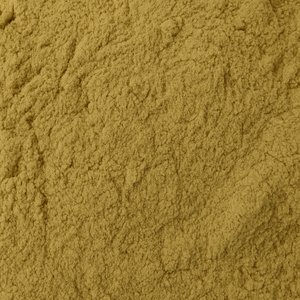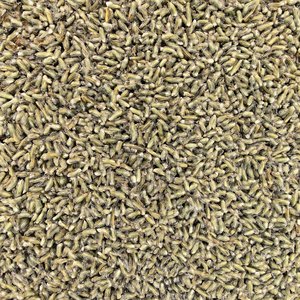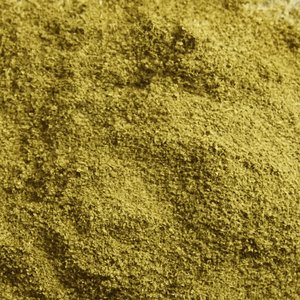
Lemon Balm Herb Cut
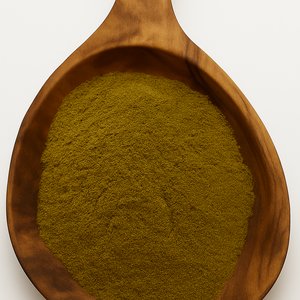
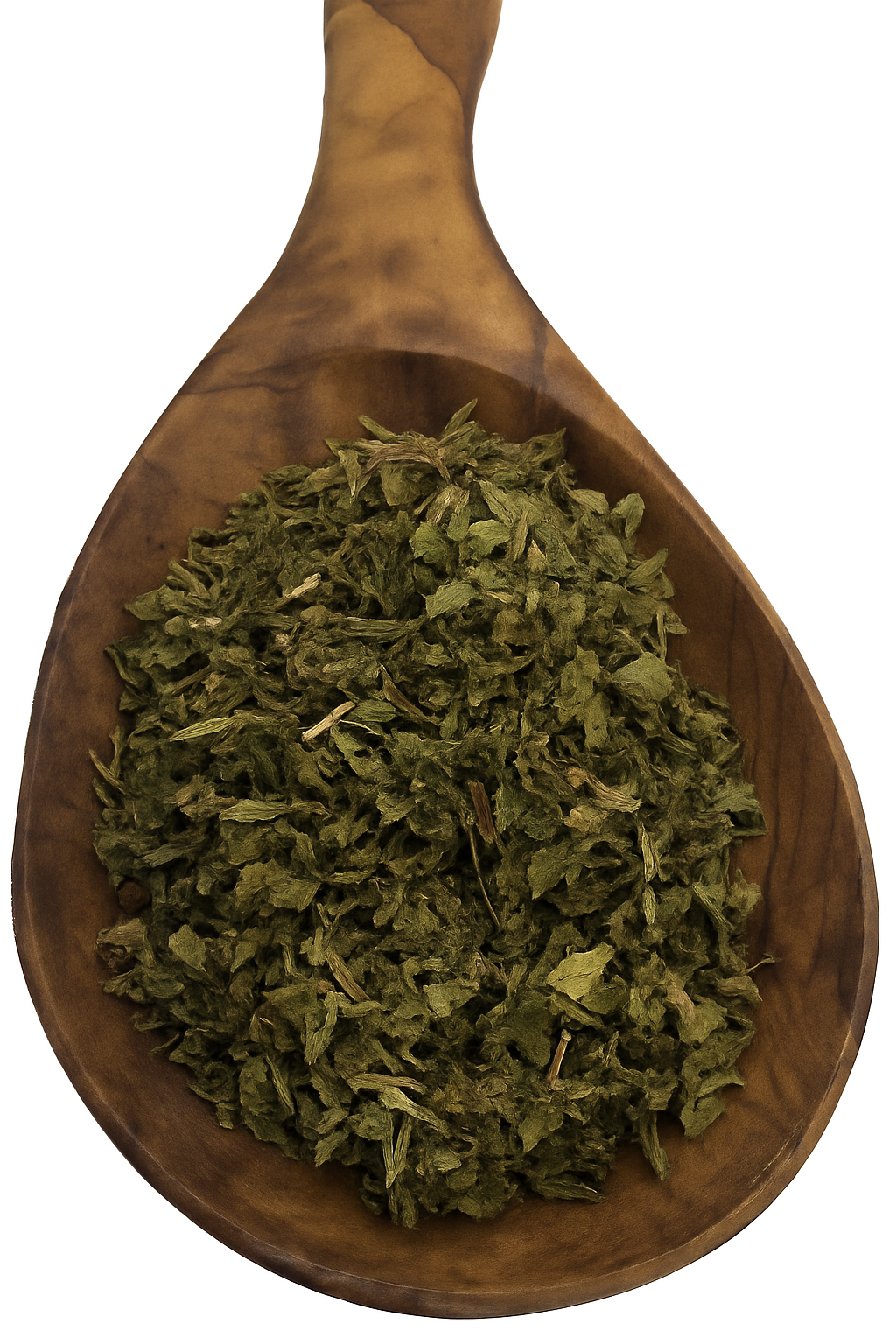
Lemon Balm Herb Cut, an odorous perennial shrub used in herbal teas and traditional medicine.





Hotline Order:
24/7
+1(865)4164178
Botanical Name: Lemon Balm (Melissa officinalis)
Common Name:
- English: This herbal balm is made from lemon balm (Melissa officinalis).
- Known also as:This product is known by many names, including Lemon balm, Melissa, Melissenblätter, Citronnelle, Garden-balm, Herzkraut, and others.
Origin: Bulgaria
Harvested: Native or cultivated species.
Parts Used: Leaves
There is no original text provided. Please provide the original text for me to rephrase. I'll keep the meaning, improve clarity and fluency, and return only the rewritten text without any additional marketing language.
Lemon balm (Melissa officinalis) is a perennial herb native to Europe.Here is a rewritten version of the product description text: Lemon balm (Melissa) is a perennial shrub that grows up to 3 feet tall. It dies back during winter but its roots remain active year-round. The plant's name comes from Greek, meaning "honey bee" or simply "honey", reflecting its popularity among bees. In fact, lemon balm produces an abundance of nectar and has been used by beekeepers to prevent swarming. The plant features square stems, typically 10-25 inches long, with a distinctive lemon scent when bruised. The stems are furrowed and hairy. Its leaves are 2-10 cm long and 4 cm wide, with a broadly ovate or heart-shaped shape, and a dense covering of hairs on both surfaces. In the summer and early fall, small white or yellow-tinted flowers form clusters in the leaf axils. These details provide an accurate description of the plant's characteristics, without added marketing language.
Lemon balm was a common household herb in the 18th century, often found as Spirit of Melissa, a tonic made from the plant. It should not be confused with bee balm. The leaves have a distinctive lemon scent and are used in green salads, fruit salads, desserts, and ice cream. In traditional and alternative medicine, including aromatherapy, products such as tea, essential oil, and extract are derived from lemon balm. Historical references to the plant can be found in the works of Theophrastus and Arab and Persian physicians. Today, it is used on its own or combined with other herbs in various products.
How to use:
Hot Infusion:
To make a tea using dried herbs or flowers, place 2-3 tablespoons of the dried material in a cup or teapot. Pour hot water over it, then cover with a lid for 10-30 minutes. This allows the hot water to extract the beneficial compounds such as antioxidants, enzymes, vitamins, flavonoids, and volatile oils from the botanicals. Strain and press out as much liquid as possible before serving.
Tips:
- Herbal teas can be sweetened using honey, natural fruit juices, stevia leaf powder, or licorice root powder.
- Freeze tea in ice trays or pop molds to create ice cubes or pops.
Precautions:
Before using this product, it is essential to consult with a qualified healthcare professional, especially if you are pregnant, breastfeeding, or taking medication.
This website provides information for educational use only.ONLY.
This product has not undergone evaluation by Health Canada.
This product is not intended for use in diagnosing, treating, curing, or preventing medical conditions.
Add your review
Your email address will not be published. Required fields are marked *
Please login to write review!
Looks like there are no reviews yet.