
1. Understanding Ginger's Medicinal Properties

1.1 The Bioactive Compounds in Ginger
Ginger, a well-known spice and medicinal herb, is renowned for its rich composition of bioactive compounds. The most notable of these compounds is gingerol, which is believed to be responsible for many of ginger's therapeutic effects. Gingerol, along with other components like shogaol and paradol, may contribute to ginger's characteristic pungency and its purported health benefits.
1.2 Gingerol and Its Potential Benefits
Research suggests that gingerol, the primary bioactive compound in ginger, possesses significant anti-inflammatory and antioxidant properties. These attributes may support the alleviation of stomach discomfort by reducing inflammation in the gastrointestinal tract. Moreover, gingerol is believed to help in the modulation of digestive processes, which might aid in easing symptoms associated with gastrointestinal distress such as bloating and nausea.
1.3 Anti-Inflammatory Effects of Ginger
Studies indicate that ginger's anti-inflammatory effects extend beyond gingerol, involving a synergistic interaction with other compounds like shogaol. This synergy may enhance ginger's ability to mitigate inflammatory pathways, which is thought to be beneficial in calming irritated digestive linings. Consequently, ginger might offer a natural means to support gastrointestinal comfort and health.
1.4 Ginger's Antioxidant Properties
Antioxidants are crucial for combating oxidative stress in the body, which can exacerbate inflammation and discomfort. Ginger's array of antioxidants, including gingerol, is believed to play a role in neutralizing free radicals, potentially protecting the stomach lining and supporting overall digestive health. This antioxidant action may contribute to the soothing effects that many individuals report after consuming ginger.
By understanding the medicinal properties and bioactive compounds in ginger, individuals suffering from GERD and other gastrointestinal issues can make informed decisions about incorporating this natural remedy into their wellness practices, potentially enhancing their digestive health in a holistic manner.
2. Historical Uses of Ginger for Digestive Health
2.1 Ancient Roots in Ayurvedic Medicine
Ginger has been a cornerstone of Ayurvedic medicine for thousands of years, primarily revered for its ability to stimulate digestion and alleviate gastrointestinal discomfort. In this traditional Indian medicine system, ginger is considered a warming herb that is believed to enhance the digestive fire or "Agni" in the body. By promoting efficient digestion, ginger is thought to help reduce bloating, gas, and indigestion, potentially providing relief to those suffering from digestive ailments.
2.2 Traditional Chinese Medicine Practices
In Traditional Chinese Medicine (TCM), ginger is regarded as a key herb for harmonizing the stomach. Historical texts suggest that it has been used to counteract nausea, vomiting, and abdominal pain. The warming nature of ginger is believed to disperse cold and dampness, which are often associated with digestive disorders in TCM. This historical use underscores ginger's long-standing reputation as a remedy for enhancing digestive health through natural means.
2.3 Ginger in Middle Eastern Healing Traditions
Ginger has also been utilized in Middle Eastern traditional medicine, where it is valued for its aromatic and carminative properties. Historical records indicate that ginger was used to prepare various medicinal concoctions aimed at soothing the stomach and relieving digestive disturbances. The spice's integration into culinary practices further exemplifies its dual role as both a flavor enhancer and a digestive aid, reflecting its widespread acceptance across cultures.
2.4 Western Herbalism and Early Modern Uses
In Western herbalism, ginger's use dates back to classical antiquity, with Greek and Roman physicians incorporating it into their medicinal repertoire. It was commonly employed to treat digestive complaints such as dyspepsia and flatulence. As trade routes expanded, ginger's affordability and accessibility increased, leading to its integration into early modern European therapeutic practices. Its historical uses in Western herbalism provide a foundation for its contemporary application in digestive health.
The historical uses of ginger across various traditional medicine systems highlight its enduring significance as a natural remedy for digestive health. These time-honored practices offer insight into ginger's potential benefits and underscore its role in supporting digestive wellness through natural interventions.
3. Ginger's Mechanisms of Action on the Digestive System

3.1 Impact on Gastric Motility
Ginger is believed to have a significant effect on gastric motility, which is the movement of the stomach muscles that propel food through the digestive tract. Research suggests that ginger may enhance gastric emptying, thereby reducing the time food remains in the stomach. This action can help alleviate symptoms of bloating and discomfort, which are common in individuals with slowed gastric motility. The active compounds in ginger, such as gingerols and shogaols, are thought to stimulate the digestive system and promote the smooth passage of food through the gastrointestinal tract, potentially easing the burden on the stomach and intestines.
3.2 Anti-inflammatory Properties
Inflammation in the gastrointestinal tract can exacerbate symptoms of digestive disorders, including GERD. Ginger's anti-inflammatory properties are attributed to its ability to inhibit the production of pro-inflammatory cytokines and enzymes. The bioactive compounds in ginger are believed to modulate inflammatory pathways, providing a soothing effect on the gut lining. By reducing inflammation, ginger may support the healing of irritated tissues and contribute to a more comfortable digestive experience. This mechanism highlights ginger's potential role in managing digestive inflammation naturally, offering a complementary approach to conventional treatments.
3.3 Influence on Digestive Enzymes
The digestive process relies heavily on the activity of enzymes that break down food into absorbable nutrients. Ginger is believed to enhance the activity of certain digestive enzymes, such as pancreatic lipase and amylase, which are crucial for the digestion of fats and carbohydrates, respectively. By boosting enzyme activity, ginger may improve nutrient absorption and digestion efficiency. This enzymatic support can lead to a reduction in digestive discomfort and an overall improvement in gastrointestinal function, making ginger a valuable addition to dietary strategies aimed at enhancing digestive health.
In summary, ginger's mechanisms of action on the digestive system encompass its ability to improve gastric motility, reduce inflammation, and enhance the activity of digestive enzymes. These effects collectively contribute to ginger's reputation as a beneficial natural remedy for supporting digestive health, offering potential relief for individuals experiencing gastrointestinal challenges.
4. Scientific Evidence Supporting Ginger for Stomach Upset

4.1 Clinical Studies on Ginger and Nausea Relief
Recent clinical studies have explored ginger's efficacy in alleviating nausea, a common symptom associated with various digestive issues. A systematic review published in the journal "Nutrition" in 2021 analyzed multiple randomized controlled trials (RCTs) and concluded that ginger may effectively reduce nausea severity and frequency. These studies often focus on diverse populations, including pregnant women, patients undergoing chemotherapy, and individuals experiencing post-operative nausea, suggesting ginger's broad applicability in nausea management. The active compounds in ginger, such as gingerols, are believed to interact with serotonin receptors in the gut, potentially modulating the nausea response.
4.2 Ginger's Role in Reducing Bloating and Gas
Research suggests that ginger may also play a role in mitigating symptoms of bloating and gas, which can accompany various digestive disorders. A study published in the "World Journal of Gastroenterology" in 2020 examined the effects of ginger supplementation on individuals with functional dyspepsia. The results indicated a significant reduction in bloating and gastrointestinal discomfort after ginger administration. These findings highlight ginger's potential to support individuals with impaired digestive function, possibly due to its impact on gastric motility and enzyme activity, as discussed in previous sections.
4.3 Anti-Inflammatory Effects of Ginger in Digestive Health
The anti-inflammatory properties of ginger have been extensively studied, with implications for digestive health. Inflammation is a critical factor in many digestive disorders, including GERD and irritable bowel syndrome (IBS). A 2022 study published in "Phytomedicine" demonstrated ginger's ability to reduce markers of inflammation in the gastrointestinal tract. By inhibiting the production of pro-inflammatory cytokines, ginger may help soothe the gut lining and contribute to a reduction in symptoms such as pain and discomfort. This evidence supports the use of ginger as a complementary approach in managing digestive inflammation naturally.
4.4 Evidence of Improved Digestive Enzyme Activity
The enhancement of digestive enzyme activity by ginger has been a subject of interest in recent research. A study featured in "Food & Function" in 2023 explored how ginger supplementation can affect the digestion of macronutrients. The results suggested that ginger may increase the activity of pancreatic lipase and amylase, enzymes critical for the breakdown of fats and carbohydrates. Improved enzyme activity can lead to more efficient digestion and nutrient absorption, potentially alleviating symptoms of digestive discomfort. This research underscores the value of incorporating ginger into dietary strategies aimed at optimizing digestive health.
Overall, the scientific evidence supporting ginger for stomach upset is robust, with numerous studies highlighting its potential benefits in alleviating nausea, reducing bloating and gas, and supporting digestive enzyme activity. As research continues to unfold, ginger remains a promising natural remedy for those seeking alternative approaches to managing digestive health challenges.
5. Effective Ways to Incorporate Ginger into Your Diet

5.1 Adding Fresh Ginger to Meals
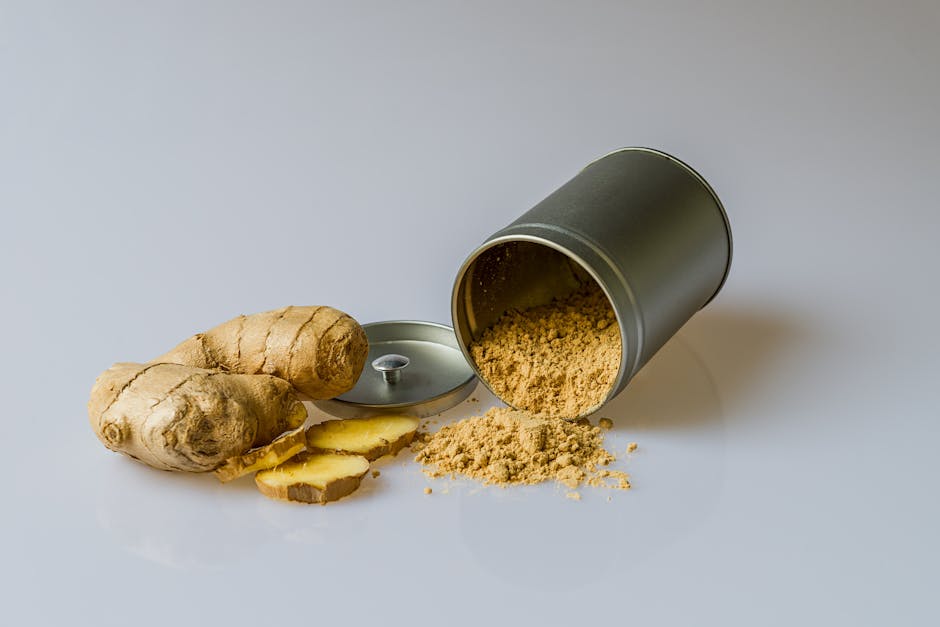
Incorporating fresh ginger into your meals can be a simple yet effective way to enhance your digestive health. Fresh ginger roott can be grated or sliced and added to various dishes to provide a subtle heat and aroma. You might consider adding ginger to:
- Stir-fries: A classic choice, ginger complements vegetables and proteins like chicken or tofu.
- Soups and Stews: Adds depth of flavor while potentially aiding digestion.
- Salads: Thin slices can add a zesty kick to your greens.
5.2 Brewing Ginger Tea
Ginger tea is a popular way to consume ginger, especially for those seeking relief from nausea or bloating. To prepare ginger tea, simply steep freshly sliced ginger in hot water for several minutes. This method allows you to enjoy the warming effects of ginger, which may soothe the digestive tract. Enhance the flavor with a squeeze of lemon or a touch of honey if desired.
5.3 Using Ginger in Smoothies
For a refreshing and nutritious option, consider adding ginger to your morning smoothie. A small piece of fresh ginger can be blended with fruits like bananas and berries, offering both digestive and anti-inflammatory benefits. Ginger pairs well with ingredients such as:
- Spinach or kale for a green smoothie.
- Citrus fruits for a tangy and invigorating drink.
- Coconut milk or yogurt for a creamy texture.
5.4 Incorporating Ginger into Baked Goods
Ginger can also be used in baking, providing a warm spice to cookies, cakes, and bread. Gingerbread and ginger cookies are traditional items, but you can experiment by adding ginger to muffins or scones. This method offers a delicious way to enjoy ginger's digestive benefits.
5.5 Ginger Supplements and Powders
For those who prefer a more convenient approach, ginger supplements and powders are available. These can be easily added to recipes or taken as directed. It's important to choose high-quality products to ensure you are receiving the active compounds that contribute to its digestive benefits. Always consult with a healthcare provider before starting any new supplement regimen.
Incorporating ginger into your diet can be both enjoyable and beneficial for digestive health. By exploring various culinary applications, you can leverage ginger's potential to support your digestive system while enhancing the flavors of your meals and beverages.
6. Comparing Fresh vs. Processed Ginger for Digestive Relief

6.1 Fresh Ginger: Potency and Benefits
Fresh ginger root is often celebrated for its potent aroma and flavor, which many believe to be indicative of its active compounds such as gingerols and shogaols. These compounds are credited with providing the digestive benefits associated with ginger. Research suggests that fresh ginger may offer more immediate and intense effects due to the presence of these active components in their natural state. Additionally, fresh ginger can be easily incorporated into meals, teas, and smoothies, allowing for versatile consumption options.
6.2 Processed Ginger: Convenience and Consistency
Processed ginger, including powders, capsules, and extracts, provides a convenient alternative to fresh ginger. These forms are often praised for their consistency in dosage and ease of use, especially for individuals with busy lifestyles. While some studies indicate that the drying and processing of ginger may reduce the levels of certain active compounds, processed ginger still retains beneficial properties and can be an effective option for digestive relief. It's important to note that the quality of processed ginger products can vary, and selecting high-quality brands is crucial to ensure efficacy.
6.3 Comparing Effectiveness for Digestive Relief
When comparing fresh and processed ginger for digestive relief, both forms have their distinct advantages. Fresh ginger is often preferred for its robust flavor and potentially higher levels of active compounds, which may lead to more immediate effects. On the other hand, processed ginger products offer convenience and can be a reliable option for consistent daily use. Ultimately, the choice between fresh and processed ginger may depend on individual preferences and lifestyle needs. Research continues to explore the comparative effectiveness of these forms, with both showing promise in supporting digestive health.
In conclusion, both fresh and processed ginger have their place in the realm of digestive relief. Whether opting for the vibrant freshness of raw ginger or the practicality of processed forms, incorporating ginger into one's diet can be a beneficial step towards supporting digestive health. As always, individuals should consider their unique health circumstances and consult with healthcare professionals when exploring natural remedies.
7. Potential Side Effects and Precautions When Using Ginger

7.1 Common Side Effects
While ginger is widely celebrated for its potential digestive benefits, it is important to be aware of possible side effects. Some individuals may experience mild gastrointestinal discomfort, such as heartburn, diarrhea, or stomach upset, particularly when consumed in large quantities. These reactions are generally dose-dependent and may be mitigated by reducing intake or consuming ginger with food.
7.2 Allergic Reactions
Although rare, allergic reactions to ginger can occur. Symptoms may include rash, itching, or swelling, particularly in the throat or face. Individuals with known allergies to ginger or other members of the Zingiberaceae family should exercise caution and consider consulting a healthcare provider before consuming ginger.
7.3 Interactions with Medications
Ginger may interact with certain medications, which is an important consideration for individuals who are on prescribed treatments. Research suggests that ginger can affect blood clotting, potentially enhancing the effects of anticoagulant medications like warfarin. Additionally, ginger may interact with medications for diabetes or high blood pressure, potentially altering their efficacy. It is advisable for individuals taking these medications to consult their healthcare provider before incorporating ginger into their regimen.
7.4 Considerations for Pregnant and Breastfeeding Women
Pregnant and breastfeeding women should approach ginger consumption with care. While ginger is often used to alleviate nausea during pregnancy, it is crucial to adhere to recommended guidelines and consult with a healthcare professional. Research suggests that excessive ginger intake during pregnancy could pose risks, though further studies are needed to fully understand these implications.
7.5 Recommendations for Safe Use
To minimize potential side effects and ensure safe consumption, individuals are advised to start with small amounts of ginger and monitor their body's response. Selecting high-quality ginger products, whether fresh or processed, is essential to maximize benefits and reduce the risk of adverse effects. Consulting with a healthcare provider is recommended, especially for individuals with existing health conditions or those taking medication, to tailor ginger usage to their specific health needs.
8. Expert Opinions and Recommendations on Ginger Use

8.1 Integrating Ginger into Daily Routines
Healthcare professionals often advocate for the inclusion of ginger as part of a balanced diet to support digestive health. Registered dietitians suggest that ginger can be seamlessly integrated into daily routines through various forms such as teas, smoothies, or as a spice in cooking. The versatility of ginger makes it an appealing option for those looking to enhance their digestive well-being naturally.
8.2 Recommended Consumption Practices
Experts recommend starting with small quantities of ginger to assess individual tolerance, as responses can vary. Incorporating ginger into meals can aid in digestion without overwhelming the stomach. Professionals emphasize the importance of moderation, as excessive consumption may lead to gastrointestinal discomfort.
8.3 Consultation with Healthcare Providers
Medical experts strongly advise consulting with healthcare providers before making significant dietary changes, especially for individuals with pre-existing health conditions. This consultation is particularly important for those on medication, as ginger's interactions could affect treatment efficacy. A personalized approach, guided by a healthcare professional, ensures that ginger use aligns with individual health needs.
8.4 Ginger as Part of a Holistic Approach
Nutritionists and healthcare providers often highlight the benefits of a holistic approach to digestive health, wherein ginger is used alongside other healthy lifestyle practices. This includes maintaining a balanced diet, staying hydrated, and engaging in regular physical activity. Such an integrated approach is believed to optimize the benefits of ginger and support overall digestive health.
8.5 Ongoing Research and Future Directions
Experts acknowledge that while current research underscores ginger's potential benefits for digestive health, ongoing studies continue to explore its broader implications. Continued scientific investigation is essential to fully understand the scope of ginger's health impacts and to refine guidelines for its use in managing stomach upset. Staying informed on emerging research allows individuals to make evidence-based decisions regarding ginger consumption.