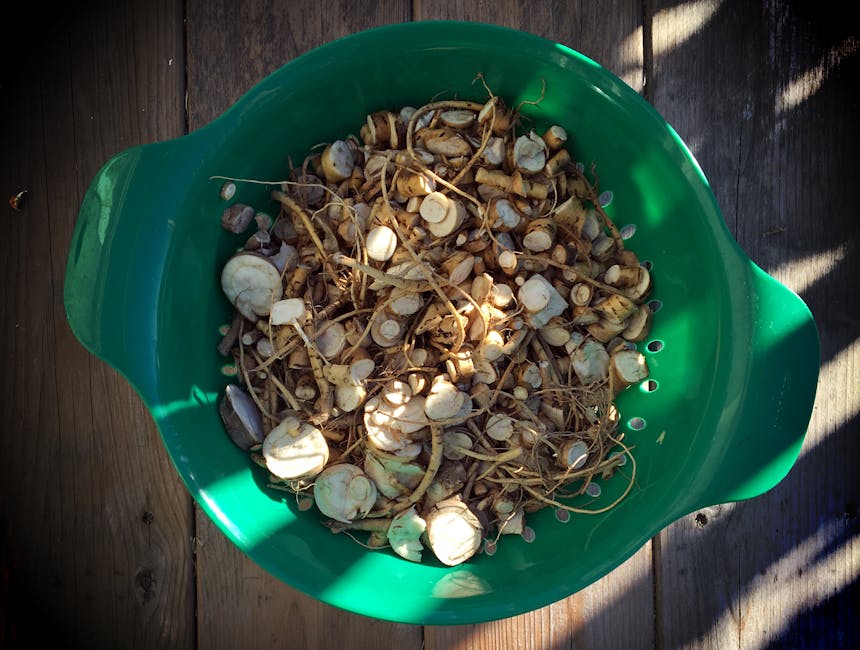
1. Understanding Digestive Health and Herbal Teas
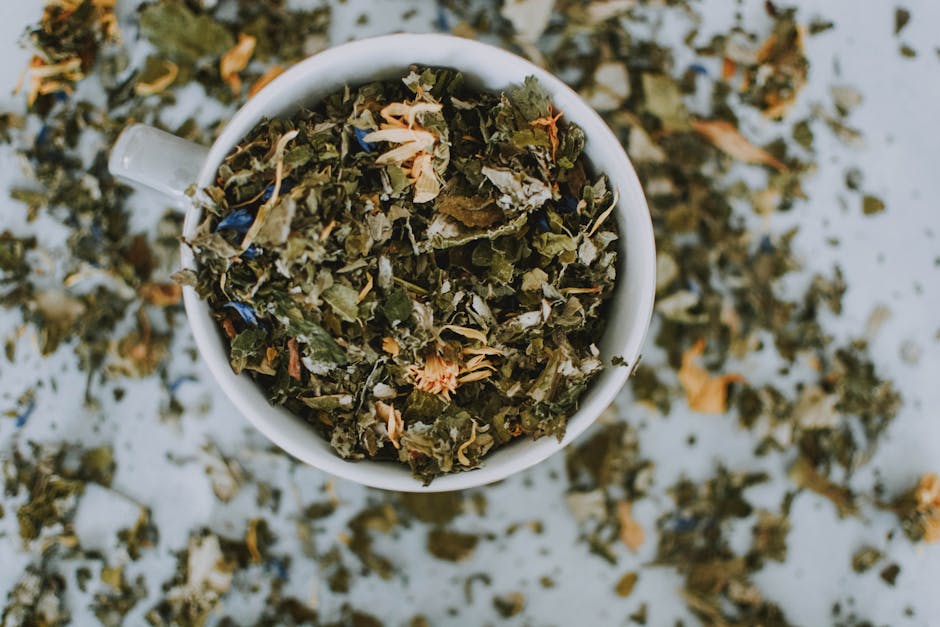
Digestive health is a critical component of overall well-being, influencing everything from nutrient absorption to immune function. The digestive system is a complex network that can be affected by various factors, including diet, lifestyle, and stress. One natural approach that has gained popularity for its potential benefits on digestion is the use of herbal teas. These teas, derived from various plant sources, are believed to offer a gentle means of supporting digestive health through both traditional practices and emerging scientific research.
1.1 The Role of Herbal Teas in Digestive Health
Herbal teas have been used for centuries in traditional medicine systems across the world. They are often consumed for their soothing properties and are believed to aid digestion in several ways. Research suggests that certain herbal teas may help relax the digestive tract, reduce bloating, and promote the production of digestive enzymes. These effects can be attributed to the active compounds present in herbs, which may work synergistically to support digestive processes.
1.2 Key Herbs and Their Digestive Benefits
Several herbs are traditionally associated with digestive health, each offering unique properties that may contribute to improved digestion. Here are some noteworthy examples:
- Peppermint: Known for its cooling sensation, peppermint tea is believed to help relax the muscles of the gastrointestinal tract, potentially reducing symptoms of irritable bowel syndrome (IBS) and relieving discomfort.
- Ginger: Ginger tea is widely recognized for its potential to support digestion by stimulating saliva, bile, and gastric enzymes. It may also help alleviate nausea and enhance gastric motility.
- Chamomile: Often consumed for its calming effects, chamomile tea is thought to aid digestion by reducing inflammation in the digestive tract and promoting relaxation.
- Fennel: Fennel seeds are used in herbal teas to potentially relieve bloating and gas due to their carminative properties. Fennel tea may help improve digestion and reduce discomfort.
1.3 Scientific Insights and Traditional Knowledge
While traditional practices have long endorsed the use of herbal teas for digestive health, scientific research is increasingly supporting these claims. Studies have indicated that the bioactive compounds in herbs like peppermint and ginger may have antispasmodic and anti-inflammatory effects, contributing to their therapeutic potential. However, it is essential to note that individual responses may vary, and further research is needed to fully understand the mechanisms behind these benefits.
Incorporating herbal teas into one's routine can be a pleasant and natural way to support digestive health. As with any dietary change, it is advisable to consult with healthcare professionals, particularly for individuals with specific health conditions or those taking medication, to ensure that herbal teas are suitable for their unique health needs.
2. Key Herbs for Digestive Aid

2.1 Peppermint: A Soothing Relief
Peppermint is renowned for its distinctive aroma and cooling properties. Research suggests that peppermint may help soothe the digestive tract by relaxing the muscles of the gastrointestinal system. This relaxation can potentially alleviate symptoms such as bloating and discomfort associated with irritable bowel syndrome (IBS). The menthol found in peppermint is believed to be the active compound that contributes to these effects, providing a calming sensation to the digestive system.
2.2 Ginger: A Stimulating Digestive Ally
Ginger has been utilized in various traditional medicine systems for its digestive benefits. It is believed to stimulate the production of digestive enzymes and promote gastric motility, which can aid in the efficient processing of food. Additionally, ginger is thought to help reduce nausea and has been studied for its potential anti-inflammatory properties. The presence of compounds like gingerol is believed to be responsible for ginger's therapeutic effects on the digestive system.
2.3 Chamomile: Calming and Anti-Inflammatory
Chamomile is often consumed for its calming effects, which may also extend to the digestive system. Research indicates that chamomile can help reduce inflammation in the gastrointestinal tract. This anti-inflammatory action, coupled with its potential to promote relaxation, makes chamomile a popular choice for those seeking to ease digestive discomfort. The flavonoids and terpenoids present in chamomile are believed to work together to produce these beneficial effects.
2.4 Fennel: Carminative and Digestive Support
Fennel seeds are traditionally used for their carminative properties, which may help alleviate bloating and gas. Fennel tea is believed to support digestion by relaxing the muscles in the intestines and reducing the buildup of gas. The essential oils in fennel, such as anethole, are thought to contribute to its ability to ease digestive issues and enhance overall gut health. By promoting smoother digestion, fennel can be a valuable addition to a digestive health regimen.
In conclusion, these herbs—peppermint, ginger, chamomile, and fennel—offer unique properties that may support digestive health. While traditional uses have long recognized their benefits, emerging scientific research continues to explore their mechanisms and potential therapeutic applications. It is important for individuals to consider their own health needs and consult with healthcare professionals before incorporating these herbs into their routines, especially if underlying health conditions or medications are involved.
3. The Science Behind Herbal Digestive Remedies
3.1 Active Compounds in Herbal Teas
The efficacy of herbal teas in promoting digestive health is often attributed to their active compounds, which have been the subject of scientific exploration. These compounds include essential oils, flavonoids, and terpenoids, each of which plays a significant role in influencing digestive processes. For instance, menthol in peppermint, gingerol in ginger, and anethole in fennel are believed to interact with gastrointestinal receptors, aiding in muscle relaxation and reducing inflammation. Research suggests that these interactions could potentially relieve symptoms associated with gastrointestinal discomfort.
3.2 Physiological Effects on the Digestive System
Herbal teas are believed to exert various physiological effects on the digestive system, which may contribute to their popularity as natural remedies. Studies have shown that compounds like menthol can relax the smooth muscles of the gastrointestinal tract, potentially easing symptoms like cramping and bloating. Similarly, gingerol is thought to enhance gastric motility, facilitating the movement of food through the digestive system and potentially alleviating nausea. The anti-inflammatory properties of flavonoids, found in herbs like chamomile, are considered beneficial in reducing gastrointestinal inflammation.
3.3 Scientific Studies on Herbal Efficacy
Numerous scientific studies have sought to validate the traditional uses of herbal teas for digestive health. For example, clinical trials involving peppermint oil have demonstrated potential benefits in reducing symptoms of irritable bowel syndrome (IBS), attributed to its ability to relax intestinal muscles. Similarly, studies on ginger suggest its effectiveness in mitigating nausea and promoting digestion, particularly in cases of pregnancy-induced nausea or postoperative nausea. Chamomile and fennel have also been examined for their calming effects and ability to reduce bloating, respectively, with promising results that underscore their potential as digestive aids.
3.4 Limitations and Considerations
While the scientific evidence supporting the use of herbal teas for digestive health is growing, it is important to acknowledge the limitations of current research. Many studies involve small sample sizes or are conducted over short durations, which may affect the generalizability of results. Additionally, individual responses to herbal compounds can vary, necessitating personalized approaches to their use. As such, it is advisable for individuals to consult healthcare professionals before incorporating herbal teas into their diets, particularly if they have existing health conditions or are taking medications.
In summary, the scientific investigation into herbal teas and their active compounds provides promising insights into their potential role in supporting digestive health. While further research is warranted, the existing evidence highlights the value of these natural remedies as part of a holistic approach to digestive wellness. As always, professional guidance is recommended to ensure safe and effective use.
4. Creating Your Personalized Herbal Tea Blend

Crafting a personalized herbal tea blend can be an enjoyable and rewarding experience, especially when focusing on digestive health. By carefully selecting and combining herbs, you can tailor a blend that meets your specific digestive needs and taste preferences. This section provides a step-by-step guide to help you create your perfect blend.
4.1 Identifying Digestive Needs
The first step in creating your personalized herbal tea blend is to identify your specific digestive needs. Consider the symptoms you frequently experience, such as bloating, cramping, or nausea. Understanding these needs will help you choose herbs with properties that may support your digestive health.
4.2 Selecting Herbs Based on Active Compounds
Once you have identified your needs, select herbs known for their active compounds and potential digestive benefits. Some popular options include:
- Peppermint: Contains menthol, which is believed to relax gastrointestinal muscles.
- Ginger: Known for gingerol, thought to enhance gastric motility.
- Fennel: Contains anethole, which may assist in reducing bloating.
- Chamomile: Rich in flavonoids, known for anti-inflammatory properties.
Research suggests these herbs may offer relief for various digestive symptoms, making them excellent choices for your blend.
4.3 Combining Flavors and Aromas
In addition to their active compounds, consider the flavors and aromas of the herbs you select. A pleasant taste can enhance your enjoyment and encourage regular consumption of the tea. For example, chamomile's mild apple-like flavor can complement the spiciness of ginger, while peppermint adds a refreshing aroma to any blend.
4.4 Testing and Adjusting Your Blend
After selecting your herbs, experiment with different ratios to find the perfect balance of taste and efficacy. Start with small batches, adjusting the proportions based on your preferences and the effects you experience. Keep in mind that individual responses can vary, so it may take several attempts to achieve your ideal blend.
4.5 Storing Your Herbal Blend
Proper storage is crucial to preserve the potency and flavor of your herbal tea blend. Store your blend in an airtight container, away from light and moisture, to maintain its quality over time. This ensures that each cup provides the desired benefits and enjoyment.
By following these steps, you can create a personalized herbal tea blend that not only caters to your specific digestive needs but also delights your senses. Remember to consult with healthcare professionals if you have any concerns or pre-existing conditions before incorporating new herbal remedies into your diet.
5. Brewing Techniques for Optimal Benefits
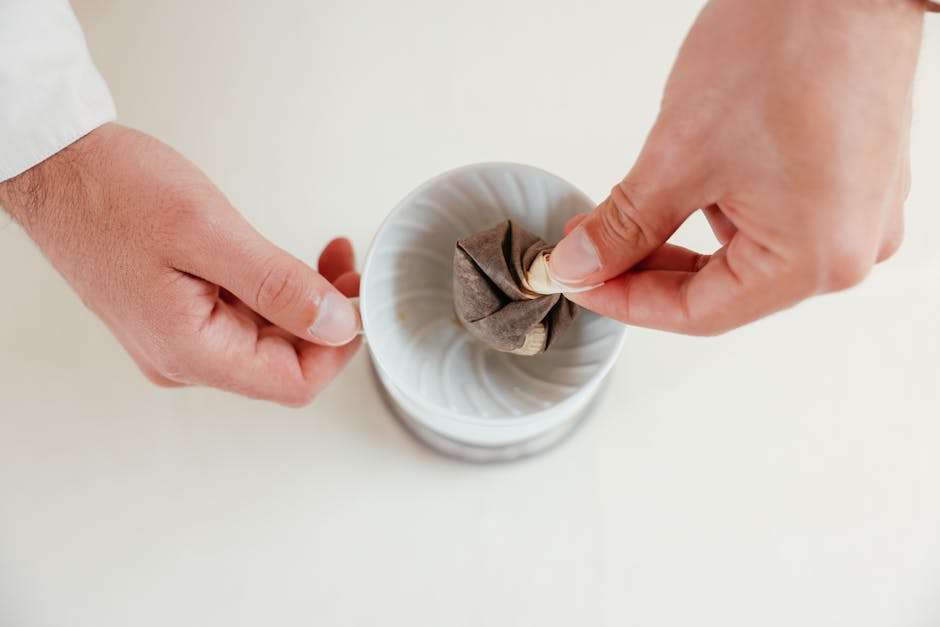
Once you have crafted your personalized herbal tea blend, the next step is to brew it in a way that maximizes its health benefits. The brewing process involves several key factors, including water temperature, steeping time, and ingredient proportions. Understanding and applying these techniques can enhance the efficacy of your tea blend.
5.1 Water Temperature
The temperature of the water used for brewing herbal tea is crucial, as it affects the extraction of active compounds. Research suggests that different herbs may require varying temperatures to optimize their benefits:
- Delicate herbs like chamomile: Use water that is slightly cooler, around 85°C (185°F), to preserve their subtle flavors and beneficial compounds.
- Robust herbs like ginger: Hotter water, near boiling point at 95-100°C (203-212°F), may be necessary to fully release their active components.
Maintaining the appropriate water temperature ensures that the health-promoting properties of the herbs are effectively extracted without degrading their quality.
5.2 Steeping Time
The length of time you steep your herbal tea also plays a significant role in determining its potency. Here are some general guidelines:
- Shorter steeping times: Typically 5-7 minutes, are suitable for herbs with a more delicate profile like peppermint and chamomile to prevent bitterness.
- Longer steeping times: Around 10-15 minutes, are often required for tougher herbs such as ginger and fennel to ensure a full release of their beneficial compounds.
Adjusting the steeping time allows you to tailor the strength and flavor of your tea to your personal preference while maximizing its potential benefits.
5.3 Ingredient Proportions
Balancing the proportions of the herbs in your blend is essential for both flavor and effectiveness. Consider the following tips:
- Balance potency and flavor: If an herb has a strong flavor, like ginger, use it sparingly to prevent it from overpowering the blend.
- Complementary effects: Combine herbs with synergistic properties, such as peppermint and fennel, to enhance their digestive benefits.
Experimenting with different ratios within your blend can help you achieve a harmonious balance that suits your taste and health goals.
By paying attention to these brewing techniques, you can unlock the full potential of your herbal tea blend. The right combination of water temperature, steeping time, and ingredient proportions can make your tea not only a delightful beverage but also a supportive ally in your digestive health journey. As always, consult with healthcare professionals for personalized advice, especially if you have specific health concerns.
6. Safety and Precautions in Herbal Tea Consumption
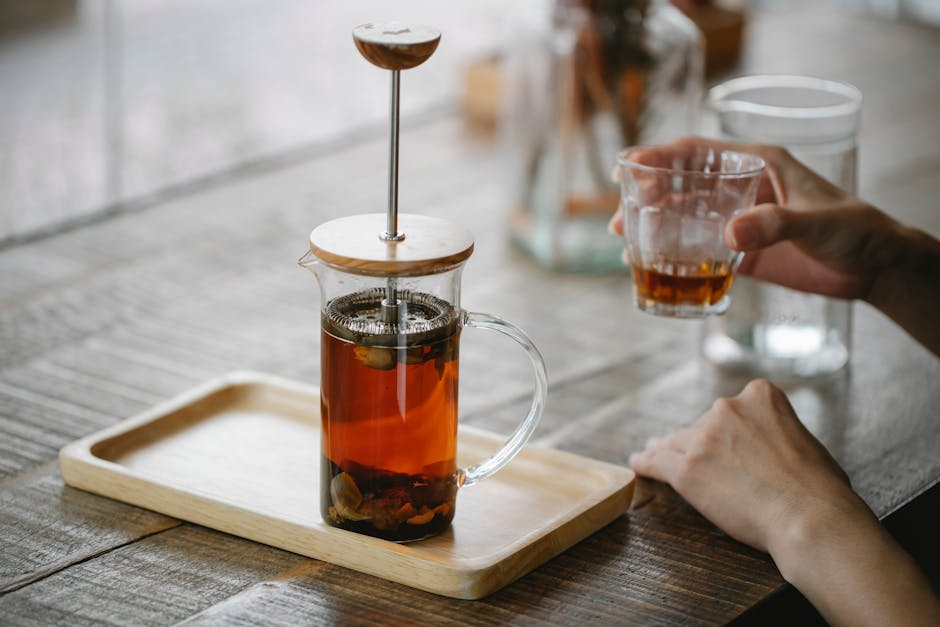
While herbal teas are often celebrated for their potential health benefits, it is crucial to approach their consumption with safety and caution. Understanding potential side effects, interactions with medications, and general precautions can help ensure the safe and effective use of herbal teas as digestive aids.
6.1 Potential Side Effects
Herbal teas, although natural, can sometimes cause adverse effects in certain individuals. Some common side effects may include:
- Allergic reactions: Individuals with sensitivities to specific plants, such as chamomile or ragweed, may experience allergic reactions when consuming related herbal teas.
- Gastrointestinal discomfort: Herbs like peppermint can sometimes cause heartburn or acid reflux in susceptible individuals.
- Overconsumption effects: Consuming large quantities of certain herbs, such as licorice root, may lead to undesirable effects like elevated blood pressure.
Being aware of these potential side effects and monitoring your body's reactions can help you enjoy herbal teas safely.
6.2 Interactions with Medications
Herbal teas can interact with prescription medications, potentially altering their effects. Some notable interactions include:
- St. John's Wort: Known to affect the metabolism of various drugs, potentially reducing their efficacy.
- Ginger: May interact with blood-thinning medications, increasing the risk of bleeding.
- Ginseng: Could interfere with the effects of medications for diabetes, leading to fluctuations in blood sugar levels.
Consulting with healthcare professionals before incorporating herbal teas into your routine, especially if you are on medication, is advisable to avoid unintended interactions.
6.3 General Precautions
To ensure a safe and beneficial experience with herbal teas, consider the following precautions:
- Consult with a professional: Seek advice from healthcare providers, particularly if you have underlying health conditions or are pregnant or breastfeeding.
- Start with small quantities: Introduce new herbal teas gradually to observe how your body responds.
- Use high-quality products: Choose reputable sources and brands to ensure the purity and safety of the herbs.
By adhering to these general precautions, you can mitigate risks and enhance the potential benefits of herbal teas in your digestive health regimen.
In conclusion, while herbal teas can be a valuable addition to your wellness routine, it is essential to approach their use with informed caution. Understanding potential side effects, interactions, and general safety measures can help you navigate the world of herbal teas effectively, ensuring a harmonious blend of pleasure and health benefits.
7. Incorporating Herbal Teas into a Digestive Health Regimen
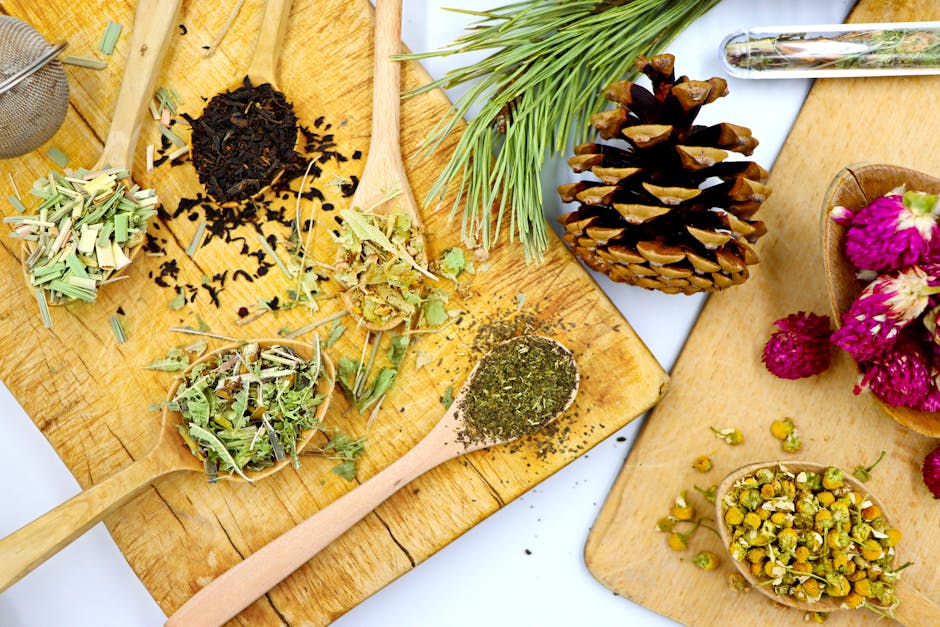
Incorporating herbal teas into your daily routine for digestive support involves more than simply choosing the right types of tea. Timing, frequency, and complementary lifestyle practices play crucial roles in maximizing their potential benefits. Exploring these factors can help you develop a personalized regimen that aligns with your individual health needs and preferences.
7.1 Optimal Timing for Herbal Tea Consumption
The timing of herbal tea consumption can significantly influence its effectiveness in supporting digestive health. Research suggests that consuming certain herbal teas at specific times may enhance their digestive benefits:
- Before meals: Drinking a cup of ginger or peppermint tea before meals may help prime the digestive system, potentially reducing symptoms of bloating and indigestion.
- After meals: Chamomile or fennel tea can be enjoyed post-meal to soothe the digestive tract and potentially alleviate discomfort.
- Before bedtime: Herbal teas like chamomile may promote relaxation and support digestion during sleep.
Experimenting with different times can help you identify when you experience the most significant digestive support from herbal teas.
7.2 Frequency of Herbal Tea Consumption
The frequency of herbal tea consumption can vary depending on individual tolerance and the specific herbal tea used. While some individuals may benefit from daily consumption, others might find that occasional use suffices. It is believed that:
- Consistent, moderate consumption (1-2 cups per day) may offer sustained digestive support without overwhelming the system.
- Rotating different herbal teas can prevent overexposure to any single herb, reducing the risk of adverse effects.
Observing how your body responds over time can guide you in adjusting the frequency of herbal tea consumption to best suit your needs.
7.3 Complementary Lifestyle Practices
Integrating herbal teas into a broader lifestyle regimen can amplify their digestive benefits. Consider the following complementary practices:
- Mindful eating: Coupling herbal tea consumption with mindful eating practices, such as chewing slowly and savoring flavors, may enhance digestion.
- Stress management: Techniques such as yoga, meditation, or deep breathing exercises can complement the soothing qualities of herbal teas.
- Hydration: Maintaining adequate hydration levels supports overall digestive health, making herbal teas a valuable part of your fluid intake.
By adopting a holistic approach to digestive wellness, you can create a balanced routine that leverages the potential benefits of herbal teas alongside other positive lifestyle changes.
In summary, effectively incorporating herbal teas into your digestive health regimen involves thoughtful consideration of timing, frequency, and lifestyle practices. Through careful experimentation and mindful integration, herbal teas can become a supportive component of your overall digestive health strategy.