1. Introduction to Herbal Infusions for Digestive Health
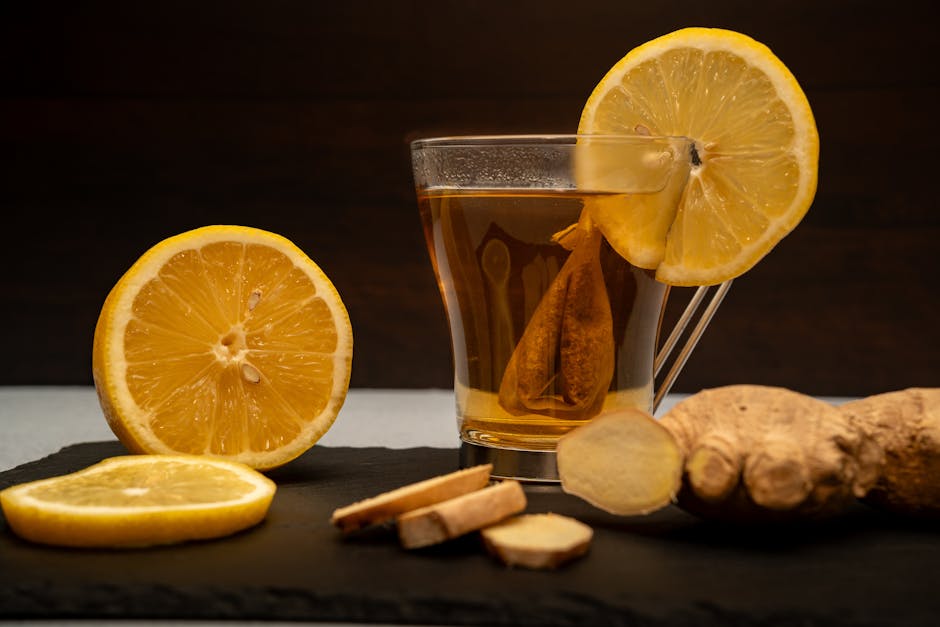
Herbal infusions have been used for centuries as a natural approach to supporting digestive health. These plant-based remedies are believed to offer a gentle yet effective means of promoting gastrointestinal wellness. Whether you're seeking relief from occasional discomfort or looking to support ongoing digestive balance, herbal infusions may offer a beneficial addition to your wellness routine.
1.1 Understanding the Benefits of Herbal Infusions
Herbal infusions may provide a range of benefits for digestive health. Research suggests that certain herbs contain compounds that can soothe the digestive tract, support healthy digestion, and ease discomfort. For instance, herbs like ginger and peppermint are traditionally used for their potential to alleviate symptoms of indigestion and bloating.
In addition to their soothing properties, herbal infusions are often rich in antioxidants and other phytochemicals that may support overall gut health. These natural compounds are believed to promote a balanced gut microbiome, which is integral to digestive function.
1.2 Crafting Personalized Herbal Blends
One of the appealing aspects of herbal infusions is the ability to customize blends to suit individual needs and preferences. By selecting herbs that align with your specific digestive concerns, you can create a personalized infusion that supports your unique wellness goals.
Crafting your own blends allows for experimentation with both flavors and therapeutic properties. Whether you're blending for taste, aroma, or specific digestive benefits, the process of creating your own herbal infusions can be both enjoyable and empowering.
It's important to approach herbal infusions with an informed perspective, considering any personal health conditions and seeking guidance from a healthcare professional if needed. By doing so, you can fully harness the potential benefits of herbal infusions for digestive health.
2. Understanding the Digestive System and Herbal Benefits
The digestive system is a complex network responsible for breaking down food and absorbing nutrients, playing a crucial role in overall health. Understanding its function can help in recognizing how herbal infusions may offer supportive benefits.
2.1 The Digestive Process
The digestive process begins in the mouth, where mechanical and enzymatic breakdown of food occurs. As food travels through the esophagus to the stomach, it encounters gastric juices that further aid in digestion. The small intestine plays a vital role in nutrient absorption, while the large intestine focuses on reabsorbing water and excreting waste.
Healthy digestion involves a balanced gut environment, including proper microbial flora that aids in breaking down food and synthesizing essential vitamins. Disruptions in this balance can lead to digestive discomfort, highlighting the importance of maintaining digestive health.
2.2 Herbal Infusions and Digestive Health
Herbal infusions are believed to support the digestive system through various mechanisms. Research suggests that compounds found in certain herbs may promote digestive enzyme activity, support gut motility, and reduce inflammation in the gastrointestinal tract.
For instance, chamomile is known for its potential anti-inflammatory properties, which may soothe the digestive tract. Similarly, fennel is traditionally used to alleviate bloating and support digestion by relaxing the gastrointestinal muscles.
2.3 Specific Herbs and Their Benefits
Several herbs are commonly used in herbal infusions to support digestive health. While the efficacy of these herbs can vary, their traditional use provides insight into their potential benefits:
- Ginger: Often used to relieve nausea and improve digestion, ginger is believed to stimulate digestive juices and enhance digestive enzyme activity.
- Peppermint: Known for its calming effect on the stomach, peppermint may help alleviate symptoms of irritable bowel syndrome (IBS) and aid in reducing bloating.
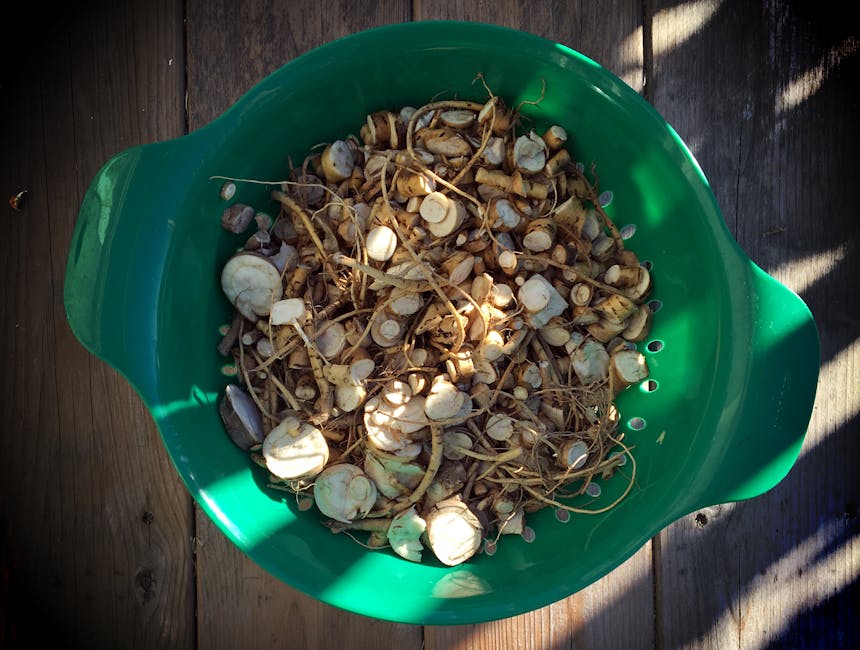
- Dandelion: Traditionally used as a digestive tonic, dandelion is thought to support liver function and bile production, aiding in fat digestion.
Incorporating these herbs into your daily routine through herbal infusions may provide a gentle, natural means of supporting digestive health. However, it's important to approach their use with an understanding of individual health needs and potential interactions.
2.4 The Science Behind Herbal Benefits
Scientific studies are increasingly exploring the mechanisms by which herbs may benefit digestive health. For example, research on ginger indicates its potential to accelerate gastric emptying and reduce nausea, while studies on peppermint demonstrate its antispasmodic effects on the gastrointestinal tract.
While more research is needed to fully understand the scope of herbal benefits, existing studies provide a promising foundation for their use in promoting digestive wellness. By integrating herbal infusions into a balanced lifestyle, individuals may find support for maintaining a healthy digestive system.
3. Key Herbs for Digestive Harmony

Herbs have been used for centuries to promote digestive health and comfort. Among these, chamomile, peppermint, and licorice stand out for their unique properties and potential benefits. Research suggests that these herbs may help in soothing the digestive tract, supporting gut motility, and reducing gastrointestinal discomfort.
3.1 Chamomile: A Calming Influence
Chamomile is renowned for its calming and anti-inflammatory properties, which are believed to support digestive comfort. The herb contains compounds like flavonoids and terpenoids that may aid in soothing the lining of the gastrointestinal tract, potentially reducing inflammation. This soothing effect makes chamomile a popular choice for those experiencing digestive discomfort, such as bloating or upset stomach.
Research suggests that chamomile can also help in relaxing the muscles of the intestines, which may aid in promoting regular bowel movements and alleviating symptoms associated with digestive disorders. While more studies are needed to fully understand its effects, incorporating chamomile tea into a daily routine is believed to support overall digestive harmony.
3.2 Peppermint: Cooling and Calming
Peppermint is widely used for its potential to ease digestive issues, thanks to its antispasmodic properties. The menthol present in peppermint oil is believed to relax the smooth muscles of the gastrointestinal tract, which can help alleviate symptoms such as bloating, gas, and discomfort associated with irritable bowel syndrome (IBS).
Studies have shown that peppermint may also support digestive health by enhancing bile flow, which is essential for the digestion of fats. This cooling herb is often consumed in the form of tea or enteric-coated capsules to support digestive comfort naturally. However, individuals with gastroesophageal reflux disease (GERD) should approach peppermint with caution, as it may exacerbate symptoms in some cases.
3.3 Licorice: A Protective Agent
Licorice root is traditionally used for its potential to protect and soothe the mucous membranes of the digestive tract. It contains glycyrrhizin, a compound believed to have anti-inflammatory and immune-boosting properties. These effects may help in reducing irritation and promoting healing of the stomach lining, making licorice a valuable herb for digestive support.
Deglycyrrhizinated licorice (DGL) is often preferred in digestive health formulations, as it reduces the risk of side effects associated with glycyrrhizin, such as increased blood pressure. Research suggests that DGL may support the healing of ulcers and reduce symptoms of indigestion. As with any herbal remedy, it is essential to consider individual health conditions and consult healthcare professionals when integrating licorice into a digestive health regimen.
Incorporating chamomile, peppermint, and licorice into a balanced lifestyle may provide natural support for maintaining digestive harmony. While these herbs offer promising benefits, it is important to approach their use with an understanding of personal health needs and potential interactions with medications or existing conditions.
4. Crafting Your Personalized Herbal Blends
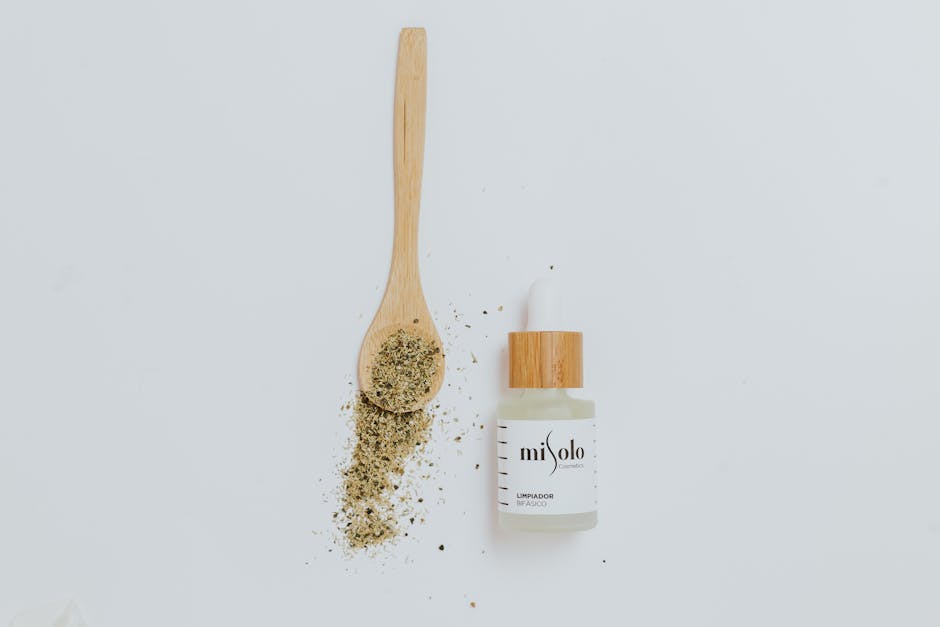
Creating personalized herbal blends for digestive health is an art that combines knowledge of herbal properties with a deep understanding of individual digestive needs. By carefully selecting and combining herbs, one can tailor infusions that may support digestive harmony and comfort. This section explores the principles behind crafting effective herbal blends, along with tips for maximizing their potential benefits.
4.1 Understanding Your Digestive Needs
The first step in crafting a personalized herbal blend is to understand your unique digestive requirements. Whether you are seeking relief from bloating, support for gut motility, or soothing for an upset stomach, identifying your primary concerns will guide your selection of herbs. Consider factors such as your digestive history, any known sensitivities, and how your body typically responds to different herbs.
4.2 Selecting Complementary Herbs
Once you have identified your digestive needs, the next step is to select herbs known for their potential benefits in addressing those particular issues. For example:
- Chamomile: May soothe irritation and reduce inflammation.
- Peppermint: Known for relaxing gastrointestinal muscles and easing discomfort.
- Licorice: Believed to protect the stomach lining and promote healing.
Choose herbs that complement each other not only in their therapeutic properties but also in taste, ensuring a pleasant and effective blend.
4.3 Balancing Flavors and Potencies
Achieving a balance between flavors and potencies is crucial in crafting a blend that is both effective and enjoyable. Consider the flavor profiles of each herb, such as the sweetness of licorice or the mild bitterness of chamomile, and adjust proportions to suit your palate. Balancing the strength of each herb ensures that you receive a well-rounded infusion without any single component overpowering the others.
4.4 Experimenting and Adjusting Blends
Herbal blending is an iterative process that may require experimentation and adjustments. Start with small batches to test the effects and flavors of your blend. Pay attention to how your body responds and make modifications as needed to optimize effectiveness. Keeping a journal of your blending experiments can help track changes and refine your personalized formula over time.
4.5 Safety and Considerations
While crafting herbal blends can be a rewarding journey, it is important to prioritize safety. Research suggests that certain herbs may interact with medications or exacerbate existing conditions, such as peppermint in individuals with GERD. Consulting with a healthcare professional or a qualified herbalist can provide guidance tailored to your personal health circumstances, ensuring that your blends support rather than hinder your digestive wellness.
By understanding your digestive needs and thoughtfully selecting and combining herbs, you can create personalized herbal blends that may enhance your digestive health and overall well-being. Remember that each individual's response to herbs can vary, and ongoing attention to your body's signals is key to maintaining balance and achieving the best results.
5. Herbal Infusion Recipes for Digestive Health
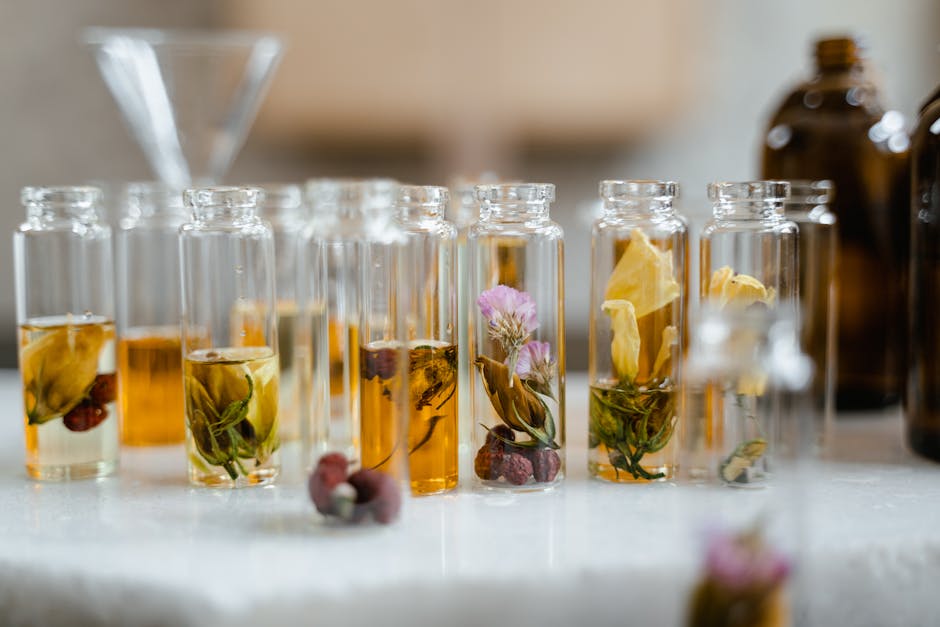
Herbal infusions can play a supportive role in digestive health, offering a natural way to potentially soothe and balance the digestive system. Below are some simple recipes incorporating herbs like chamomile, peppermint, and licorice, each known for their digestive-supportive properties.
5.1 Chamomile and Peppermint Calming Blend
This infusion combines the soothing qualities of chamomile with the refreshing and relaxing effects of peppermint. It is believed to support digestion by easing tension and reducing discomfort.
- Ingredients:
- 1 teaspoon dried chamomile flowers
- 1 teaspoon dried peppermint leaves
- Instructions:
- Boil water and let it cool slightly before pouring over the herbs.
- Steep for 5-7 minutes, then strain.
- Enjoy warm, noting any calming effects on your digestive system.
5.2 Licorice and Fennel Comforting Infusion
Licorice is believed to protect the stomach lining, while fennel may help reduce bloating and gas. This infusion offers a sweet and comforting blend for those seeking digestive relief.
- Ingredients:
- 1 teaspoon dried licorice root
- 1 teaspoon fennel seeds
- Instructions:
- Boil water and allow it to cool slightly before adding herbs.
- Steep for 10 minutes, then strain.
- Sip slowly, observing its effects on your digestive comfort.
5.3 Chamomile, Ginger, and Lemon Zest Uplifting Blend
This blend incorporates the soothing properties of chamomile, the warming effect of ginger, and the refreshing zest of lemon. It is believed to aid in digestion and provide a mild uplift in mood.
- Ingredients:
- Instructions:
- Boil water and allow it to cool slightly before pouring over the herbs and zest.
- Steep for 8-10 minutes, then strain.
- Savor the blend, paying attention to any digestive and mood-enhancing effects.
Exploring these herbal infusion recipes provides a foundation for discovering how various herbs might interact with your digestive system. Remember to listen to your body's feedback and consult with a healthcare professional if you have any concerns or are taking medications that could interact with these herbs.
6. Steeping Tips for Optimal Flavor and Efficacy

Achieving the perfect balance of flavor and potential therapeutic benefits in herbal infusions requires attention to detail in the steeping process. Various factors can influence the outcome, including water temperature, steeping time, and the quality of the herbs used. Below are some insights into optimizing these elements for the best results.
6.1 Selecting Quality Ingredients
The foundation of an effective herbal infusion lies in the quality of the herbs. Opt for organic and fresh herbs whenever possible, as they tend to retain more of their natural oils and flavors. Dried herbs should be stored in a cool, dark place to prevent degradation.
6.2 Water Temperature
The temperature of the water can significantly affect the extraction of flavors and beneficial compounds from herbs. While boiling water is commonly used, allowing it to cool slightly before pouring over delicate herbs like chamomile or peppermint can preserve their subtle flavors and prevent bitterness.
6.3 Proper Steeping Time
Steeping time varies depending on the type of herbs used. Generally, a steeping time of 5-10 minutes is recommended for most herbal infusions. Longer steeping times can enhance the intensity of flavor but may also increase bitterness, particularly with herbs such as licorice or ginger.
6.4 Straining Techniques
Straining the infusion at the right time is crucial to prevent over-extraction. Use a fine mesh strainer or a dedicated tea infuser to remove the herbs from the liquid while preserving the clarity of the infusion.
6.5 Personalizing Your Infusion
Experimenting with different herb combinations and steeping parameters allows for a personalized infusion experience. Adjust the amount of herbs, steeping time, and water temperature to find a balance that best suits your taste and digestive needs.
6.6 Enhancing with Natural Additives
Consider enhancing your herbal infusions with natural additives like a slice of lemon, a dash of honey, or a sprig of fresh mint. These can complement the herbal flavors and potentially add to the infusion's digestive-supportive properties.
Incorporating these steeping tips into your herbal infusion routine can help maximize both the flavor and potential benefits of your blends. As always, listen to your body's responses and consult with a healthcare professional if you have any concerns about how these herbs might interact with your health regimen.
7. Safety Considerations and Potential Interactions

While herbal infusions can complement your digestive health routine, it is crucial to understand the safety guidelines and potential interactions associated with their use. Awareness of these factors can help ensure that your herbal infusion practices are both effective and safe.
7.1 Understanding Potential Side Effects
Even natural ingredients can lead to side effects in some individuals. Common reactions to herbal infusions may include digestive discomfort, allergic reactions, or skin irritations. It is important to monitor your body's response when introducing a new herb into your regimen.
7.2 Identifying Herb-Drug Interactions
Herbal infusions may interact with medications, potentially altering their effects. For instance, herbs like St. John's Wort can affect the metabolism of certain drugs, leading to reduced efficacy or increased risk of side effects. Consulting with a healthcare professional before combining herbal infusions with prescription medications is advisable.
7.3 Allergic Reactions
Individuals with known allergies to certain plants should exercise caution when using herbal infusions. Conducting a patch test or starting with a small dose can help identify potential allergic reactions. If any adverse symptoms occur, discontinue use immediately and seek medical advice.
7.4 Considerations for Special Populations
Certain groups, such as pregnant or breastfeeding women, children, and those with chronic health conditions, should be particularly cautious when using herbal infusions. The safety and efficacy of many herbs have not been established for these populations, and professional guidance is recommended.
7.5 Quality and Purity of Ingredients
The quality of herbs used in infusions can influence their safety profile. Opt for reputable sources that offer organic and contaminant-free products. This practice minimizes the risk of exposure to harmful substances like pesticides or heavy metals.
7.6 Monitoring Long-Term Use
While short-term use of herbal infusions is generally considered safe, the long-term effects of continuous use are less well-documented. Regularly reviewing your herbal regimen with a healthcare provider can help manage any potential risks associated with prolonged use.
By understanding and adhering to these safety considerations, you can enjoy the potential benefits of herbal infusions while minimizing risks. Always prioritize your health and seek professional advice when needed to ensure that your herbal practices align with your overall wellness goals.
8. Incorporating Herbal Infusions into Your Daily Routine

8.1 Starting Your Day with Herbal Infusions
Many people find that beginning their day with a warm cup of herbal infusion can be both invigorating and soothing. Research suggests that herbs like ginger and peppermint may aid digestion when consumed in the morning. Consider replacing your usual morning beverage with an herbal infusion to kick-start your digestive system gently.
8.2 Midday Boost with Herbal Infusions
Incorporating herbal infusions during the midday can provide a natural energy boost without the jitters associated with caffeinated drinks. Herbs such as ginseng and lemon balm are believed to enhance focus and vitality, making them excellent choices for a midday pick-me-up. Experiment with different blends to find what suits your palate and energy needs best.
8.3 Evening Relaxation with Herbal Infusions
Herbal infusions can also play a role in your evening routine, helping you unwind after a long day. Chamomile and lavender are popular options known for their calming properties, which may support relaxation and better sleep quality. Enjoying a cup of these soothing infusions an hour before bed might help set the stage for a restful night.
8.4 Herbal Infusions as a Digestive Aid
For those seeking digestive support, herbal infusions can be consumed after meals. Fennel and dandelion are examples of herbs that may help with digestion and alleviate discomfort. Sipping on a warm infusion post-meal can become a comforting ritual that supports digestive health.
8.5 Customizing Herbal Infusion Blends
Creating custom herbal infusion blends tailored to your taste and wellness goals can enhance your experience. Combining different herbs allows you to explore a variety of flavors and potential benefits. Always start with small quantities to assess your body's response before making them a regular part of your routine.
8.6 Integrating Herbal Infusions into Culinary Practices
Herbal infusions are not solely limited to drinks; they can also be incorporated into cooking. For instance, you can use herbal infusions as a base for soups or stews, adding both flavor and potential health benefits. Experimenting with culinary uses of herbal infusions can diversify your meals while supporting wellness.
Incorporating herbal infusions into your daily routine can be a delightful and beneficial practice. By exploring different herbs and combinations, you can find the right balance that supports your digestive health and overall well-being. Remember to listen to your body and make adjustments as needed, ensuring that your herbal practices remain enjoyable and effective.
9. Conclusion: Embracing Herbal Infusions for a Balanced Digestive System

As we conclude this exploration into the world of herbal infusions, it is evident that these natural remedies offer a multitude of potential benefits for those seeking digestive harmony and overall well-being. The journey of incorporating herbal infusions into daily life is a personal one, allowing individuals to tailor their choices to best support their unique digestive needs.
9.1 The Importance of Personalization
One of the key takeaways is the importance of personalization when it comes to herbal infusions. Each person's digestive system is unique, and what works for one individual may not work for another. Customizing herbal blends not only enhances the sensory experience but also allows for a more targeted approach to addressing specific digestive concerns. This personalization helps ensure that the practice of consuming herbal infusions remains both effective and enjoyable.
9.2 A Holistic Approach to Wellness
Integrating herbal infusions into your lifestyle is not just about addressing digestive issues; it's about embracing a holistic approach to wellness. Whether starting your day with invigorating herbs, seeking a midday boost, or unwinding in the evening, herbal infusions can complement various aspects of a balanced lifestyle. By thoughtfully selecting herbs known for their digestive and calming properties, individuals can cultivate a routine that supports both body and mind.
9.3 The Role of Professional Guidance
While the benefits of herbal infusions are promising, it is crucial to approach their use thoughtfully. Seeking professional advice ensures that herbal practices align with individual health goals and conditions. Professional guidance can provide reassurance and help mitigate potential risks, making the journey into herbal infusions a safe and rewarding one.
In summary, herbal infusions present an opportunity to engage with nature's bounty in a way that supports digestive health and overall wellness. By embracing personalization and seeking professional guidance, individuals can enjoy the myriad potential benefits that herbal infusions offer while maintaining a balanced and harmonious digestive system.