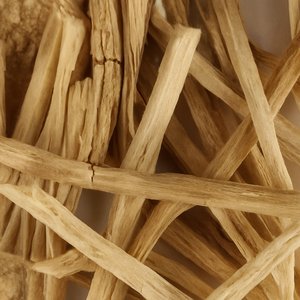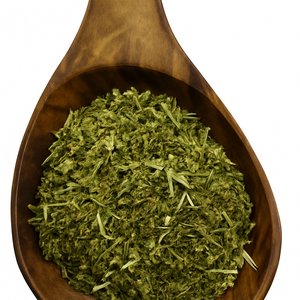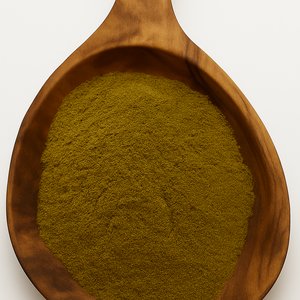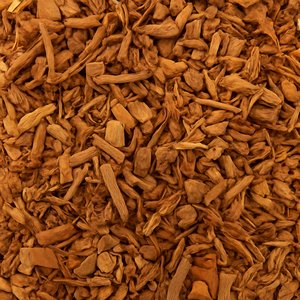
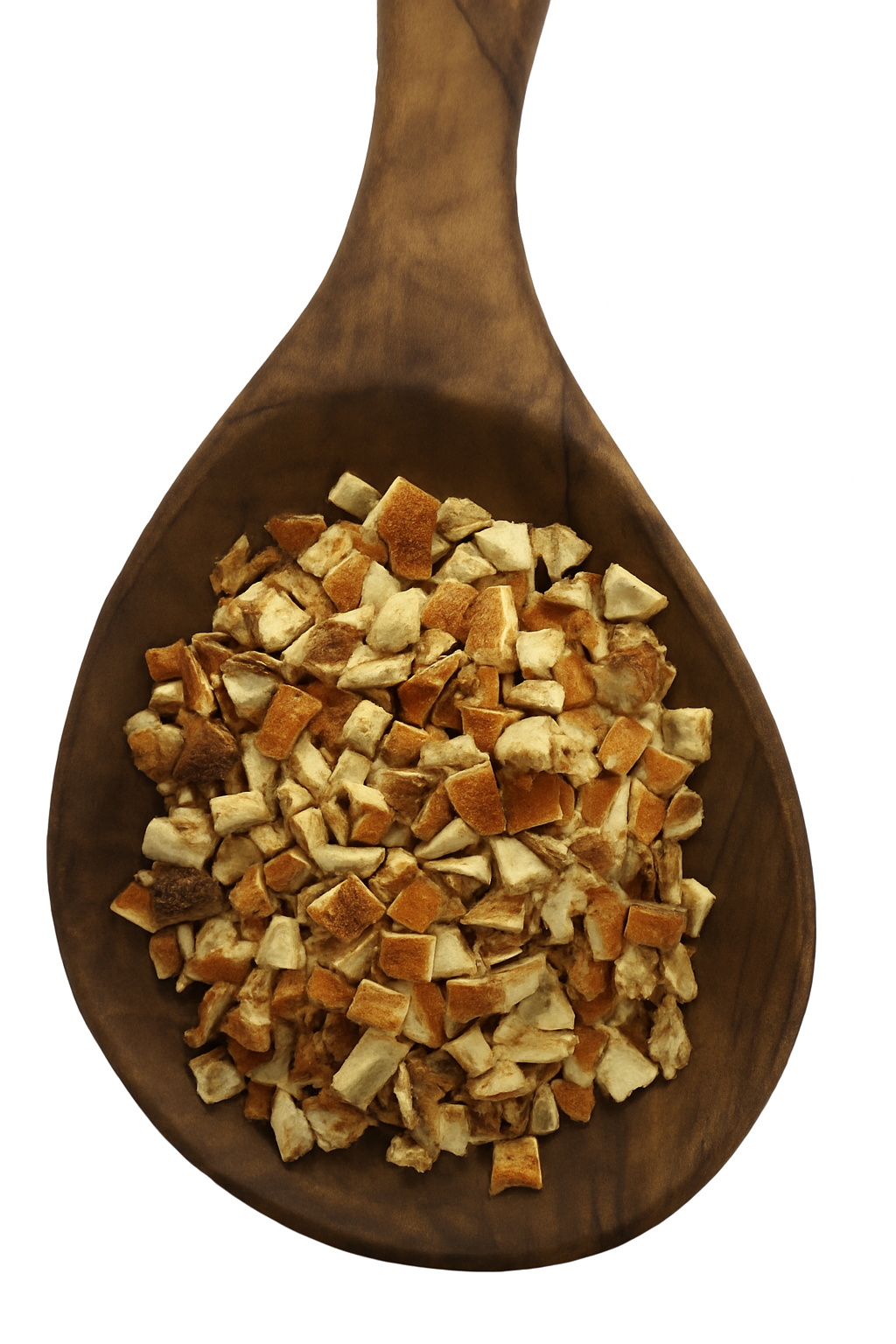
Orange Peel Cut
"Orange Peel Cut - dried rind of sweet orange fruit."





Hotline Order:
24/7
+1(865)4164178
Botanical Name: Oranges (Citrus sinensis) are a widely cultivated fruit tree species.
Common Name:
- English: Orange Peel
- Also referred to as:Sweet Orange, The text lists various names for navel oranges in different languages. Here is the rewritten list: Navel Oranges: - Navel Orange (English) - Narang (Hindi) - Narinch (Gujarati) - Narinjh (Bengali) - Komola (Bengali) - Xumthira (Tibetan) - Appelsien (Dutch) - Sinaasappel (Afrikaans) - Porteghal (Portuguese) - Apfelsine (German) - Chrisomilia (Greek) - Portokali (Turkish) - Narangi (Urdu, Hindi) - Santara (Santali) - Santru (Santhali) - Mausambi (Gujarati) - Narancs (Hungarian) - Jeruk manis (Indonesian) - Arancia (Italian) - Kittale (Kannada) - Naranga (Tamil, Telugu) - Tungja-namu (Korean) - Deungja-namu (Korean) - Kyul-lamu (Korean) - Orenji (Japanese) - Suwitu orenji (Thai) - Citrangulum (Sinhala) - Portokal (Turkish, Azerbaijani) - Samtola (Bengali) - Madhura-Naranga (Marathi) - Naragam (Kannada) - Oranchu (Odia) - Mosambi (Gujarati) - Sunttala (Sinhala) - Laranja (Portuguese, Spanish) - Laranja doce (Portuguese) - Sangtra (Santhali) - Portocal (Romanian) - Apelsin (Russian) - Nagaaruka (Tamil) - Naranga (Hindi, Urdu) - Dodam (Kannada) - Naranja (Spanish) - Aranchu (Odia) - Nagarugam (Telugu) - Kicchilipandu (Kannada) - Naranji (Urdu) - Kamalakaya (Tamil) - Som (Thai) - Portakal (Turkish, Azerbaijani) - Apelsyn (Czech) - Santarasi (Santali)
Origin: Turkey
Harvested: Cultivated
Parts Used: Fruit skin or peel.
There is no product description text provided. Please paste the original text for me to rephrase. I'll be happy to help!
Oranges (Citrus sinensis) are a popular fruit species.The sweet orange is a compact evergreen tree that grows to 25-30 feet in height with a symmetrical, rounded crown spreading up to 15 feet. The tree's medium-sized leaves are broad, glossy, and leathery, measuring up to 4 inches long, with narrow petiole wings. Many orange cultivars have thorny twigs. In the spring, white, five-petaled flowers bloom in clusters of 2-6, emitting a sweet fragrance. These flowers give rise to oranges that mature in autumn or winter. The fruit is a type of berry called a hesperidium, with segments known as carpels. Oranges are typically round and have orange pulp, but variations occur. The fruit's shape can be globose, subglobose, oblate, or oval, measuring 2-4 inches wide. It has minute oil glands on its surface, which become convex and orange or yellow when ripe. The outer peel is leathery and relatively smooth, while the inner rind is white, spongy, and non-aromatic. Oranges are picked at full ripeness, unlike some deciduous fruits that continue to ripen after being harvested. Each segment of the pulp contains 10-15 compartments filled with juice sacs, which can be easily separated. Oranges may contain 2-4 irregular seeds per segment, although some varieties are seedless.
The oil extracted from citrus peels is used in various applications, including food flavorings, cosmetics, perfumes, and wood-care products to prevent insect damage. One key distinction between sweet oranges and sour oranges is the presence of a solid core in the former. California's orange crop primarily consists of two cultivars: 'Washington Navel' and 'Valencia'. In Florida, commercial production focuses on three main cultivars: 'Hamlin', which ripens early; 'Pineapple', which peaks mid-season; and 'Valencia', which is harvested late in the season.
How to use:
To prepare a decoction, combine one tablespoon of dried herbs with one cup of water in a saucepan. Bring the mixture to a boil, then reduce the heat and let it simmer for 30-60 minutes. After straining, press out as much liquid as possible from the solids.
Tips:
- Herbal decoctions can be sweetened using a small amount of honey, natural fruit juice, stevia leaf powder, or licorice root powder.
Precautions:
Before using this product, consult a qualified healthcare professional, especially if you're pregnant, breastfeeding, or taking medication.
This website provides information for educational use only.ONLY.
This product has not been assessed for safety or efficacy by Health Canada.
This information should not be used for diagnosing, treating, curing, or preventing diseases.
Add your review
Your email address will not be published. Required fields are marked *
Please login to write review!
Looks like there are no reviews yet.