
1. Understanding Gut Health and Its Importance

The gut plays a pivotal role in maintaining overall health, extending far beyond its basic function of digestion. A healthy gut is increasingly being recognized as a cornerstone of wellness, influencing not only physical health but also mental well-being. This section explores the critical aspects of gut health and why it is essential to focus on nurturing it through mindful dietary choices, such as selecting gut-friendly snacks.
1.1 The Gut Microbiome: A Complex Ecosystem
At the heart of gut health lies the gut microbiome, a complex community of trillions of microorganisms that reside within our intestines. This intricate ecosystem is believed to be critical for maintaining digestive efficiency, producing essential vitamins, and supporting the immune system. Research suggests that a balanced microbiome can help protect against pathogens, aid in digestion, and even influence mood and cognitive functions.
1.2 Digestion and Nutrient Absorption
The primary function of the gut is to digest food and absorb nutrients. A well-functioning gut ensures that the body receives the necessary vitamins, minerals, and other nutrients critical for energy production and overall health. An imbalance in gut health can lead to issues such as nutrient deficiencies and digestive disorders, underscoring the importance of maintaining a balanced gut microbiome through diet and lifestyle choices.
1.3 Immunity and Gut Health
A significant portion of the body's immune system resides in the gut. The gut-associated lymphoid tissue (GALT) plays a crucial role in the body's defense mechanisms. A healthy gut microbiome is believed to support immune function, helping the body to fend off infections and illnesses. Disruptions in gut health may compromise immune responses, making it imperative to nurture the gut environment.
1.4 The Gut-Brain Connection
The concept of the gut-brain axis highlights the bidirectional communication between the gut and the brain. It is suggested that the gut microbiome can influence mental health, potentially affecting mood, stress levels, and cognitive functions. This connection emphasizes the importance of gut health in maintaining mental well-being, with emerging research exploring its role in conditions such as anxiety and depression.
1.5 Choosing Gut-Friendly Snacks
Understanding the importance of gut health sets the stage for making informed dietary choices. Opting for snacks that support a healthy gut microbiome can be a simple yet effective way to promote overall well-being. Gut-friendly snacks are typically rich in fiber, probiotics, and other nutrients that foster a balanced microbiome and support digestive health. By integrating these snacks into daily habits, individuals can contribute to their gut health, enhancing both physical and mental wellness.
2. Key Nutrients for Gut Health

Maintaining a healthy gut is integral to overall well-being, and specific nutrients play a vital role in supporting digestive health. This section explores key nutrients such as fiber, probiotics, and prebiotics, which are essential for fostering a balanced gut environment.
2.1 The Role of Fiber in Gut Health
Fiber is a crucial component of a gut-friendly diet. It is known to aid in digestion by adding bulk to the stool, which can help prevent constipation. Fiber is also believed to support the gut microbiome by acting as a food source for beneficial bacteria. There are two main types of fiber: soluble and insoluble. Soluble fiber can dissolve in water and is thought to help lower cholesterol and regulate blood sugar levels, while insoluble fiber helps move materials through the digestive system, promoting regularity.
2.2 Understanding Probiotics
Probiotics are live microorganisms that may confer health benefits when consumed in adequate amounts. They are often referred to as 'good' bacteria and are believed to contribute to the balance of the gut microbiome. Probiotics are commonly found in fermented foods such as yogurt, kefir, sauerkraut, and kimchi. Research suggests that these beneficial bacteria can help improve digestive health, enhance immune function, and may even play a role in mental health support.
2.3 The Importance of Prebiotics
Prebiotics are non-digestible food components that promote the growth of beneficial bacteria in the gut. They are essentially the food source for probiotics, supporting their survival and activity. Common sources of prebiotics include foods rich in inulin and oligofructose, such as onions, garlic, bananas, and whole grains. By encouraging a thriving community of good bacteria, prebiotics are believed to support digestive health and enhance nutrient absorption.
2.4 Other Essential Nutrients
While fiber, probiotics, and prebiotics are key players in gut health, other nutrients also contribute to a balanced digestive system. Vitamins and minerals such as vitamin D, zinc, and magnesium are believed to support overall gut function. Additionally, omega-3 fatty acids, commonly found in fish and flaxseeds, may have anti-inflammatory properties that benefit gut health. Ensuring a diet rich in these nutrients can help maintain a healthy digestive environment.
In summary, incorporating a variety of key nutrients, including fiber, probiotics, and prebiotics, into your diet can support a healthy gut. Understanding and prioritizing these nutrients can help maintain a balanced digestive system, contributing to overall health and well-being.
3. Top Gut-Friendly Snack Ingredients
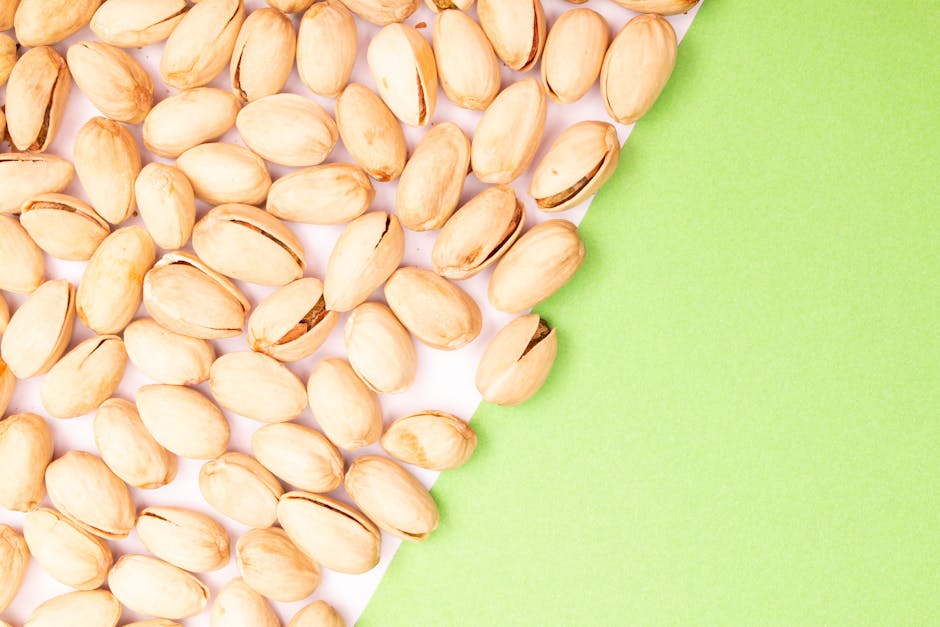
Choosing the right ingredients for snacks can play a crucial role in promoting gut health. This section outlines a selection of natural and nutritious ingredients that are believed to benefit the digestive system. By understanding the properties of these ingredients, individuals can make informed choices to support their gut health.
3.1 Chia Seeds
Chia seeds are tiny powerhouses of nutrition, renowned for their high fiber content. Research suggests that the soluble fiber in chia seeds can help regulate bowel movements and promote the growth of beneficial bacteria in the gut. Additionally, chia seeds contain omega-3 fatty acids, which may have anti-inflammatory effects that support overall gut health.
3.2 Greek Yogurt
Greek yogurt is a popular probiotic-rich food that is believed to enhance gut health. It contains live cultures, which are beneficial bacteria that may help balance the gut microbiome. Studies indicate that regular consumption of probiotic-rich foods like Greek yogurt can support digestion, boost the immune system, and potentially alleviate symptoms of lactose intolerance.
3.3 Almonds
Almonds are not only a convenient snack but also a source of prebiotics, which are known to support the growth of healthy gut bacteria. The fiber content in almonds is believed to aid digestion and promote regularity. Additionally, almonds are rich in vitamin E and magnesium, nutrients that are thought to support a healthy digestive system.
3.4 Bananas
Bananas are an easily digestible fruit that contains prebiotic fibers, such as inulin, which can help nourish beneficial gut bacteria. They are also a good source of potassium, a mineral that may help maintain electrolyte balance and support muscle function, including the muscles involved in digestion.
3.5 Oats
Oats are rich in beta-glucan, a type of soluble fiber that is believed to promote the growth of good bacteria and facilitate healthy bowel movements. This fiber may also help lower cholesterol levels, contributing to overall cardiovascular health. Incorporating oats into snacks can provide sustained energy and support digestive health.
3.6 Ginger
Ginger has been used traditionally to support digestion and reduce gastrointestinal discomfort. It is believed to have anti-inflammatory and antioxidant properties that may benefit the digestive system. Research suggests that ginger can help alleviate nausea and promote efficient digestion, making it a valuable ingredient in gut-friendly snacks.
Incorporating these gut-friendly ingredients into snacks can contribute to better digestive health. By choosing snacks rich in fiber, probiotics, and other beneficial compounds, individuals can support a balanced gut microbiome and improve overall wellness.
4. Quick and Easy Gut-Friendly Snack Ideas

Finding snacks that are both delicious and supportive of gut health can be a delightful culinary adventure. In this section, we explore a variety of simple snack recipes that incorporate gut-friendly ingredients. These snacks are designed to be easy to prepare and nutritionally beneficial, making them perfect for anyone looking to support their digestive health.
4.1 Chia Seed Pudding
Chia seed pudding is a versatile snack that can be prepared in advance and customized to suit your taste preferences. To make this gut-friendly snack, simply combine chia seeds with your choice of milk or milk alternative. Allow the mixture to sit in the refrigerator overnight, enabling the seeds to absorb the liquid and form a pudding-like consistency. Add toppings such as fresh berries, a drizzle of honey, or a sprinkle of nuts for added flavor and nutrition.
4.2 Greek Yogurt Parfait
A Greek yogurt parfait is a quick and satisfying snack that can be tailored to your liking. Begin by layering Greek yogurt with your favorite fruits, such as bananas or berries, which are rich in prebiotic fibers. Top the parfait with a handful of almonds or granola to add a crunchy texture and additional fiber. This snack not only provides probiotics from the yogurt but also incorporates prebiotic ingredients that support gut health.
4.3 Almond and Banana Smoothie
Smoothies are an excellent way to combine multiple gut-friendly ingredients into one convenient snack. Blend together a ripe banana, a small handful of almonds, and a cup of almond milk for a creamy and nutritious smoothie. For an extra gut health boost, add a spoonful of oats or a pinch of ginger. This smoothie offers a balance of fiber, healthy fats, and prebiotics to support digestive wellness.
4.4 Oatmeal Energy Balls
Oatmeal energy balls are a no-bake snack that can be easily prepared in batches. Combine oats with nut butter, a sweetener of your choice, and mix-ins such as chia seeds, shredded coconut, or dark chocolate chips. Form the mixture into small balls and refrigerate until firm. These energy balls offer a satisfying blend of fiber and protein, making them a perfect on-the-go snack option.
4.5 Ginger Tea with Almonds
A soothing cup of ginger tea paired with a small serving of almonds makes for a simple yet effective gut-friendly snack. To prepare ginger tea, steep fresh ginger slices in hot water for several minutes. The anti-inflammatory properties of ginger, combined with the prebiotic benefits of almonds, create a comforting snack that supports digestive health.
These snack ideas highlight the versatility and nutritional benefits of gut-friendly ingredients. By incorporating these easy-to-make snacks into your routine, you can enjoy delicious flavors while supporting your digestive system and overall well-being.
5. The Role of Fermented Foods in Gut Health

Fermented foods have gained attention for their potential benefits on gut health, primarily due to their rich probiotic content. These foods undergo a natural fermentation process, which not only enhances their flavor but also increases their nutritional value. Incorporating fermented foods into your diet is believed to support digestive health and may contribute to a balanced gut microbiome.
5.1 Understanding Fermented Foods
Fermented foods are created through the natural process of lacto-fermentation, where beneficial bacteria convert sugars into lactic acid. This process helps preserve the food while creating a rich source of probiotics, which are live microorganisms that can support gut health. Common examples of fermented foods include yogurt, kefir, sauerkraut, kimchi, and kombucha.
5.2 Probiotics and Their Impact on Digestion
Probiotics are often referred to as "good bacteria" and are believed to play a crucial role in maintaining a healthy gut. Research suggests that consuming probiotics through fermented foods can help maintain the balance of the gut microbiota, potentially enhancing digestion and supporting the immune system. These beneficial microorganisms may aid in breaking down food, absorbing nutrients, and protecting against harmful bacteria.
5.3 Incorporating Fermented Foods into Your Snack Routine
Adding fermented foods to your snack routine can be a simple yet effective way to boost your gut health. Here are some easy ways to incorporate them:
- Yogurt and Fruit Bowl: Choose a plain yogurt with live and active cultures and top it with fresh fruits and a sprinkle of nuts for added fiber and nutrients.
- Kefir Smoothie: Blend kefir with your favorite fruits and a handful of spinach for a probiotic-rich smoothie that supports digestion.
- Sauerkraut or Kimchi Wraps: Use whole-grain wraps and fill them with sauerkraut or kimchi, along with protein-rich ingredients like turkey or tofu, for a savory snack.
- Kombucha Mocktail: Mix kombucha with a splash of fruit juice and ice to create a refreshing drink that provides probiotics.
5.4 Benefits and Considerations
While fermented foods can be advantageous for gut health, it's important to approach them mindfully. Some individuals may experience digestive discomfort when first introducing these foods into their diet. It is advisable to start with small amounts and gradually increase intake, allowing the gut to adjust to the increased probiotic content. Additionally, choosing high-quality, naturally fermented products ensures you receive the maximum health benefits.
Incorporating fermented foods into your diet as part of a balanced snack routine may support digestive health and contribute to overall wellness. By exploring the variety of fermented foods available, you can enjoy both their unique flavors and potential health benefits.
6. Understanding Food Intolerances and Gut Health

Food intolerances can play a significant role in gut health, affecting digestion and overall well-being. Understanding these intolerances and their impact on the gastrointestinal system can help individuals make informed dietary choices, potentially reducing discomfort and fostering a healthier digestive environment.
6.1 Common Food Intolerances
Food intolerances differ from allergies as they do not involve the immune system but rather the digestive system's inability to process certain food components. Common intolerances include:
- Lactose Intolerance: This occurs when the small intestine does not produce enough lactase, an enzyme needed to digest lactose, the sugar found in milk and dairy products.
- Gluten Sensitivity: Individuals with non-celiac gluten sensitivity experience symptoms similar to celiac disease when consuming gluten, a protein found in wheat, barley, and rye.
- FODMAP Intolerance: FODMAPs (fermentable oligosaccharides, disaccharides, monosaccharides, and polyols) are a group of short-chain carbohydrates that some people cannot digest properly, leading to bloating and gas.
6.2 Identifying Food Intolerances
Recognizing food intolerances can be challenging, as symptoms may be delayed or vary in intensity. Research suggests the following methods may assist in identification:
- Elimination Diet: Temporarily removing suspected foods from the diet and gradually reintroducing them can help identify the source of intolerance.
- Food Journals: Keeping a detailed record of food intake and symptoms can reveal patterns and potential triggers.
- Consultation with Healthcare Professionals: Dietitians and nutritionists can offer guidance and testing options to pinpoint specific intolerances.
6.3 Selecting Snacks for Sensitive Stomachs
For those with food intolerances, choosing the right snacks can minimize discomfort and support gut health. Consider the following strategies:
- Lactose-Free Options: Opt for lactose-free dairy products or plant-based alternatives like almond or coconut milk.
- Gluten-Free Snacks: Choose gluten-free grains such as quinoa, rice cakes, or gluten-free oat products.
- Low-FODMAP Foods: Incorporate low-FODMAP fruits, vegetables, and grains like strawberries, carrots, and oats into your snacks.
By understanding food intolerances and making conscious snack choices, individuals can potentially reduce digestive discomfort and enhance gut health. This approach not only aids in symptom management but also promotes a more balanced and enjoyable diet.
7. Gut Health Myths and Misconceptions

Gut health has become a popular topic in recent years, leading to an abundance of information that can sometimes be misleading. Understanding the myths and misconceptions about gut health can help individuals make more informed choices, particularly when it comes to selecting snacks that support digestive well-being.
7.1 Myth: Probiotics Are the Cure-All for Gut Health
Probiotics are often marketed as a magic bullet for improving gut health, but this is an oversimplification. While research suggests that probiotics can benefit the gut microbiome, their effects can vary greatly depending on the strains used and the individual's specific health condition. It's important to understand that probiotics are just one piece of the puzzle and should be considered as part of a broader approach to gut health.
7.2 Myth: All Fermented Foods Are Beneficial for Everyone
Fermented foods like yogurt, sauerkraut, and kimchi are hailed for their probiotic content, but not everyone may benefit from them equally. Some individuals with specific food intolerances or gut conditions may find that certain fermented foods exacerbate their symptoms. It is crucial to consider personal digestive responses and consult with healthcare professionals when incorporating these foods into the diet.
7.3 Myth: Fiber Is Always Good for Gut Health
Fiber is generally considered beneficial for digestion, but not all types of fiber suit everyone. For individuals with irritable bowel syndrome (IBS) or other digestive disorders, high-fiber foods may lead to bloating and discomfort. Research suggests that understanding the difference between soluble and insoluble fiber can help in making dietary choices that are more aligned with individual gut health needs.
7.4 Myth: Gut Health Only Affects Digestion
While the primary focus of gut health is digestion, its influence extends beyond the digestive system. The gut is often referred to as the "second brain" due to its connection with the central nervous system, impacting mood, immunity, and even skin health. A holistic approach that considers the gut's role in overall health may support a more comprehensive well-being strategy.
7.5 Myth: You Should Avoid All Fat for a Healthy Gut
Fat has been demonized in many diet trends, but it's essential to recognize that not all fats are detrimental to gut health. Healthy fats, such as those found in avocados, nuts, and olive oil, are believed to play a role in maintaining gut integrity and reducing inflammation. Moderation and balance are key when incorporating fats into a diet that supports digestive health.
By debunking these myths and misconceptions, individuals can navigate the complex world of gut health with a clearer understanding, allowing for more informed dietary choices that support a healthy digestive system.
8. The Future of Gut Health and Snack Innovation

The landscape of snack innovation is rapidly evolving, particularly in the realm of gut health. As consumer interest in digestive well-being continues to grow, manufacturers are focusing on developing snacks that not only satisfy taste buds but also promote a healthy gut microbiome. This section explores some of the emerging trends and technologies shaping the future of gut-friendly snacking.
8.1 Probiotic-Enhanced Snacks
One of the most promising trends in gut health snack innovation is the inclusion of probiotics. Research suggests that probiotics may support a balanced gut microbiome, and companies are now finding ways to incorporate these beneficial bacteria into everyday snacks. From granola bars to chips, probiotic-enhanced snacks are designed to provide a convenient way for individuals to incorporate gut-friendly bacteria into their diets.
8.2 Prebiotic-Focused Ingredients
Prebiotics, which are non-digestible fibers that nourish beneficial gut bacteria, are also gaining traction in snack formulations. Ingredients like chicory root, Jerusalem artichoke, and various resistant starches are being used to create snacks that support the growth of healthy gut bacteria. By focusing on prebiotic ingredients, snack manufacturers aim to offer products that contribute to a thriving gut environment.
8.3 Fermented Snacks
The fermentation process is believed to enhance the probiotic content of foods, and this ancient technique is being applied to modern snacking. Fermented snacks such as kimchi chips and sauerkraut crisps are emerging as innovative options that combine traditional flavors with contemporary convenience. These snacks aim to deliver the benefits of fermentation in a portable, easy-to-consume format.
8.4 Personalized Nutrition and Gut Health
Advancements in personalized nutrition are enabling more tailored approaches to gut health. Technologies that analyze individual microbiomes are making it possible to develop snacks customized to one's unique gut profile. This trend towards personalization is expected to drive innovation in snack products that cater to specific digestive needs and preferences, enhancing the efficacy of gut health interventions.
8.5 Clean Label and Natural Ingredients
Consumers are increasingly seeking snacks with clean labels and natural ingredients, reflecting a broader desire for transparency and healthfulness. Snack manufacturers are responding by formulating products with minimal processing and recognizable ingredients. This shift aligns with the growing awareness of the impact of additives and artificial substances on gut health.
In conclusion, the future of gut health and snack innovation is bright, with ongoing research and technological advancements paving the way for products that support digestive well-being. As understanding of the gut microbiome deepens, the industry is likely to continue developing snacks that are not only delicious but also beneficial for gut health, offering consumers more choices in their pursuit of digestive wellness.