1. Understanding Fermentation and Gut Health

1.1 The Science of Fermentation
Fermentation is a natural process that involves the breakdown of carbohydrates by bacteria and yeast. This biochemical reaction not only preserves food but also enhances its nutritional profile. Fermented foods are rich in probiotics, which are live microorganisms that can offer health benefits when consumed in adequate amounts. Research suggests that these probiotics play a crucial role in maintaining a balanced gut microbiome, which is vital for digestive health and overall well-being.
1.2 Fermented Foods and Digestive Health
Incorporating fermented foods into one's diet may support digestive health by promoting a healthy gut environment. Foods such as yogurt, kefir, sauerkraut, and kimchi are believed to introduce beneficial bacteria into the digestive system. These bacteria can help in breaking down food, enhancing nutrient absorption, and potentially reducing symptoms of digestive discomfort such as gas and bloating. By supporting a diverse and balanced gut microbiome, fermented foods may contribute to improved digestion and gut health.
1.3 Overall Well-being and Fermentation
Beyond digestive health, the consumption of fermented foods may influence overall well-being. A healthy gut microbiome is linked to various aspects of health, including immune function, mental health, and metabolic processes. Research indicates that probiotics found in fermented foods might help in modulating the immune system, potentially reducing the risk of infections and chronic inflammatory conditions. Additionally, the gut-brain axis, a complex communication network between the gut and brain, suggests that a healthy gut may positively affect mood and cognitive functions.
In summary, understanding the science behind fermentation and its impact on gut health highlights the potential benefits of incorporating fermented foods into the diet. While individual responses may vary, the inclusion of these foods could support digestive health and contribute to overall well-being, making them a valuable component of a balanced diet.
2. The Health Benefits of Fermented Foods
2.1 Impact on Digestion
Fermented foods have long been associated with improved digestive health. The probiotics present in these foods can enhance the gut microbiome by introducing beneficial bacteria, which may aid in breaking down food more efficiently. This process is believed to support nutrient absorption and reduce digestive discomfort, such as bloating and gas. Recent scientific studies suggest that a diet rich in fermented foods might help in maintaining a balanced digestive system, potentially easing symptoms associated with gastrointestinal disorders.
2.2 Enhancement of Immune Function
The immune system and gut health are closely interconnected, with a significant portion of immune function rooted in the gut. Consuming fermented foods may bolster immune defenses due to the presence of probiotics and other bioactive compounds. Research indicates that these compounds can help modulate immune responses, potentially lowering the risk of infections and chronic diseases. By promoting a healthy gut microbiome, fermented foods could play a role in supporting the body's natural defense mechanisms.
2.3 Improvement in Nutrient Absorption
Fermented foods can enhance the bioavailability of nutrients, making it easier for the body to absorb essential vitamins and minerals. The fermentation process breaks down compounds that might otherwise inhibit nutrient absorption. For instance, fermented dairy products like yogurt and kefir are believed to improve the digestion of lactose, benefiting those who are lactose intolerant. Additionally, fermentation may increase the levels of B vitamins and other nutrients, contributing to better overall nutrition.
2.4 Contribution to Overall Health
Beyond specific digestive and immune benefits, fermented foods may have broader health implications. The gut-brain axis, which describes the link between gastrointestinal health and emotional well-being, suggests that a healthy gut could positively affect mental health. Probiotics found in fermented foods are thought to influence mood and cognitive functions, potentially alleviating symptoms of anxiety and depression. Moreover, these foods may support metabolic health, contributing to balanced blood sugar levels and overall metabolic function.
In conclusion, the health benefits of fermented foods extend beyond digestion to encompass immune support, improved nutrient absorption, and overall well-being. By incorporating these foods into one's diet, individuals might experience enhanced health outcomes, although responses can vary widely. As research continues to explore the multifaceted benefits of fermentation, it remains a promising area for those seeking natural ways to support their health.
3. Essential Fermentation Ingredients and Tools

Embarking on a fermentation journey at home can be a rewarding experience, providing both delicious and health-supportive foods. To begin this process, certain ingredients and tools are essential for creating successful and safe fermented products. This section outlines the key components needed to get started with home fermentation.
3.1 Key Ingredients for Fermentation
Fermentation relies on specific ingredients that act as the foundation for the development of beneficial bacteria and the preservation of food. These ingredients are crucial for achieving the desired taste, texture, and nutritional benefits.
- Fresh Produce: High-quality, fresh vegetables and fruits are fundamental for many fermentation recipes. They serve as the primary substrate for fermentation, providing the necessary sugars for microbial activity.
- Salt: Salt is a vital ingredient in most vegetable fermentations, such as sauerkraut and kimchi. It helps create an environment conducive to the growth of lactic acid bacteria while inhibiting harmful microorganisms.
- Starter Cultures: While some fermentations occur naturally, others benefit from the addition of starter cultures. These cultures, which may include probiotics like Lactobacillus, help accelerate fermentation and ensure consistent results.
- Water: Clean, chlorine-free water is essential for creating brines used in ferments. Chlorine can inhibit microbial activity, so using filtered or distilled water is often recommended.
3.2 Essential Fermentation Tools
Alongside the ingredients, having the right tools is crucial for a smooth fermentation process. These tools assist in preparing, storing, and monitoring the fermentation to ensure safe and effective results.
- Fermentation Vessels: Glass jars, crocks, or specialized fermentation containers with airlocks are ideal for housing fermenting foods. These vessels help maintain an anaerobic environment, which is critical for successful fermentation.
- Weights: Fermentation weights, such as glass or ceramic pieces, are used to keep ingredients submerged in the brine, preventing exposure to air and reducing the risk of mold.
- Airlocks: Airlocks allow gases produced during fermentation to escape while preventing oxygen from entering the vessel. They are particularly useful for fermenting liquids like kombucha or kefir.
- Thermometer: A kitchen thermometer helps monitor the temperature, which can be a crucial factor in fermentation, affecting the speed and outcome of the process.
- pH Meter or Strips: These tools are used to measure the acidity of the ferment, ensuring it reaches a safe pH level to prevent spoilage and ensure safety.
By assembling these essential ingredients and tools, individuals can confidently embark on their home fermentation journey, creating nutritious and flavorful foods that may support digestive health and overall well-being. Whether starting with simple sauerkraut or venturing into more complex ferments like kimchi or kombucha, having the right resources can make all the difference in achieving successful results.
4. Step-by-Step Guide to Fermenting Vegetables
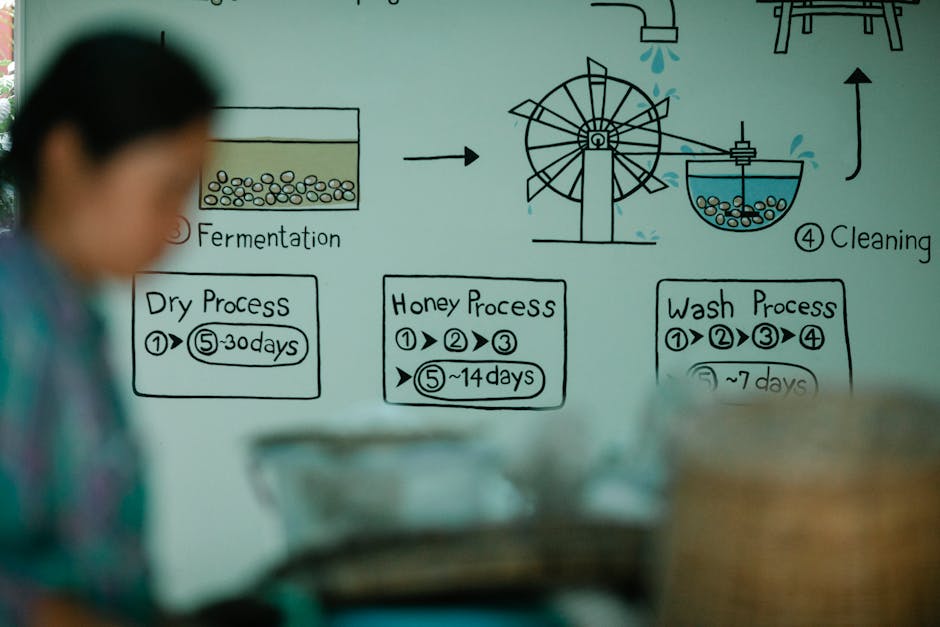
Fermenting vegetables is a time-honored technique that can enhance the flavors, textures, and nutritional benefits of your home-cooked meals. This guide offers a beginner-friendly approach to successfully fermenting vegetables right in your kitchen.
4.1 Preparing Your Ingredients
Before you begin the fermentation process, it's crucial to gather and prepare your ingredients properly. High-quality, fresh produce is key, as it provides the necessary sugars for the fermentation process.
- Select Fresh Vegetables: Choose vegetables that are firm, blemish-free, and in season for the best results.
- Wash and Cut: Thoroughly wash your vegetables to remove dirt and pesticides. Cut them into uniform pieces to ensure even fermentation.
- Brine Preparation: Dissolve salt in clean, chlorine-free water to make a brine. The concentration of salt can vary depending on the recipe, but it is essential for inhibiting harmful bacteria and encouraging the growth of beneficial microbes.
4.2 Setting Up Your Fermentation
Once your ingredients are prepared, the next step is to set up the fermentation environment.
- Use the Right Vessel: Place the vegetables in a clean glass jar or fermentation crock. Ensure the vessel is large enough to accommodate the expansion of the vegetables as they ferment.
- Add Weights: Use fermentation weights to keep the vegetables submerged under the brine. This prevents exposure to air and reduces the risk of spoilage.
- Seal with an Airlock: If using an airlock system, attach it to your vessel to allow gases to escape while keeping oxygen out.
4.3 Monitoring the Fermentation Process
Monitoring the fermentation process is vital to achieving the desired results. Temperature and pH levels are critical factors that influence the outcome.
- Temperature Control: Store the fermenting vegetables in a cool, dark place. A consistent temperature, often around 65-75°F (18-24°C), is ideal for lactic acid bacteria to thrive.
- Check pH Levels: Regularly measure the pH of the ferment using pH strips or a meter. A pH below 4.6 indicates a safe level of acidity has been reached.
- Observe Changes: Look for signs of fermentation, such as bubbles, a tangy aroma, and changes in color. These indicate that the process is progressing well.
4.4 Common Pitfalls and Tips for Success
While fermenting vegetables is relatively straightforward, certain pitfalls can occur. Here are some tips to ensure success:
- Avoid Contamination: Ensure all tools and surfaces are clean to prevent introducing unwanted bacteria.
- Prevent Mold: Keeping vegetables submerged and using an airlock can help prevent mold growth.
- Be Patient: Fermentation can take several days to weeks, depending on the temperature and desired tanginess. Taste your ferment periodically to decide when it's ready.
By following these steps, you can enjoy homemade fermented vegetables that may offer probiotic benefits and enhance your culinary creations. Whether you're crafting a batch of sauerkraut or experimenting with kimchi, this guide aims to provide the foundational knowledge needed for a successful fermentation experience.
5. Making Your Own Kombucha: A Simple Recipe

Kombucha, a fermented tea beverage, is cherished for its potential probiotic benefits and refreshing taste. Making your own kombucha at home is a rewarding process that allows you to customize flavors and control ingredients. This guide will walk you through the essential steps of brewing kombucha from scratch.
5.1 Selecting the Right Ingredients
The foundation of any good kombucha brew lies in the quality of the ingredients you choose. Here are the key components you will need:
- Tea: Black or green tea is most commonly used, but you can experiment with other varieties. Ensure the tea is free of oils and added flavors.
- Sugar: Essential for the fermentation process, sugar feeds the bacteria and yeast. Regular granulated sugar works well.
- SCOBY: The Symbiotic Culture of Bacteria and Yeast (SCOBY) is the living culture that ferments the tea and sugar into kombucha.
- Starter Tea: A cup of already brewed kombucha or vinegar to acidify the brew and kickstart fermentation.
- Water: Use filtered or distilled water to avoid chemicals that could inhibit fermentation.
5.2 Brewing the Tea Base
With your ingredients ready, the next step is to brew the tea base:
- Brew the Tea: Boil water and steep your chosen tea for 5-10 minutes. Remove tea leaves or bags.
- Add Sugar: Stir in sugar until completely dissolved. Let the sweet tea cool to room temperature.
5.3 Fermentation Setup
Setting up the fermentation process is crucial for developing the kombucha's flavor and health benefits:
- Combine Ingredients: In a large clean glass jar, combine the cooled tea, starter tea, and SCOBY.
- Cover the Jar: Use a breathable cloth or coffee filter secured with a rubber band to cover the jar. This prevents contaminants while allowing air to flow.
- Ferment: Place the jar in a warm, dark place. Let it ferment for 7-14 days, tasting periodically until you achieve the desired flavor.
5.4 Bottling and Flavoring
Once fermentation is complete, it's time to bottle and optionally flavor your kombucha:
- Remove the SCOBY: Carefully remove the SCOBY and set aside for your next batch.
- Bottle the Brew: Pour the kombucha into bottles using a funnel, leaving some space at the top. Save a cup of kombucha as starter tea for your next batch.
- Add Flavorings: For additional flavor, add herbs, fruits, or spices to the bottles before sealing them.
- Second Fermentation: Seal the bottles and leave them at room temperature for 3-7 days for carbonation. Then, refrigerate to halt fermentation.
5.5 Safety and Storage
Ensuring your kombucha is safe to drink is paramount. Follow these guidelines:
- Check for Mold: Discard any batch that develops mold, which appears fuzzy and green or black.
- Store Properly: Keep bottled kombucha in the refrigerator to maintain its flavor and carbonation.
By following these steps, you can enjoy homemade kombucha tailored to your taste preferences. Whether you prefer it plain or with bold flavors, this fermented beverage may offer a refreshing and potentially beneficial addition to your diet.
6. Crafting Yogurt and Kefir at Home
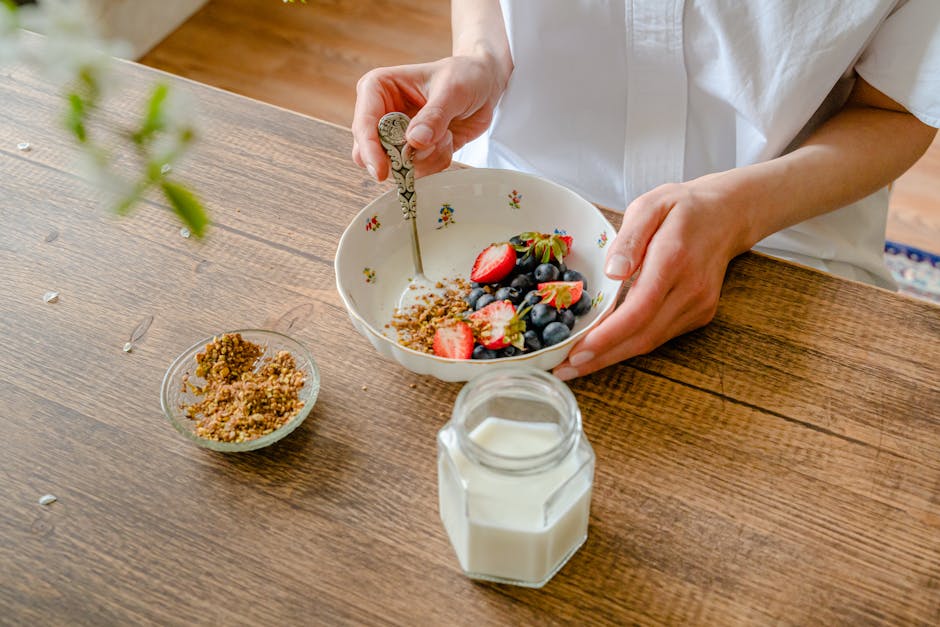
Yogurt and kefir are beloved fermented dairy products known for their rich probiotic content. Making these at home allows for control over ingredients and consistency, potentially enhancing their health benefits. This section delves into the process of crafting yogurt and kefir, offering guidance on selecting cultures and boosting probiotic levels.
6.1 Choosing Cultures
Choosing the right cultures is the foundation of successful yogurt and kefir making. The cultures not only initiate fermentation but also determine the flavor and texture of the final product.
- Yogurt Cultures: Generally consist of Lactobacillus bulgaricus and Streptococcus thermophilus, which are responsible for the tangy taste and creamy texture.
- Kefir Grains: A mixture of bacteria and yeasts that form a symbiotic relationship, offering a more diverse probiotic profile compared to yogurt.
- Sourcing Cultures: High-quality starter cultures can be purchased from health food stores or online. Ensure they are fresh and stored properly.
6.2 Maintaining Consistency
Consistency in texture and taste is key to enjoying homemade yogurt and kefir. Several factors influence the outcome, including incubation time and temperature.
- Milk Selection: Whole milk often results in a thicker texture, while lower-fat options produce a lighter consistency.
- Temperature Control: Maintaining a stable temperature during fermentation is crucial. Yogurt typically requires 110°F (43°C), while kefir ferments well at room temperature.
- Fermentation Time: Longer fermentation results in a tangier flavor. Yogurt usually ferments for 4-12 hours, whereas kefir takes 12-48 hours.
6.3 Maximizing Probiotic Content
Probiotics are live microorganisms that may support gut health. Maximizing their presence in homemade yogurt and kefir can enhance potential health benefits.
- Fresh Ingredients: Use fresh milk and cultures to ensure robust fermentation and probiotic activity.
- Proper Storage: Store finished products in the refrigerator to preserve probiotic viability and extend shelf life.
- Batch Rotation: Regularly introduce new cultures to maintain a diverse and active microbial population.
By carefully selecting cultures, maintaining consistency, and focusing on probiotic content, crafting yogurt and kefir at home can be a rewarding endeavor. These homemade fermented products may provide a delicious and potentially beneficial addition to a balanced diet.
7. Ensuring Safety and Quality in Home Fermentation
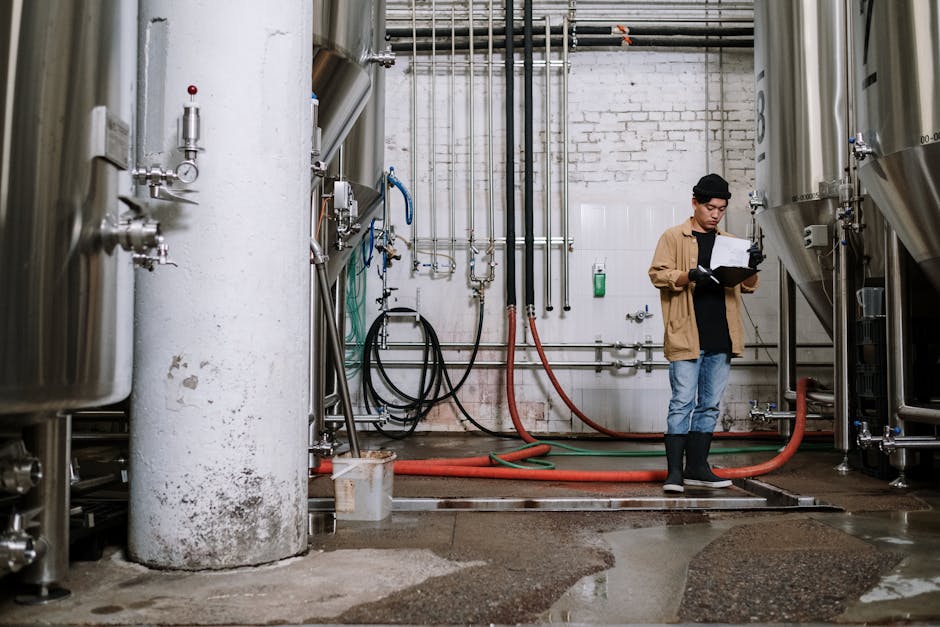
Home fermentation offers a satisfying way to create nutritious foods, but it's crucial to prioritize safety and quality to ensure that these foods are beneficial. Understanding how to prevent contamination and recognize signs of spoilage can help maximize the health benefits of your fermented creations.
7.1 Preventing Contamination
Maintaining a clean environment is essential in preventing contamination during the fermentation process. Contaminants can lead to spoilage and potentially harmful results.
- Clean Equipment: Thoroughly wash and sanitize all equipment and containers before use. This reduces the risk of introducing unwanted bacteria or yeast.
- Hygienic Practices: Regular hand washing and using clean utensils can help minimize contamination.
- Controlled Environment: Ferment in a stable environment, avoiding exposure to outside air and contaminants by using airlocks or tightly sealed jars.
7.2 Recognizing Spoilage
Identifying spoilage is crucial to ensure the safety of fermented foods. Recognizing the signs early can prevent health risks associated with consuming spoiled products.
- Visual Indicators: Mold growth, unusual colors, or off-putting textures can signal spoilage.
- Odor Changes: While some fermented foods have strong odors, a distinctly rotten or foul smell can indicate spoilage.
- Taste Test: If in doubt, a small taste test can confirm whether the product is safe. However, if it looks or smells off, it's best to discard it.
7.3 Ensuring Health Benefits
To maximize the potential health benefits of home-fermented foods, it's important to focus on maintaining the integrity of the fermentation process.
- Quality Ingredients: Use fresh, high-quality ingredients to support a successful fermentation and enhance the nutritional content.
- Proper Fermentation Time: Allow the process to complete fully to ensure the development of beneficial microorganisms.
- Storage Conditions: Store fermented foods in cool, dark places to maintain their quality and extend their shelf life.
By prioritizing safety and quality control, home fermentation can be a rewarding experience that yields nutritious and potentially beneficial foods. With careful attention to cleanliness, spoilage recognition, and the fermentation process, you can enjoy the health benefits of your homemade creations.
8. Troubleshooting Common Fermentation Issues

Fermentation is a delicate process that can occasionally present challenges. Understanding common issues and how to address them can enhance the success of your home-fermented foods. Here, we explore solutions to problems such as mold growth, off-flavors, and inconsistent fermentation results.
8.1 Mold Growth
Mold growth is one of the most common concerns in home fermentation. While some molds are harmless, others can be detrimental to health. Here's how to tackle mold issues:
- Keep It Submerged: Ensure that all solid ingredients remain submerged in the brine or liquid. This anaerobic environment discourages mold growth.
- Remove Contaminants: If mold appears on the surface, carefully remove it along with a small layer of the underlying product. Evaluate the remaining product for any signs of spoilage before continuing use.
- Monitor Humidity: High humidity can promote mold growth. Maintain a controlled environment to reduce excess moisture.
8.2 Off-Flavors
Off-flavors can develop from various factors, affecting the taste and aroma of your fermented foods. Here are some tips to prevent and correct them:
- Control Temperature: Fermentation at too high or low temperatures can lead to undesirable flavors. Aim for a stable, recommended temperature range specific to your fermentation type.
- Avoid Over-Fermentation: Leaving your fermenting product for too long can result in overly sour or unpleasant flavors. Check the progress regularly to achieve the desired taste.
- Use Fresh Ingredients: Fresh, high-quality ingredients contribute positively to flavor. Avoid using ingredients that are past their prime.
8.3 Inconsistent Fermentation Results
Inconsistent results can be frustrating when fermenting at home. These tips can help achieve more reliable outcomes:
- Consistent Ingredient Ratios: Use precise measurements for salt, water, and other ingredients. This consistency helps stabilize the fermentation process.
- Stable Fermentation Environment: Fluctuations in temperature and exposure to light can impact results. Keep your fermentation setup in a stable, suitable location.
- Proper Starter Cultures: Ensure that your starter cultures are active and viable before use. This ensures a robust fermentation process.
By addressing these common issues with practical solutions, you can refine your fermentation techniques and enjoy consistently successful homemade fermented foods. Understanding and troubleshooting these problems can enhance the health benefits and enjoyment of your culinary creations.
9. Incorporating Fermented Foods into Your Diet
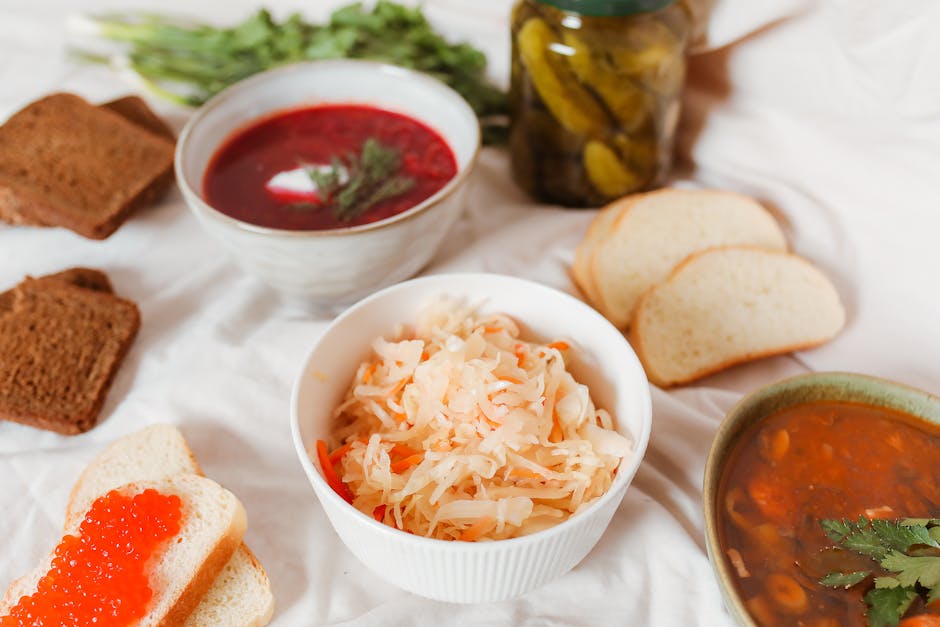
Fermented foods are not only rich in flavor but also offer numerous health benefits. Incorporating them into your daily diet can be both enjoyable and rewarding. Below are some creative ideas and practical tips for adding fermented foods to your meals.
9.1 Creative Ways to Enjoy Fermented Foods
Fermented foods can be versatile additions to various dishes. Here are some ideas to inspire you:
- Add to Salads: Use kimchi or sauerkraut as a tangy topping for your salads to add complexity and a probiotic boost.
- Enhance Sandwiches: Layer pickled vegetables, like cucumbers or radishes, in sandwiches for a crunchy, flavorful bite.
- Mix into Stir-Fries: Incorporate fermented soy products such as tempeh or miso into your stir-fries for added umami and nutrition.
- Blend into Smoothies: Add a spoonful of kefir or yogurt to your smoothies for a creamy texture and probiotic benefits.
- Top Your Dishes: Sprinkle fermented hot sauces or salsas over tacos, pizzas, or grilled meats for a spicy kick.
9.2 Practical Tips for Incorporating Fermented Foods
Integrating fermented foods into your diet can be simple with these practical tips:
- Start Small: Begin with small portions if you're new to fermented foods, allowing your palate and digestive system to adjust.
- Diversify Your Choices: Explore a variety of fermented foods to keep your meals exciting and nutritionally balanced.
- Pair with Familiar Foods: Combine fermented foods with dishes you already enjoy to create a seamless addition to your diet.
- Experiment with Recipes: Try new recipes that feature fermented ingredients to expand your culinary repertoire.
- Keep It Fresh: Store fermented foods properly to maintain their flavor and probiotic content.
9.3 Simple Recipes Featuring Fermented Foods
Incorporating fermented foods into your cooking can be easy with these simple recipes:
- Kimchi Fried Rice: Stir-fry leftover rice with chopped kimchi, vegetables, and a splash of soy sauce for a quick, flavorful meal.
- Miso Soup: Dissolve a spoonful of miso paste in warm water and add tofu, seaweed, and scallions for a comforting soup.
- Kefir Smoothie: Blend kefir with your favorite fruits and a touch of honey for a refreshing, probiotic-rich smoothie.
- Sauerkraut Slaw: Mix sauerkraut with shredded cabbage, carrots, and a light dressing for a tangy slaw.
- Tempeh Tacos: Crumble tempeh and sauté with spices, then serve in tortillas with your choice of toppings.
By exploring these creative methods and recipes, you can seamlessly integrate the health benefits and delicious flavors of fermented foods into your diet.
10. The Future of Fermentation and Gut Health

The relationship between fermentation and gut health is a burgeoning field of interest, with ongoing research and innovation paving the way for exciting new developments. As scientists continue to explore the intricate connections between fermented foods and the microbiome, there is potential for transformative advancements in dietary practices and gut health management.
10.1 Emerging Trends in Fermented Products
The market for fermented foods is rapidly evolving, with new products continually being developed to meet consumer demands for health-enhancing options. Some emerging trends include:
- Probiotic-Rich Snacks: Manufacturers are creating snacks infused with probiotics, such as chips and bars, making it easier for people to consume beneficial bacteria on-the-go.
- Functional Beverages: Innovative beverages that combine fermentation with other health-promoting ingredients, like adaptogens and prebiotics, are gaining popularity for their potential to support overall wellness.
- Plant-Based Fermented Foods: With the rise of plant-based diets, there is growing interest in plant-based fermented alternatives to traditional dairy products, such as nut-based yogurts and cheeses.
10.2 Scientific Advancements in Fermentation Research
Scientific research is continuously uncovering new insights into the benefits of fermentation and its impact on gut health. Key areas of study include:
- Microbiome Personalization: Advances in microbiome sequencing technology are enabling more personalized nutrition recommendations based on individual gut microbiota compositions.
- Understanding Fermented Food Metabolites: Researchers are investigating the specific metabolites produced during fermentation and their roles in modulating gut health.
- Fermentation and Mental Health: Emerging studies suggest potential links between fermented foods, gut health, and mental well-being, opening new avenues for research into the gut-brain axis.
10.3 Innovations in Fermentation Techniques
Innovative fermentation techniques are being developed to enhance the nutritional profile and health benefits of fermented foods. Some breakthroughs include:
- Precision Fermentation: This technique uses microbial engineering to create specific strains that produce desired health benefits, potentially increasing the efficacy of fermented foods.
- Fermentation with Novel Microorganisms: Scientists are exploring the use of less common microorganisms to ferment foods, which may offer unique health benefits and flavors.
- Bioreactor Technology: Advanced bioreactors are being utilized to optimize fermentation processes, ensuring consistent quality and enhanced nutritional content of the final products.
As these trends and advancements continue to develop, they hold the promise of revolutionizing how we approach gut health through diet. By staying informed about these innovations, consumers can make educated choices that may support their digestive health in the future.