
1. Understanding the Causes of Stomach Discomfort After Overeating

1.1 The Role of Digestive Organs
When overeating occurs, the digestive system is tasked with processing a larger volume of food than usual, leading to increased activity in the stomach and intestines. The stomach stretches to accommodate the excess food, which can cause discomfort as the stomach lining expands. This expansion may trigger a feedback loop, signaling the brain to slow down digestion, thereby increasing the feeling of fullness and discomfort.
1.2 Hormonal Responses and Their Impact
Overeating can also affect hormonal responses within the body. The hormone ghrelin, which promotes hunger, decreases, while leptin, which signals satiety, may not effectively communicate fullness due to the sudden influx of food. Additionally, insulin levels rise to manage the increased glucose from the meal, potentially leading to a temporary spike in blood sugar levels followed by a rapid decline, which can contribute to feelings of lethargy and discomfort.
1.3 The Influence of Gastric Acid Secretion
Excessive food intake stimulates the stomach to produce more gastric acid to aid digestion. However, this increase in acid production can lead to acid reflux or heartburn, as the excess acid may escape into the esophagus. This condition is often characterized by a burning sensation in the chest, further contributing to the discomfort experienced after overeating.
1.4 The Effect on Intestinal Motility
Overeating can alter the natural rhythm of intestinal motility, slowing down the movement of food through the digestive tract. This slowdown can result in bloating and gas, as partially digested food lingers longer in the intestines, leading to fermentation by gut bacteria. Such fermentation releases gas, which can cause additional discomfort and bloating.
Understanding these physiological responses to overeating can help individuals recognize the importance of mindful eating and portion control. By moderating food intake and being attentive to hunger and satiety signals, it may be possible to reduce the likelihood of experiencing stomach discomfort after meals.
2. Herbal Teas: Nature's Soothing Remedy

2.1 The Calming Effects of Peppermint Tea
Peppermint tea is renowned for its potential to ease digestive discomfort. Research suggests that the menthol in peppermint can help relax the muscles of the gastrointestinal tract, which may alleviate symptoms of bloating and gas. This soothing effect is believed to promote more efficient digestion and provide relief from the discomfort associated with stomach disorders.
2.2 Ginger Tea for Digestive Health
Ginger tea is another popular herbal remedy known for its potential digestive benefits. Studies indicate that ginger contains compounds such as gingerols and shogaols, which may support digestive health by enhancing gastric motility and reducing inflammation. These properties can help alleviate nausea and improve overall digestive function, making ginger tea a comforting choice for those experiencing stomach discomfort.
2.3 The Relaxing Properties of Chamomile Tea
Chamomile tea is often recommended for its calming properties, which extend to the digestive system. Scientific research highlights that chamomile may reduce gastrointestinal spasms and inflammation, potentially relieving symptoms of indigestion and stomach upset. Its gentle, soothing nature makes chamomile tea a favored option for promoting digestive comfort and relaxation.
2.4 Scientific Backing for Herbal Teas
Numerous studies have explored the digestive benefits of herbal teas, providing evidence for their traditional use in alleviating stomach discomfort. These studies suggest that the natural compounds found in herbs like peppermint, ginger, and chamomile may contribute to improved digestive health by reducing symptoms such as bloating, gas, and indigestion.
Incorporating herbal teas into a daily routine may provide a natural and soothing way to support digestive well-being. As part of a holistic approach to managing stomach discomfort, herbal teas offer a gentle alternative to conventional remedies, potentially enhancing overall digestive comfort.
3. The Role of Gentle Exercises in Alleviating Discomfort

3.1 Understanding Gastric Motility and Exercise
Gastric motility refers to the movements of the digestive system and the transit of the contents within it. Gentle exercises, such as walking and yoga, are believed to play a supportive role in enhancing gastric motility. By promoting the movement of food through the digestive tract, these activities may help to alleviate symptoms of bloating and discomfort often associated with GERD and other digestive issues.
3.2 Walking: A Simple Step Toward Better Digestion
Walking is a low-impact exercise that can be easily incorporated into daily routines. Research suggests that walking after meals may help to stimulate the digestive process by enhancing the natural contractions of the stomach and intestines. This gentle activity is believed to facilitate the movement of food, potentially reducing the sensation of fullness and minimizing bloating.
3.3 The Benefits of Yoga for Gastrointestinal Health
Yoga is another gentle exercise that has been associated with improved digestive function. Certain yoga poses, such as twists and forward bends, are thought to massage the internal organs and promote better digestion. Studies indicate that regular practice of yoga may enhance gastrointestinal function by increasing intestinal motility and reducing stress, which is often linked to digestive disturbances.
3.4 Combining Mindfulness and Movement
In addition to the physical benefits, gentle exercises like walking and yoga often incorporate elements of mindfulness and deep breathing. This holistic approach may further support digestive health by reducing stress levels and promoting relaxation. By focusing on the connection between mind and body, individuals may find relief from digestive discomfort and improve their overall well-being.
3.5 Scientific Insights into Exercise and Digestion
Scientific studies have begun to shed light on the relationship between exercise and digestion. Evidence suggests that regular physical activity may support the digestive system by enhancing gastric motility and reducing symptoms such as gas and bloating. The gentle nature of exercises like walking and yoga makes them accessible options for individuals seeking to alleviate digestive discomfort without the risk of exacerbating symptoms.
Incorporating gentle exercises into daily routines presents a natural and effective way to support digestive health. By promoting gastric motility and enhancing overall gastrointestinal function, activities like walking and yoga may offer significant relief from the discomfort associated with digestive disorders. As part of a comprehensive approach to managing digestive health, these exercises provide a valuable tool for achieving greater digestive comfort.
4. Strategic Dietary Adjustments for Immediate Relief

4.1 Understanding Portion Control
Portion control is a fundamental strategy in managing digestive discomfort, particularly for individuals with GERD. Research suggests that consuming smaller, more frequent meals may reduce the likelihood of acid reflux by preventing the stomach from becoming overly full. By avoiding large meals that can stretch the stomach and increase pressure on the lower esophageal sphincter, individuals may experience immediate relief from symptoms such as heartburn and indigestion.
4.2 Choosing Easily Digestible Foods
Selecting foods that are easy to digest is a key component of managing GERD symptoms effectively. Nutritional research highlights the benefits of incorporating foods that are low in fat and fiber, as these are less likely to cause irritation to the digestive tract. Options such as bananas, applesauce, and oatmeal are often recommended for their soothing properties and ability to pass through the digestive system with minimal strain.
4.3 Staying Hydrated for Optimal Digestion
Hydration plays a crucial role in maintaining digestive health and providing immediate relief from discomfort. Water is essential for the digestive process, aiding in the breakdown and absorption of nutrients. Studies indicate that staying adequately hydrated may help to dilute stomach acids and prevent the onset of heartburn. However, it is important to consume fluids in moderation during meals to avoid excessive stomach distension.
4.4 The Impact of Meal Timing
Adjusting meal timing can also contribute to alleviating GERD symptoms. Nutritional experts recommend waiting several hours after eating before lying down to prevent acid from flowing back into the esophagus. By ensuring that the body remains upright post-meal, individuals may facilitate a natural digestive process and minimize the risk of reflux-related discomfort.
4.5 Incorporating Alkaline Foods
Incorporating alkaline foods into the diet is believed to offer a buffering effect against stomach acid, potentially providing immediate relief from GERD symptoms. Foods such as leafy greens, melons, and cucumbers are thought to help neutralize acid and reduce irritation in the esophagus. While more research is needed to fully understand the impact of dietary pH on GERD, these foods are generally considered safe and beneficial for digestive health.
Implementing strategic dietary adjustments can be an effective way to achieve immediate relief from GERD symptoms. By focusing on portion control, choosing easily digestible foods, staying hydrated, and considering meal timing and food alkalinity, individuals may experience significant improvements in their digestive comfort. These evidence-based strategies provide a practical approach to managing GERD as part of a comprehensive digestive health plan.
5. Long-Term Lifestyle Changes to Prevent Overeating

5.1 Embracing Mindful Eating Practices
Mindful eating involves paying close attention to the sensory experiences of eating, including the taste, smell, and texture of food. This practice is believed to enhance awareness of hunger and fullness cues, potentially reducing the tendency to overeat. Behavioral studies suggest that individuals who practice mindful eating may develop a better relationship with food, leading to healthier eating habits and improved digestive health.
5.2 Importance of Balanced Meal Planning
Planning balanced meals can play a crucial role in preventing overeating. Nutrition experts emphasize the importance of incorporating a variety of food groups to ensure nutritional adequacy and satisfaction. By including a balance of proteins, carbohydrates, and healthy fats, individuals may find it easier to feel satiated, reducing the likelihood of excessive food intake. Structured meal planning is also associated with better portion control and regular eating patterns.
5.3 Understanding Triggers and Emotional Eating
Identifying and understanding personal triggers for overeating, such as stress or emotional distress, can be instrumental in managing eating behaviors. Research highlights that emotional eating often leads to consuming large quantities of food without true hunger. By addressing these underlying emotional issues through coping strategies or professional guidance, individuals can reduce reliance on food as a source of comfort, thereby preventing overeating.
5.4 Engaging in Regular Physical Activity
Physical activity is recognized not only for its numerous health benefits but also as a tool for managing eating habits. Exercise may help regulate appetite hormones, enhance mood, and increase energy expenditure, all of which can contribute to a healthier eating routine. Studies indicate that individuals who engage in regular physical activity may be more likely to maintain a balanced diet and avoid overeating.
5.5 Establishing a Supportive Environment
Creating an environment that supports healthy eating habits can significantly impact the ability to prevent overeating. This includes stocking the pantry with nutritious options, setting regular mealtimes, and eating in designated areas free from distractions like television. Behavioral research suggests that a structured and supportive environment can enhance discipline and commitment to long-term dietary goals.
Long-term lifestyle changes that focus on mindful eating, balanced meal planning, and emotional awareness can provide a comprehensive approach to preventing overeating. By integrating these strategies into daily life, individuals may achieve better control over their eating habits, leading to improved digestive health and overall well-being. Engaging with these practices consistently can foster sustainable changes and contribute to a healthier lifestyle.
6. The Science Behind Probiotics and Digestive Health
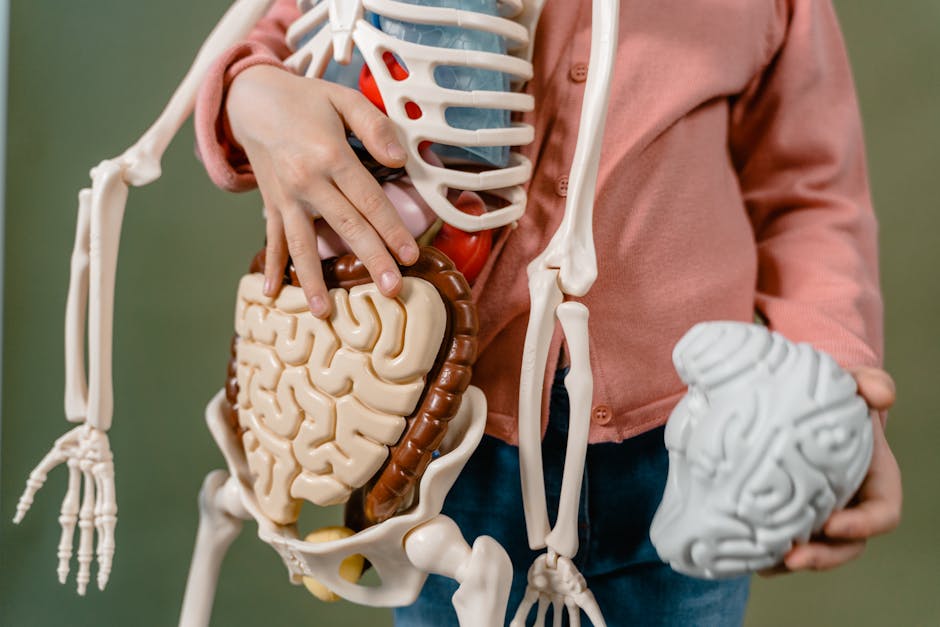
6.1 Understanding Probiotics and the Gut Microbiome
Probiotics are live microorganisms, often referred to as "good" or "friendly" bacteria, that are believed to offer health benefits when consumed in appropriate amounts. The human gut hosts a complex community of microorganisms, collectively known as the gut microbiome. Research suggests that a balanced gut microbiome is crucial for maintaining digestive health, supporting immune function, and potentially influencing overall well-being.
6.2 Clinical Trials on Probiotics and Digestive Health
Numerous clinical trials have explored the impact of probiotics on digestive health, particularly in alleviating symptoms of gastrointestinal disorders. Some studies indicate that certain probiotic strains may help improve symptoms of conditions such as irritable bowel syndrome (IBS), inflammatory bowel disease (IBD), and even functional dyspepsia. Researchers have found that these benefits might be due to the ability of probiotics to enhance gut barrier function, modulate the immune response, and maintain microbial balance.
6.3 Probiotics and Overeating: Potential Benefits
Overeating can lead to digestive discomfort, including bloating and indigestion. Research is examining how probiotics might aid in reducing these symptoms by promoting a healthier digestive environment. Some studies suggest that probiotics may support the digestion of food and absorption of nutrients, potentially reducing the impact of occasional overeating. Additionally, probiotics might play a role in influencing appetite regulation, although more research is needed to establish a clear connection.
6.4 Mechanisms of Action: How Probiotics Work
The mechanisms through which probiotics exert their effects are complex and multifaceted. It is believed that they may work by reinforcing the gut lining, producing antimicrobial substances, competing with pathogenic bacteria, and modulating local and systemic immune responses. These actions collectively contribute to maintaining a balanced gut microbiome, which is essential for optimal digestive function.
6.5 Selecting the Right Probiotic for Digestive Health
Choosing the appropriate probiotic supplement can be challenging due to the variety of strains available. Experts recommend considering the specific health condition, the evidence supporting the use of particular strains, and individual health needs. While some probiotics are generalists, others are strain-specific, meaning they are more effective for certain conditions. It is advisable to consult with a healthcare professional to determine the most suitable probiotic option for individual digestive health goals.
In conclusion, probiotics hold promise for enhancing digestive health and potentially alleviating discomfort associated with overeating. Ongoing research continues to uncover the diverse roles these beneficial microbes play in supporting gut health. By understanding the science behind probiotics, individuals can make informed decisions about incorporating them into their health regimen to support digestive well-being.
7. Mind-Body Techniques for Digestive Comfort

The interplay between the mind and body is an area of growing interest in the field of digestive health. Mind-body techniques such as deep breathing, meditation, and acupuncture are believed to play a role in alleviating stomach discomfort by targeting stress, a known contributor to digestive issues. This section explores the potential benefits of these techniques, supported by research on stress reduction and its impact on digestion.
7.1 Deep Breathing Exercises
Deep breathing exercises, often associated with practices like yoga and tai chi, are believed to help in reducing stress and promoting relaxation. Research suggests that deep breathing may activate the parasympathetic nervous system, which is responsible for the 'rest and digest' response. By doing so, it may enhance digestion and reduce symptoms of gastrointestinal distress. Studies have indicated that individuals who practice deep breathing regularly may experience reduced bloating, cramping, and other discomforts associated with digestive issues.
7.2 Meditation and Mindfulness
Meditation and mindfulness practices are increasingly recognized for their potential to improve mental well-being and reduce stress. Research studies have shown that mindfulness-based interventions can be beneficial for individuals with digestive disorders, such as irritable bowel syndrome (IBS). The stress-reducing effects of meditation may help in managing the gut-brain axis, potentially leading to improved digestive function and comfort. Regular practice is believed to foster a greater awareness of bodily sensations, which can help individuals better manage their digestive symptoms.
7.3 Acupuncture for Digestive Health
Acupuncture, a traditional Chinese medicine technique, involves inserting thin needles into specific points on the body. It is believed to help balance the body's energy flow and has been studied for its potential effects on digestive health. Some clinical trials suggest that acupuncture may alleviate symptoms of conditions like functional dyspepsia and irritable bowel syndrome. The mechanism by which acupuncture is thought to aid digestion includes modulation of the autonomic nervous system and reduction of visceral hypersensitivity, which may contribute to a decrease in abdominal pain and discomfort.
7.4 The Connection Between Stress and Digestion
Understanding the connection between stress and digestion is crucial for appreciating the potential benefits of mind-body techniques. Chronic stress is known to alter gut motility and secretion, leading to symptoms like bloating, gas, and altered bowel habits. By employing techniques that reduce stress, individuals may support their digestive health and experience greater comfort. A growing body of evidence underscores the importance of managing stress as part of a comprehensive approach to digestive wellness.
In conclusion, mind-body techniques offer promising avenues for those seeking to alleviate digestive discomfort. While more research is needed to fully understand their mechanisms and efficacy, these practices may support digestive health by promoting relaxation and reducing stress. Individuals interested in incorporating these techniques into their health routine should consider consulting with healthcare professionals to determine the most suitable approach for their needs.