
1. Understanding Probiotics and Their Role in Digestive Health

Digestive health is a critical component of overall well-being, and probiotics have emerged as a significant focus in this area. These live microorganisms, often referred to as "good bacteria," are believed to confer health benefits when consumed in adequate amounts. Understanding how probiotics function within the digestive system can provide insights into their potential role in alleviating common issues such as bloating.
1.1 What Are Probiotics?
Probiotics are live bacteria and yeasts that naturally reside in the human body, primarily in the gut. They are also found in various foods and supplements. The human gastrointestinal tract hosts a complex and dynamic population of microorganisms, known as the gut microbiota, which plays a crucial role in maintaining digestive health.
- Probiotics are typically classified based on their genus and species, such as Lactobacillus and Bifidobacterium.
- These microorganisms are commonly found in fermented foods like yogurt, kefir, sauerkraut, and kimchi.
- Probiotic supplements are available in various forms, including capsules, tablets, and powders.
1.2 How Probiotics Function in the Digestive System
The primary function of probiotics in the digestive system is to maintain a balanced gut microbiota. A healthy gut flora is believed to support the digestive process, enhance nutrient absorption, and protect against harmful pathogens. Probiotics may also play a role in modulating the immune system and reducing inflammation within the gut.
Research suggests that probiotics can help restore the natural balance of gut bacteria disrupted by factors such as antibiotic use, poor diet, or stress. By promoting a healthy balance of microorganisms, probiotics may improve digestive function and overall gut health.
1.3 Probiotics and Bloating Relief
Bloating is a common digestive complaint that can cause significant discomfort. It is often associated with an imbalance in gut bacteria, which can lead to excessive gas production and impaired digestion. Probiotics are believed to help alleviate bloating by enhancing the digestive process and reducing gas production.
Several scientific studies have explored the role of probiotics in managing bloating. For instance, research indicates that certain strains of probiotics, such as Bifidobacterium lactis, may reduce bloating and improve overall digestive comfort. Expert opinions also suggest that regular consumption of probiotics may support a balanced gut microbiota, which is essential for minimizing bloating and other digestive disturbances.
While individual responses to probiotics may vary, incorporating these beneficial microorganisms into one's diet could offer a natural approach to supporting digestive health and alleviating bloating.
2. Identifying Probiotic-Rich Foods
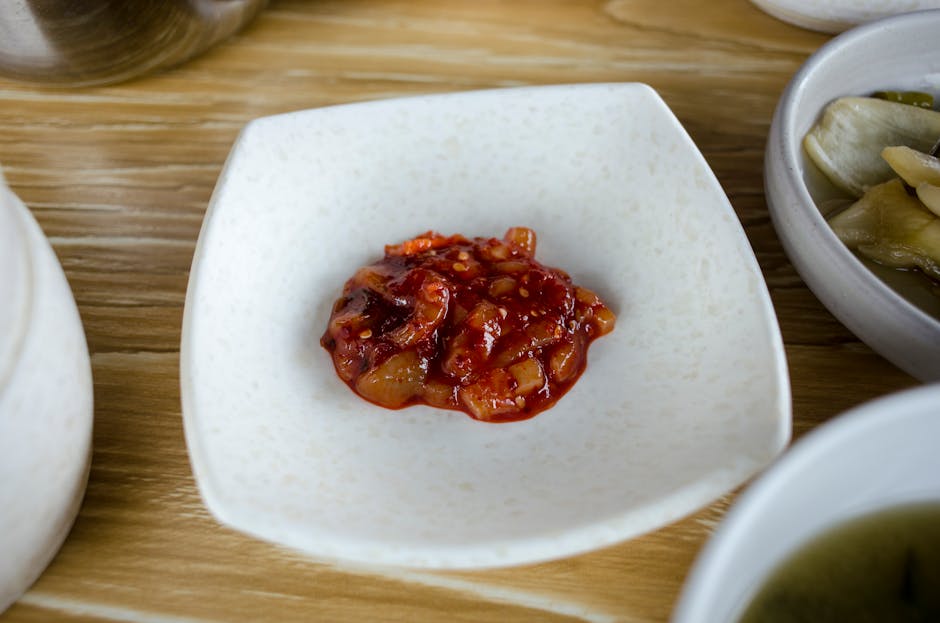
Incorporating probiotic-rich foods into your diet can be a natural way to support gut health and potentially reduce symptoms such as bloating. Probiotic-rich foods are those that contain live beneficial bacteria, which can help maintain a balanced gut microbiota. This section explores various foods that are naturally high in probiotics and offers insights into how they can be included in your dietary routine.
2.1 Fermented Foods
Fermented foods are among the most well-known sources of probiotics. The fermentation process involves the natural breakdown of sugars by bacteria and yeast, resulting in foods that are rich in live cultures. These foods are believed to support digestive health by introducing beneficial bacteria into the gut.
- Yogurt: Made by fermenting milk with specific bacterial cultures, yogurt is a popular probiotic-rich food. It is believed to support gut health and is easily incorporated into breakfast or snacks.
- Kefir: This fermented milk drink contains a diverse array of bacterial strains and yeasts. Kefir can be consumed on its own or added to smoothies for an extra probiotic boost.
- Sauerkraut: Fermented cabbage, known as sauerkraut, is a traditional probiotic food. It can be used as a condiment or side dish to enhance meals with its tangy flavor.
- Kimchi: A staple in Korean cuisine, kimchi is made from fermented vegetables and spices. It is believed to support digestive health and can be enjoyed as a flavorful addition to various dishes.
2.2 Dairy Products
Dairy products, particularly those that are fermented, are another significant source of probiotics. These products can be easily incorporated into the diet and offer a range of flavors and textures.
- Cheese: Some types of cheese, such as gouda, cheddar, and Swiss, contain probiotics. Including these cheeses in your diet may provide probiotic benefits, though the levels can vary based on the cheese's production process.
- Buttermilk: Traditional buttermilk, which is the liquid left after churning butter, contains live cultures. It can be consumed as a refreshing drink or used in cooking and baking.
2.3 Non-Dairy Options
For those who are lactose intolerant or prefer non-dairy options, there are several plant-based foods that also offer probiotic benefits.
- Miso: A fermented soybean paste used in Japanese cuisine, miso is rich in probiotics. It can be used to make soups, marinades, and dressings.
- Tempeh: Made from fermented soybeans, tempeh is a versatile, protein-rich food that can be used in a variety of dishes, such as stir-fries and sandwiches.
Incorporating a variety of these probiotic-rich foods into your diet may support a healthy gut microbiota. While individual responses can vary, regularly consuming these foods is believed to contribute to improved digestive health and reduced bloating.
3. The Science Behind Probiotics and Bloating Relief

Probiotics, which are live microorganisms that confer health benefits to the host when consumed in adequate amounts, have been the subject of extensive research regarding their role in digestive health. Specifically, their potential to alleviate bloating—a common discomfort experienced by many individuals—has garnered significant attention. This section delves into the scientific evidence connecting probiotics with bloating relief, examining how certain strains may support a balanced gut microbiome and reduce digestive discomfort.
3.1 Understanding the Gut Microbiome
The human gut microbiome consists of trillions of microorganisms, including bacteria, viruses, fungi, and other microbes. A balanced gut microbiome is believed to play a crucial role in maintaining overall health, including digestive health. Disruptions in this balance, often referred to as dysbiosis, can lead to digestive issues, including bloating. Research suggests that introducing probiotics into the diet can help restore this balance, potentially alleviating symptoms like bloating.
3.2 Probiotic Strains and Their Effects
Not all probiotics are created equal. Specific strains of probiotics have been identified as particularly effective in supporting digestive health and reducing bloating. Here are some strains that have been studied:
- Lactobacillus acidophilus: Research suggests that this strain may help reduce bloating by promoting the breakdown of lactose, a sugar found in dairy products that can contribute to bloating in lactose-intolerant individuals.
- Bifidobacterium lactis: This strain is believed to support a healthy balance of gut bacteria, which may help reduce bloating and improve overall gut health.
- Lactobacillus plantarum: Studies indicate that this strain may help reduce gas production in the intestines, potentially alleviating bloating.
3.3 Scientific Studies on Probiotics and Bloating Relief
Several scientific studies have explored the relationship between probiotics and bloating relief:
- A study published in the Journal of Clinical Gastroenterology found that participants who consumed a probiotic containing Bifidobacterium lactis experienced a significant reduction in bloating compared to those who took a placebo.
- Research in the American Journal of Gastroenterology suggested that a multi-strain probiotic supplement including Lactobacillus acidophilus and Lactobacillus plantarum helped reduce symptoms of bloating and abdominal distension in individuals with irritable bowel syndrome (IBS).
These studies highlight the potential of probiotics to support digestive health and reduce bloating. However, it is essential to note that individual responses to probiotics can vary, and further research is needed to fully understand their mechanisms and efficacy.
3.4 Incorporating Probiotics into Your Routine
For those interested in exploring the potential benefits of probiotics for bloating relief, incorporating probiotic-rich foods or supplements into the diet may be a beneficial strategy. As always, individuals should consider consulting with a healthcare professional to tailor their approach to their unique health needs and circumstances.
4. Practical Tips for Incorporating Probiotics into Your Diet

4.1 Choosing Probiotic-Rich Foods
Integrating probiotics into your diet can be as simple as adding certain foods known for their probiotic content. Fermented foods are a natural source of beneficial bacteria. Here are some options to consider:
- Yogurt: Look for yogurt that contains live and active cultures. It can be consumed as a snack or added to smoothies.
- Kefir: This fermented milk drink is rich in probiotics and can be used as a base for smoothies or as a refreshing beverage on its own.
- Kimchi and Sauerkraut: Both are fermented vegetables that can be added to salads, sandwiches, or as a side dish to meals.
- Miso: A fermented soybean paste that can be used in soups, marinades, and dressings.
- Kombucha: A fermented tea that can be enjoyed as a fizzy drink.
4.2 Timing and Portion Considerations
Timing and portion sizes can play a role in maximizing the benefits of probiotics. While there is no one-size-fits-all approach, here are some general guidelines:
- Regular Consumption: Consistency is key. Incorporating small amounts of probiotic-rich foods into your daily diet may be more beneficial than consuming large quantities sporadically.
- Start Small: If you're new to probiotics, start with small portions to allow your digestive system to adjust. Gradually increase the amount as your body becomes accustomed to it.
- With Meals: Consuming probiotics with meals may enhance their survival through the stomach and support better colonization in the gut.
4.3 Supplementing with Probiotics
In addition to food sources, probiotic supplements are also an option for those looking to boost their intake. Here are some tips for incorporating supplements:
- Choose the Right Strain: Different strains may offer different benefits. Research suggests selecting a strain that aligns with your specific health goals, such as digestive support or bloating reduction.
- Follow Storage Instructions: Some probiotic supplements require refrigeration to maintain their potency. Always follow the storage instructions provided by the manufacturer.
- Consult a Professional: Before starting any supplement, consider consulting with a healthcare professional to ensure it's appropriate for your individual health needs.
4.4 Integrating Probiotics into Daily Meals
Incorporating probiotics into daily meals can be straightforward and enjoyable. Here are some creative ways to include them:
- Breakfast: Add probiotic-rich yogurt or kefir to your morning smoothie or enjoy it with granola and fresh fruits.
- Lunch: Include a side of kimchi or sauerkraut with your sandwich or salad for an extra probiotic boost.
- Dinner: Use miso paste to create a flavorful soup or marinade for tofu and vegetables.
- Snacks: Enjoy a glass of kombucha or a small serving of yogurt as a mid-day snack.
By exploring these practical tips, individuals may find it easier to incorporate beneficial probiotics into their diet in a way that aligns with their lifestyle and dietary preferences.
5. Balancing Your Gut Microbiome for Long-Term Health

Maintaining a balanced gut microbiome is crucial for long-term digestive health and overall well-being. While probiotics play a significant role, there are additional strategies that can support a healthy gut environment. This section explores dietary fiber, prebiotics, and lifestyle changes that may contribute to sustained relief from bloating and promote digestive health.
5.1 The Role of Dietary Fiber
Dietary fiber is an essential component of a balanced diet and plays a pivotal role in gut health. Research suggests that a diet rich in fiber can promote the growth of beneficial bacteria, which may help in reducing bloating and improving digestion. There are two types of dietary fiber: soluble and insoluble, both offering unique benefits.
- Soluble Fiber: Found in foods such as oats, beans, and fruits, soluble fiber can absorb water and form a gel-like substance that aids in digestion.
- Insoluble Fiber: Present in whole grains and vegetables, insoluble fiber adds bulk to the stool and helps it pass more quickly through the digestive tract.
Incorporating a variety of fiber-rich foods into your diet may support a thriving gut microbiome and help alleviate digestive discomfort.
5.2 The Importance of Prebiotics
Prebiotics are non-digestible food components that stimulate the growth and activity of beneficial gut bacteria. Unlike probiotics, which are live bacteria, prebiotics serve as food for these microorganisms. Including prebiotics in your diet may enhance the effectiveness of probiotics and contribute to a balanced gut microbiome.
- Sources of Prebiotics: Foods such as garlic, onions, bananas, and asparagus are rich in prebiotics.
- Benefits of Prebiotics: They may improve digestion, reduce inflammation, and enhance mineral absorption.
By combining prebiotic-rich foods with probiotics, individuals may experience more significant health benefits, including reduced bloating and improved gut health.
5.3 Lifestyle Changes for Gut Health
In addition to dietary adjustments, certain lifestyle changes can further support a balanced gut microbiome. Implementing these changes may lead to sustained improvements in digestive health and overall well-being.
- Regular Physical Activity: Exercise is believed to increase gut motility and enhance microbial diversity.
- Stress Management: Chronic stress can negatively impact gut health. Techniques such as yoga, meditation, and deep breathing may help manage stress levels.
- Adequate Sleep: Quality sleep is essential for maintaining a healthy gut. Sleep disturbances can affect the composition of gut bacteria.
By integrating these lifestyle modifications, individuals can support their gut microbiome, potentially leading to long-term relief from digestive issues and improved overall health.
6. Common Myths and Misconceptions About Probiotics

6.1 Myth: Probiotics Are a Quick Fix for Bloating
A common misconception is that probiotics can instantly relieve bloating. While probiotics are believed to support gut health, their effects are not immediate. Research suggests that it may take several weeks of consistent use to observe any significant changes in digestive health. Probiotics are part of a broader approach to gut health, which includes diet and lifestyle modifications.
6.2 Myth: All Probiotics Are the Same
Another widespread belief is that all probiotics offer the same benefits. In reality, different strains of probiotics may have varying effects on the gut. Some strains are believed to be more effective in reducing bloating, while others may support immune health or alleviate diarrhea. It is important to choose a probiotic that aligns with specific health goals, and to note that individual responses can vary.
6.3 Misconception: Probiotics Can Replace a Healthy Diet
Some individuals may assume that taking probiotics can substitute for a balanced diet, but this is not the case. Probiotics work best when combined with a nutritious diet rich in fiber, prebiotics, and other essential nutrients. A healthy diet provides the necessary environment for probiotics to thrive and exert their benefits.
6.4 Myth: Probiotics Are Effective for Everyone
While probiotics can benefit many people, they are not universally effective for everyone. Factors such as individual gut microbiome composition, overall health, and lifestyle can influence how a person responds to probiotics. It is advisable to monitor one's own response and consult with a healthcare professional if there are concerns or if expected benefits are not observed.
6.5 Misconception: More Probiotics Are Better
The idea that consuming more probiotics will result in greater benefits is misleading. The effectiveness of probiotics is not solely determined by quantity but also by the quality and specific strains. Overconsumption without understanding the needs of one’s gut microbiome may not yield additional benefits and could potentially lead to digestive discomfort.
By addressing these myths and misconceptions, individuals can make more informed decisions about incorporating probiotics into their diet as part of a comprehensive approach to gut health. This understanding helps set realistic expectations and supports long-term digestive well-being.