
1. Understanding Digestive Enzymes

Digestive enzymes are crucial proteins in the human body that facilitate the breakdown of food into absorbable nutrients. These enzymes are secreted by various organs, including the salivary glands, stomach, pancreas, and small intestine, each serving a unique role in the digestive process. By catalyzing chemical reactions, digestive enzymes ensure that the nutrients in food are efficiently converted into energy and building blocks for the body.
1.1 The Role of Digestive Enzymes in the Body
The primary function of digestive enzymes is to assist in the decomposition of macronutrients such as carbohydrates, proteins, and fats. Research suggests that different types of enzymes target specific nutrients: amylases break down carbohydrates, proteases focus on proteins, and lipases are responsible for fat digestion. This targeted action ensures that the body can effectively absorb vital nutrients, supporting overall health and well-being.
1.2 How Enzymes Aid in Breaking Down Food
As food enters the digestive tract, enzymes begin their work. The process starts in the mouth, where salivary amylase initiates the breakdown of carbohydrates. In the stomach, proteases like pepsin further decompose proteins into peptides. As food moves into the small intestine, pancreatic enzymes continue the digestion process, aided by bile from the liver that emulsifies fats, allowing lipases to act more effectively. This systematic breakdown is essential for nutrient absorption and energy production.
1.3 Benefits of a Homemade Enzyme Blend for Digestive Health
For individuals experiencing digestive issues, such as those associated with GERD, a homemade enzyme blend may offer supportive benefits. Customizing a blend of digestive enzymes, potentially including amylase, protease, and lipase, is believed to enhance the body's natural digestion process. By supplementing the body's enzyme production, a homemade blend may support more efficient digestion and reduce discomfort associated with indigestion and nutrient malabsorption.
While the creation of a homemade enzyme blend should be approached with care, it represents a personalized strategy that could complement existing digestive health practices. As research continues to explore the potential benefits of digestive enzymes, they remain a promising area for those seeking to support their digestive wellness naturally.
2. Identifying the Key Enzymes

Understanding the specific roles of various digestive enzymes is essential for comprehending how they contribute to overall digestive health. Each enzyme has a unique function within the digestive process, ensuring that nutrients are broken down efficiently for absorption. This section explores the key enzymes involved in digestion, highlighting their specific roles and potential benefits for individuals with digestive concerns such as GERD.
2.1 Amylase: The Carbohydrate Converter
Amylase is an enzyme primarily responsible for the breakdown of carbohydrates into simple sugars. It is secreted by the salivary glands and the pancreas. Research suggests that the presence of amylase in saliva marks the beginning of carbohydrate digestion right in the mouth, preparing starches for further breakdown in the small intestine. This enzyme's activity is crucial for maintaining balanced blood sugar levels and ensuring that energy from carbohydrates is readily available to the body.
2.2 Protease: The Protein Breaker
Proteases are enzymes that focus on the digestion of proteins, breaking them down into peptides and amino acids. These enzymes are primarily produced in the stomach and pancreas. Pepsin, a well-known protease, begins the protein digestion process in the acidic environment of the stomach. Subsequent proteases continue this work in the small intestine. By aiding in the decomposition of proteins, proteases play a vital role in muscle repair, immune function, and the production of enzymes and hormones.
2.3 Lipase: The Fat Digester
Lipase is the enzyme responsible for the digestion of dietary fats. Produced by the pancreas and secreted into the small intestine, lipase works in conjunction with bile produced by the liver to emulsify fats, allowing for efficient breakdown and absorption. The proper function of lipase is essential for the absorption of fat-soluble vitamins such as A, D, E, and K. For individuals with digestive disorders such as GERD, supporting lipase activity may help alleviate symptoms related to fat digestion.
2.4 Other Supporting Enzymes
In addition to the primary enzymes, there are other supporting enzymes that aid in the digestive process. Lactase, for instance, helps in breaking down lactose, the sugar found in milk. Sucrase and maltase are involved in the digestion of specific sugars like sucrose and maltose, respectively. These enzymes play supplementary roles in ensuring that all types of carbohydrates are efficiently processed, contributing to overall digestive efficiency and comfort.
3. Benefits of a Homemade Digestive Enzyme Blend
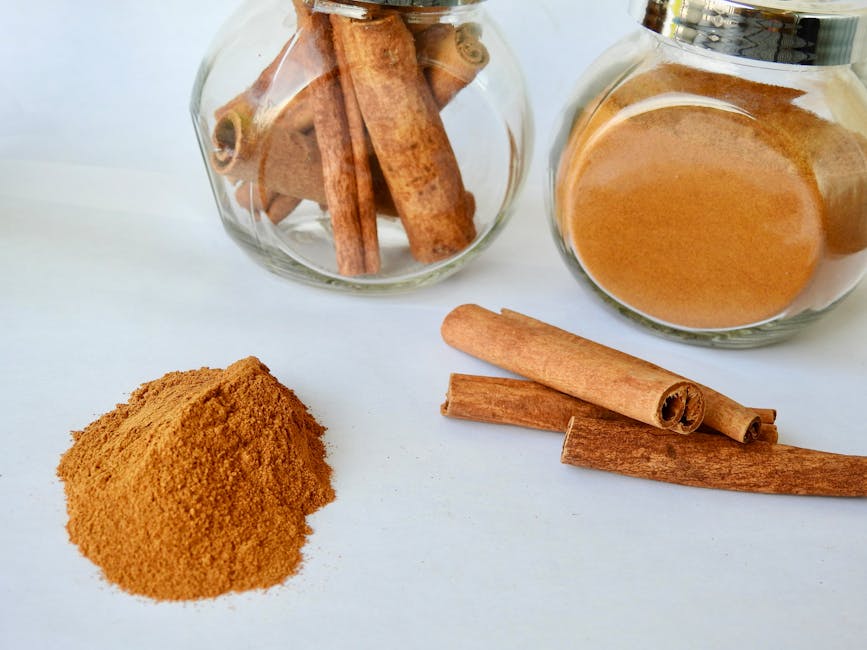
Creating a personalized digestive enzyme blend at home can offer several potential benefits for those seeking to support their digestive health. While the process should be approached with care, the targeted use of specific enzymes may enhance digestion, reduce discomfort, and improve nutrient uptake. This section explores the potential advantages of a homemade digestive enzyme blend, emphasizing its role in promoting gastrointestinal wellness.
3.1 Improved Digestion
One of the primary reasons individuals consider a homemade digestive enzyme blend is to improve digestion. Research suggests that enzymes like amylase, protease, and lipase play crucial roles in breaking down carbohydrates, proteins, and fats, respectively. By ensuring that these macronutrients are effectively digested, a personalized enzyme blend may support a smoother and more efficient digestive process, potentially alleviating issues such as indigestion and heartburn commonly associated with GERD.
3.2 Reduced Bloating
Bloating is a common digestive complaint that can be both uncomfortable and distressing. A homemade digestive enzyme blend tailored to individual needs may help address this issue. By enhancing the breakdown of complex carbohydrates and proteins that often contribute to gas and bloating, enzymes such as lactase and sucrase can play a role in reducing the uncomfortable sensation of fullness and abdominal distension. Research indicates that supporting enzyme activity may help mitigate these symptoms, offering relief to those affected.
3.3 Enhanced Nutrient Absorption
The efficient digestion of food is directly linked to the body's ability to absorb essential nutrients. A homemade enzyme blend that includes key enzymes like lipase, which aids in the absorption of fat-soluble vitamins, can be beneficial. Similarly, proteases and amylases ensure that proteins and carbohydrates are broken down into their absorbable forms. By supporting these processes, a personalized enzyme blend may enhance nutrient absorption, providing the body with the necessary building blocks for energy, repair, and overall health.
In conclusion, while the creation of a homemade digestive enzyme blend should be undertaken with careful consideration, the potential benefits are noteworthy. By focusing on the specific needs of the digestive system, individuals can harness the power of enzymes to promote better digestive health and overall well-being.
4. Selecting Natural Ingredients for Your Blend

Creating a homemade digestive enzyme blend involves selecting natural ingredients that align with your specific digestive needs. By leveraging the enzymatic properties of certain foods, individuals can create a blend that may support optimal digestion and alleviate symptoms associated with GERD.
4.1 Pineapple: A Source of Bromelain
Pineapple is a tropical fruit known for its rich content of bromelain, a group of proteolytic enzymes that assist in protein digestion. Research suggests that bromelain may enhance the digestive process by breaking down complex proteins into simpler peptides, potentially reducing bloating and discomfort. Including pineapple in your enzyme blend could offer a natural way to support protein digestion and overall digestive health.
4.2 Papaya: The Power of Papain
Papaya contains papain, another proteolytic enzyme that aids in the digestion of proteins. This enzyme is believed to be effective in breaking down tough protein fibers, making it a popular choice for those looking to enhance their digestive enzyme blend. By incorporating papaya, individuals may experience improved protein digestion and symptom relief, contributing to a more comfortable digestive experience.
4.3 Ginger: Aiding Digestive Motility
Ginger is renowned for its digestive benefits, particularly its ability to support digestive motility. While not a source of digestive enzymes per se, ginger may complement an enzyme blend by promoting the movement of food through the digestive tract. This can be especially beneficial for those experiencing sluggish digestion or nausea, as ginger is believed to help soothe the digestive system and reduce symptoms of indigestion.
4.4 Tailoring Ingredients to Your Needs
When selecting ingredients for a digestive enzyme blend, it's important to consider individual digestive needs and preferences. Some individuals may benefit from additional enzyme-rich foods such as kiwifruit, which contains actinidin, or fermented foods like sauerkraut, which are believed to aid in the breakdown of various nutrients. Experimenting with different combinations may help identify the most effective blend tailored to personal digestive health goals.
In conclusion, selecting natural ingredients for a homemade digestive enzyme blend offers an opportunity to harness the digestive benefits of foods like pineapple, papaya, and ginger. By understanding the enzymatic properties of these ingredients, individuals can create a blend that aligns with their unique digestive needs, potentially improving digestion and alleviating symptoms associated with GERD.
5. Step-by-Step Guide to Making Your Blend

Creating a homemade digestive enzyme blend involves a thoughtful combination of selected natural ingredients. By following a detailed guide, individuals can craft a blend that may support their digestive health effectively. Below is a step-by-step process to help you prepare your enzyme blend.
5.1 Gathering Your Ingredients
Start by assembling the necessary ingredients based on your prior selections. Ensure you have fresh pineapple for bromelain, ripe papaya for papain, and fresh ginger to support digestive motility. Consider adding other fruits or fermented foods that align with your digestive needs, such as kiwifruit or sauerkraut.
5.2 Preparing the Ingredients
Proper preparation of your ingredients is crucial to maximize their enzymatic benefits:
- Pineapple: Peel and core the pineapple, then cut it into chunks. The core has the highest concentration of bromelain, so include it in your blend.
- Papaya: Peel the papaya, remove the seeds, and chop it into pieces. The flesh contains papain, which is essential for protein digestion.
- Ginger: Peel the ginger and slice it thinly. This will help release its active compounds, which may aid in digestive motility.
5.3 Blending the Ingredients
Once your ingredients are prepared, it’s time to combine them:
- Place the pineapple chunks, papaya pieces, and ginger slices into a blender.
- If you have chosen to include additional ingredients like kiwifruit or sauerkraut, add them at this stage.
- Blend the ingredients until smooth, ensuring the consistency is even to facilitate easy consumption.
5.4 Storing Your Blend
Proper storage of your enzyme blend is important to maintain its potency:
- Transfer the blend to an airtight container to prevent oxidation.
- Store the container in the refrigerator to preserve the enzymatic activity and keep the blend fresh.
- Consume within a few days to ensure maximum effectiveness and to avoid spoilage.
5.5 Incorporating the Blend into Your Diet
Introduce the enzyme blend into your diet gradually. Consider taking a small amount with meals to assess your body’s response. As each individual’s digestive system is unique, you may need to adjust the quantity or frequency based on how you feel. Monitoring your symptoms and adjusting the blend accordingly can help optimize your digestive health journey.
By following this step-by-step guide, individuals may create a personalized digestive enzyme blend that aligns with their specific needs. This tailored approach not only supports digestion but also provides an opportunity to explore the potential benefits of natural enzymatic ingredients.
6. Dosage and Usage Recommendations

6.1 Understanding Dosage Guidelines
When incorporating a homemade digestive enzyme blend into your diet, understanding dosage guidelines is crucial. Research suggests that starting with a small amount and gradually increasing it can help gauge your digestive system's response. It is believed that this approach minimizes the risk of any potential discomfort or adverse effects.
While there isn't a one-size-fits-all dosage, individuals may begin with a teaspoon of the enzyme blend per meal. Observing how your body reacts can guide any adjustments. As each person's digestive system is unique, tailoring the dosage to your specific needs is recommended.
6.2 Timing for Optimal Results
The timing of when you consume your enzyme blend may influence its effectiveness. Research suggests that taking the blend just before or during meals can support the digestive process, as it aligns with the body's natural enzyme production. By doing so, the enzymes are introduced at a time when they can assist in breaking down the food more efficiently.
Some individuals may find it beneficial to consume the blend before larger meals or those that are more difficult to digest. Paying attention to your body's signals and adapting your usage accordingly can enhance the blend's benefits.
6.3 Monitoring and Adjusting Usage
Monitoring your symptoms and digestive responses after consuming the enzyme blend is essential for optimizing its use. If you notice improvements in your digestion, such as reduced bloating or a decrease in GERD symptoms, maintaining your current regimen may be effective. However, if no changes are observed, consider adjusting the amount or timing of your intake.
Keeping a journal to track your experiences can be a helpful tool. Documenting what you consume and how you feel can provide insights into any necessary adjustments and support your journey towards improved digestive health.
6.4 Consulting with Healthcare Professionals
While homemade enzyme blends may offer potential benefits, consulting with healthcare professionals is advisable, especially if you have existing health conditions or are taking other medications. Professionals can provide personalized recommendations and ensure that your use of enzyme blends complements your overall health regimen.
In conclusion, by understanding dosage guidelines, timing, and the importance of monitoring, individuals can effectively incorporate homemade digestive enzyme blends into their diets. Tailoring usage to personal needs and seeking professional advice can further enhance the potential benefits for digestive health.
7. Potential Risks and Considerations

7.1 Allergic Reactions
When using homemade enzyme blends, one potential risk to consider is the possibility of allergic reactions. Individuals may be sensitive to certain natural ingredients used in these blends, such as papain from papaya or bromelain from pineapple. Symptoms of an allergic reaction can range from mild, such as itching or a rash, to severe, including difficulty breathing or anaphylaxis. It is crucial to be aware of any allergies to specific fruits or plant derivatives and to test the blend with caution.
7.2 Interactions with Medications
Another important consideration is the potential for interactions with medications. Some natural enzymes may influence how medications are metabolized in the body, potentially altering their effectiveness or leading to adverse effects. For instance, bromelain may enhance the absorption of certain antibiotics, which could necessitate dosage adjustments. It is advised to consult with a healthcare provider before starting an enzyme blend, particularly if you are currently taking prescribed medications to manage GERD or other conditions.
7.3 Digestive Sensitivities
While digestive enzyme blends can support digestion, they may also cause discomfort for some individuals. Overuse or incorrect ratios of enzymes could lead to digestive issues such as diarrhea, cramping, or nausea. Monitoring your body's response and adjusting the blend as needed can help mitigate these risks. Starting with a small amount and observing any changes in digestive symptoms is a prudent approach.
7.4 Quality and Purity of Ingredients
The quality and purity of ingredients used in homemade enzyme blends are essential considerations. Selecting high-quality, organic sources can reduce the risk of contamination with pesticides or other harmful substances. Additionally, ensuring that ingredients are stored properly and used within their shelf life can help maintain the blend's efficacy and safety.
7.5 Long-term Effects
The long-term effects of using homemade enzyme blends are not well-documented, and their impact on digestive health over time remains uncertain. While short-term use may offer digestive support, prolonged use without professional guidance could potentially lead to dependency or disrupt the body's natural enzyme production. It is advisable to periodically assess the necessity of continued use and consult with a healthcare provider to ensure that long-term consumption is beneficial for your health.
In summary, while homemade enzyme blends offer potential digestive benefits, it is important to consider the risks associated with allergies, medication interactions, digestive sensitivities, ingredient quality, and long-term use. Being informed and consulting with healthcare professionals can help ensure safe and effective use of these natural remedies.
8. Evaluating the Effectiveness of Your Blend

8.1 Monitoring Digestive Health Improvements
Evaluating the effectiveness of a digestive enzyme blend begins with closely monitoring your digestive health improvements. It's important to pay attention to changes in symptoms such as heartburn, bloating, or indigestion. Keeping a journal to record your daily experiences can be an effective way to track patterns and recognize improvements over time. Note the frequency and severity of any symptoms before and after starting the enzyme blend, which can help you assess its impact on your digestive health.
8.2 Identifying and Adjusting Ingredients
If you're not experiencing the desired improvements, it may be necessary to adjust the ingredients in your blend. Each individual's digestive system is unique, and certain enzymes may be more beneficial than others depending on your specific needs. For instance, if protein digestion is a primary concern, you might consider increasing enzymes like protease. Conversely, if you find certain ingredients are causing discomfort, reducing or eliminating them could improve tolerance. Continually refining your blend based on observations can lead to a more personalized and effective solution.
8.3 Seeking Professional Guidance
Consulting with a healthcare professional can provide valuable insights into evaluating and optimizing your enzyme blend. Professionals can offer advice based on your medical history and current health status, helping to ensure that your approach aligns with your overall health goals. They can also recommend specific tests to better understand your digestive health needs, allowing for more targeted adjustments to your enzyme blend. Regular check-ins with a healthcare provider can bolster the safety and effectiveness of your digestive health strategy.
8.4 Long-term Assessment and Reevaluation
Periodically reassessing the effectiveness of your enzyme blend is crucial, as digestive needs can change over time. Long-term use of any supplement should be carefully monitored to prevent potential dependency or disruption of natural digestive processes. Setting intervals, such as every few months, to review your digestive health and the continued necessity of your blend can help maintain a balance. This ongoing evaluation ensures that your approach remains aligned with your evolving health needs and supports your digestive well-being sustainably.