1. Understanding the Connection Between Hydration and Digestive Health

1.1 The Role of Water in Digestive Processes
Hydration is a fundamental component of digestive health, serving as a key player in several digestive processes. Water is vital for breaking down food, allowing for the absorption of nutrients that are essential for our body's functions. When we consume adequate amounts of water, it helps dissolve soluble fiber, promoting smooth digestion and preventing issues such as constipation.
1.2 Facilitating Nutrient Absorption
Research suggests that proper hydration may significantly support nutrient absorption. Water helps transport nutrients from digested food into the bloodstream, ensuring that vital vitamins and minerals reach cells and tissues where they are needed most. Without sufficient water intake, these processes can be hindered, potentially leading to nutrient deficiencies and associated health concerns.
1.3 Enhancing Waste Elimination
Beyond nutrient absorption, water is also crucial for the elimination of waste products from the body. It aids in the formation of stool and facilitates regular bowel movements, reducing the risk of digestive discomforts such as bloating and constipation. Hydration ensures that waste is efficiently expelled from the body, maintaining a healthy balance within the digestive system.
1.4 Hydration and GERD
For individuals dealing with Gastroesophageal Reflux Disease (GERD), staying hydrated may play a supportive role. While water does not directly alleviate GERD, adequate hydration is believed to help maintain the mucosal lining of the stomach, potentially providing a protective effect against acid irritation. Moreover, water can dilute stomach acid, which may help minimize symptoms when consumed in moderate amounts throughout the day.
1.5 Conclusion
In summary, the connection between hydration and digestive health is robust and multi-faceted. By supporting the breakdown of food, facilitating nutrient absorption, and aiding in waste elimination, water plays an indispensable role in maintaining digestive wellness. For those managing conditions like GERD, staying hydrated is a simple yet effective strategy that complements other lifestyle and dietary adjustments aimed at promoting digestive health.
2. Signs of Dehydration and Its Impact on Gut Function
2.1 Recognizing the Symptoms of Dehydration
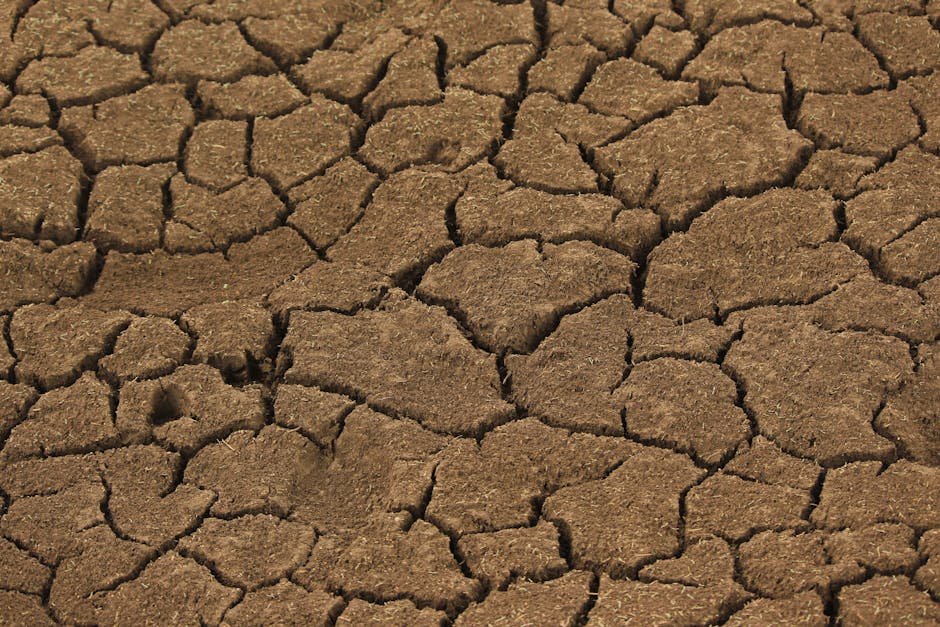
Dehydration occurs when the body loses more fluids than it takes in, leading to a deficiency that can manifest through various symptoms. Common signs of dehydration include excessive thirst, dry mouth, fatigue, dizziness, and dark-colored urine. As the body's fluid levels drop, these symptoms can intensify, signaling an urgent need for replenishment.
2.2 How Dehydration Affects Digestive Health
The impact of dehydration extends beyond general discomfort, significantly affecting digestive health. Research suggests that insufficient fluid intake can disrupt normal digestive processes, leading to complications such as constipation and bloating. Without adequate hydration, the digestive system struggles to process and move food efficiently through the intestines, often resulting in these uncomfortable symptoms.
2.3 The Role of Water in Enzyme Activity
Enzymes are critical for breaking down food into nutrients that the body can absorb and use. Dehydration can impair enzyme activity, as water is essential for maintaining the optimal environment in which these enzymes operate. Reduced enzyme activity may hinder digestion, leading to inefficient nutrient absorption and potential digestive distress.
2.4 Dehydration and Gut Microbiota
The gut microbiota, a complex community of microorganisms residing in the digestive tract, plays a vital role in overall gut health. Dehydration can negatively affect this delicate balance, as adequate hydration is necessary to support the environment where beneficial bacteria thrive. Disruptions in the microbiota due to insufficient fluid intake could contribute to digestive disorders and impact overall gut function.
2.5 Conclusion
In conclusion, recognizing the signs of dehydration and understanding its potential impact on gut function is crucial for maintaining digestive health. By ensuring adequate fluid intake, individuals can support enzyme activity, promote regular bowel movements, and maintain a balanced gut microbiota. These practices may help alleviate digestive issues and enhance overall well-being, particularly for those navigating the challenges of conditions like GERD.
3. The Role of Electrolytes in Hydration and Digestion

3.1 Understanding Electrolytes
Electrolytes are minerals that carry an electric charge and are essential for numerous bodily functions. Key electrolytes include sodium, potassium, calcium, magnesium, chloride, bicarbonate, and phosphate. These minerals are vital in maintaining fluid balance, muscle contractions, and nerve signals, all of which are integral to proper digestive function.
3.2 Electrolytes and Fluid Balance
Electrolytes play a crucial role in regulating the body's water balance. They achieve this by attracting water molecules, which helps maintain the equilibrium of fluid inside and outside cells. Sodium and potassium, in particular, are believed to be instrumental in this process. When electrolyte levels are imbalanced, it can lead to dehydration or overhydration, both of which can negatively impact digestion.
3.3 Electrolytes in Digestive Efficiency
In the context of digestion, electrolytes are believed to aid in the absorption and transport of nutrients throughout the digestive tract. They help stimulate muscle contractions required for peristalsis, the wave-like movements that push food through the intestines. Without adequate electrolytes, these processes can be impaired, potentially leading to digestive discomfort and inefficiency.
3.4 Natural Sources of Electrolytes
Several natural foods can help boost electrolyte levels, contributing to better hydration and digestive health. These include:
- Fruits: Bananas, oranges, and avocados are rich in potassium.
- Vegetables: Spinach, kale, and sweet potatoes offer a good supply of magnesium and calcium.
- Nuts and Seeds: Almonds and sunflower seeds provide magnesium.
- Dairy Products: Milk and yogurt are excellent sources of calcium.
- Coconut Water: A natural beverage high in electrolytes like potassium and magnesium.
3.5 Conclusion
Electrolytes are fundamental to maintaining both hydration and digestive efficiency. By supporting fluid balance and aiding in nutrient absorption and transport, these minerals contribute significantly to overall gut health. Incorporating natural sources of electrolytes into daily nutrition may offer a simple strategy for enhancing hydration and digestive function, particularly for individuals managing digestive conditions such as GERD.
4. Natural Hydration Strategies for Optimal Gut Health

4.1 The Importance of Hydration in Digestive Health
Hydration is a key component of maintaining optimal digestive health. Proper fluid intake is believed to support enzyme function, facilitate nutrient absorption, and promote regular bowel movements. For individuals with GERD, staying adequately hydrated may help mitigate symptoms by maintaining the integrity of the gastrointestinal lining and supporting the balance of gut microbiota.
4.2 Hydrating Foods for Gut Health
Incorporating hydrating foods into your diet can be an effective strategy to boost fluid intake naturally. These foods not only provide water but also essential nutrients that support digestion:
- Fruits: Watermelon, strawberries, and cucumbers are high in water content and supply vitamins and antioxidants.
- Vegetables: Lettuce, celery, and zucchini offer hydration and dietary fiber, promoting digestive health.
- Soups and Broths: These can be hydrating and provide minerals and amino acids that support gut function.
4.3 Timing Fluid Intake with Meals
The timing of fluid consumption relative to meals can influence digestive processes. It is suggested that drinking water before meals might help in preparing the digestive tract and supporting the production of digestive enzymes. However, excessive fluid intake during meals could dilute gastric juices and potentially impair digestion. A balanced approach may involve sipping small amounts of water during meals while ensuring adequate fluid intake throughout the day.
4.4 Integrating Hydration into Daily Routine
Consistent hydration practices are essential for maintaining gut health. Some strategies include:
- Start the Day with Water: Drinking a glass of water upon waking can kickstart hydration and digestion.
- Set Hydration Goals: Aim for a steady intake of fluids throughout the day to prevent dehydration.
- Use Reminders: Setting alarms or using apps can help maintain regular hydration habits.
4.5 Conclusion
Adopting natural hydration strategies can be a fundamental aspect of supporting digestive health. By consuming hydrating foods and being mindful of fluid intake timing, individuals may enhance their overall gut function. For those managing GERD, these practices could be particularly beneficial in alleviating symptoms and promoting well-being. Integrating these strategies into daily routines may offer a simple yet effective approach to maintaining optimal gut health.
5. Infused Water Recipes for Digestive Wellness
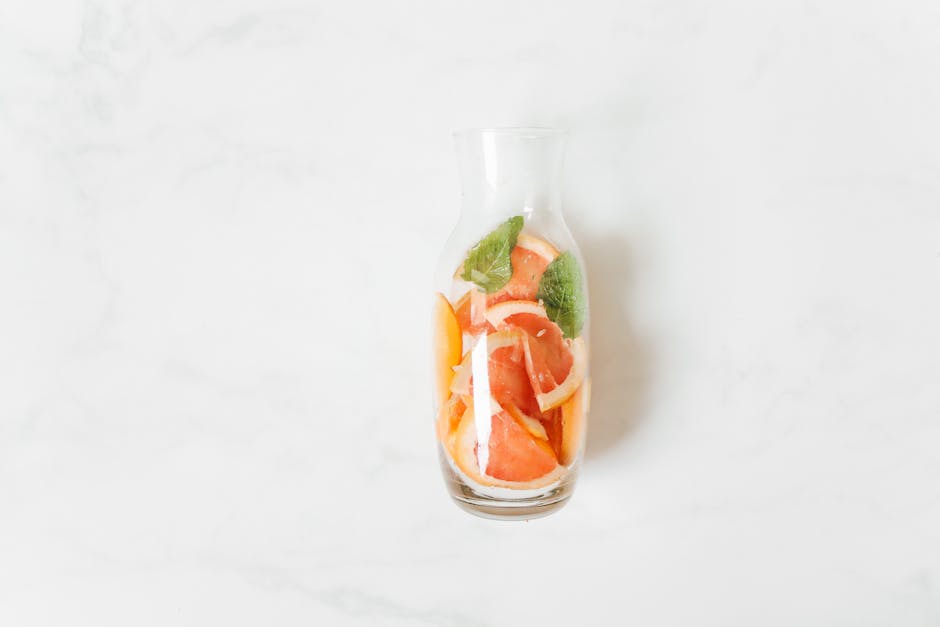
Infused water offers a refreshing way to stay hydrated while potentially supporting digestive health. By combining water with beneficial ingredients like ginger, mint, and citrus, these recipes provide both flavor and health-promoting properties. Infused waters can be a simple and enjoyable addition to a daily hydration routine, especially for individuals managing GERD.
5.1 Ginger and Lemon Infused Water
Ginger is believed to possess anti-inflammatory properties that may aid digestion, while lemon is a source of vitamin C and antioxidants. This combination can offer a soothing drink that supports gut health.
- Ingredients: Fresh ginger slices, lemon slices, filtered water
- Preparation: Add ginger and lemon slices to a pitcher of water. Allow it to infuse in the refrigerator for a few hours before serving.
5.2 Mint and Cucumber Infused Water
Mint is known for its potential to relax digestive muscles and alleviate symptoms of indigestion. When paired with cucumber, which is hydrating and soothing, this infusion can be particularly beneficial for digestive wellness.
- Ingredients: Fresh mint leaves, cucumber slices, filtered water
- Preparation: Combine mint leaves and cucumber slices in a pitcher of water. Refrigerate for at least two hours to enhance the flavors.
5.3 Citrus and Basil Infused Water
Citrus fruits, such as oranges and limes, are rich in antioxidants and can support immune health. Basil adds a unique flavor and is believed to have digestive benefits. Together, they create a vibrant and refreshing infused water.
- Ingredients: Orange slices, lime slices, fresh basil leaves, filtered water
- Preparation: Mix citrus slices and basil leaves in a pitcher of water. Let it infuse for a few hours in the fridge before drinking.
5.4 Apple and Cinnamon Infused Water
Apples provide dietary fiber, which may support digestion, while cinnamon is believed to have anti-inflammatory properties. This infusion offers a subtly sweet and spiced flavor that can be enjoyed any time of the year.
- Ingredients: Apple slices, cinnamon sticks, filtered water
- Preparation: Place apple slices and cinnamon sticks in a pitcher of water. Allow the mixture to sit in the refrigerator overnight for best results.
5.5 Conclusion
Infused waters present a delightful way to enhance daily hydration and potentially benefit digestive health. By incorporating natural ingredients known for their digestive properties, these recipes can offer both taste and wellness benefits. As part of a comprehensive hydration strategy, infused waters may support individuals in managing GERD symptoms and promoting overall gut health. Enjoy experimenting with different ingredient combinations to find flavors that suit personal preferences and health needs.
6. The Impact of Caffeine and Alcohol on Hydration and Digestion

6.1 Understanding Caffeine's Role in Hydration and Digestion
Caffeine, a stimulant commonly found in coffee, tea, and certain soft drinks, is widely consumed for its energizing effects. Research suggests that caffeine can have diuretic properties, potentially leading to increased urine output. This might contribute to dehydration if adequate water intake is not maintained. However, moderate consumption of caffeine is generally not considered significantly dehydrating for most individuals.
In terms of digestion, caffeine is believed to stimulate the production of gastric acid, which can exacerbate symptoms for those with GERD. The increased acid production may lead to discomfort, heartburn, or indigestion, particularly if consumed in large amounts or on an empty stomach.
6.2 Alcohol's Effects on Hydration and Digestive Health
Alcohol consumption is often associated with dehydration due to its ability to inhibit the release of vasopressin, a hormone that helps the body retain water. This can increase urine production, leading to potential fluid loss. Staying hydrated while consuming alcohol is crucial to mitigate these effects and maintain overall hydration levels.
Digestively, alcohol can irritate the stomach lining and increase acid production, potentially worsening GERD symptoms. It may also affect the esophageal sphincter's function, allowing stomach acid to reflux more easily into the esophagus, causing discomfort and heartburn.
6.3 Strategies to Mitigate Dehydrating Effects
To counteract the potential dehydrating effects of caffeine and alcohol, it is essential to adopt certain strategies:
- Moderation: Limiting intake of caffeine and alcohol can help minimize their impact on hydration and digestion.
- Hydration: Increasing water consumption alongside caffeine or alcohol intake can help maintain proper hydration levels. Aiming to drink a glass of water between alcoholic beverages can be particularly effective.
- Scheduling: Consuming caffeine and alcohol with meals rather than on an empty stomach may reduce their irritating effects on the digestive system.
- Alternative Choices: Opting for non-caffeinated herbal teas or alcohol-free beverages can provide a refreshing alternative without the potential dehydrating effects.
By being mindful of caffeine and alcohol consumption and employing these strategies, individuals can better manage their hydration and digestive health, particularly those dealing with GERD symptoms.
7. The Role of Fiber in Hydration and Digestive Efficiency

7.1 How Fiber and Water Work Together
Fiber is an essential component of a balanced diet and plays a crucial role in maintaining digestive health. It is categorized into two main types: soluble and insoluble fiber. Soluble fiber dissolves in water to form a gel-like substance, which can aid in slowing down digestion and promoting the absorption of nutrients. Insoluble fiber, on the other hand, does not dissolve in water and helps to add bulk to the stool, facilitating regular bowel movements.
Research suggests that fiber works synergistically with water to enhance digestive efficiency. Adequate water intake is essential for fiber to properly perform its function. Without sufficient hydration, fiber can lead to constipation and digestive discomfort. Therefore, combining a high-fiber diet with adequate water consumption is believed to support regular bowel movements and prevent issues such as constipation and bloating.
7.2 Benefits of a Fiber-Rich Diet for Digestion
A fiber-rich diet is believed to offer numerous benefits for digestive health. These include:
- Regularity: By adding bulk to the stool and promoting water retention, fiber is thought to support regular bowel movements, reducing the risk of constipation.
- Gut Health: Fiber is believed to act as a prebiotic, feeding the beneficial bacteria in the gut and promoting a healthy microbiome.
- Reduced Risk of Gastrointestinal Disorders: A diet high in fiber may help reduce the risk of developing certain digestive disorders, such as diverticulitis and hemorrhoids.
7.3 Tips for Integrating Fiber-Rich Foods into Your Diet
Incorporating more fiber into your diet can be simple and rewarding. Here are some tips to help you increase your fiber intake:
- Start Slowly: Gradually increase your fiber intake to allow your digestive system to adjust, minimizing potential discomfort.
- Prioritize Whole Foods: Choose whole grains, fruits, vegetables, legumes, nuts, and seeds, which are naturally rich in fiber.
- Stay Hydrated: Ensure adequate water intake to help fiber perform its digestive functions effectively.
- Experiment with Recipes: Incorporate fiber-rich ingredients into your meals, such as adding beans to soups or salads, or choosing whole-grain bread and pasta.
By understanding the relationship between fiber and hydration, individuals can optimize their digestive health and reduce the risk of discomfort associated with irregular bowel movements. A balanced approach that includes both fiber-rich foods and sufficient water intake is key to achieving digestive efficiency.
8. Monitoring Your Hydration Levels for Digestive Success

8.1 Understanding the Importance of Hydration in Digestion
Hydration plays a pivotal role in digestive health, particularly for those experiencing GERD symptoms. Water aids in the breakdown of food, facilitates nutrient absorption, and helps maintain a smooth passage through the digestive tract. Inadequate hydration can exacerbate digestive issues, such as constipation and bloating, which are common concerns for individuals with GERD.
8.2 Practical Tips for Tracking Hydration Levels
To ensure optimal hydration, it is essential to monitor your water intake and adjust it based on your lifestyle and dietary needs. Here are some practical tips that may help:
- Listen to Your Body: Pay attention to signs of thirst and drink water regularly throughout the day to prevent dehydration.
- Use a Hydration App: Consider using a smartphone app to track your daily water intake and receive reminders to stay hydrated.
- Check Urine Color: Light yellow urine is generally a good indicator of adequate hydration. Darker urine may suggest the need for more water.
- Monitor Physical Activity: Increase water intake during and after exercise to compensate for fluids lost through sweat.
- Adapt to Environmental Factors: Hot or humid weather can increase the body's need for water, necessitating closer monitoring of hydration levels.
8.3 Adjusting Water Intake for Specific Needs
Individuals may need to adjust their water consumption based on specific dietary choices and lifestyle factors. Consider the following:
- High-Sodium Diets: Increased sodium intake can lead to dehydration; therefore, it may be beneficial to consume more water if your diet is high in salt.
- Fiber-Rich Diets: As discussed in previous sections, adequate water is critical when consuming a fiber-rich diet to prevent digestive discomfort.
- Caffeine and Alcohol Consumption: Both caffeine and alcohol have diuretic effects, potentially leading to dehydration. Balancing these with additional water may be advisable.
- Age and Health Conditions: Older adults and individuals with certain health conditions may require tailored hydration strategies to support digestion.
8.4 Benefits of Optimal Hydration for Gut Health
Maintaining proper hydration levels is believed to offer several benefits for gut health, including:
- Enhanced Nutrient Absorption: Water is essential for the dissolution of nutrients, aiding in their absorption into the bloodstream.
- Smooth Digestive Transit: Adequate hydration helps keep the digestive tract functioning smoothly, reducing the likelihood of constipation.
- Balanced Gut Microbiome: Proper hydration may support a healthy balance of gut bacteria, which is crucial for overall digestive health.
By monitoring and adjusting your hydration levels, you can support your digestive system's efficiency and overall health. Tailoring your water intake to your specific needs and lifestyle can be a critical step in managing GERD symptoms and promoting digestive success.