1. Understanding Stomach Discomfort and Its Causes
Stomach discomfort is a common experience that can arise from a variety of factors. Understanding these causes is crucial for those seeking relief and exploring potential remedies, including herbal options. This section delves into the primary contributors to stomach discomfort, such as dietary habits, stress, and underlying medical conditions.
1.1 Dietary Habits and Their Impact
Dietary habits play a significant role in gastrointestinal health. Consuming certain foods or combinations can lead to discomfort. For instance, high-fat meals, excessive caffeine, or spicy foods are known to provoke stomach issues in some individuals. Research suggests that mindful eating, including balanced food pairings and appropriate meal timing, may alleviate digestive stress.
1.2 The Influence of Stress
Stress is another major factor contributing to stomach discomfort. The gut-brain connection is an established area of study, indicating that stress can negatively affect digestive function. Stress management techniques such as mindfulness, exercise, and adequate rest are believed to support digestive health and reduce discomfort.
1.3 Medical Conditions as Underlying Causes
Various medical conditions can cause or exacerbate stomach discomfort. Conditions such as gastroesophageal reflux disease (GERD), irritable bowel syndrome (IBS), and food intolerances can lead to persistent digestive issues. While medical diagnosis and treatment are essential, some find that complementary approaches, like dietary adjustments and herbal remedies, may provide additional support.
In conclusion, by identifying and understanding the common causes of stomach discomfort, individuals can make informed choices about lifestyle and dietary changes. This foundational knowledge is crucial for those considering integrating herbal remedies into their digestive health strategy. As always, consulting healthcare professionals for personalized advice is recommended.
2. The Science Behind Herbal Remedies for Digestive Health
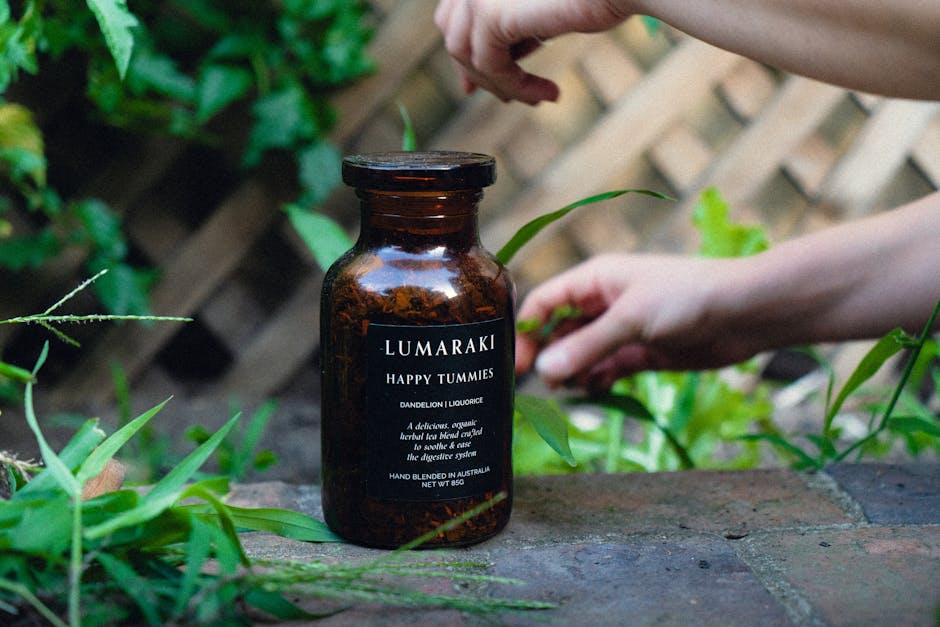
Herbal remedies have been used for centuries to support digestive health, and modern research is beginning to uncover the mechanisms behind their efficacy. These natural solutions are believed to offer relief by soothing the stomach and promoting a balanced digestive environment. In this section, we explore the scientific basis for the use of herbal ingredients in digestive health.
2.1 Key Herbs and Their Digestive Properties
Several herbs are renowned for their potential digestive benefits. Understanding the specific properties of these herbs can offer insights into how they may support gastrointestinal comfort.
- Peppermint: Research suggests that peppermint oil may help relax the gastrointestinal muscles, which can reduce symptoms of bloating and discomfort.
- Ginger: Known for its anti-inflammatory properties, ginger is believed to enhance gastric motility and alleviate nausea, making it a popular choice for digestive support.
- Chamomile: This herb is traditionally used to soothe the stomach. It may have anti-inflammatory and antispasmodic properties, which can contribute to reduced digestive discomfort.
- Fennel: Often used to relieve bloating and gas, fennel's carminative properties are thought to help expel gas and relax the digestive tract.
2.2 Mechanisms of Action
The effectiveness of herbal remedies in promoting digestive health is attributed to several biological mechanisms. These mechanisms can vary depending on the herb and its active compounds.
- Muscle Relaxation: Herbs like peppermint may work by relaxing the smooth muscles of the digestive tract, which can ease spasms and reduce discomfort.
- Anti-inflammatory Effects: Ingredients such as ginger and chamomile are believed to reduce inflammation in the digestive system, which may soothe irritation and discomfort.
- Enhanced Digestive Motility: Some herbs are thought to stimulate the digestive process, helping to move food more efficiently through the system and reducing symptoms of indigestion.
By understanding the science behind these herbal remedies, individuals can make informed decisions about incorporating them into their digestive health strategies. While evidence is growing, it is essential to approach herbal remedies with a critical eye and consult healthcare professionals for tailored advice.
3. Essential Ingredients for a Stomach-Soothing Salve

Crafting a stomach-soothing salve involves selecting natural ingredients that are known for their potential to support digestive health. In this section, we delve into the specific herbs and their roles in alleviating stomach discomfort, contributing to a more balanced digestive environment.
3.1 Aloe Vera
Aloe vera is widely recognized for its soothing properties and is believed to aid in reducing inflammation within the digestive tract. The gel extracted from aloe leaves may help to calm irritation and promote healing, potentially easing symptoms associated with gastrointestinal discomfort.
3.2 Calendula
Calendula is renowned for its anti-inflammatory and healing properties. It is believed to support digestive health by soothing the lining of the stomach and intestines. The herb may also contribute to the reduction of inflammation, making it a valuable ingredient in a stomach-soothing salve.
3.3 Slippery Elm
Slippery elm is a traditional remedy that is thought to coat the lining of the stomach and intestines, providing a protective barrier against irritation. Its mucilaginous nature is believed to soothe the digestive tract, potentially reducing symptoms of discomfort and promoting overall digestive health.
3.4 Marshmallow Root
Marshmallow root is another mucilaginous herb that may provide a protective layer over the mucous membranes of the digestive tract. This property is believed to help alleviate irritation and inflammation, making marshmallow root a common component in formulations aimed at soothing the stomach.
3.5 Licorice Root
Licorice roots, particularly in its deglycyrrhizinated form (DGL), is traditionally used to support digestive health. It is thought to enhance the integrity of the mucous lining in the stomach, potentially reducing symptoms of indigestion and promoting healing of the gastrointestinal tract.
3.6 Chamomile
Chamomile is included in many formulations due to its calming and anti-inflammatory properties. It is believed to help relax the digestive muscles and reduce spasms, contributing to its reputation as a gentle and effective stomach soother.
By understanding the specific benefits and roles of these herbs, individuals can make informed choices about incorporating them into a stomach-soothing salve. These natural ingredients, when used appropriately, may support digestive health and provide relief from discomfort. As always, consulting with healthcare professionals is recommended to tailor herbal strategies to individual needs.
4. Step-by-Step Guide to Making Your Herbal Salve

Creating your own herbal salve at home can be a rewarding process that allows you to tailor the ingredients to your specific needs. This guide will walk you through the essential steps of preparation, infusion, and storage to ensure your salve is both effective and safe.
4.1 Preparation
Before beginning, gather all necessary materials and ingredients. This includes your chosen herbs, a carrier oil like olive or coconut oil, beeswax, and any additional essential oils for fragrance or added benefits. Ensure that your workspace is clean and organized to facilitate a smooth crafting process.
- Choose a clean, dry workspace free from contaminants.
- Gather all necessary equipment: a double boiler, a wooden spoon, a strainer or cheesecloth, and storage containers with tight-fitting lids.
- Measure your ingredients according to your needs, keeping in mind that the quality of ingredients can influence the salve's effectiveness.
4.2 Infusion
The infusion process involves extracting the beneficial properties of the herbs into the carrier oil. This step is crucial for ensuring that the salve contains the active compounds necessary for soothing the stomach.
- Place the herbs and carrier oil in a double boiler over low heat.
- Allow the mixture to simmer gently for several hours, ensuring the oil does not reach a boiling point to preserve the integrity of the herbs.
- Stir occasionally to help the infusion process and prevent the herbs from sticking to the pot.
- Once adequately infused, strain the oil through a cheesecloth or fine strainer to remove the herbal material.
4.3 Creating the Salve
After infusing the oil with the herbal properties, the next step is to combine it with beeswax to form the salve. The beeswax acts as a thickening agent and helps solidify the mixture.
- Return the infused oil to the double boiler and add the beeswax.
- Heat gently until the beeswax is completely melted, stirring continuously to ensure a uniform mixture.
- Remove from heat and add any essential oils for fragrance or additional therapeutic benefits.
- Pour the mixture into clean, dry containers and allow it to cool and solidify completely before sealing.
4.4 Storage and Safety
Proper storage of your herbal salve is crucial to maintaining its efficacy and extending its shelf life. With the right conditions, your salve can remain effective for several months.
- Store the salve in a cool, dark place to protect it from heat and light, which can degrade the herbal compounds.
- Use airtight containers to prevent contamination and preserve the salve's freshness.
- Label each container with the date of preparation and the list of ingredients for easy reference.
- Conduct a patch test before using the salve extensively to ensure there are no allergic reactions to the ingredients.
By following these steps, individuals can craft a personalized herbal salve that may support digestive health and provide relief from discomfort. As with any herbal preparation, it is advisable to consult with healthcare professionals to ensure the chosen ingredients are appropriate for your specific needs.
5. Application Techniques and Best Practices

5.1 Preparing for Application
Before applying the herbal salve, it is essential to prepare the skin to maximize absorption and effectiveness. This preparation step can enhance the salve's benefits and ensure a soothing experience.
- Clean the area of skin where the salve will be applied. Use a gentle cleanser to remove any dirt or oil that could hinder absorption.
- Pat the skin dry with a clean towel to ensure the area is moisture-free, which helps the salve to adhere better.
- Conduct a patch test on a small area of skin to check for any allergic reactions before widespread use.
5.2 Optimal Application Techniques
The way you apply the herbal salve can significantly influence its effectiveness. Using the right techniques ensures that the active compounds are absorbed efficiently into the skin.
- Use a small amount of salve, as a little can go a long way. Start with a pea-sized amount and add more if necessary.
- Gently massage the salve into the skin using circular motions. This massage technique can stimulate blood flow and improve absorption.
- Allow the salve to absorb naturally without covering it immediately to let the skin breathe and absorb the herbal properties fully.
5.3 Incorporating into Daily Routine
Regular use of the herbal salve can be integrated into your daily wellness regimen to support overall digestive health. Consistency is key to experiencing the potential benefits of herbal remedies.
- Apply the salve at a consistent time each day, such as after a shower or before bed, to establish a routine.
- Consider using the salve in conjunction with other wellness practices, such as meditation or deep breathing exercises, to enhance relaxation and stress relief.
- Monitor your skin's response to regular application to ensure it remains beneficial and adjust usage as needed.
5.4 Tips for Enhanced Benefits
To further enhance the potential benefits of the herbal salve, consider these additional tips that align with holistic wellness practices.
- Pair salve application with a balanced diet rich in anti-inflammatory foods to support digestive health from the inside out.
- Stay hydrated, as sufficient water intake helps maintain healthy skin and can improve the salve's effectiveness.
- Engage in regular physical activity, which can improve circulation and overall well-being, complementing the salve's use.
By following these application techniques and best practices, individuals may enhance the potential benefits of their herbal salve, supporting a holistic approach to digestive wellness. As always, it is recommended to consult with healthcare professionals when incorporating new herbal products into your wellness routine.
6. Safety Considerations and Potential Side Effects

6.1 Understanding Potential Side Effects
While herbal salves are generally considered safe when used appropriately, it is important to be aware of potential side effects. Individuals may experience different reactions based on their skin type, allergies, and overall health.
- Some users may experience mild skin irritation or redness, particularly if they have sensitive skin or allergies to specific ingredients.
- Herbal salves may cause an allergic reaction, presenting as itching, swelling, or rash. Conducting a patch test prior to full application can help identify sensitivities.
- In rare cases, more severe reactions may occur. If you experience difficulty breathing, dizziness, or swelling of the face or throat, seek medical attention immediately.
6.2 Contraindications and Cautions
It is crucial to consider contraindications and exercise caution when using herbal salves, especially if you have pre-existing health conditions or are taking other medications.
- Pregnant or breastfeeding individuals should consult a healthcare provider before using herbal salves, as certain ingredients may not be recommended during these stages.
- Those with chronic skin conditions, such as eczema or psoriasis, should seek medical advice to ensure the salve is safe for their skin condition.
- Individuals on medication should be aware of possible interactions with the salve's ingredients, as some herbs can affect medication efficacy or cause adverse reactions.
6.3 When to Consult a Healthcare Professional
Consulting a healthcare professional is recommended in several situations to ensure the safe use of herbal salves and to address any concerns effectively.
- If you experience persistent side effects or unexpected reactions after using the salve, it is advisable to stop use and consult a healthcare provider.
- Before incorporating a new herbal salve into your routine, especially if you have existing health conditions or are taking other treatments, seek professional guidance.
- For personalized advice on choosing the right herbal salve and understanding its potential interactions with your health regimen, a healthcare professional can provide valuable insights.
By understanding the safety considerations and potential side effects associated with herbal salves, individuals can make informed decisions and use these products as a complementary part of their wellness routine. As always, professional consultation is encouraged to tailor the use of herbal remedies to individual health needs.
7. Enhancing the Effectiveness of Your Herbal Salve
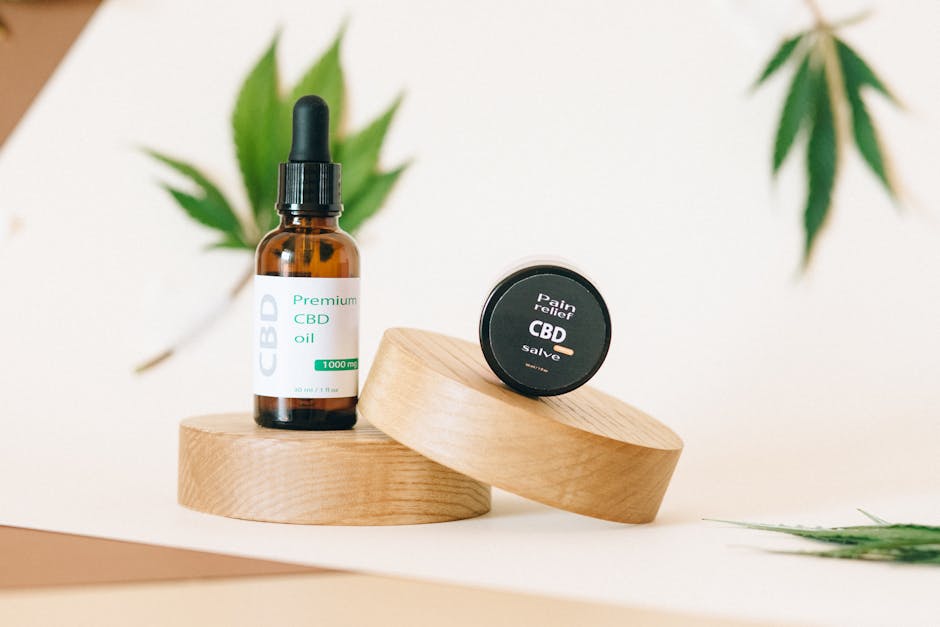
While herbal salves can be a beneficial addition to your digestive health regimen, incorporating lifestyle and dietary changes may further enhance their effects. By adopting a holistic approach to wellness, you can support your overall digestive health and potentially prevent future discomfort.
7.1 Dietary Adjustments for Improved Digestion
Research suggests that certain dietary changes can promote digestive health and complement the use of herbal salves. Consider the following adjustments to support your digestive system:
- Increase fiber intake with fruits, vegetables, whole grains, and legumes. Fiber is believed to aid in regular bowel movements and prevent constipation.
- Incorporate probiotics through yogurt, kefir, or fermented foods like sauerkraut, which may support gut health by maintaining a balance of beneficial bacteria.
- Stay hydrated by drinking plenty of water throughout the day. Adequate hydration is essential for digestion and the absorption of nutrients.
- Limit intake of processed foods and high-fat meals, which can slow digestion and increase the likelihood of digestive discomfort.
7.2 Lifestyle Habits to Support Digestive Health
In addition to dietary changes, certain lifestyle habits can further enhance the effectiveness of your herbal salve and promote digestive wellness:
- Engage in regular physical activity, such as walking or yoga, which can stimulate digestion and reduce stress, a known contributor to digestive issues.
- Adopt mindful eating practices by eating slowly and chewing food thoroughly, which may improve digestion and nutrient absorption.
- Establish a routine sleep schedule to promote overall health and well-being, as poor sleep is linked to digestive problems.
- Manage stress through relaxation techniques like meditation or deep breathing exercises, potentially reducing the impact of stress on your digestive system.
7.3 The Role of Herbal Supplements
Herbal supplements may complement the use of your herbal salve and support digestive health. Consider the following options, and consult with a healthcare provider to ensure they are appropriate for you:
- Peppermint oil is believed to help relieve symptoms of irritable bowel syndrome (IBS) and promote overall digestive comfort.
- Ginger supplements are traditionally used to alleviate nausea and support digestion.
- Chamomile is often used to calm the digestive tract and may provide relief from minor digestive discomfort.
By integrating these dietary and lifestyle changes alongside the use of your herbal salve, you may enhance your digestive health and reduce the likelihood of future discomfort. Always consult with healthcare professionals to tailor your approach to your specific health needs and conditions.