1. Understanding the Benefits of a Stomach Soothing Garden

1.1 Peppermint: A Natural Digestive Aid
Peppermint is renowned for its potential digestive benefits, which are attributed to its active compound, menthol. Research suggests that menthol may help relax the muscles of the gastrointestinal tract, potentially alleviating symptoms such as bloating and discomfort associated with indigestion. By facilitating smoother digestion, peppermint may support overall digestive health and offer relief for individuals experiencing mild digestive issues.
1.2 Chamomile: Calming the Gut
Chamomile is another herb commonly associated with digestive wellness. The active compounds in chamomile, including flavonoids and terpenoids, are believed to possess anti-inflammatory properties that may soothe the digestive tract. Studies indicate that chamomile may help reduce gastrointestinal spasms and ease symptoms of indigestion. Its calming effects on the gut may also extend to reducing stress-related digestive disturbances, making it a versatile addition to a stomach soothing garden.
1.3 Synergistic Effects of Herbal Remedies
Combining peppermint and chamomile in a stomach soothing garden may offer synergistic benefits for digestive health. The complementary actions of these herbs may enhance their individual effects, providing a more comprehensive approach to managing digestive discomfort. While peppermint may aid in muscle relaxation and digestion, chamomile's anti-inflammatory properties can further support gut health. Incorporating both herbs into daily routines may contribute to improved digestive comfort and well-being.
1.4 Scientific Support and Considerations
While the potential benefits of peppermint and chamomile are supported by some scientific studies, it is important to note that individual responses to herbal remedies can vary. Factors such as the form of the herb, dosage, and personal health conditions may influence their effectiveness. As with any natural remedy, it is advisable for individuals to consult healthcare professionals before incorporating these herbs into their health regimen, particularly if they have pre-existing medical conditions or are taking medications.
Understanding the scientific basis behind the use of peppermint and chamomile can empower individuals to make informed decisions about incorporating these herbs into their digestive health strategies. A thoughtfully cultivated stomach soothing garden may serve as a valuable resource in the journey towards natural stomach healing.
2. Selecting the Right Herbs for Digestive Health
2.1 Ginger: A Time-Honored Remedy
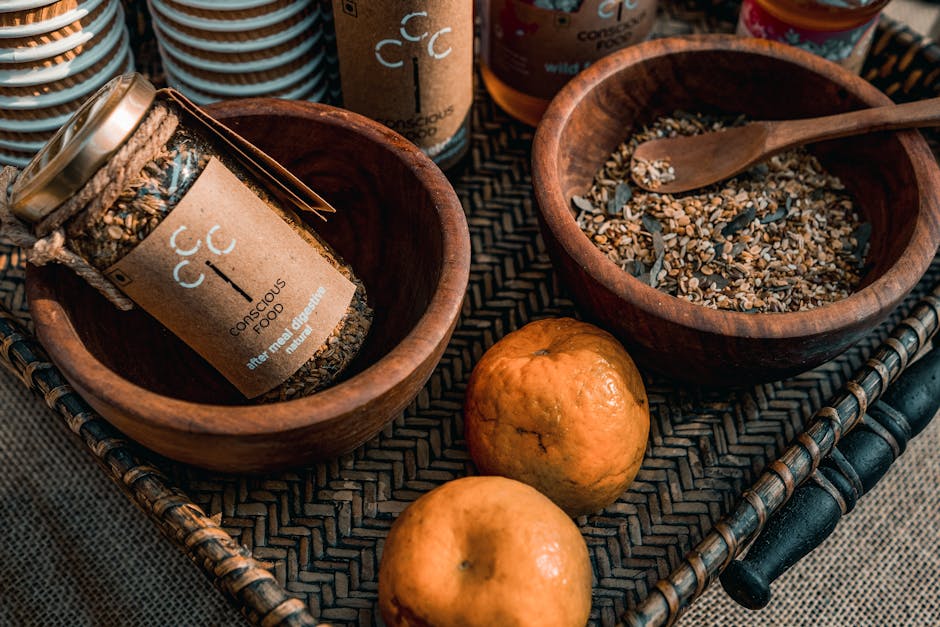
Ginger is widely recognized for its potential to support digestive health. The active compounds in ginger, such as gingerols and shogaols, are believed to stimulate digestive enzymes and enhance gastric motility, which may help in alleviating symptoms of nausea and indigestion. Research suggests that ginger may be effective in reducing gastrointestinal discomfort and promoting overall digestive function. Its warming properties can also provide soothing relief for individuals experiencing digestive distress.
2.2 Fennel: Easing Bloating and Gas
Fennel is another herb that may offer digestive benefits. It is traditionally used to relieve bloating and gas, thanks to its potential carminative effects. The essential oils in fennel, including anethole, are thought to help relax the muscles in the gastrointestinal tract and reduce flatulence. Some studies indicate that fennel may also support digestive comfort by promoting the secretion of digestive juices, making it a valuable addition to a stomach soothing garden.
2.3 Licorice Root: Soothing and Healing
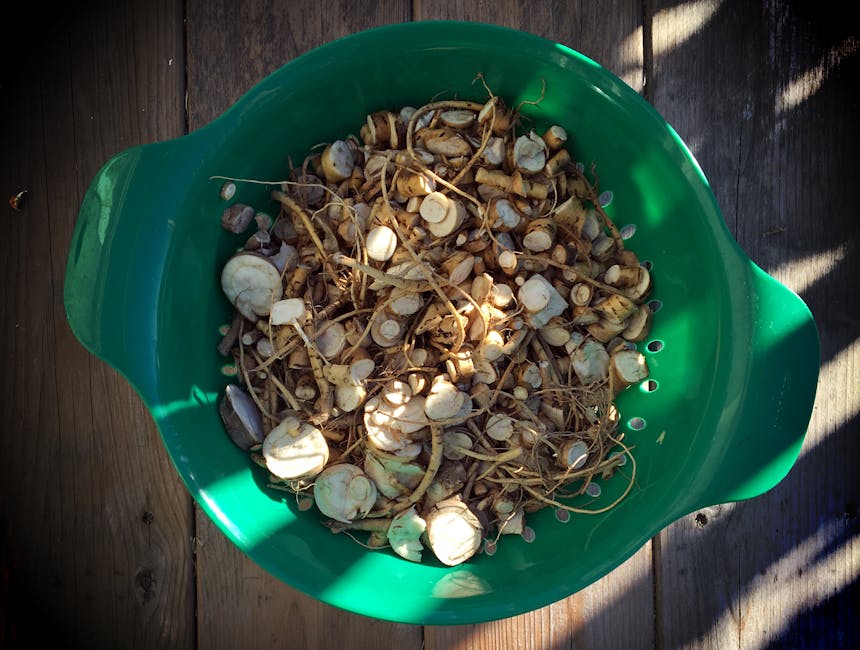
Licorice roots is known for its potential to soothe and heal the digestive lining. It contains glycyrrhizin, a compound believed to have anti-inflammatory and protective effects on the stomach lining. Research suggests that licorice root may help in managing symptoms of acid reflux and heartburn by increasing the production of mucus in the stomach, providing a protective barrier against stomach acid. However, it's important to use deglycyrrhizinated licorice (DGL) to avoid potential side effects associated with glycyrrhizin.
2.4 Turmeric: Reducing Inflammation
Turmeric, with its active compound curcumin, is often highlighted for its anti-inflammatory properties. Curcumin is believed to help reduce inflammation in the gut, which may alleviate symptoms related to digestive disorders. Some studies have explored the potential of turmeric to support a healthy digestive tract by promoting bile production and improving intestinal health. Its antioxidant properties may further contribute to maintaining a balanced digestive system.
2.5 Scientific Perspectives and Usage Considerations
The potential benefits of these herbs are supported by various scientific studies, yet individual responses can vary based on personal health conditions and the form in which the herb is consumed. It is crucial for individuals to consult with healthcare professionals before integrating these herbs into their digestive health strategies, especially if they have existing medical conditions or are on medications. Understanding the scientific rationale behind each herb can assist individuals in selecting the most appropriate options for their digestive needs and in cultivating a garden that supports natural stomach healing.
3. Designing Your Stomach Soothing Garden

3.1 Understanding Sunlight Requirements
When designing a stomach soothing garden, understanding the sunlight requirements of your chosen herbs is crucial. Most digestive-friendly herbs, such as ginger and fennel, thrive in full sunlight, which means they require at least six to eight hours of direct sunlight each day. It is important to observe the light patterns in your garden space to ensure that your plants receive adequate sunlight. If your garden area has limited sunlight, consider positioning your herbs in the sunniest part of the garden or utilizing raised beds to maximize light exposure.
3.2 Soil Type and Preparation
The type of soil in which you plant your herbs can significantly affect their growth and health benefits. Most stomach soothing herbs prefer well-drained, fertile soil rich in organic matter. To prepare your garden, consider incorporating compost or organic fertilizers to enhance soil fertility and structure. This preparation helps improve drainage and nutrient availability, encouraging healthy root development and robust plant growth. Testing the soil pH is also beneficial, as most herbs prefer a slightly acidic to neutral pH range.
3.3 Companion Planting Strategies
Companion planting is a technique that involves planting different species of plants together to enhance growth, deter pests, and improve overall garden health. When designing your garden, consider pairing herbs with complementary plants that offer mutual benefits. For example, planting fennel near dill can enhance its growth, as both plants attract beneficial insects that help control pests. Similarly, integrating herbs like basil or mint can act as natural pest repellents, protecting your stomach soothing herbs from potential threats.
3.4 Planning for Seasonal Changes
Understanding the seasonal needs of your herbs is essential for maintaining a thriving garden year-round. Some herbs, like ginger, are perennial in warmer climates but may require indoor care or protective coverings during colder months in temperate regions. Fennel and turmeric, on the other hand, are more tolerant of cooler weather. Planning for these seasonal variations allows for continuous harvest and ensures that your garden remains productive and beneficial for digestive health throughout the year.
3.5 Creating a Maintenance Schedule
Regular maintenance is key to sustaining a healthy stomach soothing garden. Establishing a consistent watering and pruning schedule helps maintain plant vigor and productivity. Herbs generally require moderate watering, ensuring the soil remains moist but not waterlogged. Pruning encourages new growth and prevents overcrowding, which can lead to pest and disease issues. By dedicating time to routine care, gardeners can enjoy the therapeutic and digestive benefits of their herbs for an extended period.
4. Step-by-Step Guide to Planting Digestive Herbs

4.1 Selecting the Right Herbs
Choosing the appropriate digestive herbs for your garden is the first step in ensuring a successful planting experience. Peppermint and chamomile are popular choices due to their well-documented digestive benefits. Research suggests that peppermint may help alleviate symptoms of indigestion, while chamomile is believed to support gastrointestinal health by relaxing the digestive tract muscles.
4.2 Preparing the Soil
Proper soil preparation is crucial for the healthy growth of digestive herbs. Begin by selecting a well-drained location in your garden. Incorporate organic matter, such as compost, to enhance soil fertility and drainage. This not only provides the necessary nutrients for your herbs but also creates an optimal environment for root development. Aim for a slightly acidic to neutral pH, as this range is generally preferred by most herbs.
4.3 Planting Techniques
When planting peppermint and chamomile, consider their specific growing habits. Peppermint is a vigorous plant that spreads quickly, so it's advisable to plant it in a container or a designated area to prevent it from overtaking other herbs. Chamomile, on the other hand, can be directly sown into the soil. Ensure that seeds are lightly covered with soil and spaced adequately to allow for air circulation and sunlight penetration.
4.4 Optimal Growing Conditions
Both peppermint and chamomile thrive in full sunlight, requiring at least six to eight hours of direct light per day. Ensure that the garden location receives adequate sunlight throughout the day. Additionally, these herbs prefer moderate watering. Keep the soil consistently moist, but avoid waterlogging, which can lead to root rot. Monitoring weather conditions and adjusting watering frequency accordingly can help maintain optimal growth conditions.
4.5 Managing Growth and Harvesting
Regular maintenance is essential to keep your digestive herbs thriving. Prune peppermint regularly to manage its growth and encourage bushier foliage. Chamomile should be harvested once the flowers are fully open, as this is when they are most potent. Harvesting regularly not only provides a continuous supply of herbs but also stimulates further growth and prevents plants from becoming woody or overgrown.
5. Caring for Your Digestive Health Garden

5.1 Watering Schedules
Establishing a watering schedule is crucial for maintaining the health and vitality of your digestive herb garden. Research suggests that herbs like peppermint and chamomile thrive with consistent moisture levels. It's important to water your herbs deeply but infrequently, allowing the top inch of soil to dry out between waterings. This approach encourages deep root growth and prevents common issues such as root rot. Adjust your watering frequency based on seasonal changes and rainfall, ensuring that your plants receive sufficient hydration without becoming waterlogged.
5.2 Pest Control Strategies
Pests can pose a significant challenge to maintaining a healthy herb garden. Implementing natural pest control methods is essential for protecting your digestive herbs while avoiding chemical residues. Introducing beneficial insects, such as ladybugs and lacewings, can help manage aphid populations. Additionally, using barriers like row covers or insect netting can prevent pests from reaching your plants. Regularly inspect your herbs for signs of pest activity, and remove any infested leaves or stems promptly to prevent the spread of damage.
5.3 Seasonal Adjustments
Adapting your garden care routine to suit seasonal variations is key to sustaining plant health and efficacy throughout the year. During the warmer months, ensure that your herbs receive adequate shade during the hottest part of the day to prevent wilting and sunburn. In cooler seasons, consider using mulch to insulate the soil and retain moisture. For perennial herbs like peppermint, applying a layer of mulch before winter can protect roots from frost damage. By making these adjustments, you can help your digestive health garden thrive year-round.
6. Harvesting and Storing Your Herbal Remedies
6.1 Timing Your Harvest for Peak Potency
Harvesting herbs at the right time is crucial to ensuring they retain their medicinal properties, particularly for supporting digestive health. Research suggests that the best time to harvest most herbs is in the early morning after the dew has dried but before the sun becomes too intense. This timing helps preserve the essential oils and flavors that contribute to their stomach-soothing qualities.
For peppermint, consider harvesting the leaves just before the plant flowers, as this is when they are believed to contain the highest concentration of beneficial oils. Chamomile should be harvested once the flowers are fully open, as this stage is when the active compounds are at their peak.
6.2 Best Practices for Harvesting
To ensure that your herbs are harvested correctly and maintain their potency, use sharp scissors or pruning shears to avoid damaging the plant. For herbs like peppermint, snip the stems just above a set of leaves to encourage new growth. Be gentle with chamomile flowers, as their delicate petals can bruise easily. Collect the flowers by pinching or snipping them off where the stem meets the flower head.
It's also advisable to harvest in small batches, especially if you are new to herbal gardening, to prevent overwhelming your storage capacity and to ensure that you are drying and storing them properly for maximum efficacy.
6.3 Techniques for Proper Storage
Once harvested, proper storage is essential to maintain the herbs' stomach-soothing properties. Drying is a common method used to preserve herbs. You can air-dry your herbs by hanging them upside down in small bunches in a well-ventilated, dark area. This method helps preserve the color and potency of the herbs.
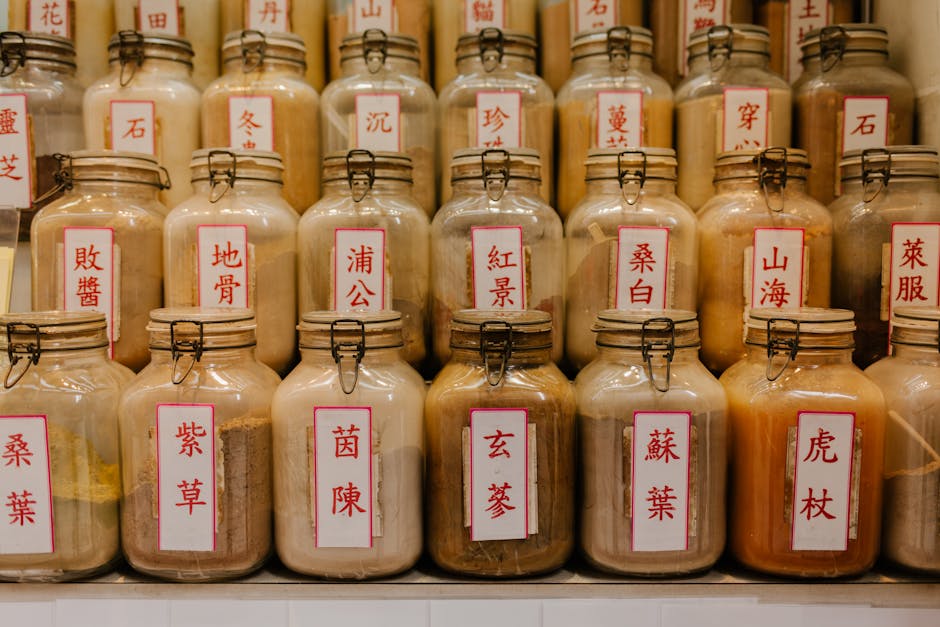
Once the herbs are thoroughly dried, store them in airtight containers away from direct sunlight and heat to preserve their active compounds. Glass jars are recommended because they do not absorb the herbs' essential oils. Label each container with the date of harvest and the type of herb to keep track of their freshness.
6.4 Extending Shelf Life
To extend the shelf life of your stored herbs, consider using vacuum sealing, which can significantly reduce exposure to air and moisture, two factors that can degrade herbal potency. Additionally, research suggests that storing herbs in a cool, dark place, such as a pantry or cupboard, can help maintain their effectiveness for up to a year.
For those who use herbs regularly, creating herbal tinctures or oils might be a suitable alternative. These preparations can last longer and provide a more concentrated form of the herbs' active ingredients, potentially enhancing their digestive benefits.
7. Creating Natural Remedies from Your Harvest

7.1 Infusions and Teas
One of the simplest ways to utilize your harvested herbs for digestive health is by making infusions or teas. Research suggests that herbal teas can be soothing and offer relief from various digestive issues. To make an infusion, select your dried herbs such as peppermint or chamomile, both known for their stomach-calming properties. Use about a tablespoon of dried herb per cup of boiling water. Steep the herbs for 5-10 minutes, then strain and enjoy. This method allows the herbs' active compounds to infuse into the water, making them easily digestible.
7.2 Herbal Oils
Creating herbal oils is another effective way to capture the healing properties of your herbs. Herbal oils can be used externally for massages or internally for cooking, depending on the herb and intended use. To make herbal oil, fill a jar about halfway with dried herbs and cover with a carrier oil like olive or coconut oil. Seal the jar and place it in a sunny window for 3-6 weeks, shaking occasionally. The heat and sunlight will help extract the active compounds from the herbs into the oil, which may support digestive health when used appropriately.
7.3 Tinctures for Potency
Tinctures are concentrated herbal extracts that are believed to offer potent digestive benefits. They are made by soaking herbs in alcohol or vinegar for an extended period, usually 4-6 weeks. This method extracts the beneficial compounds from the herbs more intensely than teas or infusions. To create a tincture, fill a jar with dried herbs and cover with alcohol, such as vodka, ensuring the herbs are fully submerged. Store in a cool, dark place and shake daily. Once ready, strain the mixture into a dark glass bottle for storage.
7.4 Crafting Herbal Capsules
For those who prefer a more convenient way to consume herbs, crafting herbal capsules can be a suitable option. This method involves grinding your dried herbs into a fine powder and encapsulating them using empty gelatin or vegetarian capsules. Research suggests that this method can provide a targeted dose of the herbs' active compounds, potentially aiding in digestive health. Use a capsule-filling machine for efficiency, and store the filled capsules in a cool, dry place.
7.5 Incorporating Herbs into Your Diet
Incorporating your harvested herbs into your daily diet is an enjoyable way to experience their digestive benefits. Fresh or dried herbs can be added to soups, stews, and salads to enhance flavor while supporting your digestive system. For instance, adding peppermint or dill to a dish not only elevates the taste but also provides potential stomach-soothing effects. Experiment with different combinations to find flavors that suit your palate while promoting digestive health.
8. Integrating Herbal Remedies into Your Daily Routine

8.1 Establishing a Consistent Schedule
To maximize the benefits of herbal remedies for digestive health, it is essential to establish a consistent schedule. Research suggests that incorporating these remedies at the same time each day may enhance their effectiveness by aligning with your body's natural rhythms. Consider setting aside specific times for consuming herbal teas or taking herbal capsules, perhaps aligning these moments with your meals to ensure regularity.
8.2 Blending Herbs with Daily Beverages
One practical way to integrate herbs into your routine is by adding them to your daily beverages. Herbal teas, mentioned earlier, can be substituted for your morning coffee or afternoon snack. For a refreshing twist, herbs like peppermint or ginger can be infused into water or sparkling water, providing a flavorful and potentially beneficial drink throughout the day. This approach not only supports hydration but also introduces herbal benefits seamlessly into your routine.
8.3 Enhancing Meals with Herbal Additions
Incorporating herbs into your meals can be an enjoyable culinary adventure. Adding fresh or dried herbs to your cooking not only boosts flavor but also may support digestive health. For instance, sprinkling oregano or basil over pasta dishes can enhance taste while potentially aiding digestion. Experiment with different herbs to discover combinations that complement your meals and support your digestive well-being.
8.4 Creating Herbal Rituals
Creating rituals around the use of herbal remedies can help reinforce their integration into your daily life. For example, consider a nightly routine that includes a calming chamomile tea to wind down before bed. Such rituals can provide moments of mindfulness and relaxation, which are believed to be beneficial for digestive health. Regularly engaging in these rituals may help ingrain the use of herbal remedies into your lifestyle.
8.5 Keeping Accessibility in Mind
Ensuring that your herbal remedies are easily accessible can encourage regular use. Store your herbs and prepared remedies in visible, convenient locations that remind you to use them. For example, keeping a jar of herbal capsules by your water glass or placing a selection of herbal teas next to your kettle can prompt you to incorporate these remedies into your daily life effortlessly.
8.6 Personalizing Your Herbal Approach
Every individual's digestive health needs are unique, and personalizing your herbal remedy routine is essential. Consider keeping a journal to track which herbs and methods appear to benefit you the most. This personalized approach allows you to adjust your routine based on your body's responses, ensuring that you receive the most consistent benefits from your herbal remedies.
9. Troubleshooting Common Garden Challenges

9.1 Identifying Plant Diseases
One of the primary challenges in maintaining a stomach soothing garden is dealing with plant diseases. Research suggests that early detection is key to managing these issues effectively. Look for signs of discoloration, wilting, or unusual spots on leaves. These symptoms may indicate fungal, bacterial, or viral infections. Regularly inspecting your plants can help catch these problems early, potentially saving your garden from more extensive damage.
9.2 Managing Pests Naturally
Pests can be a significant hurdle in maintaining a healthy garden. Natural pest control methods are generally preferred to maintain an organic garden environment. Introducing beneficial insects, such as ladybugs or predatory beetles, can help control aphid populations. Additionally, research suggests that companion planting, using plants like marigolds, may deter certain pests naturally. These strategies can reduce the reliance on chemical pesticides, promoting a healthier garden ecosystem.
9.3 Overcoming Soil Imbalances
Healthy soil is crucial for the growth of herbal plants. Soil imbalances, such as incorrect pH levels or nutrient deficiencies, can impede plant growth. Testing soil regularly and amending it with organic compost or natural fertilizers can restore balance. Research indicates that certain plants, like legumes, can naturally enhance soil fertility through nitrogen fixation. Incorporating such plants into your garden may support healthier soil over time.
9.4 Addressing Watering Issues
Proper watering is essential for the success of your herbal garden. Overwatering or underwatering can lead to root rot or dehydration, respectively. It is important to understand the specific water needs of each plant. Using mulch can help retain soil moisture, while drip irrigation systems may provide more precise watering, reducing the risk of overwatering. Monitoring soil moisture levels regularly can help ensure that your plants receive the right amount of water.
9.5 Coping with Climatic Extremes
Climatic extremes, such as excessive heat or unexpected frost, can pose significant threats to your garden. Research suggests that using protective measures like shade cloths or row covers can mitigate these effects. Additionally, selecting plants that are well-suited to your local climate may enhance garden resilience. Understanding and preparing for seasonal changes can help protect your plants from adverse weather conditions.
9.6 Enhancing Garden Biodiversity
Encouraging biodiversity within your garden can improve resilience against pests and diseases. Research supports the idea that a variety of plants can create a more balanced ecosystem, reducing the prevalence of any single pest or disease. Incorporating a mix of flowering plants, herbs, and native species can attract beneficial insects and promote a healthy garden environment. This diversity can lead to a more robust and thriving stomach soothing garden.