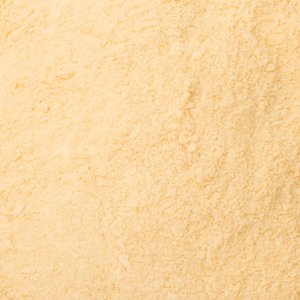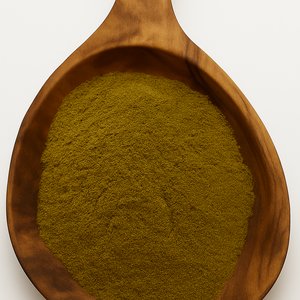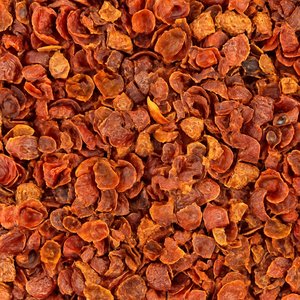
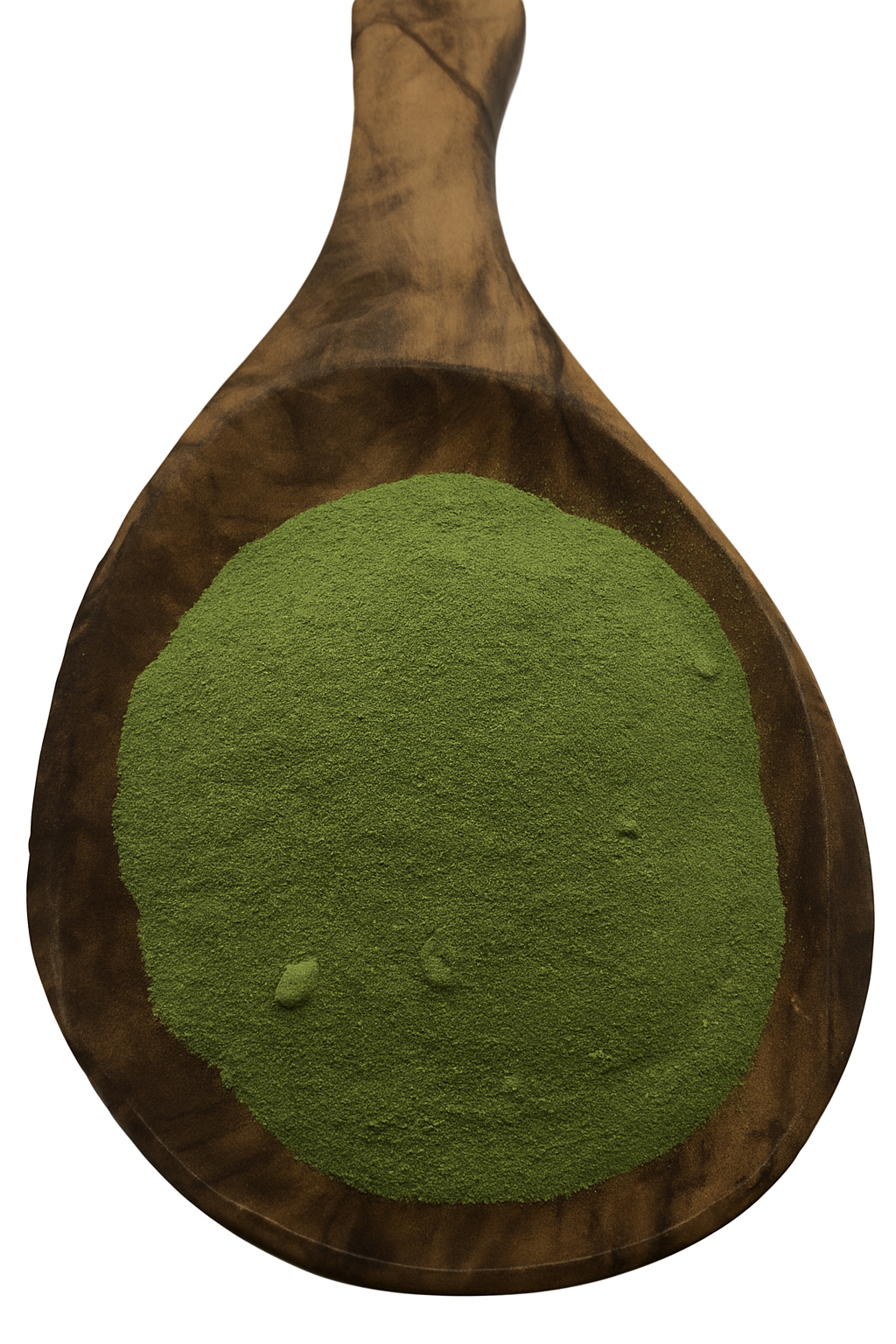
Neem Leaves Powder
Neem Leaves Powder - a natural herb powder used for various health benefits and skin care.





Hotline Order:
24/7
+1(865)4164178
Botanical Name: Neem tree (Azadirachta indica)
Common Name:
- English: Neem, Margosa
- Ayurvedic:The products listed are Nimba, Nimbaka, Arishta, and Arishtaphala.
- Unani:The Hindi Tree of Freedom.
- This product is also referred to as:The Abodua tree is also known by over 100 other names in various languages. These include Neem, Nimba, Azadirachta indica, Indian Lilac, Margosa, and many others.
Habitat: India
Origin: India
Harvested: Wild
Parts Used: Leaves
There is no original text to rephrase. Please provide the original product description text for me to rewrite. I'll keep the meaning intact, improve clarity and fluency, and return only the rewritten text without any additional marketing language.
The neem tree (Azadirachta indica) grows as a deciduous tree, typically between 6-25 meters tall, with a sturdy trunk and branching limbs that spread out. It is found in various regions of the country at elevations up to 900 meters.The tree is an evergreen except in areas with freezing temperatures. It has dark-green leaves and produces white or yellow fragrant flowers that yield fruit in shades of yellow or purple, containing a seed at its core. The neem tree was first used by the ancient Indian Harappa culture around 2500 B.C. Neem has been widely utilized in Ayurvedic and Unani medicines globally, particularly in the Indian Subcontinent for disease prevention and treatment. In fact, some scholars believe that over half of all Ayurvedic preparations from this time period contained neem as an ingredient. It's well established that many pharmacologically active drugs are derived from natural sources, including medicinal plants. As a result, various forms of plant-based medicine have become popular in many countries for managing diseases. Neem (Azadirachta indica), a member of the Meliaceae family native to India, Nepal, and Bangladesh, has significant therapeutic implications in treating curable diseases. Its applications extend beyond disease treatment, as neem is also used to formulate various medicines.
The leaves are arranged alternately and have 15-30 leaflets that are 1-3 inches long. They are typically pinnate in shape and can grow up to 16 inches long. The stem connecting the leaves is relatively short and slightly flattened. The flowers are white, fragrant, and drooping, growing up to 10 inches long in clusters. Each cluster contains between 120 and 250 individual flowers, which are 0.23 inches long and 0.40 inches wide. Male and female flowers can be found on the same tree. The fruit is a smooth, oval-shaped drupe that ranges from 1.5-3 cm long and 1-1.5 cm wide when ripe. It has a hard, white inner shell that encloses one to three elongated seeds with brown coats. The bark of the tree is dark brown on the outside, with a buff-colored interior and a fibrous texture.
For centuries, various parts of the neem plant have been used in Asia for their medicinal properties. The oil is used for skin and hair care, while the bark extract treats mouth and gum inflammation. Additionally, the leaves are used as an insecticide. Traditionally, every part of the tree was utilized, with patients suffering from chronic diseases advised to live under its canopy and consume all parts. This regimen was often accompanied by a diet that excluded animal products, alcohol, sex, and spices, but allowed milk.thFor centuries, neem bark has been used to treat various fevers, particularly malaria. In the Indian subcontinent, neem remains a well-known household remedy for skin conditions. Traditionally, people bathe in a decoction of its leaves or chew on tender leaves as a blood purifier. The oil extracted from the seeds is applied topically to treat skin issues or mixed with other ingredients. Neem's stem sap, which sometimes oozes from mature trees, is valued for overall health benefits. Neem leaves are also added to animal feed due to their high protein content, and both seeds and leaves produce an insect repellent. The tree contains azadirachtin, a chemical that disrupts the metamorphosis of insect larvae, preventing them from developing into pupae. Many insects find neem leaves unpalatable and will starve rather than eat them. The seeds yield approximately 40% oil, which is used in toothpastes, lotions, and soaps.
How to use:
Powdered Herb:
Powdered herbs can be used in a variety of ways.
You can add powdered herbs to various foods such as superfood blends, smoothies, sauces, spreads, and baked goods like cookies. For children, mix the powder with honey or glycerin to create a paste. The thicker the paste, the stronger the herbal flavor. This method helps mask the taste of the medicine, making it more palatable. It's also known as "Electuaries".
Encapsulating your own powdered herb at home ensures that each capsule contains only pure herb, without fillers or additives. They can be taken with a liquid.
To make a poultice, mix an herbal powder with a liquid, typically water, to create a paste that can be applied directly to the skin, providing relief for various skin issues.
Mix powdered herbs with water, fruit juice, or another liquid to create a concentrated herbal drink.
Precautions:
Before using this herbal product, it is recommended that you consult a qualified healthcare professional, especially if you are pregnant, breastfeeding, or taking any prescription medication.
This website contains information intended for educational use only.ONLY.
The following statement is pending evaluation by Health Canada.
This product is not intended for use as a diagnostic tool, treatment method, cure, or preventative measure for any medical condition.
Add your review
Your email address will not be published. Required fields are marked *
Please login to write review!
Looks like there are no reviews yet.