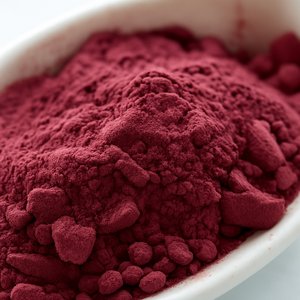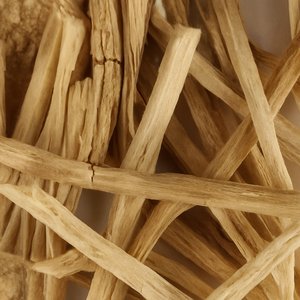
Comfrey Root Powder
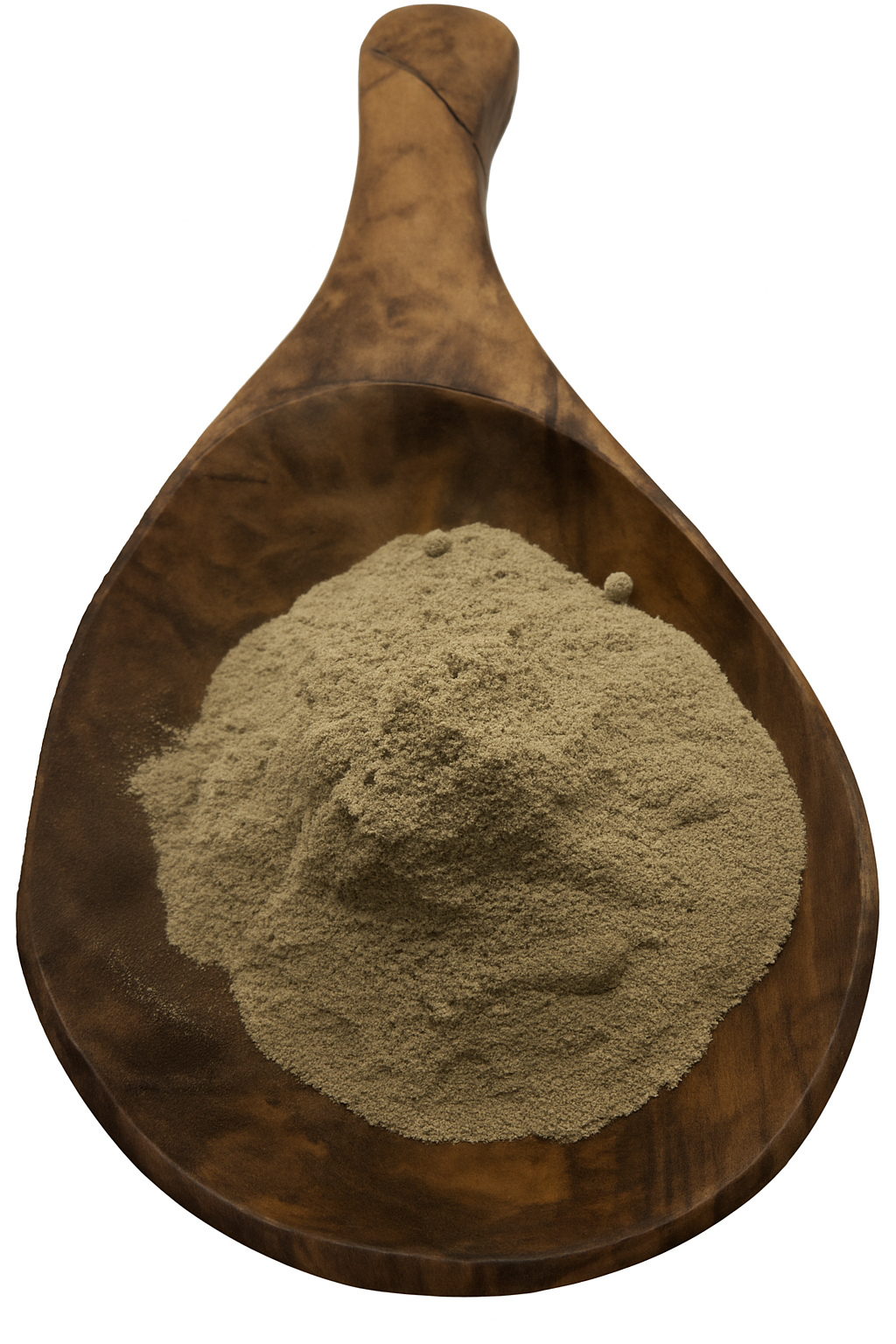
Comfrey Root Powder - an herb powder used for external use only, made from wild-harvested comfrey root.





Hotline Order:
24/7
+1(865)4164178
This section lists the botanical name of the plant. Common Comfrey (Symphytum officinale L.)
Common Name:
- English:Comfrey, also known as Knitbone, is a plant with medicinal properties.
- This product is also referred to as:The product is a collection of various herbs known as comfrey, including: * Common Comfrey (also known as Consound, Consoude, Consuelda, Grande Consoude) * Other names for the same herb: Healing Herb, Knit Bone, Nipbone, Knitback, Blackwort, Bruisewort, Ass Ear, Sankuutan, Black Root * Also referred to as Gum Plant, Herbe à la Coupure, Langue-de-Vache, Oreille d’Ane, and Wallwort.
Origin: Ukraine
Harvested: Wild
Part used: Root
There is no original text to rephrase. Please provide the original text for me to rewrite. I'll be happy to help!
Common Comfrey (Symphytum officinale) is a perennial herb native to Europe.Comfrey is a perennial plant with a large, coarse root system that grows in clumps. It's valued for its attractive foliage and spring blooms. The plant has a stout stem, typically 1-3 feet tall, with a spread of 0.75-3 feet. Its leaves are coarsely hairy and egg-shaped to lance-shaped, with wavy edges. The largest leaves are found at the base of the plant, growing up to 8 inches long, while smaller leaves higher on the stem have a decurrent shape. Mature stems develop wing-like features. In mid-spring to early summer, comfrey produces tubular flowers in drooping clusters that can be white, pink, or purple.
The plant has an upright growth habit and its stems are covered with coarse, hairy texture. The root system consists of a branched stem base from which fibrous and fleshy roots emerge. These roots are cylindrical in shape, typically less than an inch thick and up to 12 inches long, smooth on the outside and white inside.
The lower leaves of this plant are quite large, reaching lengths of up to 10 inches. They have an oval shape and a hairy texture that can cause skin irritation if touched.
Comfrey has been cultivated for medicinal purposes since 400 BC. It was introduced to America by immigrants in the 1600s, who valued its healing properties. Over time, comfrey has naturalized in many areas of the US, including roadsides and waste land. The plant's ability to heal broken bones earned it the nickname "Knitbone", reflecting its remarkable capacity for tissue repair. Its botanical name, Symphytum, translates to "to unite".
There is ongoing debate about its suitability for internal consumption.Most experts agree that these plants are not safe for consumption.
How to use:
This product is intended for external use only.
Herbs can be applied topically as poultices or compresses, either warm or cool.
Precautions:
Before using this product, consult with a healthcare professional, especially if you're pregnant, breastfeeding, or taking medication.
The content of this website is provided for informational and educational purposes only.ONLY
The following statement is in compliance with Canadian regulations regarding health claims: This product has not undergone evaluation by Health Canada.
This information is for general guidance only and should not be used as a substitute for medical advice.
Add your review
Your email address will not be published. Required fields are marked *
Please login to write review!
Looks like there are no reviews yet.