
1. The Science Behind Digestion and Sleep
1.1 Understanding the Digestive Process
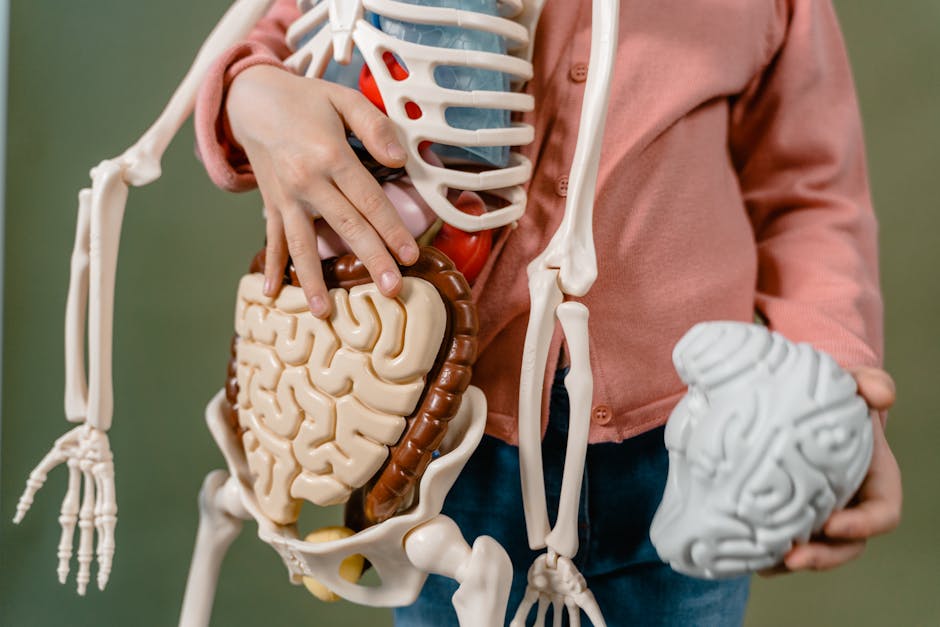
The digestive process begins as soon as food enters the mouth, with enzymes in saliva initiating the breakdown of carbohydrates. This process continues in the stomach, where gastric juices further digest food into a semi-liquid form known as chyme. This chyme then moves into the small intestine, where the majority of nutrient absorption occurs. Finally, the remains pass into the large intestine, where water is absorbed, and waste is prepared for elimination.
1.2 The Role of the Gastroesophageal Sphincter
The gastroesophageal sphincter, a critical valve between the esophagus and stomach, plays a vital role in preventing the backflow of stomach contents. When functioning properly, it opens to allow food to enter the stomach and closes to prevent gastric acid and digested food from re-entering the esophagus. However, its function can be compromised when lying down immediately after eating, increasing the risk of acid reflux.
1.3 How Sleep Affects Digestion
Sleep is believed to influence digestion in various ways. During sleep, the body's metabolic rate decreases, slowing down the digestive process. This reduction in digestive activity can lead to incomplete digestion if meals are consumed too close to bedtime. Additionally, lying flat can exacerbate the symptoms of acid reflux, as gravity no longer helps maintain the downward flow of stomach contents.
1.4 The Impact of Lying Down Post-Meal
Research suggests that reclining immediately after eating can disrupt the digestive process by allowing stomach acid to move back into the esophagus, leading to discomfort and symptoms of gastroesophageal reflux disease (GERD). This position may also hinder the proper closure of the gastroesophageal sphincter, increasing the likelihood of acid reflux. Consequently, it is often recommended to maintain an upright position after meals to support optimal digestion.
1.5 Strategies for Better Digestion and Sleep
To promote both effective digestion and restful sleep, individuals may consider adopting certain lifestyle practices. These might include allowing a significant interval between the last meal and bedtime, choosing lighter meals in the evening, and elevating the head during sleep to prevent acid reflux. Such strategies may support the synchronization of digestive and sleep processes, reducing discomfort and enhancing overall well-being.
2. The Impact of Gravity on Acid Reflux

2.1 The Role of Gravity in Digestion
Gravity plays a fundamental role in the digestive process by aiding the downward movement of food through the digestive tract. When a person is in an upright position, gravity assists in keeping stomach contents moving down into the intestines, facilitating proper digestion and nutrient absorption. This natural force helps maintain the closure of the gastroesophageal sphincter, thus preventing the backflow of gastric acid into the esophagus.
2.2 Gravity and Post-Meal Positioning
Research suggests that the effect of gravity is significantly diminished when a person reclines too soon after eating. This change in posture can allow stomach acid to escape into the esophagus, causing irritation and discomfort. The reclining position can also reduce the efficacy of the gastroesophageal sphincter, making it easier for acid reflux to occur. As a result, individuals are often advised to remain upright for a period after meals to leverage gravity's natural assistance in digestion.
2.3 Heartburn and Indigestion: The Consequences
When gravity is not aiding digestion, those suffering from acid reflux may experience exacerbated symptoms such as heartburn and indigestion. Heartburn is characterized by a burning sensation in the chest, often resulting from acid irritating the esophageal lining. Indigestion may manifest as bloating, discomfort, or an overall feeling of fullness. These symptoms can disrupt daily life and sleep patterns, contributing to a cycle of digestive distress.
2.4 Strategies to Harness Gravity
To mitigate the impact of gravity on acid reflux, individuals may consider implementing specific strategies. These can include waiting at least two to three hours after eating before lying down, using a wedge pillow to keep the upper body elevated while sleeping, and incorporating light, easily digestible foods in meals. Such practices may support the natural process of digestion and help reduce the incidence of acid reflux symptoms.
3. Disrupted Digestive Enzymes and Gastric Juices

3.1 The Role of Digestive Enzymes and Gastric Juices
Digestive enzymes and gastric juices are essential components of the digestive process, playing a critical role in breaking down food into nutrients that the body can absorb. The stomach produces gastric juices, including hydrochloric acid and pepsin, which help in digesting proteins and activating digestive enzymes. These enzymes further catalyze the breakdown of carbohydrates, proteins, and fats, ensuring that nutrients are adequately absorbed in the intestines.
3.2 Impact of Reclining After Meals
Reclining soon after eating can disrupt the production and function of digestive enzymes and gastric juices. This position may lead to incomplete digestion, as the decreased gravitational effect can hinder the efficient movement and mixing of stomach contents. Consequently, the digestive process may be slowed, resulting in discomfort and potential stomach upset. The diminished activity of enzymes and gastric juices can also lead to partial digestion, causing fermentation of food and the production of gas, bloating, or indigestion.
3.3 Incomplete Digestion and Its Consequences
When digestion is incomplete due to disrupted enzyme activity and gastric juice production, it can lead to several gastrointestinal issues. Partially digested food can irritate the stomach lining, causing discomfort and increasing the risk of acid reflux and GERD symptoms. Additionally, the presence of undigested food in the stomach may slow gastric emptying, further exacerbating feelings of fullness and discomfort. Over time, these issues can contribute to a cycle of digestive distress, affecting overall digestive health and well-being.
3.4 Strategies to Support Enzyme and Juice Function
To support the optimal function of digestive enzymes and gastric juices, individuals may consider adopting certain lifestyle practices. Allowing sufficient time between meals and bedtime is believed to help in maintaining the activity of enzymes and the production of gastric juices. Consuming smaller, balanced meals can also promote efficient digestion by reducing the burden on the digestive system. Additionally, staying upright after eating can enhance the natural movement and mixing of stomach contents, facilitating a more effective digestive process.
4. The Role of Meal Composition in Post-Dinner Discomfort

4.1 Impact of High-Fat Meals
Research suggests that consuming high-fat meals can significantly influence post-dinner discomfort, especially when followed by lying down. High-fat foods are known to slow gastric emptying, leading to prolonged digestion times. This delay can increase the likelihood of stomach contents rising into the esophagus, particularly if one reclines shortly after eating. The presence of excessive fat in the stomach can also stimulate the production of gastric acid, potentially exacerbating symptoms of acid reflux and GERD.
4.2 The Effects of Spicy Foods
Spicy foods, while flavorful, may contribute to post-dinner digestive disturbances. Capsaicin, the active component in chili peppers, can irritate the esophageal lining and relax the lower esophageal sphincter, a muscle that helps prevent acid from entering the esophagus. This relaxation can lead to increased episodes of acid reflux, especially if one goes to bed soon after eating. Individuals prone to GERD may find that spicy meals exacerbate their symptoms, leading to nighttime discomfort and disrupted sleep.
4.3 Role of Carbohydrates and Sugary Foods
Carbohydrate-rich and sugary foods may also play a role in post-dinner discomfort. These foods can cause a rapid increase in blood sugar levels, followed by a swift drop, which may affect energy levels and digestion. Additionally, some carbohydrates, particularly those that are refined, can ferment in the stomach if not fully digested, leading to gas, bloating, and discomfort. Consuming such foods close to bedtime can contribute to a restless night and increased GERD symptoms.
4.4 Fiber and Its Digestive Implications
While fiber is an essential part of a healthy diet, its consumption in large amounts during dinner may lead to discomfort if not managed properly. High-fiber foods can increase the volume of stomach contents and require more time to digest, which may not be ideal before sleep. This can lead to bloating and increased pressure on the stomach, promoting reflux symptoms. Balancing fiber intake throughout the day rather than consuming it all at dinner may help mitigate these effects.
4.5 Strategies to Optimize Meal Composition
To reduce post-dinner discomfort associated with meal composition, individuals may consider several strategies. Opting for meals with a balanced macronutrient composition, including moderate amounts of healthy fats, proteins, and complex carbohydrates, can support more efficient digestion. Avoiding large, heavy meals close to bedtime and opting for lighter, easily digestible foods may also help. Additionally, incorporating herbs and spices known for their digestive properties, such as ginger or fennel, may aid in reducing digestive disturbances.
5. Understanding Circadian Rhythms and Digestive Health

5.1 The Basics of Circadian Rhythms
Circadian rhythms are natural, internal processes that regulate the sleep-wake cycle and repeat roughly every 24 hours. These rhythms are influenced by environmental cues, such as light and temperature, and play a crucial role in various bodily functions, including hormone release, eating habits, and digestion. The synchronization of circadian rhythms with the external environment is vital for maintaining optimal health and well-being.
5.2 Circadian Rhythms and Digestive Efficiency
Research suggests that circadian rhythms significantly influence digestive efficiency. The digestive system is believed to function optimally when food intake aligns with the body's internal clock. For instance, digestion is generally more active during daylight hours when the body anticipates food intake, leading to more efficient processing of meals. Conversely, during the night, digestive activities slow down as the body prepares for rest, which can affect how food is metabolized and absorbed.
5.3 Misalignments and Their Impact on Digestive Health
Misalignments in circadian rhythms, often caused by irregular sleep patterns or late-night eating, can negatively impact digestive health. Poor sleep timing can disrupt the body's internal clock, leading to a misalignment between the sleep-wake cycle and the digestive process. This misalignment may result in slower digestion, increased gastric acid production, and a higher likelihood of acid reflux, particularly for individuals with GERD.
5.4 Strategies to Align Circadian Rhythms with Digestive Cycles
To support digestive health through better alignment with circadian rhythms, individuals may consider adopting certain lifestyle habits. Establishing a consistent sleep schedule by going to bed and waking up at the same time each day can help regulate the body's internal clock. Additionally, consuming meals at regular intervals and avoiding large meals close to bedtime may enhance digestion and reduce the risk of nighttime GERD symptoms. Exposure to natural daylight during the day and minimizing light exposure in the evening can also reinforce healthy circadian rhythms.
6. Natural Strategies to Enhance Digestion Post-Dinner

6.1 The Benefits of Post-Dinner Walking
Engaging in a light walk after dinner is believed to aid digestion and reduce the likelihood of discomfort. Research suggests that mild physical activity can stimulate the digestive system, promoting more efficient gastric emptying and reducing bloating. A brief walk, even as short as 10 to 15 minutes, may help in alleviating the symptoms of indigestion and support a comfortable night's rest for individuals with GERD.
6.2 Practicing Mindful Eating
Mindful eating practices are increasingly recommended to enhance digestion and minimize post-meal discomfort. This approach involves paying full attention to the eating process, being aware of the sensory experiences of eating, and recognizing hunger and satiety cues. By eating slowly and chewing thoroughly, individuals may promote better digestion and prevent overeating, which can exacerbate GERD symptoms.
6.3 Herbal Teas for Digestive Support
Herbal teas such as chamomile, peppermint, and ginger are often used as natural remedies to support digestion. These teas may have soothing properties that help relax the digestive tract and reduce bloating. Research suggests that ginger, in particular, may stimulate digestive enzymes, thereby enhancing the breakdown of food. Consuming a cup of herbal tea post-dinner might offer a calming effect and promote digestive health.
6.4 The Role of Relaxation Techniques
Relaxation techniques, such as deep breathing exercises and meditation, can alleviate stress that may interfere with digestion. Stress is known to exacerbate GERD symptoms by increasing gastric acid production. By incorporating relaxation practices into the post-dinner routine, individuals may find relief from digestive discomfort. Techniques like progressive muscle relaxation and mindfulness meditation can help in reducing stress levels and supporting digestive health.
6.5 Optimizing Meal Timing
Adjusting meal timing is another strategy believed to enhance post-dinner digestion. Eating dinner at least a few hours before bedtime allows the body sufficient time to digest the meal and may reduce the risk of acid reflux during sleep. Aligning meal timing with natural circadian rhythms, as discussed previously, supports optimal digestive function and minimizes discomfort associated with late-night eating.
6.6 Avoiding Common Triggers
Identifying and avoiding common dietary triggers is essential for reducing post-dinner discomfort. Foods such as spicy dishes, citrus fruits, and high-fat meals are known to aggravate GERD symptoms. By keeping a food diary, individuals can pinpoint specific foods that trigger their symptoms and make informed dietary choices to support digestion and reduce the incidence of discomfort after dinner.
7. The Importance of Meal Timing and Portion Control

7.1 Understanding Meal Timing
Meal timing plays a crucial role in digestive health, particularly for individuals experiencing GERD symptoms. Eating dinner too close to bedtime can exacerbate symptoms by allowing stomach acid to travel back into the esophagus while lying down. Research suggests that consuming the last meal of the day at least 2-3 hours before going to bed can facilitate proper digestion and reduce the risk of nighttime reflux. Aligning meal times with the body's natural circadian rhythms can also support digestive efficiency and improve overall sleep quality.
7.2 The Impact of Portion Control
Portion control is another significant factor in managing GERD symptoms and promoting digestive comfort. Large meals can increase stomach pressure, which may lead to acid reflux and indigestion. By consuming smaller, well-balanced meals, individuals can minimize the risk of overloading the digestive system. This approach is believed to reduce the likelihood of experiencing discomfort and bloating after eating. Additionally, smaller portions are easier for the body to process, potentially leading to more effective nutrient absorption and a more comfortable post-meal experience.
7.3 Tips for Optimizing Meal Timing and Portion Sizes
To optimize digestion and improve sleep quality, consider the following strategies:
- Plan Ahead: Schedule meals at consistent times each day to establish a routine that aligns with your body's natural rhythms.
- Mindful Eating: Focus on eating slowly and savoring each bite, which can help you recognize fullness cues and prevent overeating.
- Balanced Meals: Incorporate a variety of foods in moderate portions, emphasizing whole grains, lean proteins, and plenty of vegetables.
- Limit Late-Night Snacks: Avoid eating large snacks close to bedtime, and opt for light, easily digestible options if needed.
- Stay Hydrated: Drink water throughout the day, but limit fluid intake during meals to prevent overfilling the stomach.
Implementing these practices may support a healthier digestive process and contribute to a more restful night's sleep, particularly for those managing GERD.
8. Herbal Remedies and Probiotics for Digestive Support

8.1 Understanding Herbal Remedies for Digestion
Herbal remedies have been utilized for centuries to support digestive health and alleviate discomfort. Certain herbs are believed to have properties that can soothe the digestive tract, reduce inflammation, and promote the efficient breakdown of food. Incorporating these herbs into one's diet may be beneficial, especially when dinner is consumed near bedtime.
8.2 Popular Herbs for Digestive Health
Several herbs are commonly associated with digestive support:
- Ginger: Known for its anti-inflammatory properties, ginger may help alleviate symptoms of indigestion and nausea. It is believed to enhance the movement of food through the stomach and intestines, potentially reducing discomfort.
- Peppermint: Peppermint is often used to relax the muscles of the gastrointestinal tract, which may help ease bloating and gas. Its soothing effect is thought to improve overall digestive function.
- Chamomile: Chamomile is renowned for its calming effects on the gastrointestinal system. It may help soothe the stomach lining and reduce symptoms of indigestion and acid reflux.
- Fennel: Fennel seeds are believed to aid digestion by reducing bloating and gas. They may also help relax the muscles in the gastrointestinal tract, facilitating smoother digestion.
8.3 The Role of Probiotics in Digestive Health
Probiotics are live microorganisms that, when consumed in adequate amounts, may confer health benefits on the host, particularly in the context of gut health. These beneficial bacteria are believed to play a crucial role in maintaining a balanced gut flora, which is integral to digestive health.
8.4 Benefits of Probiotics for GERD Sufferers
For individuals experiencing GERD, probiotics may offer several advantages:
- Gut Flora Balance: Probiotics may help maintain a healthy balance of gut bacteria, which is essential for optimal digestive function and can potentially reduce symptoms of GERD.
- Enhanced Digestion: By supporting the breakdown and absorption of nutrients, probiotics can contribute to a more efficient digestive process, minimizing the risk of indigestion and discomfort.
- Immune System Support: A healthy gut flora is linked to a robust immune system, which may indirectly influence digestive health and reduce inflammation associated with GERD symptoms.
8.5 Incorporating Herbal Remedies and Probiotics into Your Routine
Integrating herbal remedies and probiotics into a daily routine may provide additional support for those struggling with GERD. It is important, however, to approach these natural remedies with caution and consult with a healthcare professional to ensure they are appropriate for individual health needs. By doing so, individuals can potentially enhance their digestive health, reduce discomfort, and improve their overall quality of life.
9. Lifestyle Adjustments for Better Sleep and Digestion

9.1 The Importance of Sleep for Digestive Health
Sleep plays a crucial role in maintaining overall health, including digestive function. Research suggests that poor sleep patterns may exacerbate symptoms of GERD and other digestive disorders. By improving sleep quality, individuals may experience fewer episodes of reflux and other digestive discomforts. A well-rested body is better equipped to manage stress, which can also influence digestive health.
9.2 Adjusting Sleep Positions for Optimal Digestion
The position in which one sleeps may significantly impact digestion and the occurrence of GERD symptoms. Elevating the head and upper body during sleep is believed to help reduce the likelihood of stomach acid traveling back into the esophagus. This can be achieved by using a wedge pillow or adjusting the bed frame to create an incline.
Sleeping on the left side is another position that may support digestion. This position is thought to keep the junction between the stomach and esophagus above the level of stomach acid, potentially minimizing reflux episodes.
9.3 Creating a Pre-Bedtime Routine
Establishing a calming pre-bedtime routine can aid in both promoting better sleep and supporting digestion. Here are some suggestions to consider:
- Limit Meals Before Bedtime: Consuming large meals close to bedtime may increase the risk of GERD symptoms. It is generally recommended to finish eating at least two to three hours before lying down.
- Incorporate Relaxation Techniques: Engaging in relaxation techniques such as deep breathing, meditation, or gentle yoga may help reduce stress and promote a restful night’s sleep.
- Avoid Caffeine and Alcohol: Both caffeine and alcohol can disrupt sleep and may aggravate GERD symptoms. Reducing or eliminating these substances in the hours leading up to bedtime may be beneficial.
- Set a Consistent Sleep Schedule: Going to bed and waking up at the same time each day can help regulate the body’s internal clock, promoting better sleep quality.
9.4 The Role of Environment in Sleep and Digestion
The bedroom environment can significantly influence sleep quality, which in turn affects digestion. Creating a sleep-friendly environment involves:
- Maintaining a Comfortable Temperature: A cool, comfortable room temperature is conducive to better sleep and may help prevent night sweats that disturb rest.
- Minimizing Noise and Light: Using blackout curtains and white noise machines can help create a quiet, dark environment that promotes uninterrupted sleep.
- Investing in a Good Mattress and Pillows: A supportive mattress and pillows can help maintain proper alignment and reduce discomfort, leading to improved sleep quality.
By making these lifestyle adjustments, individuals may find relief from digestive discomfort and improve their overall sleep quality. While these changes are not a substitute for medical treatment, they can complement other strategies aimed at managing GERD and enhancing digestive health.
10. When to Seek Professional Help for Digestive Issues

10.1 Recognizing Persistent Symptoms
While occasional digestive discomfort is common and often manageable with lifestyle adjustments, persistent symptoms may indicate a more serious underlying condition. It is important to consult a healthcare professional if you experience symptoms that do not improve despite making dietary and lifestyle changes. Persistent symptoms may include frequent heartburn, chronic abdominal pain, unexplained weight loss, or prolonged changes in bowel habits.
10.2 Identifying Alarming Signs
There are certain warning signs that should prompt immediate medical attention. These include, but are not limited to, difficulty swallowing, persistent vomiting, blood in vomit or stool, severe abdominal pain, or jaundice. These symptoms could be indicative of conditions such as gastrointestinal bleeding, ulcers, or more serious digestive disorders that require prompt evaluation and treatment by a healthcare professional.
10.3 Understanding Potential Underlying Conditions
Several underlying conditions may cause persistent digestive issues that require professional intervention. These can include gastroesophageal reflux disease (GERD), irritable bowel syndrome (IBS), inflammatory bowel disease (IBD), peptic ulcers, or celiac disease. A healthcare professional can perform the necessary evaluations and tests to diagnose these conditions accurately and recommend appropriate treatment options.
10.4 The Role of a Healthcare Professional
A healthcare professional can provide a comprehensive assessment to determine the cause of persistent digestive issues. They may recommend diagnostic tests such as endoscopy, imaging studies, or laboratory tests to gain a better understanding of the underlying cause. Based on their findings, they can develop a personalized treatment plan that may include medications, lifestyle recommendations, or referrals to specialists if needed.
10.5 Importance of Early Intervention
Seeking medical advice early can prevent complications and improve outcomes for individuals with chronic digestive issues. Early intervention may help in managing symptoms effectively and preventing the progression of potential underlying conditions. By consulting with a healthcare professional, patients can receive the guidance and support needed to navigate their digestive health journey effectively.
In conclusion, while lifestyle changes can significantly improve digestive health, persistent or severe symptoms should not be ignored. Consulting a healthcare professional ensures that individuals receive the appropriate care and intervention necessary to address their digestive concerns effectively.