
1. Understanding Digestive Enzymes: An Overview

Digestive enzymes play an essential role in maintaining optimal digestive health by facilitating the breakdown of food into nutrients that the body can absorb and utilize. These enzymes are primarily produced by the pancreas and small intestine, and they target specific macronutrients such as carbohydrates, proteins, and fats. Understanding how these enzymes function and their importance in the digestive process can provide valuable insights into maintaining a healthy digestive system.
1.1 The Role of Digestive Enzymes
The primary function of digestive enzymes is to catalyze the chemical reactions that break down food into smaller, absorbable components. Each enzyme is specialized to act on a particular type of bond within food molecules. For instance, amylase targets carbohydrates, protease breaks down proteins, and lipase is responsible for the digestion of fats. This enzymatic activity is crucial for ensuring that the nutrients from food are effectively absorbed into the bloodstream, supporting overall health and vitality.
1.2 The Importance of Enzyme Balance
A balanced production and activity of digestive enzymes are believed to be critical for proper digestion. Insufficient enzyme levels can lead to incomplete digestion, resulting in symptoms such as bloating, gas, and nutrient deficiencies. Conversely, an imbalance can lead to digestive discomfort and may contribute to conditions like GERD, where improper breakdown of food leads to acid reflux. Thus, maintaining an appropriate enzyme balance is essential for digestive comfort and efficiency.
1.3 Factors Affecting Enzyme Function
Several factors can influence the effectiveness of digestive enzymes, including diet, age, and overall health. Research suggests that a diet high in processed foods may impact enzyme activity, potentially hindering digestion. Additionally, natural aging processes can decrease enzyme production, posing challenges for digestion in older adults. Lifestyle choices, including stress management and regular physical activity, are believed to support enzyme function by promoting a healthy digestive environment.
1.4 Supporting Enzyme Health Naturally
There are various natural strategies that may support the health and function of digestive enzymes. Consuming a diverse diet rich in fruits, vegetables, and whole grains can provide the nutrients needed for enzyme production. Fermented foods and probiotics are believed to enhance gut health, potentially supporting enzyme activity. Additionally, staying hydrated and practicing mindful eating can create favorable conditions for enzyme effectiveness and overall digestive health.
In conclusion, understanding the role and importance of digestive enzymes offers valuable insights into maintaining digestive health. By supporting enzyme function through balanced nutrition and healthy lifestyle choices, individuals can enhance their digestive efficiency and overall well-being. Embracing these natural approaches aligns with the broader journey towards digestive triumph, empowering individuals to achieve optimal health through informed choices.
2. The Science Behind Enzymatic Action

2.1 Biochemical Processes of Enzymes
Digestive enzymes are specialized proteins that catalyze the breakdown of macronutrients into smaller molecules, facilitating nutrient absorption. Each enzyme has a unique active site that binds to specific substrates, initiating a biochemical reaction that cleaves complex molecules. This specificity ensures that each enzyme targets a particular macronutrient, enhancing the efficiency of the digestive process.
2.2 Enzymatic Targeting of Macronutrients
Enzymes are crucial in targeting and breaking down different macronutrients. Amylase, for example, is responsible for hydrolyzing carbohydrates into simple sugars, making them easier for the body to absorb. Protease enzymes play a key role in degrading proteins into amino acids, which are vital for numerous bodily functions, including tissue repair and hormone production. Lipase enzymes target fats, breaking them down into fatty acids and glycerol, which can be absorbed and utilized for energy production.
2.3 Impact on Gut Efficiency
The targeted action of digestive enzymes significantly impacts gut efficiency. By breaking down food into absorbable units, enzymes facilitate quicker nutrient uptake into the bloodstream. This process not only supports immediate energy needs but also contributes to long-term health by ensuring that essential vitamins and minerals are available for bodily functions. Efficient enzymatic action is believed to reduce the risk of digestive discomforts, such as bloating and gas, by minimizing the presence of undigested food in the gut.
2.4 Nutrient Absorption and Overall Health
Effective enzymatic action is crucial for optimal nutrient absorption, which is essential for maintaining overall health. When enzymes function properly, they help ensure that nutrients are absorbed efficiently, reducing the likelihood of deficiencies that can compromise health. Research suggests that proper enzyme function can support a healthy immune system, enhance energy levels, and promote overall well-being. Thus, understanding and supporting enzymatic activity is a cornerstone of digestive health, offering insights into how dietary habits and lifestyle choices can enhance nutrient bioavailability.
3. Natural Sources of Digestive Enzymes

3.1 The Role of Food in Enzyme Supply
Incorporating foods rich in natural digestive enzymes into your diet can play a significant role in promoting better digestion and relieving discomfort associated with digestive issues. These enzymes are naturally present in various foods and aid in breaking down macronutrients, thereby enhancing nutrient absorption and reducing the burden on the digestive system.
3.2 Fruits High in Digestive Enzymes
Certain fruits are particularly noted for their high content of natural digestive enzymes. Pineapple and papaya are two such fruits that have been extensively studied for their enzymatic properties. Pineapple contains bromelain, a group of enzymes that may help digest proteins efficiently. Similarly, papaya is rich in papain, another proteolytic enzyme that is believed to support protein digestion. Including these fruits in your diet can potentially ease protein digestion and alleviate discomfort.
3.3 Fermented Foods and Their Enzymatic Benefits
Fermented foods are another excellent source of natural digestive enzymes. They are created through the process of fermentation, which not only enhances the flavor and shelf life of foods but also increases their enzyme content. Foods such as sauerkraut, kimchi, and kefir are rich in enzymes and probiotics, which together may improve gut health and digestive efficiency. The presence of these enzymes can support the breakdown of complex carbohydrates and proteins, promoting smoother digestion.
3.4 Nuts, Seeds, and Their Enzyme Contribution
Nuts and seeds, particularly when sprouted, are known to contain beneficial digestive enzymes. The sprouting process activates enzymes such as lipase, amylase, and protease, which are believed to assist in breaking down fats, carbohydrates, and proteins, respectively. Incorporating sprouted nuts and seeds into your diet can enhance your digestive health by providing these natural enzymes.
3.5 Practical Tips for Including Enzyme-Rich Foods
To harness the benefits of natural digestive enzymes, consider integrating these foods into your daily meals. Start your day with a fruit salad featuring pineapple and papaya, add a side of sauerkraut or kimchi to your lunch, and enjoy a handful of sprouted nuts as a snack. These simple dietary changes can contribute to improved digestion and overall health, supporting the body's natural enzymatic processes.
By understanding and utilizing natural sources of digestive enzymes, individuals can enhance their digestive efficiency and well-being. This approach aligns with a holistic philosophy towards health, emphasizing the importance of natural, nutrient-rich foods in maintaining digestive balance.
4. The Role of Enzyme Supplements in Digestive Health

4.1 Understanding Enzyme Deficiencies
Enzyme deficiencies can significantly impact digestive health, leading to symptoms such as bloating, indigestion, and nutrient malabsorption. Such deficiencies may arise from various factors, including genetic predispositions, chronic illnesses, or aging. Enzyme supplements have emerged as a potential solution to mitigate these issues by providing the necessary enzymes to aid in digestion.
4.2 Benefits of Enzyme Supplements
Research suggests that enzyme supplements can be beneficial in enhancing digestive processes, particularly for individuals who struggle with enzyme deficiencies. These supplements typically contain a blend of enzymes like proteases, lipases, and amylases, which facilitate the breakdown of proteins, fats, and carbohydrates, respectively. By improving digestion, enzyme supplements may help alleviate symptoms associated with digestive disorders and enhance nutrient bioavailability.
4.3 Scientific Studies Supporting Enzyme Supplementation
Several scientific studies have examined the efficacy of enzyme supplements in supporting digestive health. One notable study published in the Journal of Clinical Gastroenterology found that individuals with irritable bowel syndrome (IBS) experienced reduced bloating and discomfort when using enzyme supplements. Another study highlighted in Digestive Diseases and Sciences reported improved digestion in participants with pancreatic insufficiency when they used enzyme supplementation.
4.4 Considerations Before Using Enzyme Supplements
While enzyme supplements may offer benefits, there are important considerations to keep in mind. It is crucial for individuals to consult with healthcare professionals before starting any supplementation, particularly if they have underlying health conditions or are taking other medications. Additionally, the quality and formulation of enzyme supplements can vary, making it essential to choose reputable brands that provide comprehensive enzyme blends.
4.5 Enzyme Supplements and Specific Dietary Needs
For those with specific dietary needs, such as vegetarians or individuals with food intolerances, enzyme supplements can be tailored to meet these requirements. Plant-based enzyme supplements are available for those avoiding animal products, and specific formulations can be designed to address particular intolerances, such as lactose intolerance. This adaptability makes enzyme supplements a versatile tool in managing digestive health.
In summary, enzyme supplements represent a promising avenue for supporting digestive health, particularly for individuals with enzyme deficiencies or unique dietary needs. By enhancing enzymatic activity, these supplements may improve digestion, reduce discomfort, and promote overall gut health. However, informed decisions and professional guidance are essential when considering their use.
5. Common Digestive Disorders and Enzyme Deficiency

5.1 The Role of Enzymes in Digestive Health
Enzymes play a crucial role in breaking down food into nutrients, which the body can then absorb and utilize. A deficiency in these enzymes can significantly impair the digestive process, leading to a range of disorders. Enzyme deficiencies can manifest as chronic digestive issues, impacting overall health and wellness.
5.2 Lactose Intolerance and Enzyme Deficiency
Lactose intolerance is a common digestive disorder resulting from the deficiency of lactase, an enzyme responsible for breaking down lactose, the sugar found in milk and dairy products. Research suggests that individuals with lactose intolerance experience symptoms such as bloating, diarrhea, and abdominal pain after consuming dairy. Managing this condition typically involves dietary adjustments, such as reducing or eliminating dairy intake and considering lactase enzyme supplements to aid digestion.
5.3 Pancreatic Insufficiency and Enzyme Deficiency
Pancreatic insufficiency occurs when the pancreas fails to produce enough digestive enzymes, leading to malabsorption of nutrients. This condition is often associated with chronic pancreatitis, cystic fibrosis, or other pancreatic disorders. Pancreatic enzyme replacement therapy (PERT) is an evidence-based strategy that may help individuals manage symptoms by providing the necessary enzymes to assist in the digestion of fats, proteins, and carbohydrates.
5.4 Evidence-Based Dietary Strategies
Dietary strategies are essential in managing symptoms associated with enzyme deficiencies. For lactose intolerance, incorporating lactose-free products and utilizing lactase supplements during meals may support symptom management. In the case of pancreatic insufficiency, a high-calorie, nutrient-dense diet, complemented by PERT, can help improve nutrient absorption and overall health.
5.5 The Role of Supplements in Managing Digestive Disorders
Enzyme supplements can be a valuable tool for individuals experiencing digestive disorders due to enzyme deficiencies. These supplements, which often include a mix of proteases, lipases, and amylases, are believed to support the breakdown of macronutrients, thereby reducing digestive discomfort. For those with specific enzyme deficiencies, targeted supplements such as lactase for lactose intolerance or a comprehensive enzyme blend for pancreatic insufficiency may provide relief.
In conclusion, enzyme deficiencies can significantly impact digestive health, leading to disorders like lactose intolerance and pancreatic insufficiency. By understanding the role of enzymes and incorporating dietary strategies and supplements, individuals may effectively manage symptoms and improve their overall digestive well-being. However, it is essential to consult healthcare professionals to tailor these strategies to individual needs and conditions.
6. Enhancing Gut Health Through Lifestyle Changes

6.1 The Importance of Mindful Eating Practices
Mindful eating is believed to be an effective strategy to enhance digestive health by allowing individuals to become more aware of their eating habits. By paying attention to the taste, texture, and aroma of food, as well as recognizing hunger and fullness cues, research suggests that mindful eating can lead to improved digestion and nutrient absorption. This practice may also help in identifying foods that may trigger digestive discomfort, thereby allowing for a more tailored dietary approach.
6.2 Stress Reduction Techniques
Stress is known to adversely affect digestive health, potentially exacerbating symptoms of enzyme deficiencies and other digestive disorders. Techniques such as meditation, yoga, and deep breathing exercises are believed to reduce stress levels and support a balanced gut environment. Research indicates that these stress reduction strategies may help regulate the gut-brain axis, thereby promoting a more efficient digestive process and enhancing the effectiveness of digestive enzymes.
6.3 The Role of Regular Physical Activity
Engaging in regular physical activity is another lifestyle modification that may support gut health. Exercise is believed to stimulate intestinal activity, improve circulation, and enhance the body's metabolic processes, all of which can contribute to more effective digestion. Furthermore, physical activity is known to help manage stress, which, as discussed, is critical for maintaining a healthy digestive system. Incorporating activities such as walking, cycling, or swimming into daily routines may offer long-term benefits for digestive wellness.
6.4 Integrating Lifestyle Changes for Long-Term Digestive Wellness
Integrating these lifestyle changes can potentially create a synergistic effect, bolstering the effectiveness of digestive enzymes and promoting overall gut health. By adopting mindful eating practices, stress reduction techniques, and regular physical activity, individuals may support their body's natural digestive processes and improve their quality of life. It is important to note that these lifestyle modifications should be personalized and adapted according to individual needs and conditions, ideally under the guidance of healthcare professionals.
In summary, lifestyle changes such as mindful eating, reducing stress, and maintaining regular physical activity are believed to enhance gut health and support the long-term effectiveness of digestive enzymes. These modifications, when combined with dietary strategies and supplements, may offer a comprehensive approach to managing digestive disorders and improving overall digestive wellness.
7. Future Directions in Digestive Enzyme Research
7.1 Innovations in Enzyme Therapy
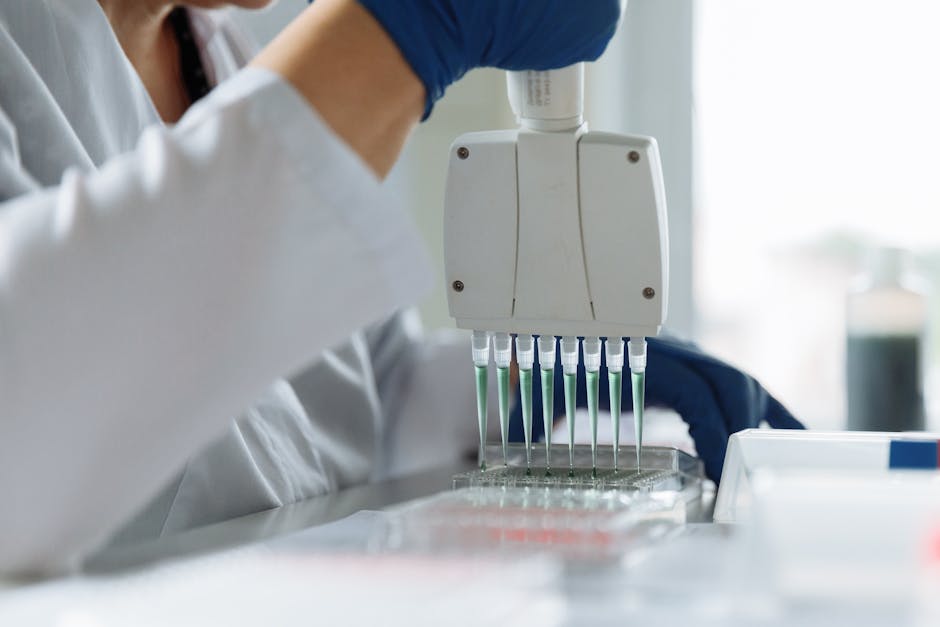
The field of enzyme therapy is witnessing exciting developments that may revolutionize the management of digestive health. Emerging research suggests that engineered enzymes could be tailored to target specific digestive issues, potentially offering more effective solutions for individuals with enzyme deficiencies. Innovations such as enzyme encapsulation and controlled-release formulations are being explored to enhance enzyme stability and absorption, which may lead to more efficient therapies for gastrointestinal disorders.
7.2 Personalized Nutrition and Digestive Enzymes
Personalized nutrition, which tailors dietary recommendations based on individual genetic, microbiome, and metabolic profiles, is gaining attention in the realm of digestive health. Research is delving into how digestive enzymes can be integrated into personalized nutrition plans to optimize digestive efficiency and prevent disorders. By understanding the unique enzyme activity patterns in individuals, it is believed that customized enzyme supplementation could enhance nutrient absorption and digestive comfort.
7.3 The Role of Microbiome-Targeted Enzymes
The gut microbiome plays a crucial role in digestion, and new research is focusing on how enzymes can influence microbial balance. Scientists are exploring the potential of microbiome-targeted enzymes to modulate gut flora, which may support digestive health and resilience against disorders. This line of research aims to develop enzyme-based interventions that can selectively enhance beneficial bacteria while suppressing harmful species, promoting a healthier gut environment.
7.4 Technological Advances in Enzyme Production
Advancements in biotechnology are paving the way for more efficient enzyme production methods, which could make enzyme therapies more accessible and cost-effective. Techniques such as recombinant DNA technology and fermentation are being refined to produce enzymes with enhanced activity and stability. These technological breakthroughs may facilitate the large-scale production of specialized enzymes, broadening the applications of enzyme therapy in digestive health.
7.5 Potential Implications for Gastrointestinal Disorders
The evolving landscape of digestive enzyme research holds promise for developing more effective strategies to address gastrointestinal disorders. As our understanding of enzyme functions and interactions deepens, it is anticipated that these insights could lead to novel therapeutic approaches for conditions like GERD, IBS, and enzyme insufficiencies. These future developments in enzyme research may ultimately contribute to improved digestive health management and a better quality of life for individuals affected by these disorders.