
1. What is Gut Dysbiosis?

Gut dysbiosis refers to an imbalance in the microbial communities that reside in the gastrointestinal tract. This condition is characterized by a disruption in the natural equilibrium of beneficial and harmful bacteria, which can have significant implications for overall health. Understanding gut dysbiosis involves delving into the complex interactions within the gut microbiome and how these changes may affect various bodily functions.
1.1 The Microbiome and Its Role
The human gut is home to trillions of microorganisms, including bacteria, viruses, fungi, and other microbes, collectively known as the gut microbiome. These microbial communities play a crucial role in maintaining digestive health, supporting the immune system, and synthesizing essential nutrients and vitamins. A balanced microbiome is integral to the proper functioning of the gastrointestinal system and overall well-being.
1.2 Causes of Gut Dysbiosis
Several factors are believed to contribute to gut dysbiosis. Dietary habits, such as high consumption of processed foods and low fiber intake, can negatively impact the balance of gut bacteria. Additionally, the use of certain medications, particularly antibiotics, is known to alter the microbial landscape. Stress, lack of sleep, and environmental toxins are also considered potential contributors to dysbiosis.
1.3 Health Implications of Dysbiosis
Research suggests that gut dysbiosis may be associated with a range of health issues. It is believed to contribute to digestive disorders such as irritable bowel syndrome (IBS) and inflammatory bowel disease (IBD). Beyond the gut, dysbiosis has been linked to conditions like obesity, type 2 diabetes, and mental health disorders, including anxiety and depression. The gut-brain axis, a bidirectional communication network between the gut and the brain, may play a role in these associations.
1.4 Identifying and Addressing Dysbiosis
Identifying gut dysbiosis requires a comprehensive understanding of an individual's symptoms, lifestyle, and dietary habits. While a healthcare provider may recommend specific tests to evaluate the gut microbiome, it is important to approach any intervention with caution. Strategies to address dysbiosis often focus on dietary modifications, such as increasing fiber intake and incorporating probiotics, as well as lifestyle changes to reduce stress and improve sleep quality. However, further research is needed to fully understand the most effective approaches to managing this condition.
2. Common Symptoms of Gut Dysbiosis

2.1 Digestive Disturbances
One of the primary indicators of gut dysbiosis is digestive discomfort. Individuals may experience a range of issues such as bloating, gas, diarrhea, constipation, and abdominal pain. Research suggests that these symptoms are often related to the imbalance of gut bacteria, which can affect the digestion and absorption of nutrients. The presence of harmful bacteria may lead to increased inflammation and irritation in the gut lining, exacerbating these symptoms.
2.2 Systemic Fatigue
Fatigue is another common symptom associated with gut dysbiosis. This condition can be linked to the body's impaired ability to absorb essential nutrients due to an imbalanced microbiome. Some studies indicate that the metabolic byproducts of harmful bacteria can enter the bloodstream and contribute to a feeling of persistent tiredness and low energy levels. Understanding the connection between gut health and systemic energy is crucial for addressing unexplained fatigue.
2.3 Mental Health Impacts
Emerging research highlights the significant role the gut microbiome plays in mental health. Dysbiosis may impact the gut-brain axis, potentially contributing to mood disorders such as anxiety and depression. The production of neurotransmitters, like serotonin, which are significantly influenced by gut bacteria, can be disrupted due to microbial imbalances. This connection underscores the importance of maintaining a healthy microbiome for mental well-being.
2.4 Skin Issues
Gut dysbiosis has also been linked to skin conditions, including acne, eczema, and rosacea. The gut-skin axis suggests that inflammation and immune responses originating in the gut can manifest as skin problems. Research indicates that improving gut health may have positive effects on skin condition, highlighting the interconnectedness of bodily systems.
2.5 Immune System Disruption
The gut microbiome plays a critical role in supporting the immune system. Dysbiosis can lead to a weakened immune response, making individuals more susceptible to infections and illnesses. Studies suggest that the balance of gut bacteria is integral to immune modulation, and disruptions can lead to increased inflammation and autoimmunity.
Understanding these common symptoms of gut dysbiosis is essential for recognizing potential imbalances within the gut microbiome. Continued research into these symptoms and their underlying mechanisms may further illuminate effective strategies for managing gut health.
3. Causes of Gut Dysbiosis

3.1 Dietary Factors
Diet plays a crucial role in shaping the gut microbiome. Research suggests that diets high in processed foods, sugars, and unhealthy fats can contribute to gut dysbiosis. These dietary choices may foster the growth of harmful bacteria while reducing beneficial microbial populations. Conversely, diets rich in fiber and plant-based foods are believed to support a balanced microbiome by promoting the growth of beneficial bacteria. The consumption of artificial sweeteners and food additives has also been linked to microbial imbalances, although more research is needed to fully understand their impact.
3.2 Antibiotic Use
Antibiotics, while essential for treating bacterial infections, are known to disrupt the gut microbiome. These medications can eradicate both harmful and beneficial bacteria, leading to an imbalance in the gut ecosystem. The extent of dysbiosis may depend on the type, duration, and frequency of antibiotic use. Research indicates that repeated antibiotic exposure can have long-lasting effects on the microbiome, potentially leading to issues such as antibiotic resistance and reduced microbial diversity.
3.3 Lifestyle Habits
Lifestyle factors, including stress, sleep patterns, and physical activity, significantly influence the gut microbiome. Chronic stress is believed to alter gut flora by increasing the permeability of the gut lining, facilitating the translocation of bacteria and their byproducts into the bloodstream. This can provoke an inflammatory response and exacerbate dysbiosis. Additionally, inadequate sleep has been associated with microbial imbalances, as it may affect the body's circadian rhythms and, consequently, the gut bacteria's natural cycles. Regular physical activity, on the other hand, may support a diverse and balanced microbiome.
3.4 Environmental Influences
Environmental factors such as pollutants, chemicals, and exposure to new pathogens can also affect the gut microbiome. Studies suggest that exposure to certain environmental toxins may disrupt microbial balance and lead to dysbiosis. Urbanization and industrialization have introduced changes to the environment that may negatively impact gut health, including increased antibiotic use in agriculture and exposure to pollutants.
3.5 Genetic Predispositions
Genetics may play a role in an individual's susceptibility to gut dysbiosis. Some research indicates that genetic variations can affect the composition and function of the gut microbiome. While genetic factors are less modifiable than lifestyle or dietary choices, understanding their influence on gut health can help identify individuals who may be at higher risk for dysbiosis-related conditions.
Addressing the causes of gut dysbiosis requires a comprehensive approach that considers both modifiable factors, such as diet and lifestyle, and less controllable elements, such as genetics. Continued research is crucial for developing targeted strategies to prevent and manage gut dysbiosis effectively.
4. The Role of the Gut Microbiome in Health

The gut microbiome, a complex community of microorganisms residing in the digestive tract, plays an essential role in maintaining overall health. Its influence extends beyond digestion, impacting immune function and mental well-being. Understanding these critical functions can provide insights into the importance of nurturing a healthy gut microbiome.
4.1 Aiding Digestion
The gut microbiome is integral to the digestive process. It helps break down complex carbohydrates, proteins, and fats that the human body cannot digest on its own. By fermenting dietary fibers, the microbiome produces short-chain fatty acids (SCFAs), which are believed to provide energy to the colon cells and help maintain the integrity of the gut barrier. This process is crucial for efficient nutrient absorption and can prevent digestive disorders.
4.2 Supporting the Immune System
Research suggests that a balanced gut microbiome is vital for a robust immune system. The gut-associated lymphoid tissue (GALT), which houses a significant portion of the body's immune cells, interacts closely with the gut microbiome. This interaction may help educate and modulate the immune response, preventing overreactions to harmless antigens while defending against pathogens. A diverse microbiome is believed to enhance immune tolerance and reduce inflammation, potentially lowering the risk of autoimmune diseases.
4.3 Influencing Mental Well-being
The gut microbiome's influence on mental health is an area of growing scientific interest. This connection, often referred to as the "gut-brain axis," involves bidirectional communication between the gut and the brain. The microbiome is thought to produce neurotransmitters, such as serotonin and dopamine, which can affect mood and behavior. Additionally, the gut bacteria may influence stress responses and cognitive functions. Imbalances in the gut microbiome have been associated with mental health conditions like anxiety and depression, indicating a potential area for therapeutic exploration.
In conclusion, the gut microbiome's roles in digestion, immune support, and mental health underscore its importance in maintaining overall well-being. Promoting a balanced microbiome through diet, lifestyle, and possibly targeted interventions could offer promising avenues for enhancing health and preventing disease.
5. Diagnosing Gut Dysbiosis

Diagnosing gut dysbiosis involves a combination of traditional medical tests and emerging diagnostic technologies. These approaches aim to identify imbalances in the gut microbiome that may contribute to various health issues. Understanding these diagnostic methods can help in developing targeted strategies for managing dysbiosis.
5.1 Traditional Medical Tests
Traditional methods for diagnosing gut dysbiosis often involve assessing symptoms and conducting tests to evaluate gut function. These tests may include:
- Stool analysis: Laboratory examination of a stool sample can provide insights into the microbial composition of the gut. It may reveal an imbalance in beneficial versus harmful bacteria.
- Breath tests: These tests measure the levels of specific gases, such as hydrogen and methane, produced by gut bacteria during digestion. Abnormal gas levels can indicate bacterial overgrowth or dysbiosis.
- Blood tests: While not specific to gut dysbiosis, blood tests can identify inflammatory markers or nutrient deficiencies that may be associated with gut health issues.
5.2 Emerging Diagnostic Technologies
Advancements in technology are providing new ways to assess gut health with greater precision. These emerging diagnostic tools include:
- Microbiome sequencing: This cutting-edge technique involves analyzing the DNA of gut bacteria to identify specific strains and assess their relative abundance. It offers a detailed profile of the gut microbiome, helping to pinpoint dysbiosis.
- Metabolomics: This approach examines the metabolites produced by gut microbes, providing insights into their functional activity. Metabolomic analysis can reveal disruptions in metabolic processes linked to dysbiosis.
- Advanced imaging: Techniques such as MRI and CT scans, though not routinely used for dysbiosis, can help assess structural changes in the gut that may correlate with microbial imbalances.
Both traditional and emerging diagnostic methods are crucial for a comprehensive understanding of gut dysbiosis. Continued research and technological advancements are expected to enhance diagnostic accuracy, paving the way for more personalized approaches to gut health management.
6. Dietary Adjustments for Restoring Gut Balance

Restoring gut balance through dietary adjustments is a key strategy for promoting a healthy gut microbiome. Research suggests that specific changes in diet can support the proliferation of beneficial bacteria and enhance overall gut health. This section explores how increasing fiber intake and incorporating fermented foods can naturally help to achieve a balanced gut microbiome.
6.1 Increasing Fiber Intake
Fiber is a crucial component of a healthy diet and plays a significant role in maintaining gut health. It is believed to serve as a prebiotic, providing nourishment for beneficial gut bacteria. By increasing fiber intake, individuals may support the growth of these bacteria, which in turn can improve digestion and enhance the immune response.
Sources of dietary fiber include:
- Whole grains: Foods such as oats, brown rice, and whole wheat products are rich in fiber and can contribute to a balanced diet.
- Fruits and vegetables: Incorporating a variety of fruits and vegetables provides not only fiber but also essential vitamins and minerals.
- Legumes: Beans, lentils, and chickpeas are excellent sources of fiber and plant-based protein.
Consuming a fiber-rich diet may support the diversity and abundance of the gut microbiome, leading to improved gut health and overall well-being.
6.2 Incorporating Fermented Foods
Fermented foods are believed to be beneficial for gut health due to their probiotic content. These foods contain live microorganisms that can enhance the gut microbiome by introducing beneficial bacteria. Regular consumption of fermented foods may aid in restoring gut balance and improving digestive health.
Common fermented foods include:
- Yogurt: A popular source of probiotics, yogurt can be consumed daily to support gut health.
- Kefir: This fermented milk drink is rich in probiotics and can be a valuable addition to the diet.
- Sauerkraut: Fermented cabbage provides beneficial bacteria and can be used as a condiment or side dish.
- Kimchi: A staple in Korean cuisine, kimchi is a spicy fermented vegetable dish that supports gut health.
Incorporating these foods into a daily diet may contribute to a more diverse and resilient gut microbiome, potentially enhancing digestion and immune function.
Overall, dietary adjustments focused on increasing fiber intake and incorporating fermented foods can naturally promote a balanced gut microbiome. These changes, along with other lifestyle modifications, may offer effective strategies for maintaining gut health and preventing dysbiosis.
7. The Benefits of Probiotics and Prebiotics

In the quest for restoring and maintaining gut health, probiotics and prebiotics have garnered significant attention. These dietary components are believed to play a crucial role in fostering a balanced gut microbiome. This section examines the scientific evidence behind their use, highlighting their mechanisms and effectiveness in supporting digestive health.
7.1 Understanding Probiotics
Probiotics are live microorganisms that, when consumed in adequate amounts, may confer health benefits on the host by contributing to a healthy gut microbiome. Research suggests that probiotics can help restore the natural balance of gut bacteria, which is often disrupted by factors such as poor diet, stress, and antibiotic use.
Probiotics are thought to work through several mechanisms, including:
- Competing with harmful bacteria: By adhering to the gut lining, probiotics can prevent pathogenic bacteria from colonizing and causing infections.
- Enhancing the immune response: Probiotics may stimulate the production of antibodies and other immune cells, potentially improving overall immune function.
- Producing beneficial compounds: Some probiotics produce short-chain fatty acids and vitamins that support gut health and provide energy to colon cells.
Common sources of probiotics include yogurt, kefir, and dietary supplements. Their inclusion in a balanced diet may support gut health and improve digestive comfort.
7.2 Exploring Prebiotics
Prebiotics are non-digestible food components that are believed to promote the growth and activity of beneficial bacteria in the gut. Unlike probiotics, which contain live bacteria, prebiotics act as food for these microorganisms. By nourishing probiotics, prebiotics may enhance their effectiveness in maintaining gut health.
Prebiotics are thought to function by:
- Stimulating beneficial bacteria: Prebiotics selectively foster the growth of good bacteria, such as Bifidobacteria and Lactobacilli, which are associated with improved gut health.
- Enhancing nutrient absorption: By promoting a healthy microbial environment, prebiotics may improve the absorption of essential nutrients from the diet.
- Supporting gut barrier function: Prebiotics may strengthen the gut barrier, reducing the risk of inflammation and other gut-related issues.
Sources of prebiotics include high-fiber foods such as garlic, onions, bananas, and whole grains. Integrating these foods into the diet may support a robust gut microbiome, contributing to improved digestive health and overall well-being.
7.3 The Synergy of Probiotics and Prebiotics
While probiotics and prebiotics can individually benefit gut health, their combined use, known as synbiotics, may offer enhanced outcomes. Synbiotics are designed to deliver both live beneficial bacteria and the substrates that support their growth, potentially maximizing their impact on the gut microbiome.
Research suggests that synbiotics may provide the following benefits:
- Improved bacterial survival: Prebiotics can enhance the viability of probiotics, ensuring that more beneficial bacteria reach the gut intact.
- Enhanced gut colonization: The combination of probiotics and prebiotics may improve the colonization and persistence of beneficial bacteria in the gut.
- Augmented health benefits: Synbiotics may amplify the positive effects on digestion, immune response, and overall gut health.
Incorporating both probiotics and prebiotics into a dietary regimen may provide a synergistic approach to supporting and restoring gut health, potentially leading to better digestive function and enhanced well-being.
8. Herbal Remedies and Supplements
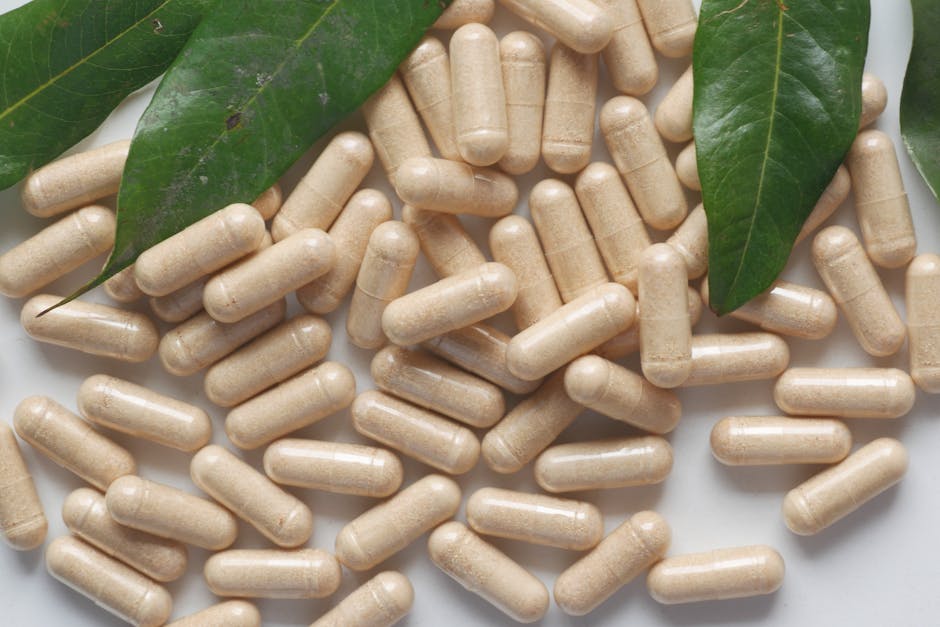
Exploring herbal remedies and supplements is an intriguing approach for those interested in natural methods to aid gut health, particularly in addressing gut dysbiosis. These natural options are believed to work by rebalancing the gut microbiome through various mechanisms, potentially offering supportive benefits for digestive health.
8.1 Understanding Herbal Remedies
Herbal remedies have been utilized for centuries in traditional medicine systems worldwide. These natural products often contain active components that are thought to support gut health by modulating the gut microbiota or enhancing digestive function. Some commonly explored herbal remedies include:
- Ginger: Known for its anti-inflammatory properties, ginger is believed to support digestion by soothing the gastrointestinal tract and potentially aiding in the reduction of inflammation.
- Turmeric: Curcumin, the active compound in turmeric, is thought to have antioxidant and anti-inflammatory effects that may support gut health and help maintain a balanced microbiome.
- Peppermint: Peppermint oil is frequently used for its potential to relax the muscles of the gastrointestinal tract, which may help alleviate symptoms of digestive discomfort.
While these herbs are celebrated for their potential benefits, it is essential for individuals to consult healthcare professionals before incorporating them into their regimen, particularly if they have existing health conditions or are taking other medications.
8.2 Exploring Supplements
In addition to herbal remedies, various dietary supplements are believed to support gut health by addressing gut dysbiosis. These supplements often contain compounds that may have prebiotic or probiotic-like effects, thus nurturing the gut microbiome. Some supplements of interest include:
- L-Glutamine: An amino acid that may support the integrity of the gut lining, potentially reducing the risk of gut-related issues and inflammation.
- Zinc: This mineral is believed to play a role in maintaining a healthy gut barrier and may support immune function, which is closely linked to gut health.
- Omega-3 Fatty Acids: Known for their anti-inflammatory properties, omega-3 fatty acids may support the overall health of the gut environment.
It's important to approach supplements with caution and seek guidance from qualified healthcare practitioners to ensure they are appropriate for individual health needs and conditions.
8.3 Potential Health Benefits
The use of herbal remedies and supplements is believed to offer several potential health benefits for those dealing with gut dysbiosis. These benefits may include:
- Microbiota Modulation: Certain herbs and supplements may encourage the growth of beneficial bacteria, potentially restoring balance to the gut microbiome.
- Digestive Support: By soothing the digestive tract and supporting gut function, these natural options may contribute to improved digestive comfort.
- Anti-Inflammatory Effects: The anti-inflammatory properties of some herbs and supplements may help reduce inflammation in the gut, potentially alleviating discomfort.
- Immune System Support: A healthier gut environment may support overall immune function, as a significant portion of the immune system is located in the gut.
While the potential benefits are promising, further research is needed to fully understand the impact of these natural remedies and supplements on gut health. Individuals interested in exploring these options should consider consulting healthcare professionals to tailor an approach that aligns with their specific health goals and needs.
9. Lifestyle Changes to Promote Gut Health

Enhancing gut health is believed to be closely tied to adopting certain lifestyle changes. These changes can play a significant role in nurturing a balanced gut microbiome, potentially alleviating symptoms associated with dysbiosis. This section explores two key lifestyle modifications: stress management and regular exercise.
9.1 Stress Management
Chronic stress is thought to negatively affect gut health, potentially leading to imbalances in the gut microbiome. Research suggests that stress may increase gut permeability and promote inflammation, which can exacerbate symptoms of dysbiosis. Stress management techniques can be beneficial in promoting gut health.
- Meditation and Mindfulness: Practices such as meditation and mindfulness are believed to help reduce stress levels, which may positively influence gut health.
- Yoga and Deep Breathing: Engaging in yoga and deep breathing exercises is considered beneficial for stress reduction, potentially supporting a healthier gut environment.
- Social Support: Maintaining strong social connections is believed to help mitigate stress, which may have a favorable impact on the gut microbiome.
Incorporating these stress management strategies into daily routines may support the overall health of the gut and contribute to improved well-being.
9.2 Regular Exercise
Regular physical activity is thought to offer significant benefits for gut health. Exercise is believed to promote a diverse and robust gut microbiome, potentially reducing the risk of dysbiosis and its related symptoms.
- Aerobic Exercise: Activities such as walking, running, and cycling are believed to enhance gut microbiota diversity, which may support overall digestive health.
- Strength Training: Incorporating strength training exercises is thought to be beneficial for maintaining a healthy weight, which can positively influence gut health.
- Consistency: Engaging in regular, consistent exercise is considered crucial for sustaining its potential benefits on gut microbiome balance.
The integration of regular exercise into one's lifestyle is believed to not only support gut health but also contribute to improved mental health and overall physical fitness. While exercise and stress management are promising strategies for promoting gut health, individuals should tailor their approach to fit personal preferences and health conditions. Consulting with healthcare professionals can provide personalized guidance to maximize the benefits of these lifestyle changes.
10. Conclusion: Achieving Gut Health Naturally

Attaining gut health through natural methods is a journey that involves a comprehensive and holistic approach. By understanding the complex relationship between lifestyle choices and gut microbiota, individuals can take proactive steps towards fostering a healthier digestive system.
10.1 Key Takeaways
The exploration of natural approaches to manage gut dysbiosis highlights several key strategies:
- Dietary Modifications: Emphasizing a diet rich in diverse plant-based foods and probiotics can nourish beneficial gut bacteria, potentially alleviating symptoms associated with dysbiosis.
- Lifestyle Adjustments: Incorporating stress management and regular exercise into daily routines is believed to support gut health by promoting a balanced microbiome and reducing inflammation.
- Mind-Body Connection: Practices like meditation, mindfulness, and yoga not only help manage stress but also encourage a harmonious relationship between mental well-being and gut health.
10.2 Encouraging a Holistic Perspective
Approaching gut health from a holistic standpoint involves recognizing the interconnectedness of diet, lifestyle, and mental health. This perspective encourages individuals to consider how their daily habits and choices impact their overall well-being. By embracing this comprehensive view, one can make informed decisions that support long-term health goals.
Ultimately, achieving gut health naturally is an ongoing process that requires patience and commitment. Individuals are encouraged to consult healthcare professionals to create personalized plans that align with their unique health needs. Through informed choices and lifestyle adjustments, it is possible to nurture a balanced gut environment and enhance overall quality of life.