
1. Understanding Digestive Health and Its Importance

Digestive health is a cornerstone of overall well-being, influencing not only how we process food but also affecting energy levels, immunity, and even mental health. The digestive system is a complex network that breaks down food, absorbs nutrients, and eliminates waste. Maintaining its efficiency is crucial for sustaining our body's overall functionality.
1.1 Common Digestive Issues
Many individuals experience digestive issues at some point in their lives, with bloating and discomfort being among the most prevalent. These symptoms can stem from various causes, including dietary choices, lifestyle habits, and stress. While occasional discomfort is normal, persistent issues may indicate an imbalance in the digestive system, which can impact quality of life.
1.2 The Role of Diet in Gut Health
Diet plays a pivotal role in maintaining optimal digestive health. Consuming a balanced diet rich in fruits, vegetables, whole grains, and lean proteins provides essential nutrients that support gut function. Research suggests that specific dietary components, such as fiber and probiotics, are particularly beneficial for promoting a healthy gut microbiome, which is believed to enhance digestion and nutrient absorption.
Conversely, diets high in processed foods, sugars, and unhealthy fats may contribute to digestive distress. These foods can disrupt the delicate balance of gut bacteria and lead to inflammation, both of which are linked to digestive discomfort. Therefore, making informed dietary choices is crucial for supporting digestive health and mitigating common issues like bloating and discomfort.
2. The Science Behind Gut-Soothing Ingredients

The quest for a calm and well-functioning digestive system often leads many to explore natural ingredients known for their gut-soothing properties. Ingredients like ginger, spinach, and yogurt are often highlighted for their potential benefits in supporting digestive health. This section delves into the scientific basis of these popular ingredients and their roles in promoting gut health and alleviating bloating.
2.1 Ginger: Nature's Digestive Aid
Ginger is renowned for its ability to support digestive health, a reputation supported by numerous studies. Research suggests that ginger may help stimulate the production of digestive enzymes, which can enhance the digestion process. It is believed to reduce symptoms of bloating by promoting gastric motility, which helps move food through the digestive tract more efficiently. Additionally, ginger's anti-inflammatory properties may soothe the digestive tract, providing relief from discomfort.
2.2 Spinach: Nutrient-Rich Gut Support
Spinach, rich in fiber and essential nutrients, is another ingredient that may support digestive health. The fiber content in spinach is believed to aid in promoting regular bowel movements and preventing constipation, which can alleviate bloating. Moreover, spinach contains magnesium, which is known to relax the muscles of the digestive tract, potentially easing discomfort and enhancing overall digestive function. The presence of antioxidants in spinach may also contribute to reducing inflammation in the gut.
2.3 Yogurt: Probiotic Powerhouse
Yogurt is a well-known source of probiotics, the beneficial bacteria that play a crucial role in maintaining a healthy gut microbiome. Research suggests that consuming probiotics through yogurt can support the balance of gut bacteria, which is believed to enhance digestion and nutrient absorption. This balance may help reduce bloating and promote a healthier digestive system overall. Additionally, the live cultures in yogurt are thought to improve the function of the intestinal barrier, further supporting gut health.
Incorporating these ingredients into a balanced diet may provide natural support for individuals seeking to improve their digestive health. While each ingredient offers unique benefits, they collectively contribute to promoting a healthy and well-functioning gut, highlighting the importance of dietary choices in managing digestive issues like bloating and discomfort.
3. Crafting the Perfect Gut-Soothing Smoothie

Creating a gut-soothing smoothie involves selecting ingredients that not only taste delicious but also offer potential digestive benefits. By focusing on nutrient density and balancing flavors, you can craft a smoothie that supports your gut health while delighting your palate.
3.1 Selecting Gut-Friendly Ingredients
The foundation of a gut-soothing smoothie lies in choosing ingredients known for their digestive support. Incorporating items like ginger, spinach, and yogurt can be a great starting point. These components are believed to aid digestion, reduce bloating, and promote a healthy gut microbiome. Additionally, including fruits high in fiber, such as bananas and apples, may further enhance the smoothie’s gut-supportive properties.
3.2 Balancing Flavors for Maximum Enjoyment
While health benefits are critical, ensuring your smoothie is palatable is equally important. Combining sweet fruits with mild greens can create a balanced flavor profile. For instance, pairing the sweetness of bananas with the subtle taste of spinach can yield a smoothie that is both refreshing and nourishing. Adding a touch of natural sweeteners like honey or maple syrup may enhance the taste without overpowering the nutritional value.
3.3 Ensuring Nutrient Density
A nutrient-dense smoothie not only supports gut health but also contributes to overall wellness. Consider adding a source of healthy fats, such as avocado or flaxseeds, which are believed to support digestion and nutrient absorption. Additionally, incorporating a variety of colorful fruits and vegetables can increase the smoothie’s vitamin and mineral content, supporting a well-rounded diet.
3.4 Customizing for Personal Preferences
Personalization is key when crafting the perfect smoothie. Adjusting ingredient quantities to suit your taste or dietary needs can make your smoothie experience more enjoyable. For those with lactose intolerance, substituting yogurt with a plant-based alternative still allows for probiotic benefits. Experimenting with different combinations can lead to discovering your ideal gut-soothing blend.
By thoughtfully selecting ingredients and balancing flavors, you can create a smoothie that not only tastes great but also supports your digestive health. This approach to smoothie crafting underscores the importance of dietary choices in promoting a healthy gut and managing issues like bloating and discomfort.
4. Top Gut-Soothing Smoothie Recipes
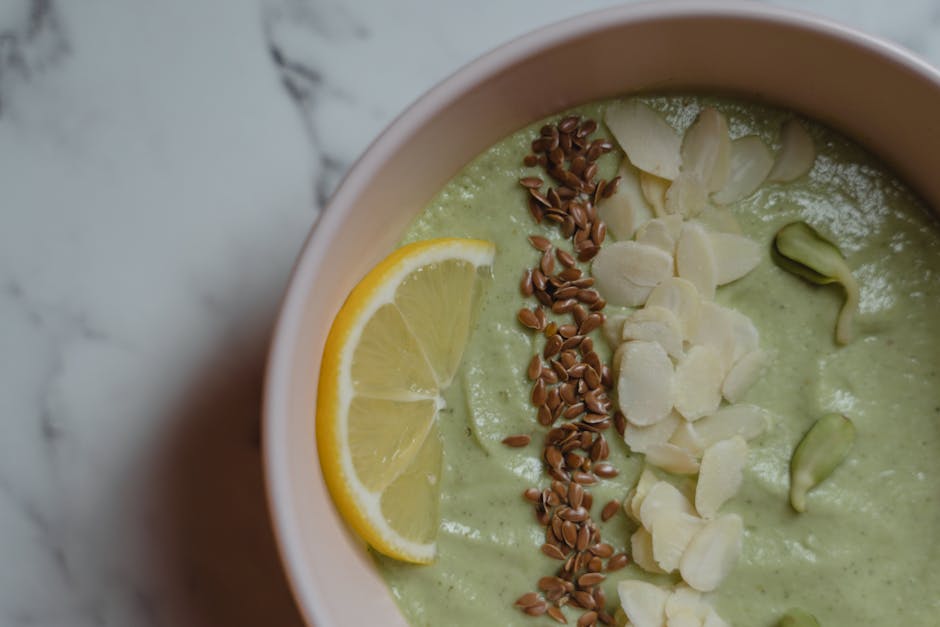
Discover a collection of delicious and nutrient-packed smoothie recipes specifically designed to support digestive health. Each recipe features a unique blend of gut-friendly ingredients, providing a tasty way to incorporate beneficial nutrients into your diet.
4.1 Ginger and Spinach Digestive Delight
This smoothie combines the soothing properties of ginger with the nutritional benefits of spinach, creating a refreshing drink that may aid digestion.
- Ingredients: 1 cup fresh spinach, 1 banana, 1 tablespoon grated ginger, 1 cup almond milk, 1 tablespoon honey.
- Instructions: Blend all ingredients until smooth. Adjust sweetness with honey to taste.
4.2 Banana and Oatmeal Probiotic Boost
Rich in fiber and probiotics, this smoothie is designed to support a healthy gut microbiome.
- Ingredients: 1 banana, 1/2 cup Greek yogurt, 1/4 cup oats, 1 cup almond milk, 1 teaspoon vanilla extract.
- Instructions: Blend all ingredients until smooth. Allow oats to soak for a few minutes before serving for a creamier texture.
4.3 Apple and Avocado Green Smoothie
This creamy smoothie is packed with healthy fats and fiber, which are believed to support digestion and nutrient absorption.
- Ingredients: 1 apple, 1/2 avocado, 1 cup kale, 1 tablespoon lemon juice, 1 cup water.
- Instructions: Blend all ingredients until smooth. Add water gradually to reach desired consistency.
4.4 Pineapple and Turmeric Anti-Inflammatory Smoothie
Featuring pineapple and turmeric, this smoothie is crafted to potentially reduce inflammation and promote gut health.
- Ingredients: 1 cup pineapple chunks, 1/2 teaspoon turmeric powder, 1/2 cup coconut milk, 1 tablespoon chia seeds.
- Instructions: Blend all ingredients until smooth. Let chia seeds soak for a few minutes before serving to thicken the smoothie.
4.5 Berry and Flaxseed Fiber Boost
Bursting with antioxidants and fiber, this smoothie may support digestive health and regularity.
- Ingredients: 1 cup mixed berries, 1 tablespoon flaxseeds, 1 cup spinach, 1 cup orange juice.
- Instructions: Blend all ingredients until smooth. Adjust the amount of orange juice to achieve preferred consistency.
By experimenting with these smoothie recipes, you can enjoy a variety of flavors while potentially supporting your digestive health. Each recipe offers a different combination of ingredients, allowing you to find the perfect blend that suits your taste and nutritional needs.
5. Customizing Smoothies for Personal Digestive Needs

Customizing smoothies to suit personal digestive needs can be an effective way to support gut health and alleviate discomfort. By selecting specific ingredients, you can target issues such as inflammation, fiber deficiency, or the need for probiotics. This section explores how you can tailor your smoothies to meet these specific requirements, ensuring that each blend not only tastes great but also aligns with your digestive health goals.
5.1 Reducing Inflammation
Inflammation in the digestive tract can lead to discomfort and various digestive issues. To help reduce inflammation, consider incorporating ingredients with anti-inflammatory properties into your smoothies. Research suggests that the following ingredients may be beneficial:
- Turmeric: Known for its active compound curcumin, which has potential anti-inflammatory effects.
- Ginger: Traditionally used to soothe the stomach and may help reduce inflammation.
- Pineapple: Contains bromelain, an enzyme that may support inflammation reduction.
By adding these ingredients to your smoothie recipes, you can create blends that might help soothe inflammation in the digestive system.
5.2 Increasing Fiber Intake
Adequate fiber intake is crucial for maintaining digestive health and regularity. Smoothies can be a convenient way to increase your fiber consumption. Consider these fiber-rich ingredients:
- Oats: A source of soluble fiber that may aid in digestion.
- Flaxseeds: Rich in both soluble and insoluble fiber, which can support digestive health.
- Fruits: Such as apples and berries, which provide natural fiber and antioxidants.
Incorporating these ingredients into your smoothies can help boost your daily fiber intake, potentially supporting better digestive function and regularity.
5.3 Incorporating Probiotics for Enhanced Gut Flora
Probiotics are live microorganisms that may promote a healthy balance of gut bacteria. Adding probiotic-rich ingredients to your smoothies could support your digestive ecosystem. Possible options include:
- Greek Yogurt: A source of probiotics that can enhance gut flora.
- Kefir: A fermented milk drink rich in probiotics.
- Probiotic Supplements: These can be added to smoothies in powder form, following any relevant guidelines or recommendations.
By integrating these probiotic sources into your smoothie recipes, you may support your gut health and overall digestive well-being.
In summary, customizing your smoothies by selecting specific ingredients based on your digestive needs can be a practical and enjoyable approach to supporting gut health. Whether you're looking to reduce inflammation, increase fiber, or incorporate probiotics, these tailored smoothies can help you achieve your digestive health goals.
6. The Role of Smoothies in a Balanced Diet
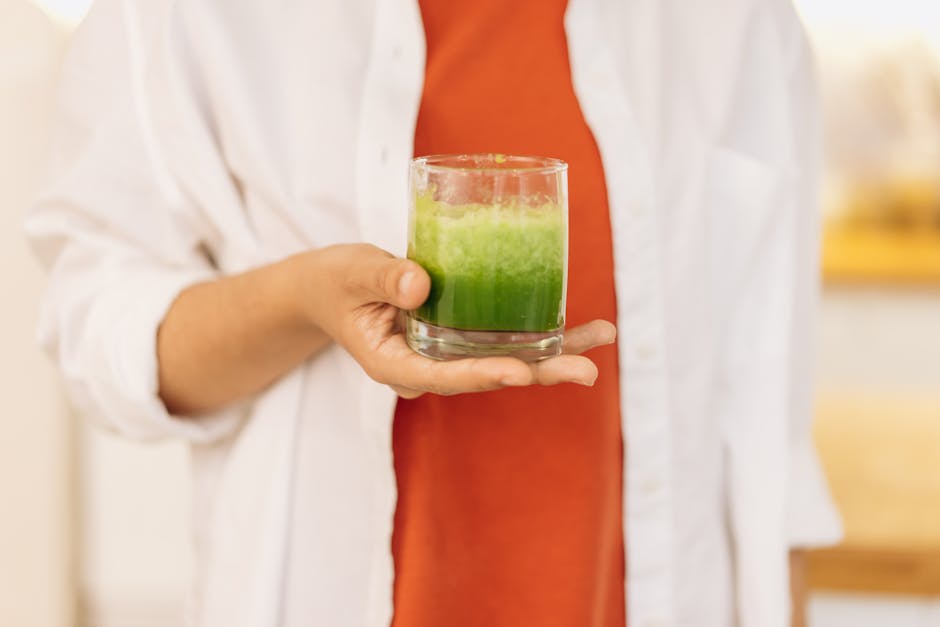
Smoothies can be a versatile addition to a balanced diet, offering a convenient way to enhance nutritional intake while supporting digestive health. By thoughtfully combining ingredients, smoothies can complement other meals and contribute to overall dietary goals, particularly for those seeking to improve gut health.
6.1 Complementing Nutritional Needs
Incorporating smoothies into your diet can help fill nutritional gaps, ensuring you receive a variety of essential vitamins and minerals. When designed with a focus on digestive health, smoothies can provide a concentrated dose of nutrients that are otherwise challenging to include regularly. For example, blending leafy greens, fruits, and seeds into a smoothie can offer antioxidants, fiber, and healthy fats in one convenient serving.
6.2 Enhancing Digestive Health
As previously discussed, smoothies can be tailored to address specific digestive needs such as reducing inflammation, increasing fiber intake, and incorporating probiotics. These factors play a crucial role in maintaining a healthy digestive system. By selecting ingredients known for their gut-soothing properties, smoothies can support digestive health while contributing to a balanced diet.
6.3 Supporting Hydration
Hydration is a fundamental component of digestive health, and smoothies can significantly contribute to daily fluid intake. Ingredients such as water-rich fruits and vegetables, alongside a liquid base like water, almond milk, or coconut water, can help maintain hydration levels. Proper hydration is essential for efficient digestion and nutrient absorption.
6.4 Encouraging Variety and Enjoyment
One of the unique benefits of smoothies is the ability to experiment with flavors and textures, encouraging variety in your diet. This variety can make it easier to adhere to a nutritious eating plan, as it prevents monotony and keeps meal choices exciting. By varying the ingredients in your smoothies, you can explore different nutritional profiles and discover new favorites that support your digestive health goals.
In conclusion, smoothies can play a significant role in a balanced diet by addressing nutritional needs, supporting digestive health, promoting hydration, and encouraging dietary variety. When thoughtfully created, they can be a delicious and effective way to enhance your overall nutritional intake while aligning with your digestive health objectives.
7. Expert Tips for Maximizing Smoothie Benefits
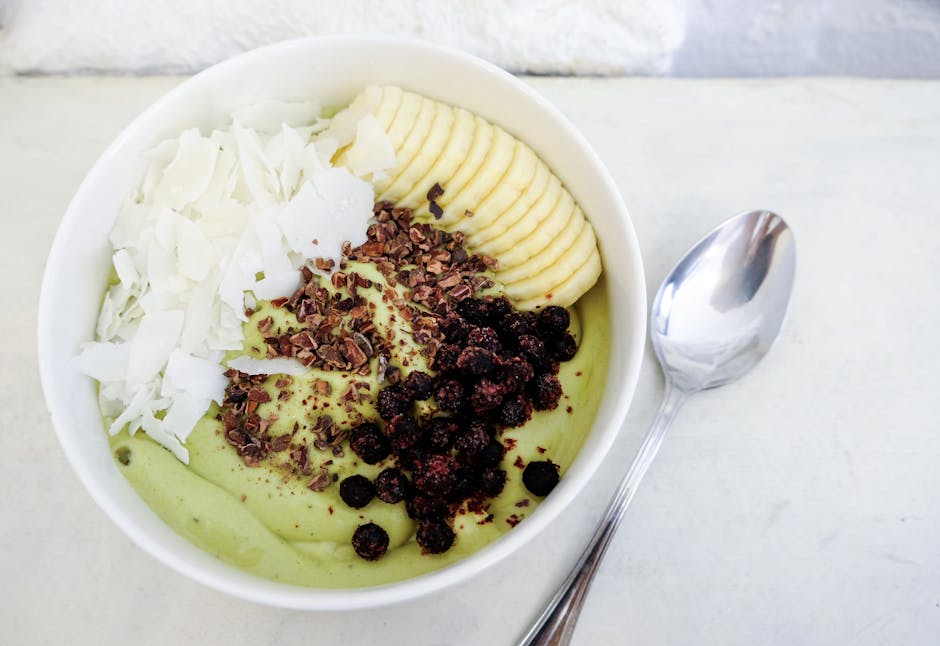
7.1 Optimal Ingredient Selection
Nutrition experts suggest that the key to a health-boosting smoothie lies in selecting the right combination of ingredients. Incorporating a balance of macronutrients—proteins, fats, and carbohydrates—can ensure that your smoothie is not only delicious but also nutritionally balanced. Consider adding a source of protein like Greek yogurt or plant-based protein powder, healthy fats such as avocado or chia seeds, and a variety of fruits and vegetables to provide essential vitamins and minerals.
7.2 Preparation Techniques for Maximum Nutrient Retention
To maximize the benefits of your smoothies, experts recommend using fresh, organic produce whenever possible. This practice helps minimize the ingestion of pesticides and maximizes nutrient density. Additionally, blending ingredients rather than juicing them retains the fiber content, which is crucial for digestive health. Some experts also advise pre-soaking nuts and seeds to enhance their digestibility and nutrient absorption.
7.3 Timing Your Smoothie Consumption
The timing of smoothie consumption can influence its benefits. Experts often suggest having a smoothie as a morning meal or a post-workout snack to replenish energy and nutrients. Drinking a smoothie in the morning can kickstart your metabolism and provide sustained energy throughout the day, while a post-exercise smoothie can aid in muscle recovery by supplying essential amino acids and electrolytes.
7.4 Experimenting with Ingredient Variations
To keep your smoothies exciting and nutritionally diverse, experts encourage experimenting with different ingredient combinations. Seasonal produce can offer unique flavors and nutritional benefits, and rotating your ingredients prevents nutritional monotony. For example, swapping spinach for kale, or berries for tropical fruits, can provide a new array of antioxidants and phytonutrients.
7.5 Mindful Consumption Practices
Experts emphasize the importance of mindful consumption, which involves savoring the flavors and textures of your smoothie. By drinking slowly and mindfully, you allow your digestive system to effectively process the nutrients and promote satiety, potentially reducing overeating later in the day. This practice can also enhance the overall enjoyment of your smoothie experience.
8. Potential Pitfalls and How to Avoid Them

8.1 Overloading with Sugary Ingredients
One of the most common pitfalls in smoothie preparation is the tendency to overload with sugary ingredients. While fruits are a nutritious choice, adding too many high-sugar fruits or sweeteners can lead to excessive sugar intake, which may negatively impact digestive health. To avoid this, consider balancing your smoothies with lower-sugar fruits like berries and adding vegetables such as spinach or kale for added nutrients without the sugar spike.
8.2 Neglecting Protein and Healthy Fats
Smoothies that lack protein and healthy fats may not provide lasting satiety, leading to potential overeating later. Incorporating sources of protein such as Greek yogurt, nuts, or protein powders, along with healthy fats like avocado or flaxseeds, can create a more balanced smoothie. This combination not only enhances the nutritional profile but also supports sustained energy and digestive health.
8.3 Ignoring Portion Sizes
Portion control is vital when it comes to smoothies. It's easy to consume more than necessary, especially when using large cups or adding numerous ingredients. Oversized portions can lead to excessive calorie intake, hindering digestive comfort. To avoid this, be mindful of portion sizes by measuring ingredients and using standard-sized containers.
8.4 Skipping Fiber-Rich Ingredients
Fiber is crucial for digestive health, yet it is often overlooked in smoothie preparation. Blending rather than juicing can help retain fiber, but it's important to intentionally include fiber-rich ingredients. Options like chia seeds, flaxseeds, oats, and leafy greens can boost your smoothie’s fiber content, promoting digestive regularity and satiety.
8.5 Overlooking Ingredient Quality
The quality of ingredients can significantly impact the nutritional value of your smoothie. Using fresh, organic produce can reduce exposure to pesticides and enhance nutrient intake. Additionally, selecting ingredients that complement each other nutritionally can optimize the health benefits of your smoothie. Pay attention to ingredient labels and sourcing to ensure you are using high-quality components.
8.6 Focusing Solely on Taste
While taste is important, focusing solely on flavor can lead to smoothies that are less beneficial for digestive health. It's essential to strike a balance between taste and nutrition. Experiment with spices like ginger or cinnamon, or herbs like mint, to enhance flavor without compromising on health benefits. This approach can make your smoothies both enjoyable and beneficial for your gut.