
1. Understanding Aloe Vera and Its Historical Uses

1.1 The Origins of Aloe Vera
Aloe vera is a succulent plant species that has been utilized for its medicinal properties for thousands of years. Originating from the Arabian Peninsula, it has since spread to various regions, including Africa, Asia, Europe, and the Americas. Historical records suggest that aloe vera was revered by ancient civilizations, such as the Egyptians, Greeks, and Romans, for its healing and soothing capabilities.
1.2 Aloe Vera in Ancient Cultures
Throughout history, aloe vera has played a significant role in traditional medicine across different cultures. In ancient Egypt, it was known as the "plant of immortality" and was part of burial rituals for pharaohs. The Greeks and Romans utilized aloe vera for treating wounds and skin conditions, appreciating its cooling and anti-inflammatory properties. In traditional Chinese and Ayurvedic medicine, aloe vera was incorporated into remedies for a variety of ailments, including digestive issues and skin health.
1.3 Traditional Uses of Aloe Vera
Historically, aloe vera has been used as a natural remedy for a multitude of conditions. Its gel, extracted from the leaves, was applied to burns, cuts, and other skin irritations due to its soothing and moisturizing effects. Aloe vera was also consumed in various forms to support digestive health, believed to aid in soothing the gastrointestinal tract and promoting regularity. Additionally, it was utilized in cosmetic applications for its hydrating and rejuvenating properties, contributing to skin and hair care routines.
1.4 Aloe Vera as a Natural Remedy
While scientific research on aloe vera continues to expand, its historical reputation as a natural remedy persists. It is highly regarded for its potential to support skin health, digestive comfort, and overall well-being. Modern studies suggest that aloe vera may possess anti-inflammatory, antioxidant, and antimicrobial properties, which could explain its long-standing use in traditional medicine. As with any natural remedy, it is essential to approach aloe vera with an understanding of its historical context and the evolving insights from contemporary research.
2. The Science Behind Aloe Vera's Stomach-Soothing Properties

2.1 Active Compounds in Aloe Vera
Aloe vera is renowned for its diverse array of active compounds, which contribute to its potential health benefits. Among these, aloin and polysaccharides are particularly noteworthy due to their roles in promoting gastrointestinal health. Aloin, a compound found in the latex of aloe vera leaves, is believed to have laxative effects, which may help in alleviating constipation and promoting bowel regularity. Polysaccharides, on the other hand, are complex carbohydrates that are thought to enhance the immune response and support digestive function by maintaining a healthy gut environment.
2.2 Research on Gastrointestinal Health
Scientific studies have explored aloe vera's impact on gastrointestinal health, providing insights into its potential mechanisms of action. Research suggests that aloe vera may help in reducing inflammation in the gastrointestinal tract, which is a common factor in conditions such as GERD and irritable bowel syndrome (IBS). The anti-inflammatory properties of aloe vera are attributed to its rich content of vitamins, minerals, and antioxidants, which may work synergistically to soothe the digestive system.
2.3 Aloe Vera's Antioxidant and Antimicrobial Effects
In addition to its anti-inflammatory capabilities, aloe vera is believed to possess antioxidant and antimicrobial properties that further support digestive health. Antioxidants play a crucial role in neutralizing free radicals, thereby reducing oxidative stress and protecting the cells lining the gastrointestinal tract. Furthermore, aloe vera's antimicrobial effects may help in maintaining a balanced gut microbiota by inhibiting the growth of harmful bacteria and promoting the proliferation of beneficial microorganisms. This balance is essential for optimal digestion and nutrient absorption.
2.4 Potential Benefits for GERD and Beyond
While research is ongoing, preliminary findings suggest that aloe vera may offer relief for individuals suffering from GERD and other digestive disorders. Its soothing properties are thought to help in reducing the burning sensation associated with acid reflux by calming the esophagus and stomach lining. Additionally, aloe vera's ability to promote mucosal healing and enhance gut motility could contribute to its potential therapeutic benefits. However, it is important to note that while these findings are promising, further research is needed to fully understand the extent of aloe vera's effects on gastrointestinal health.
3. Aloe Vera and Digestive Health: An Evidence-Based Review

3.1 Aloe Vera and Acid Reflux
Research suggests that aloe vera may offer a natural remedy for those dealing with acid reflux, a condition characterized by a burning sensation in the chest and throat. Aloe vera's soothing properties are believed to help reduce the irritation and inflammation of the esophagus and stomach lining, which are commonly affected by acid reflux. A study published in the Journal of Traditional Chinese Medicine found that aloe vera syrup could be an effective treatment for reducing heartburn, regurgitation, and belching in patients with gastroesophageal reflux disease (GERD). However, the study emphasizes the need for more extensive clinical trials to confirm these findings and better understand the mechanisms involved.
3.2 Aloe Vera and Irritable Bowel Syndrome (IBS)
Irritable Bowel Syndrome (IBS) is a chronic condition that affects the large intestine, leading to symptoms such as abdominal pain, bloating, and altered bowel habits. Some studies have explored the potential of aloe vera as a complementary therapy for IBS. The plant's anti-inflammatory and soothing properties are thought to help alleviate some of the symptoms associated with this condition. A study in the International Journal of Clinical Practice highlighted the potential benefits of aloe vera gel in reducing pain and discomfort in IBS patients. However, researchers caution that the evidence is preliminary, and larger-scale studies are needed to validate these results and establish standardized treatment protocols.
3.3 Aloe Vera and Ulcer Management
Peptic ulcers, which are open sores that develop on the lining of the stomach, small intestine, or esophagus, can cause significant discomfort and complications if left untreated. Aloe vera's antimicrobial and healing properties have made it a point of interest in ulcer management. Some animal studies have shown that aloe vera may promote ulcer healing by enhancing mucosal protection and reducing gastric acid secretion. Nevertheless, while these findings are promising, human studies are limited, and further research is required to determine the safety and efficacy of aloe vera in treating ulcers in humans.
3.4 Balancing the View: Potential Risks and Considerations
While aloe vera shows potential benefits for various digestive issues, it is crucial to consider potential risks and limitations. Some individuals may experience adverse reactions, including allergic responses or gastrointestinal discomfort. Additionally, the laxative effect of aloe vera, primarily attributed to its latex component, can lead to diarrhea and electrolyte imbalances if consumed in excess. Therefore, individuals interested in using aloe vera for digestive health should proceed with caution and consult healthcare professionals to ensure it is suitable for their specific needs.
In conclusion, aloe vera may offer promising natural support for digestive health, particularly in the management of conditions such as acid reflux, IBS, and ulcers. However, while the existing research highlights its potential, further studies are necessary to fully understand its efficacy and safety. As always, individuals should consider individual health circumstances and consult with healthcare providers before integrating aloe vera into their digestive health regimen.
4. How to Use Aloe Vera for Optimal Digestive Support
4.1 Incorporating Aloe Vera into Your Diet
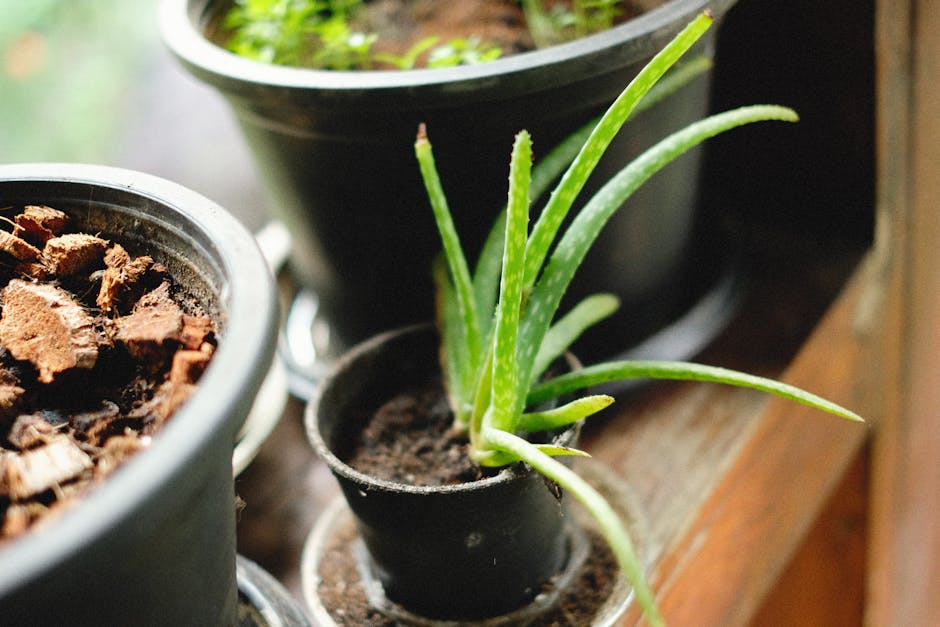
Incorporating aloe vera into your diet can be a beneficial way to support digestive health. Aloe vera is commonly available in various forms, including juices, gels, and supplements. It is important to choose products that are specifically processed for internal use, as some formulations are intended for topical application only. Research suggests that aloe vera may help soothe the digestive tract and alleviate symptoms such as heartburn and constipation.
4.2 Choosing the Right Aloe Vera Product
When selecting an aloe vera product for digestive support, it is crucial to look for high-quality, food-grade products. Ensure that the product is certified for internal consumption and free from added sugars or artificial ingredients. Many individuals opt for aloe vera juice, which can be consumed on its own or mixed with other beverages. Additionally, aloe vera gel capsules are available for those who prefer a more convenient option.
4.3 Potential Side Effects and Considerations
While aloe vera is generally considered safe for most individuals, it is important to be aware of potential side effects. Some people may experience gastrointestinal discomfort, such as cramping or diarrhea, particularly if consuming aloe vera in large quantities. This is often due to the latex component found in the outer leaf of the aloe plant, which has a strong laxative effect. Therefore, it is advisable to select products that have been processed to remove this component.
4.4 Recommended Practices for Safe Use
To safely incorporate aloe vera into your digestive health regimen, it is recommended to start with small amounts to assess your body's response. Gradually increase the intake as needed, while monitoring for any adverse reactions. It is also beneficial to consult with a healthcare professional, especially if you have underlying health conditions or are taking medications, to ensure that aloe vera is appropriate for your specific needs.
4.5 Conclusion
Aloe vera offers a natural option for those seeking to support their digestive health. By selecting high-quality products and being mindful of potential side effects, individuals can safely incorporate aloe vera into their diet. As with any supplement, it is important to consider personal health circumstances and consult with healthcare providers to optimize its benefits.
5. DIY Aloe Vera Drink Recipes for Digestive Wellness

Creating your own aloe vera drinks at home can be a delightful way to incorporate this plant's potential digestive benefits into your daily routine. Below are a few easy-to-follow recipes that combine aloe vera with other ingredients known for their digestive support to create refreshing beverages.
5.1 Aloe Vera and Lemon Digestive Tonic
This simple tonic combines the soothing effects of aloe vera with the acidity of lemon, which may support healthy digestion.
- Start by extracting fresh aloe vera gel from the leaf. Make sure to remove the outer skin and yellow latex to avoid any laxative effects.
- In a blender, combine two tablespoons of the aloe vera gel with the juice of one lemon.
- Add one cup of water and a teaspoon of honey or agave syrup for sweetness, if desired.
- Blend until smooth, then strain the mixture into a glass to remove any pulp.
- Serve chilled and enjoy as a refreshing morning tonic.
5.2 Aloe Vera and Ginger Zinger
Ginger is well-known for its digestive properties, and when paired with aloe vera, it creates a powerful digestive aid.
- Prepare fresh aloe vera gel as described in the previous recipe.
- In a blender, combine two tablespoons of aloe vera gel with one tablespoon of freshly grated ginger.
- Add one cup of coconut water for hydration and a touch of sweetness.
- Blend until smooth, then strain if necessary.
- Serve over ice for a cooling digestive boost.
5.3 Aloe Vera and Mint Cooler
This refreshing drink pairs aloe vera with mint for a cooling effect that can soothe the digestive tract.
- Extract fresh aloe vera gel, taking care to remove the outer skin and latex.
- In a blender, combine two tablespoons of aloe vera gel with a handful of fresh mint leaves.
- Add one cup of chilled green tea, known for its antioxidants and digestive benefits.
- Blend until smooth, then strain if desired.
- Pour into a glass and garnish with a sprig of mint for added flair.
5.4 Aloe Vera and Cucumber Refresher
Cucumber adds a hydrating and calming element to this aloe vera drink, perfect for soothing the digestive system.
- Prepare aloe vera gel as in previous recipes.
- Blend two tablespoons of aloe vera gel with half a cucumber, peeled and chopped.
- Add one cup of water or coconut water for additional hydration.
- Blend until smooth, then strain to remove any fibrous bits.
- Serve cold for a refreshing and calming digestive drink.
These DIY aloe vera drinks offer a delightful way to explore the potential digestive benefits of aloe vera. As you enjoy these beverages, remember to adjust the recipes to your taste preferences and listen to your body's responses. Always consider consulting with a healthcare provider if you have any concerns about incorporating aloe vera into your diet.
6. Integrating Aloe Vera into Your Daily Routine

Incorporating aloe vera into your lifestyle can be a rewarding way to explore its potential digestive benefits. By seamlessly integrating it into daily habits, you can enjoy its soothing properties regularly. Below are some suggestions on how to effectively include aloe vera in your routine.
6.1 Meal Planning with Aloe Vera
Meal planning offers an excellent opportunity to consistently include aloe vera in your diet. Consider these tips for integrating this versatile plant into your meals:
- Breakfast Boost: Add a tablespoon of aloe vera gel to your morning smoothie. This can enhance its nutritional profile while potentially soothing your digestive tract.
- Lunchtime Salad Dressing: Mix aloe vera gel with olive oil, lemon juice, and herbs to create a refreshing and digestive-friendly salad dressing.
- Dinner Enhancements: Incorporate aloe vera gel into soups or stews for a gentle, soothing addition that pairs well with a variety of flavors.
6.2 Choosing the Right Aloe Vera Products
Selecting the right aloe vera products is crucial for maximizing efficacy and ensuring safety. Here are some considerations when choosing aloe vera products:
- Purity Matters: Opt for products labeled as 100% pure aloe vera gel. Avoid those with unnecessary additives, colors, or fragrances.
- Organic Options: Consider organic aloe vera products to reduce exposure to pesticides and chemicals.
- Check Certifications: Look for certifications from reputable organizations that verify the product's authenticity and quality.
6.3 Aloe Vera in Beverages
As explored in the previous section, aloe vera can be a refreshing addition to beverages. Here are some tips on incorporating it into drinks:
- Hydration Focus: Add aloe vera gel to water or herbal teas to enhance hydration and enjoy potential digestive benefits.
- Creative Combinations: Experiment with different flavor combinations, such as aloe vera with citrus fruits or berries, to find your preferred taste.
- Mindful Consumption: Pay attention to your body's responses and adjust the amount of aloe vera accordingly.
6.4 Aloe Vera Supplements
For those who find it challenging to incorporate fresh aloe vera into their diet, supplements can be a convenient alternative. Consider the following when choosing aloe vera supplements:
- Consult Professionals: Speak with a healthcare provider to determine if aloe vera supplements are appropriate for your health needs.
- Read Labels Carefully: Ensure that the supplements are high-quality and free from fillers and artificial ingredients.
- Monitor Effects: Observe how your body reacts to supplements and adjust usage as necessary.
By integrating aloe vera into your daily routine, you can explore its potential benefits in diverse and enjoyable ways. Remember to listen to your body and consult with healthcare professionals if needed to ensure a safe and beneficial experience.
7. Potential Risks and Considerations When Using Aloe Vera

While aloe vera is celebrated for its potential health benefits, it is crucial to be aware of the possible risks and considerations associated with its use. Understanding these factors can help individuals make informed decisions regarding the incorporation of aloe vera into their health regimen. It is always advisable to consult healthcare professionals for personalized guidance.
7.1 Allergic Reactions
Some individuals may experience allergic reactions to aloe vera, which can manifest as skin irritation or gastrointestinal discomfort. If you have a history of allergies, particularly to plants in the Liliaceae family, it is important to exercise caution and consider performing a patch test before topical use.
7.2 Interactions with Medications
Aloe vera may interact with certain medications, potentially altering their efficacy or side effects. For example, it is believed to influence blood sugar levels, which could be of concern for individuals taking diabetes medications. Additionally, the use of aloe vera alongside laxatives or diuretics should be approached carefully due to its potential laxative effects.
7.3 Digestive Implications
Oral consumption of aloe vera, particularly in large amounts, might lead to digestive issues such as cramping, diarrhea, or electrolyte imbalances. The latex of the aloe plant, which is different from the gel, contains anthraquinones that can have a strong laxative effect and should be avoided unless under professional guidance.
7.4 Pregnancy and Breastfeeding Considerations
There is limited research on the safety of aloe vera during pregnancy and breastfeeding. Due to the potential for uterine contractions and other adverse effects, it is generally recommended that pregnant or breastfeeding individuals consult their healthcare provider before using aloe vera in any form.
7.5 Long-Term Use Concerns
Long-term use of aloe vera, especially in supplement form, may pose risks that are not yet fully understood. Some studies suggest the possibility of adverse effects on liver health with chronic use. Therefore, moderation and periodic consultations with a healthcare professional are advised to prevent potential health issues.
In summary, while aloe vera offers promising benefits, it is essential to approach its use with caution. By consulting healthcare professionals and being mindful of potential risks, individuals can safely explore the advantages of aloe vera as part of their health practices.