
1. Understanding the Gut Microbiome

The gut microbiome is a complex and dynamic ecosystem residing in the gastrointestinal tract, composed of trillions of microorganisms including bacteria, viruses, fungi, and other microbes. It plays a pivotal role in maintaining overall health and has been the focus of extensive scientific research in recent years.
1.1 Composition of the Gut Microbiome
Research suggests that the gut microbiome is as unique as a fingerprint, varying greatly among individuals. It consists predominantly of bacteria, with two main groups, Bacteroidetes and Firmicutes, making up about 90% of the gut's microbial community. Other less abundant but significant groups include Actinobacteria and Proteobacteria. The diversity and balance of these microbial populations are believed to be crucial for health.
1.2 Functions of the Gut Microbiome
The gut microbiome performs several essential functions that are integral to human health. It aids in the digestion of complex carbohydrates and fibers, synthesizes essential vitamins such as B and K, and plays a critical role in the immune system. Moreover, research indicates that the gut microbiome may influence the gut-brain axis, impacting mood and cognitive function.
1.3 Role in Overall Health
The gut microbiome is believed to have a profound impact on overall health. An imbalance, often referred to as dysbiosis, has been associated with various health conditions, including gastrointestinal disorders like GERD, as well as obesity, diabetes, and even mental health issues. Emerging studies suggest that maintaining a healthy and balanced microbiome may support digestive health and enhance immune function.
1.4 Recent Scientific Research
Recent scientific investigations have provided deeper insights into the gut microbiome's complexity and its interconnections with human health. Studies have explored the potential of probiotics and prebiotics in modulating the microbiome, suggesting that these could support digestive health and mitigate symptoms of disorders like GERD. Furthermore, advances in sequencing technologies continue to uncover the vast genetic diversity within the microbiome, broadening our understanding of its functions and potential therapeutic targets.
Overall, the gut microbiome represents a fundamental aspect of human health, with ongoing research shedding light on its intricate balance and influence. Understanding its composition and functions can lead to more informed decisions about dietary and lifestyle choices that support a healthy digestive system.
2. The Gut-Brain Connection
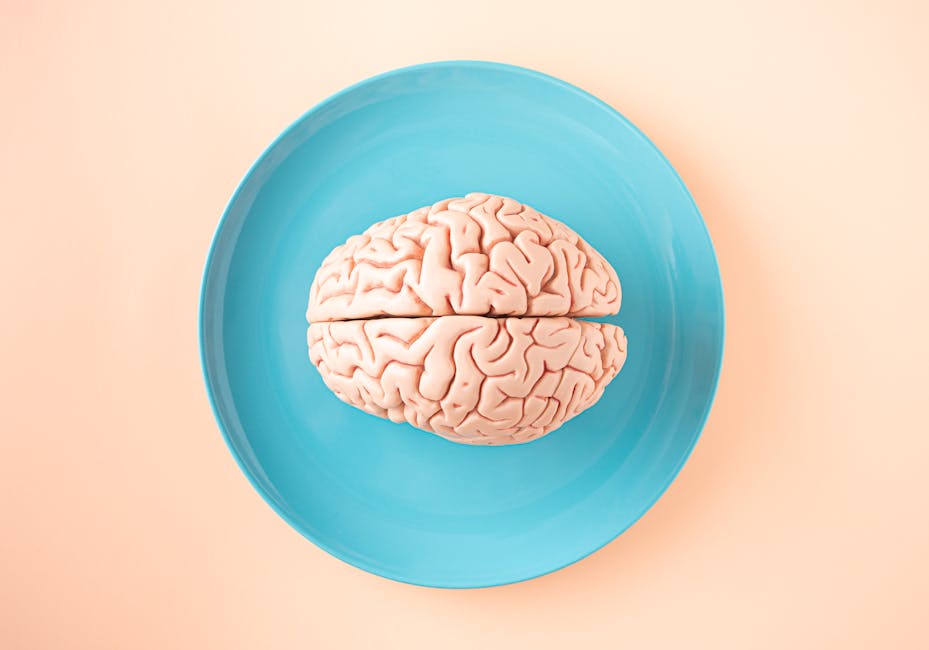
The gut-brain connection, often termed the gut-brain axis, represents a complex communication network that links the emotional and cognitive centers of the brain with peripheral intestinal functions. This bidirectional communication is thought to play a critical role in maintaining homeostasis and influencing both digestive and mental health.
2.1 Understanding the Gut-Brain Axis
The gut-brain axis is a multifaceted system involving direct and indirect pathways between the gut microbiome and the central nervous system. This interaction is facilitated by the vagus nerve, the immune system, and the production of neurotransmitters. Research suggests that the gut microbiome can influence brain function and behavior, supporting the notion that gut health may affect mental health.
2.2 Influence on Mental Health
Recent studies have highlighted the potential impact of gut bacteria on mental health conditions such as anxiety and depression. It is believed that certain strains of bacteria can produce neurotransmitters like serotonin and dopamine, which play a significant role in mood regulation. Additionally, dysbiosis in the gut microbiome has been associated with increased inflammation, which is thought to contribute to mental health disorders.
2.3 Cognitive Function and the Microbiome
The gut-brain connection extends to cognitive functions, such as learning and memory. Research indicates that gut bacteria may influence cognitive processes through the production of metabolites that can cross the blood-brain barrier. These metabolites might modulate brain function, potentially impacting cognitive performance and neurological health.
2.4 Implications for GERD Patients
For individuals suffering from GERD, understanding the gut-brain connection may offer new insights into symptom management. Stress and anxiety, which are common in GERD sufferers, could potentially be alleviated by supporting gut health through dietary and lifestyle interventions. Emerging research suggests that modulating the gut microbiome may help in managing GERD symptoms, although more studies are needed to establish clear therapeutic strategies.
The intricate relationship between the gut and the brain underscores the importance of maintaining a balanced gut microbiome. As research continues to unravel the complexities of the gut-brain axis, it holds promise for novel approaches to treating both digestive and mental health disorders, highlighting the interconnected nature of the human body.
3. Factors Affecting Gut Microbiome Balance

The gut microbiome is a dynamic ecosystem that can be influenced by various external and internal factors. An imbalance, or dysbiosis, in this microbial community may have implications for overall health, including digestive issues such as GERD. Understanding these factors can help in making informed lifestyle and dietary choices.
3.1 Dietary Influences
Diet plays a crucial role in shaping the gut microbiome. The consumption of a diverse range of foods, particularly those high in fiber, is believed to promote a healthy balance of gut bacteria. Conversely, diets high in processed foods, sugars, and unhealthy fats may contribute to dysbiosis. Fermented foods, which contain beneficial probiotics, are thought to support gut health by introducing beneficial microbes.
3.2 Medications and Their Impact
Certain medications are known to affect the gut microbiome. Antibiotics, while effective at treating bacterial infections, can also disrupt the balance of gut bacteria by eliminating both harmful and beneficial microbes. Proton pump inhibitors (PPIs), commonly used to treat GERD, may alter the gut's microbial composition, potentially leading to dysbiosis. It is important for individuals to be aware of these effects and consult healthcare professionals about their medication use.
3.3 Lifestyle Choices
Lifestyle factors, including stress, sleep, and exercise, are believed to influence gut microbiome balance. Chronic stress is thought to alter gut bacteria composition and function, potentially exacerbating digestive issues. Adequate sleep and regular physical activity are believed to support microbiome health by promoting a stable and diverse microbial environment. Managing stress through mindfulness techniques and ensuring proper rest may contribute to a healthier gut.
3.4 Environmental Factors
The environment in which one lives can also impact the gut microbiome. Research suggests that exposure to pollutants, chemicals, and toxins can negatively affect gut bacteria. Urbanization and reduced contact with nature are believed to decrease microbial diversity. Seeking out natural environments and minimizing exposure to harmful substances might support a more balanced microbiome.
In conclusion, the balance of the gut microbiome is influenced by a multitude of factors, including diet, medication use, lifestyle choices, and environmental conditions. For individuals with GERD, understanding these influences can be an essential part of managing their condition. By making informed choices, it may be possible to promote a healthier gut ecosystem, which could potentially alleviate some of the symptoms associated with digestive disorders.
4. Foods That Promote a Healthy Gut

A healthy gut is integral to overall well-being, and certain foods are believed to play a significant role in promoting gut health. Foods rich in prebiotics and probiotics are particularly noted for their potential benefits in fostering a balanced gut microbiome. This section explores these foods and examines the evidence supporting their inclusion in a gut-friendly diet.
4.1 Prebiotic-Rich Foods
Prebiotics are non-digestible fibers that nourish beneficial gut bacteria, potentially enhancing gut health. Research suggests that incorporating prebiotic foods into one's diet may support the growth and activity of healthy bacteria, contributing to a more balanced microbiome.
- Garlic and Onions: These vegetables are rich in inulin, a type of prebiotic fiber that is believed to stimulate the growth of beneficial bacteria.
- Bananas: Known for their high fiber content, bananas may promote the growth of good bacteria and improve gut function.
- Asparagus: This vegetable provides a source of inulin and is thought to support digestive health by feeding beneficial bacteria.
- Oats: Rich in beta-glucan, oats may help enhance the diversity and function of the gut microbiome.
4.2 Probiotic Foods
Probiotics are live microorganisms that, when consumed in adequate amounts, may confer health benefits. They are often found in fermented foods and are believed to help restore and maintain a healthy gut microbiome.
- Yogurt: A well-known source of probiotics, yogurt contains live cultures that may support gut health.
- Kefir: This fermented milk drink is rich in probiotics and is thought to aid in maintaining a healthy balance of gut bacteria.
- Sauerkraut and Kimchi: Fermented cabbage dishes that provide beneficial bacteria, which may improve gut health.
- Miso: A traditional Japanese seasoning made from fermented soybeans, believed to contribute beneficial bacteria to the gut.
4.3 The Evidence Supporting Prebiotics and Probiotics
Scientific studies have increasingly focused on the role of prebiotics and probiotics in gut health. Research suggests that these foods may help enhance microbial diversity and promote a balanced gut environment, which is believed to be beneficial for digestive health.
While the exact mechanisms are still being studied, the potential benefits of incorporating prebiotic and probiotic-rich foods into the diet are promising. These foods may offer a natural way to support gut health, which could be particularly advantageous for individuals managing digestive issues such as GERD.
In conclusion, prebiotic and probiotic foods are believed to be valuable components of a diet aimed at promoting gut health. By including these foods, individuals may help foster a more balanced and diverse gut microbiome, potentially alleviating some symptoms associated with digestive disorders. However, it is important to approach dietary changes with consideration and, where necessary, seek guidance from a healthcare professional.
5. The Role of Supplements in Gut Health

As the understanding of gut health advances, the use of supplements such as probiotics and prebiotics has gained attention for their potential to support and restore gut microbiome balance. Scientific research continues to explore their efficacy and role in digestive health, particularly for individuals managing conditions like GERD.
5.1 Probiotic Supplements
Probiotic supplements contain live microorganisms that are believed to offer health benefits when consumed in sufficient amounts. They are often recommended to support gut health and may help maintain a balanced microbiome. Research suggests that specific strains of probiotics can aid in digestive health by potentially enhancing the diversity and stability of gut flora.
- Lactobacillus: This genus of bacteria is often included in probiotic supplements and is believed to support the digestive system by maintaining a healthy balance of gut bacteria.
- Bifidobacterium: Known for its potential to improve gut health, these bacteria may help in reducing digestive discomfort and promoting a balanced microbiome.
- Saccharomyces boulardii: A yeast-based probiotic that is thought to help stabilize the gut microbiome, particularly during or after antibiotic use.
5.2 Prebiotic Supplements
Prebiotic supplements provide non-digestible fibers that serve as nourishment for beneficial gut bacteria. By stimulating the growth of these microorganisms, prebiotics may contribute to a healthier gut environment. Research indicates that prebiotic supplements can enhance the effects of probiotics by fostering a more hospitable environment for beneficial bacteria.
- Inulin: A commonly used prebiotic fiber that is believed to promote the growth of beneficial gut bacteria.
- Fructooligosaccharides (FOS): These prebiotics are thought to support digestive health by enhancing the growth and activity of beneficial bacteria.
5.3 Evaluating the Evidence
The efficacy of probiotic and prebiotic supplements in promoting gut health is supported by various studies, though results can vary based on the strains used, the individual's existing gut microbiome, and other health factors. Research suggests that these supplements may offer a complementary approach to dietary changes aimed at improving gut health.
While promising, it is essential to approach the use of supplements with caution. The effectiveness of these supplements can depend significantly on the specific strains and formulations, as well as individual health conditions. Consulting with healthcare professionals can provide guidance tailored to personal health needs.
In summary, probiotic and prebiotic supplements may play a role in supporting gut health by enhancing the balance and diversity of gut microbiota. However, ongoing research is crucial to fully understand their benefits and limitations, ensuring that their use is both safe and effective for individuals seeking to improve their digestive health.
6. Lifestyle Practices for a Balanced Microbiome

The gut microbiome plays a crucial role in overall health, and lifestyle practices can significantly influence its balance. Adopting specific lifestyle changes may support gut health and potentially alleviate symptoms associated with conditions like GERD. This section explores how stress management and physical activity contribute to a balanced microbiome, supported by research findings.
6.1 Stress Management
Managing stress effectively is believed to be vital for maintaining a healthy gut microbiome. Chronic stress can negatively impact gut health by altering the composition and function of gut bacteria. Research suggests that stress may lead to changes in gut permeability and inflammation, potentially exacerbating digestive issues.
- Meditation and Mindfulness: Practices such as meditation and mindfulness have been shown to reduce stress levels, which may positively influence gut health by promoting a more balanced microbiome environment.
- Yoga and Breathing Exercises: Incorporating yoga and controlled breathing exercises into daily routines is believed to help lower stress and improve gut health by fostering a supportive environment for beneficial bacteria.
6.2 Physical Activity
Regular physical activity is another lifestyle factor that may support a healthy gut microbiome. Exercise is believed to enhance microbial diversity, which is associated with better digestive health. Studies suggest that individuals who engage in consistent physical activity tend to have a more diverse gut microbiome compared to those with a sedentary lifestyle.
- Aerobic Exercise: Activities such as walking, jogging, and cycling are thought to promote gut health by increasing the populations of beneficial bacteria.
- Strength Training: Incorporating resistance exercises may also support gut health by influencing gut microbiota composition positively.
6.3 Sleep and Gut Health
Adequate sleep is essential for maintaining overall health and may also impact the gut microbiome. Poor sleep quality or insufficient sleep is linked to disruptions in gut microbiota, which can lead to digestive issues. Research indicates that maintaining a consistent sleep schedule and ensuring adequate sleep duration may support a healthier gut environment.
- Regular Sleep Patterns: Establishing and adhering to regular sleep patterns is believed to benefit gut health by promoting the stability of the microbiome.
- Sleep Hygiene Practices: Implementing good sleep hygiene, such as reducing screen time before bed and creating a restful sleep environment, may also support gut health.
In conclusion, lifestyle practices such as stress management, physical activity, and adequate sleep may contribute to a balanced microbiome, potentially supporting digestive health and alleviating symptoms of conditions like GERD. While these practices are promising, it is important to consider individual health factors and consult healthcare professionals for personalized advice.
7. Understanding Dysbiosis and Its Health Implications

Dysbiosis refers to a microbial imbalance within the body, particularly in the gut. This condition is characterized by an alteration in the composition and function of the gut microbiota, which can have significant health implications. As research continues to unveil the complexities of the gut microbiome, understanding dysbiosis has become increasingly important for those seeking to maintain digestive health and manage related conditions.
7.1 What is Dysbiosis?
Dysbiosis occurs when there is an imbalance in the microbial communities residing in the gut. This imbalance can result from a variety of factors, including poor diet, stress, antibiotic use, and environmental influences. The gut microbiota plays a crucial role in numerous bodily functions, such as digestion, immune system modulation, and nutrient absorption. When dysbiosis occurs, these functions may be disrupted, potentially leading to various health issues.
7.2 Health Consequences of Dysbiosis
The consequences of dysbiosis can be wide-ranging, impacting both gut health and overall well-being. Some potential health implications include:
- Digestive Disorders: Dysbiosis is commonly associated with digestive conditions such as irritable bowel syndrome (IBS), inflammatory bowel disease (IBD), and GERD. Imbalances in gut bacteria may exacerbate symptoms of these disorders.
- Metabolic Issues: Research suggests that dysbiosis may contribute to metabolic disturbances, including obesity and type 2 diabetes. Alterations in gut microbiota can affect energy metabolism and insulin sensitivity.
- Immune System Dysregulation: A healthy gut microbiome is crucial for a properly functioning immune system. Dysbiosis may lead to immune dysregulation, increasing susceptibility to infections and autoimmune diseases.
- Mental Health Concerns: Emerging research indicates a link between gut health and mental well-being. Dysbiosis may be associated with conditions such as anxiety and depression, likely due to the gut-brain axis.
7.3 Prevention and Management Strategies
Preventing and managing dysbiosis involves adopting lifestyle and dietary practices that promote a balanced gut microbiome. While individual approaches may vary, several strategies are believed to support gut health:
- Dietary Modifications: Consuming a diet rich in fiber, probiotics, and prebiotics may help maintain microbial balance. Foods such as fruits, vegetables, yogurt, and fermented products are considered beneficial for gut health.
- Limiting Antibiotic Use: Antibiotics can disrupt gut microbiota, leading to dysbiosis. It is important to use antibiotics judiciously and under the guidance of a healthcare professional.
- Stress Reduction Techniques: As previously discussed, managing stress through techniques like meditation and yoga may support a healthier gut microbiome.
- Regular Physical Activity: Engaging in regular exercise is believed to enhance microbial diversity and promote gut health.
In conclusion, understanding and addressing dysbiosis is crucial for maintaining gut health and managing related health conditions. By adopting a holistic approach that includes dietary adjustments, lifestyle changes, and stress management, individuals may support a balanced gut microbiome, potentially alleviating symptoms associated with dysbiosis. Ongoing research continues to shed light on the intricate relationships between the gut microbiome and overall health, offering promising avenues for future interventions.
8. Future Directions in Gut Microbiome Research
The field of gut microbiome research is rapidly evolving, with scientists exploring new frontiers that may revolutionize our understanding of human health. Emerging studies and technological advancements are paving the way for innovative therapeutic applications and the development of personalized nutrition strategies. These future directions offer exciting possibilities for improving digestive health and managing conditions such as GERD.
8.1 Innovative Therapeutic Applications
One promising avenue of research involves the development of targeted therapies that aim to restore balance in the gut microbiome. Scientists are investigating the use of specific bacterial strains as probiotics to modulate the gut environment and address dysbiosis-related conditions. Such interventions could potentially alleviate symptoms associated with GERD and other digestive disorders.
Additionally, fecal microbiota transplantation (FMT) is gaining attention as a potential treatment for restoring gut microbial balance. While primarily used for recurrent Clostridioides difficile infections, research suggests that FMT may have broader applications in gut health management. Future studies may provide insights into its efficacy for other conditions linked to dysbiosis.
8.2 Personalized Nutrition Strategies
The concept of personalized nutrition is gaining momentum, fueled by advancements in gut microbiome research. By analyzing an individual's unique microbial composition, scientists hope to tailor dietary recommendations that optimize gut health and overall well-being. Such strategies could involve the identification of specific dietary components that support beneficial bacteria, potentially reducing the risk of digestive issues.
Moreover, personalized nutrition approaches may consider genetic factors, lifestyle, and environmental influences to provide comprehensive dietary guidelines. This holistic approach could lead to more effective management of GERD and other conditions by addressing the root causes of dysbiosis.
8.3 Technological Advancements in Gut Microbiome Analysis
The future of gut microbiome research is closely linked to technological innovations that enhance the precision and accuracy of microbial analysis. High-throughput sequencing and advanced bioinformatics tools are enabling researchers to gain deeper insights into the complex interactions within the gut ecosystem. These technologies may identify novel microbial markers associated with digestive health, offering new diagnostic and therapeutic opportunities.
Furthermore, the integration of artificial intelligence (AI) in data analysis is expected to accelerate discoveries in gut microbiome research. AI algorithms can process vast datasets to uncover patterns and associations that may inform personalized interventions and predictive models for gut-related conditions.
In conclusion, the future of gut microbiome research holds significant promise for advancing our understanding of digestive health and developing innovative solutions for conditions like GERD. As research progresses, personalized therapies and nutrition strategies may transform the landscape of gut health management, offering hope for improved quality of life for individuals affected by dysbiosis-related disorders.