1. Understanding Prebiotics: The Basics

1.1 Defining Prebiotics
Prebiotics are non-digestible food components that beneficially influence the host's health by selectively stimulating the growth and activity of beneficial bacteria in the gut. Unlike probiotics, which are live bacteria introduced into the digestive system, prebiotics serve as food for these beneficial microorganisms. They occur naturally in many fibrous foods and are integral to supporting a healthy gut microbiome.
1.2 The Role of Prebiotics in Gut Health
Prebiotics play a crucial role in maintaining gut health by fostering a favorable environment for beneficial bacteria. This, in turn, helps inhibit the growth of harmful bacteria, supports the immune system, and enhances nutrient absorption. Research suggests that prebiotics may also aid in reducing inflammation and improving digestive health, making them a valuable component of a balanced diet.
1.3 How Prebiotics Differ from Probiotics
Although prebiotics and probiotics are often discussed together, they serve different functions. Probiotics are live bacteria that can provide health benefits when consumed in adequate amounts. In contrast, prebiotics are compounds that aid these bacteria by serving as their food source. The synergy between prebiotics and probiotics is essential for maintaining a balanced and healthy digestive system.
1.4 The Importance of Prebiotics for Digestive Balance
Maintaining a balanced gut environment is vital for overall health, and prebiotics are instrumental in achieving this balance. By selectively nourishing beneficial gut bacteria, prebiotics help maintain the diversity and stability of the gut microbiome. This balance is believed to support digestive efficiency, reduce the risk of gastrointestinal diseases, and contribute to overall well-being.
2. The Science Behind Prebiotics and Gut Health
2.1 Examining the Gut Microbiome
The gut microbiome is a complex ecosystem of microorganisms residing in the digestive tract, playing a crucial role in overall health. Research suggests that a well-balanced gut microbiome can support digestion, boost the immune system, and even influence mood and mental health. Prebiotics, as non-digestible fibers, contribute significantly to maintaining this balance by feeding beneficial bacteria.
2.2 Recent Research on Prebiotics
Recent scientific studies have provided insight into how prebiotics affect the gut microbiome. For instance, a 2022 study published in the journal "Gut Microbes" demonstrated that consuming prebiotic-rich foods led to an increase in beneficial bacteria such as Bifidobacteria and Lactobacilli. This increase was associated with improved gut barrier function and reduced markers of inflammation.
2.3 Mechanisms of Prebiotic Action
The beneficial effects of prebiotics are believed to be mediated through several mechanisms. First, prebiotics promote the growth of beneficial bacteria, which in turn produce short-chain fatty acids (SCFAs) as metabolic byproducts. SCFAs are known to have anti-inflammatory properties and play a role in maintaining gut barrier integrity. Moreover, SCFAs may aid in regulating appetite and metabolism, contributing to overall health.
2.4 Impact on Digestive Health
Studies have shown that prebiotics can positively impact digestive health by enhancing bowel regularity and reducing symptoms of constipation. A 2023 clinical trial found that participants consuming a diet high in prebiotics reported significant improvements in gastrointestinal symptoms, such as bloating and discomfort, compared to those on a low-prebiotic diet. These findings suggest that prebiotics may support digestive well-being and comfort.
2.5 Broader Health Implications
Beyond digestive health, the influence of prebiotics extends to other areas of well-being. There is growing evidence that prebiotics can modulate the immune system, helping to protect against infections and inflammation. Additionally, some research indicates potential benefits for mental health, with prebiotics potentially influencing the gut-brain axis and contributing to improved mood and cognitive function.
2.6 Future Directions in Prebiotic Research
Ongoing research continues to explore the complexities of prebiotics and their impact on health. Future studies aim to identify specific types of prebiotics that may offer targeted health benefits, as well as to understand the interactions between prebiotics and individual microbiomes. As research progresses, it is expected that a more personalized approach to prebiotic supplementation will emerge, optimizing gut health for diverse populations.
3. Health Benefits of Prebiotics: Beyond Digestion

3.1 Enhancing Immune Function
Research suggests that prebiotics may play a vital role in boosting immune function. By promoting the growth of beneficial gut bacteria, prebiotics contribute to a balanced microbiome, which is integral to a robust immune system. Studies indicate that specific strains of gut bacteria, nourished by prebiotics, can enhance the body's response to pathogens, reducing the risk of infections and potentially decreasing inflammation.
3.2 Improving Mental Health
Emerging evidence points to the potential impact of prebiotics on mental health, primarily through the gut-brain axis. The gut-brain connection signifies the biochemical signaling between the gastrointestinal tract and the central nervous system. Prebiotics are believed to influence this axis by altering the composition of gut microbiota, which, in turn, can affect neurotransmitter production and mood regulation. Some studies have shown that individuals consuming prebiotic-rich diets experience lower levels of stress and anxiety, suggesting a promising area for mental health support.
3.3 Reducing the Risk of Chronic Diseases
There is growing interest in the role of prebiotics in reducing the risk of chronic diseases. The production of short-chain fatty acids (SCFAs) by beneficial bacteria, stimulated by prebiotics, is associated with various health benefits, including anti-inflammatory effects and improved metabolic health. Research indicates that these effects may lower the risk of developing chronic conditions such as cardiovascular disease, type 2 diabetes, and obesity. Additionally, prebiotics may help regulate blood sugar levels and improve lipid metabolism, further supporting long-term health.
3.4 Supporting Bone Health
While less commonly discussed, prebiotics may also contribute to bone health. Certain prebiotics are believed to enhance the absorption of minerals such as calcium and magnesium, which are crucial for maintaining bone density. Some studies suggest that regular consumption of prebiotic fibers could lead to improved bone mineralization and a reduced risk of osteoporosis, particularly in postmenopausal women and the elderly.
3.5 Future Considerations
As research continues to uncover the multifaceted benefits of prebiotics, it becomes increasingly apparent that their impact extends far beyond digestive health. Future studies are expected to delve deeper into the specific types and combinations of prebiotics that offer the most significant health benefits. Personalized nutrition approaches could emerge, allowing individuals to tailor their prebiotic intake to optimize health outcomes across various domains.
4. Top Prebiotic-Rich Foods to Include in Your Diet
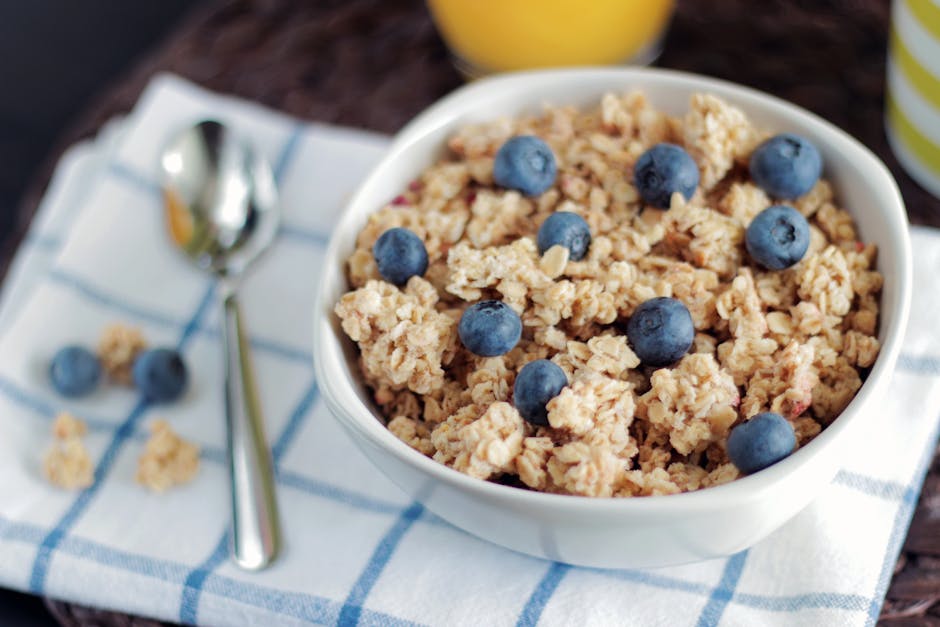
Incorporating prebiotic-rich foods into your diet can be a delicious and effective way to support gut health. These foods are not only rich in prebiotics but also come with additional nutritional benefits that contribute to overall well-being. Below is a list of some top prebiotic-rich foods that can easily be integrated into your dietary routine.
4.1 Chicory Root
Chicory root is known for its high inulin content, a type of prebiotic fiber. Inulin supports the growth of beneficial gut bacteria and aids digestion. Additionally, chicory root is low in calories and can be used as a coffee substitute or added to baked goods for a fiber boost.
4.2 Jerusalem Artichoke
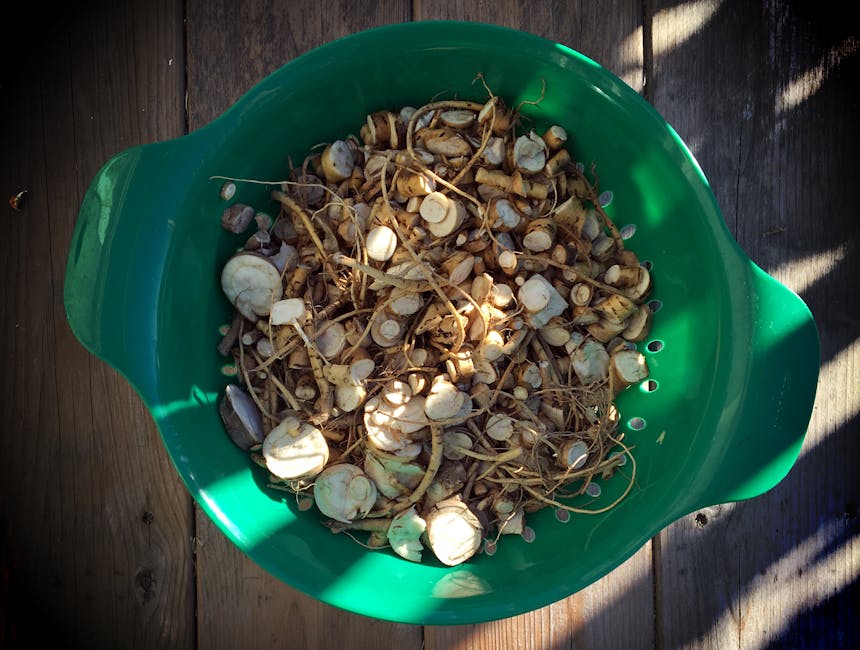
Often referred to as sunchokes, Jerusalem artichokes are rich in inulin, making them an excellent prebiotic source. They provide a nutty flavor and can be roasted, sautéed, or used in soups. Beyond their prebiotic content, Jerusalem artichokes are also a good source of iron and potassium.
4.3 Garlic
Garlic is not only a culinary staple but also a potent prebiotic food. It contains both inulin and fructooligosaccharides (FOS), which foster the growth of beneficial gut bacteria. Rich in antioxidants, garlic may also support heart health and has been linked to anti-inflammatory properties.
4.4 Onions
Onions are versatile and rich in prebiotics like inulin and FOS. They can enhance gut health and also provide flavonoids, which have antioxidant effects. Onions can be eaten raw in salads or cooked in a variety of dishes, adding flavor and nutritional benefits.
4.5 Leeks
Leeks belong to the same family as garlic and onions and are another excellent source of prebiotic fiber. They contain inulin and support a healthy digestive system. Leeks are also rich in vitamins A, C, and K, and can be used in soups, stews, or as a side dish.
4.6 Asparagus
Asparagus is a tasty vegetable high in prebiotics, particularly inulin. It supports digestive health and is packed with vitamins A, C, and E, as well as folate. Asparagus can be grilled, steamed, or roasted for a nutritious addition to meals.
4.7 Bananas
Bananas are not only a convenient snack but also a good source of prebiotics, especially when they are slightly green. They contain resistant starch, which promotes the growth of beneficial gut bacteria. Bananas also provide potassium and vitamin B6, supporting heart and nerve health.
4.8 Barley
Barley is a whole grain rich in beta-glucan, a type of prebiotic fiber. It supports gut health and can help regulate blood sugar levels. Barley can be used in soups, stews, or as a base for salads, providing a chewy texture and nutty flavor.
By including these prebiotic-rich foods in your diet, you can enhance your gut microbiome while also reaping various nutritional benefits. As research continues to expand on the importance of prebiotics, these foods offer a practical and tasty way to support overall health.
5. Easy and Delicious Prebiotic Recipes

Incorporating prebiotic-rich foods into your meals doesn't have to be complicated or time-consuming. Here are some simple and delicious recipes that can help boost your prebiotic intake while supporting your gut health naturally. These recipes focus on using the prebiotic-rich ingredients discussed in earlier sections, allowing you to enjoy their benefits with ease.
5.1 Roasted Chicory Root Coffee
Chicory root can be a delightful coffee substitute, offering a rich, earthy flavor and a dose of prebiotics. This roasted chicory root coffee is caffeine-free and easy to prepare.
- Ingredients:
- 2 tablespoons roasted chicory root
- 2 cups of water
- Optional: milk or a milk alternative, sweetener to taste
- Instructions:
- Place roasted chicory root in a coffee maker or French press.
- Add water and brew as you would regular coffee.
- Serve hot with your choice of milk and sweetener if desired.
5.2 Sunchoke and Garlic Soup
This creamy soup combines the nutty flavor of Jerusalem artichokes with the aromatic depth of garlic, offering a comforting and prebiotic-rich meal.
- Ingredients:
- 1 pound Jerusalem artichokes, scrubbed and chopped
- 3 cloves garlic, minced
- 1 onion, chopped
- 4 cups vegetable broth
- Salt and pepper to taste
- Olive oil for sautéing
- Instructions:
- In a large pot, heat olive oil over medium heat. Add garlic and onion, sauté until soft.
- Add Jerusalem artichokes and vegetable broth, bring to a boil.
- Reduce heat and simmer until artichokes are tender, about 20 minutes.
- Purée the soup using an immersion blender until smooth.
- Season with salt and pepper, serve warm.
5.3 Leek and Asparagus Stir-Fry
This vibrant stir-fry is a quick and flavorful way to enjoy the prebiotic benefits of leeks and asparagus, complete with their nutritional bounty.
- Ingredients:
- 1 leek, sliced
- 1 bunch asparagus, trimmed and cut into 2-inch pieces
- 2 tablespoons olive oil
- Salt and pepper to taste
- Soy sauce or tamari for seasoning
- Instructions:
- Heat olive oil in a large skillet over medium-high heat.
- Add leeks and asparagus, sauté until tender and slightly charred.
- Season with salt, pepper, and a splash of soy sauce or tamari.
- Serve as a side dish or over brown rice for a complete meal.
5.4 Barley and Banana Breakfast Bowl
Start your day with this nourishing breakfast bowl, combining the prebiotic power of barley and bananas with a wholesome and satisfying flavor.
- Ingredients:
- 1 cup cooked barley
- 1 banana, sliced
- 1 tablespoon honey or maple syrup
- 1/4 cup nuts or seeds of choice
- 1/2 cup milk or a milk alternative
- Instructions:
- Combine cooked barley and milk in a bowl, heat if desired.
- Top with sliced banana, nuts or seeds, and drizzle with honey or maple syrup.
- Enjoy warm or chilled for a filling breakfast option.
These recipes are designed to be both easy to prepare and delicious, making it simple to integrate prebiotic-rich foods into your daily diet. Enjoy the benefits of these ingredients as part of a balanced approach to gut health.
6. Tips for Incorporating Prebiotics into Your Daily Routine

Incorporating prebiotics into your daily routine can be a seamless and beneficial addition to your diet, supporting gut health and overall well-being. Here, we offer practical strategies to overcome common challenges and ensure a consistent intake of prebiotics.
6.1 Understanding Prebiotic Sources
To effectively integrate prebiotics, it's essential to be familiar with common sources. Foods such as garlic, onions, leeks, asparagus, bananas, and whole grains like barley are rich in prebiotics. Including these in your diet can naturally boost your intake.
6.2 Meal Planning and Preparation
Planning meals ahead of time can help ensure that prebiotic-rich foods are regularly included. Consider preparing meal components such as chopped vegetables in advance, which can simplify the cooking process and make it more likely that you'll include these beneficial ingredients.
6.3 Creative Recipe Integration
Incorporate prebiotics into your favorite recipes by substituting or adding certain ingredients. For example, replace refined grains with whole grains in baking or add sliced bananas to your breakfast cereal. These small changes can make a significant impact.
6.4 Snack Smart with Prebiotics
Snacks are a great opportunity to add prebiotics into your diet. Choose snacks like a banana with a handful of nuts, or raw vegetables such as carrot sticks with hummus. These options are not only convenient but also support gut health.
6.5 Overcoming Picky Eating
If you or your family members are selective eaters, try experimenting with different cooking methods or spices to enhance the flavor of prebiotic-rich foods. Roasting vegetables can bring out their natural sweetness, making them more appealing.
6.6 Gradual Dietary Adjustments
When introducing more prebiotics into your diet, it's advisable to do so gradually. This can help your digestive system adjust and minimize any potential discomfort. Start with small amounts and gradually increase your intake over time.
By understanding and utilizing these tips, you can effectively incorporate prebiotics into your daily routine, supporting a healthy gut and enhancing your overall dietary habits.
7. Prebiotics and Probiotics: A Symbiotic Relationship
Prebiotics and probiotics are often discussed in the context of gut health, each offering unique benefits. When combined, these two components can work synergistically to enhance their effects, leading to improved digestive health and overall wellness. This section explores how the symbiotic relationship between prebiotics and probiotics can be leveraged for optimal gut health.
7.1 Understanding Prebiotics and Probiotics
Prebiotics are non-digestible fibers that serve as food for beneficial gut bacteria. They help to nourish and stimulate the growth of probiotics—live bacteria that provide health benefits to the digestive system. Together, they form a potent combination for maintaining a balanced gut microbiome.
7.2 The Synergistic Benefits
Research suggests that when prebiotics and probiotics are consumed together, they create a symbiotic relationship that can amplify their individual benefits. Prebiotics help probiotics to thrive in the gut by providing a nutrient-rich environment, potentially enhancing the probiotics' ability to balance the gut flora and improve digestion.
7.3 Holistic Approach to Gut Health
Combining prebiotics and probiotics may support a holistic approach to maintaining gut health. This can lead to improved nutrient absorption, a stronger immune system, and better overall health. Including both in your diet can be an effective strategy for those looking to support their digestive health naturally.
7.4 Practical Ways to Combine Prebiotics and Probiotics
Integrating both prebiotics and probiotics into your diet doesn't have to be complicated. Some practical methods include:
- Pairing prebiotic-rich foods like bananas or onions with probiotic sources such as yogurt or kefir.
- Adding a spoonful of inulin or other prebiotic supplements to a smoothie containing probiotic-rich ingredients.
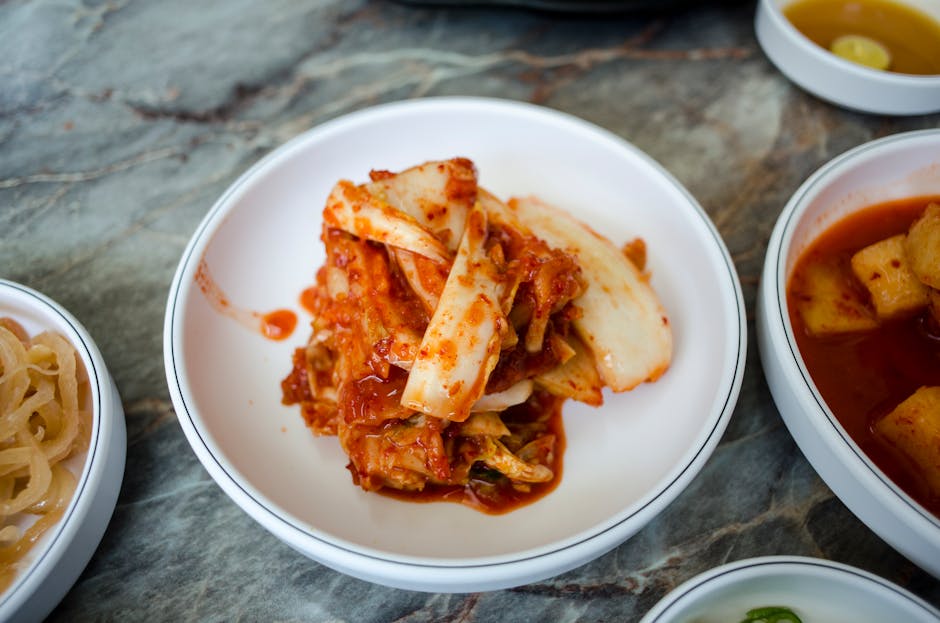
- Incorporating fermented foods like sauerkraut or kimchi alongside prebiotic foods in your meals.
7.5 Conclusion
By understanding and utilizing the symbiotic relationship between prebiotics and probiotics, individuals can take a proactive approach to their gut health. This combination may not only enhance digestive function but also contribute to overall wellness. As always, it is advisable to consult with a healthcare professional before making significant changes to your dietary regimen.
8. Potential Side Effects and Considerations

Increasing prebiotic intake can be beneficial for gut health, but it's important to be aware of potential side effects and considerations. Understanding these can help you make informed decisions and adjust your diet to suit your individual needs.
8.1 Common Side Effects
While prebiotics are generally safe for most people, some individuals may experience digestive discomfort when increasing their intake. Common side effects include:
- Bloating
- Gas
- Abdominal pain
- Diarrhea or constipation
These symptoms are typically temporary and may subside as your digestive system adjusts to the increased fiber intake.
8.2 Gradual Incorporation
To minimize potential side effects, it is advisable to introduce prebiotics into your diet gradually. Start with small amounts and slowly increase your intake over a period of weeks. This approach allows your gut bacteria to adapt and can reduce the likelihood of digestive discomfort.
8.3 Individual Tolerance Levels
Individual tolerance to prebiotics can vary significantly. Factors such as age, existing digestive conditions, and overall diet play a role in how well you tolerate increased prebiotic intake. Listening to your body and making adjustments based on your personal experience is crucial.
8.4 Dietary Considerations
When increasing prebiotic consumption, it's important to balance it with other dietary components. Ensure that your diet includes adequate hydration, as fiber can absorb water in the digestive tract. Additionally, maintaining a balanced diet with a variety of nutrients can support overall digestive health.
8.5 Consultation with Healthcare Professionals
If you experience persistent or severe symptoms after increasing your prebiotic intake, it may be beneficial to consult with a healthcare professional. They can provide personalized advice and help determine whether your dietary changes are appropriate for your specific health needs.
By being aware of potential side effects and considerations, you can make informed decisions about incorporating prebiotics into your diet, ultimately supporting your digestive health goals in a sustainable way.