1. Understanding the Gut Microbiome

1.1 The Complexity of the Gut Microbiome
The gut microbiome is a diverse community of trillions of microorganisms residing in the human digestive tract. This intricate ecosystem includes bacteria, viruses, fungi, and other microbes that play crucial roles in maintaining health. Research suggests that the gut microbiome is involved in various bodily functions, including digestion, immune system regulation, and even mental health.
Each individual's microbiome is unique, shaped by genetics, environment, and lifestyle factors. The balance and diversity of these microorganisms are believed to be critical for optimal health. An imbalance, often referred to as dysbiosis, may contribute to various health issues, including gastrointestinal disorders like GERD (Gastroesophageal Reflux Disease).
1.2 The Role of Gut Microbiota in Digestion and Health
The gut microbiota is believed to aid in the breakdown of complex carbohydrates, proteins, and fats, facilitating nutrient absorption and energy production. Additionally, these microorganisms produce essential vitamins and short-chain fatty acids that support the health of the gut lining and promote overall well-being.
Furthermore, the gut microbiome is thought to interact with the immune system, helping to protect against pathogens and reduce inflammation. This interaction underscores the importance of maintaining a balanced microbiome for both digestive and systemic health.
1.3 Impact of Diet on Microbial Balance
Diet is a significant factor influencing the composition and diversity of the gut microbiome. Research suggests that a diet rich in fiber, prebiotics, and probiotics can promote a healthy and diverse microbial community. Foods such as fruits, vegetables, whole grains, and fermented products are believed to support beneficial bacteria growth.
Conversely, diets high in processed foods, sugars, and unhealthy fats may contribute to dysbiosis, potentially exacerbating digestive disorders. It is believed that adopting a balanced and varied diet can help maintain microbial equilibrium, potentially supporting overall health and mitigating symptoms of conditions like GERD.
2. The Science Behind Fermentation

2.1 Understanding Fermentation
Fermentation is a metabolic process that converts sugars to acids, gases, or alcohol using microorganisms such as bacteria and yeast. This ancient technique is utilized to preserve food, enhance flavors, and improve nutritional value. The process typically involves the anaerobic breakdown of carbohydrates by microbes, resulting in the production of lactic acid, ethanol, or other byproducts, depending on the type of fermentation.
The role of beneficial bacteria, particularly lactic acid bacteria (LAB), is pivotal in fermentation. These bacteria help transform simple sugars into lactic acid, which not only acts as a preservative by lowering the pH but also contributes to the characteristic tangy flavor of fermented foods.
2.2 Cultivation of Beneficial Bacteria
In the fermentation process, beneficial bacteria are cultivated through the controlled exposure of foods to microorganisms under specific conditions. Factors such as temperature, oxygen levels, and pH are carefully managed to favor the growth of desirable bacteria while inhibiting harmful pathogens.
During vegetable fermentation, as in the making of sauerkraut or kimchi, vegetables are submerged in brine or a salt solution. This creates an anaerobic environment where beneficial bacteria, like LAB, thrive and proliferate. These bacteria outcompete spoilage organisms, ensuring the safe preservation of the food.
2.3 Nutritional Enhancement Through Fermentation
Fermentation is believed to enhance the nutritional profile of vegetables by increasing the bioavailability of nutrients and producing beneficial compounds. The enzymatic activities of fermentative bacteria can break down anti-nutritional factors, making vitamins and minerals more accessible for absorption.
Additionally, the fermentation process is known to produce bioactive compounds such as B vitamins, peptides, and antioxidants, which may contribute to improved health outcomes. The consumption of fermented vegetables is associated with the introduction of live beneficial bacteria into the gut, potentially supporting a balanced microbiome and aiding in digestive health.
3. Health Benefits of Fermented Vegetables
3.1 Improved Digestion
Fermented vegetables are believed to aid digestion due to their rich content of probiotics, particularly lactic acid bacteria (LAB). These beneficial microbes can help break down complex carbohydrates and fibers in the gut, thereby alleviating symptoms such as bloating and constipation. Recent studies suggest that the consumption of fermented foods may enhance the digestive process by promoting a balanced gut microbiota, which plays a crucial role in maintaining intestinal health.
Furthermore, the fermentation process is thought to pre-digest some of the components of vegetables, making them easier for the body to process and reducing the digestive workload. This can be especially beneficial for individuals with digestive disorders, as it may help mitigate discomfort and improve nutrient absorption.
3.2 Enhanced Nutrient Absorption
Research indicates that fermentation may enhance the bioavailability of nutrients found in vegetables. The enzymatic activities of LAB and other fermentative bacteria can break down anti-nutritional factors such as phytates and tannins, which typically inhibit nutrient absorption. By reducing these compounds, fermented vegetables may provide more accessible forms of vitamins and minerals, facilitating better absorption in the digestive tract.
Additionally, fermentation is known to increase the concentration of certain nutrients, particularly B vitamins, and produce new bioactive compounds that may have health-promoting properties. These nutritional enhancements can contribute to a more nutrient-dense diet, potentially supporting overall health and well-being.
3.3 Strengthened Immune Function
The consumption of fermented vegetables may also bolster immune function. Probiotics present in these foods are believed to interact with the gut-associated lymphoid tissue (GALT), which plays a significant role in the body's immune responses. By promoting a healthy balance of gut bacteria, fermented vegetables may enhance the body's ability to fight off pathogens and reduce the likelihood of infections.
Scientific research suggests that a robust and diverse gut microbiome is linked to improved immune function. The introduction of beneficial bacteria through fermented foods may help modulate immune responses and decrease inflammation, potentially lowering the risk of chronic diseases. While more studies are needed to fully understand these mechanisms, the potential immune-boosting effects of fermented vegetables are a compelling area of interest.
4. Popular Types of Fermented Vegetables
4.1 Kimchi
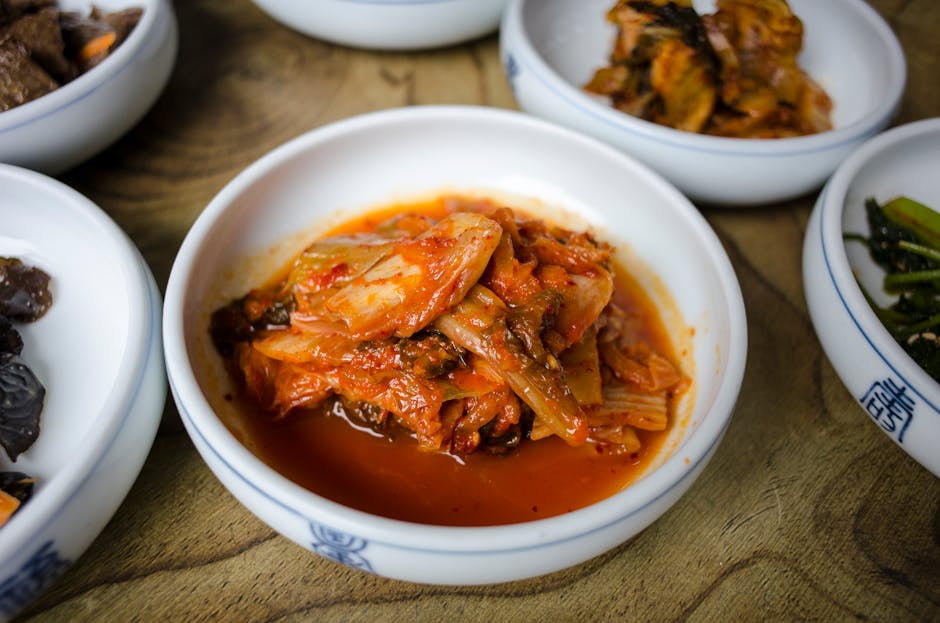
Kimchi is a traditional Korean dish known for its distinctive spicy, tangy flavor and crunchy texture. It is made by fermenting Napa cabbage and radishes with a variety of seasonings, including red chili pepper flakes, garlic, ginger, and fish sauce. The fermentation process of kimchi can take several days to weeks, during which beneficial bacteria like Lactobacillus develop, contributing to its probiotic properties. Kimchi holds cultural significance in Korea, where it is served at nearly every meal and is considered a staple food.
4.2 Sauerkraut
Sauerkraut, a fermented cabbage dish, is widely recognized for its sour taste and is a staple in Central and Eastern European cuisine. The preparation involves finely shredding cabbage, mixing it with salt, and allowing it to ferment in its own juices. This fermentation process can last from a few days to several weeks, during which lactic acid bacteria thrive, enhancing its probiotic content. Sauerkraut is not only valued for its flavor but also for its long shelf life, making it an important food preservation method historically.
4.3 Pickles
Pickles, commonly made from cucumbers, are another popular type of fermented vegetable. The pickling process involves immersing cucumbers in a brine solution of water, salt, and sometimes vinegar, and allowing them to ferment over time. This results in a tangy, crispy snack that is enjoyed worldwide. Pickles can be found in various forms, from dill pickles to sweet gherkins, each offering a unique taste experience. This method of fermentation has been used for centuries as a means of preserving vegetables and enhancing their flavor.
4.4 Other Fermented Vegetables
Apart from kimchi, sauerkraut, and pickles, there are numerous other fermented vegetables that offer diverse flavors and nutritional benefits. These include fermented carrots, beets, and turnips, each prepared with different herbs and spices to suit regional tastes. The fermentation of these vegetables not only helps preserve them but also enriches their flavors and probiotic content, making them a valued component of diets around the world.
The cultural significance of fermented vegetables cannot be overstated, as they reflect the culinary traditions and preservation techniques of various cultures. Their unique flavors and potential health benefits continue to make them a popular choice for those seeking to incorporate probiotic-rich foods into their diet.
5. How to Make Fermented Vegetables at Home
5.1 Selecting Ingredients
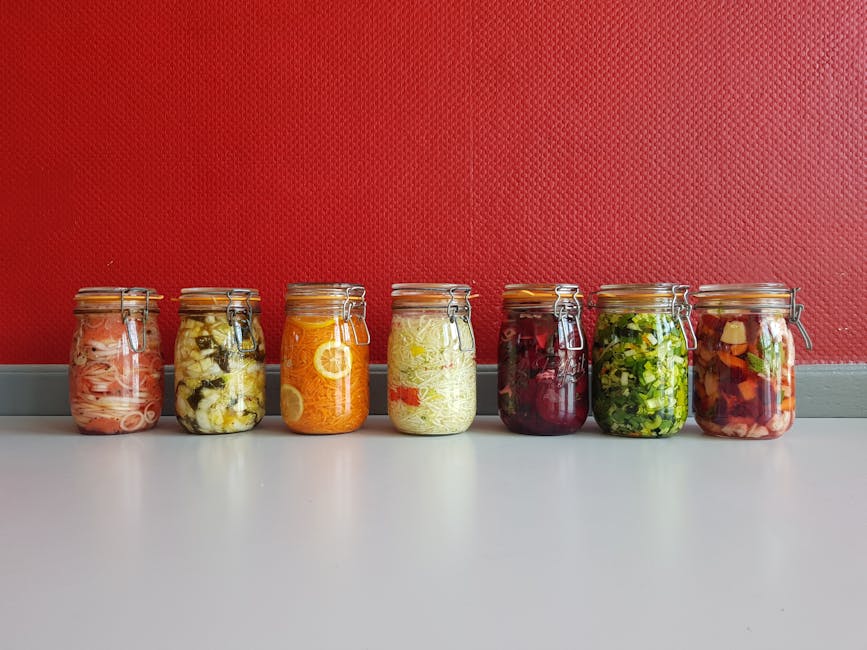
When it comes to fermenting vegetables at home, the choice of ingredients is crucial for achieving the desired taste and nutritional benefits. Opt for fresh, organic vegetables that are free from bruises or blemishes. Popular choices include cabbage, cucumbers, carrots, and beets. These vegetables are known for their firm texture and compatibility with fermentation, resulting in a crunchy and flavorful end product.
It's also important to choose high-quality salt, as it plays a critical role in the fermentation process. Unrefined sea salt or kosher salt is often recommended, as they do not contain additives that could disrupt fermentation. Additionally, consider adding spices or herbs like garlic, dill, or ginger to enhance the flavor profile of your fermented vegetables.
5.2 Maintaining Hygiene
Maintaining a clean environment is essential when fermenting vegetables to prevent the growth of unwanted bacteria. Start by thoroughly washing your hands, utensils, and any surfaces you will be using. Ensure that the jars or containers in which the vegetables will be stored are sterilized by boiling them in water or using a dishwasher with a high-temperature setting.
It's also advisable to rinse the vegetables under running water to remove any dirt or pesticides. Once cleaned, dry the vegetables thoroughly to avoid introducing excess water into the fermentation jar, which could dilute the brine and affect the fermentation process.
5.3 The Fermentation Process
The fermentation process involves several key steps to ensure successful results. Begin by chopping or shredding the vegetables to your desired size, as smaller pieces may ferment more quickly. Place the prepared vegetables in a large bowl, and add salt according to taste. Use your hands or a wooden spoon to massage the salt into the vegetables, which helps to draw out their natural juices and create the brine necessary for fermentation.
Pack the salted vegetables tightly into your sterilized jars, ensuring that they are fully submerged in the brine. It's crucial to leave some space at the top of the jar to allow for expansion as the vegetables ferment. Seal the jars with lids, but do not tighten them completely, as the fermentation process produces gases that need to escape.
5.4 Ensuring Successful Fermentation
To ensure successful fermentation, store the jars at room temperature, away from direct sunlight. The ideal temperature range for vegetable fermentation is between 65°F and 75°F (18°C to 24°C). Within a few days, you should notice bubbles forming in the brine, indicating that fermentation is underway.
Check the jars periodically to ensure that the vegetables remain submerged in the brine, adding more brine if necessary to prevent exposure to air, which can lead to spoilage. Depending on the type of vegetable and the desired taste, fermentation can take anywhere from a few days to several weeks. Taste the vegetables regularly until they reach your preferred level of tanginess.
5.5 Storing and Enjoying Fermented Vegetables
Once the fermentation process is complete, transfer the jars to a refrigerator to slow down fermentation and preserve the flavor and texture of the vegetables. Fermented vegetables can be stored in the refrigerator for several months, during which they will continue to develop their unique taste.
Enjoy your homemade fermented vegetables as a side dish, a topping for salads, or a flavorful addition to sandwiches. Incorporating these probiotic-rich foods into your diet may support a healthy gut microbiome and contribute to overall well-being.
6. Incorporating Fermented Vegetables into Your Diet
6.1 Adding to Salads
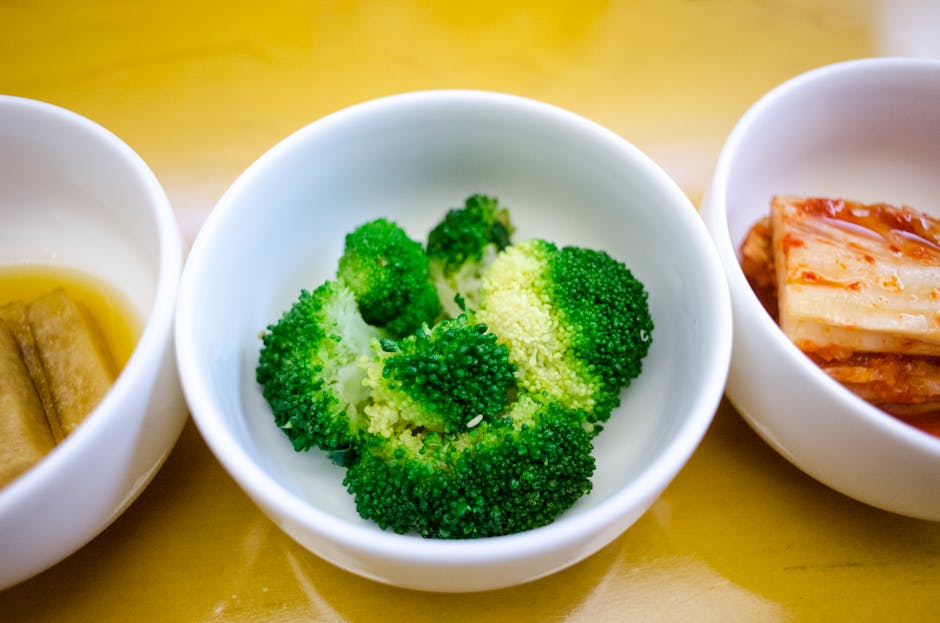
Fermented vegetables can elevate a simple salad with their tangy flavor and nutritional benefits. Consider tossing a handful of sauerkraut or kimchi into your favorite greens. These fermented options can add complexity and depth to a salad, making it both delicious and gut-friendly. Additionally, you can mix them with seasonal vegetables, nuts, and seeds for a balanced and satisfying meal.
6.2 Enhancing Sandwiches
Sandwiches offer a convenient platform for incorporating fermented vegetables. Add a layer of fermented cucumbers or carrots to your sandwich for a crunchy texture and a probiotic boost. Their zesty taste complements meats, cheeses, and spreads, creating a more dynamic and flavorful sandwich experience. Experiment with different combinations to discover your preferred taste.
6.3 Creating Flavorful Side Dishes
Serving fermented vegetables as a side dish can complement a variety of main courses. They pair well with grilled meats, roasted vegetables, or stir-fried dishes, providing a welcome contrast in flavor and texture. Try mixing fermented beets with roasted root vegetables or using a mixture of fermented vegetables as a colorful and nutrient-rich side dish.
6.4 Incorporating into Breakfast
Start your day with a healthy dose of probiotics by adding fermented vegetables to your breakfast. Top your morning omelet with kimchi or serve a side of fermented carrots with scrambled eggs. These combinations not only enhance the taste but also contribute to a balanced and nutritious start to your day.
6.5 Using as a Condiment
Fermented vegetables can also be used as a condiment to enhance the flavor of various dishes. A spoonful of sauerkraut can be a perfect accompaniment to hot dogs or sausages, while a dollop of kimchi can spice up rice bowls and noodle dishes. These flavorful additions can transform a simple meal into a gourmet experience.
6.6 Snacking on Fermented Vegetables
For a quick and healthy snack, consider enjoying fermented vegetables on their own. Keep a jar in your fridge for those moments when you need a quick bite that supports your gut health. Fermented vegetables like pickles or olives can satisfy cravings while providing a dose of beneficial probiotics.
7. Addressing Common Concerns and Misconceptions

7.1 Safety of Fermented Foods
One of the most common concerns about fermented foods is their safety. Research suggests that when prepared properly, fermented foods are safe to consume. The lactic acid produced during fermentation inhibits the growth of harmful bacteria, creating a safe and stable product. It is important, however, to follow proper hygiene and fermentation techniques to ensure safety.
7.2 Taste and Palatability
Another misconception is that fermented foods have an unpleasant taste. While they do possess a unique tangy flavor, many people find them to be an acquired taste that can become quite enjoyable. Fermentation enhances the natural flavors of the ingredients, resulting in a complex and savory profile that can complement a variety of dishes.
7.3 Digestive Tolerance
Individuals with sensitive digestive systems may worry about tolerance to fermented foods. Though some people might experience mild initial digestive changes, these foods are generally well-tolerated. The probiotics in fermented foods are believed to support gut health, potentially aiding digestion over time. It is advisable to introduce them gradually into the diet to monitor any individual reactions.
7.4 Concerns About Salt Content
Fermented foods often contain salt, which raises concerns for those monitoring their sodium intake. While salt is crucial for the fermentation process, it is possible to use less sodium or opt for low-sodium versions. Additionally, the health benefits provided by the probiotics and nutrients in fermented foods may outweigh concerns about salt content for many individuals.
7.5 Misunderstandings About Alcohol Content
Some people believe that all fermented foods contain alcohol. While fermentation can produce small amounts of alcohol, the levels are typically very low and not considered significant. Most fermented vegetables, like sauerkraut and kimchi, have negligible alcohol content, making them suitable for all diets.
7.6 Concerns Over Storage and Spoilage
Worry about spoilage is common, but fermented foods are naturally preserved. The acidity developed during fermentation acts as a natural preservative, allowing these foods to have a long shelf life when stored properly in the refrigerator. It is important to ensure that the storage containers are airtight to maintain quality and prevent spoilage.
8. Future Trends in Fermented Foods

8.1 Innovations in Fermentation Technology
As the popularity of fermented foods continues to rise, technological advancements are paving the way for more efficient and controlled fermentation processes. Research suggests that new fermentation technologies can help in tailoring microbial communities, enhancing flavor profiles, and improving the nutritional content of fermented products. Innovations such as precision fermentation and the use of artificial intelligence to optimize fermentation conditions are believed to be on the horizon, potentially transforming how these foods are produced.
8.2 Personalized Nutrition and Fermented Foods
The intersection of microbiome research and personalized nutrition is a burgeoning field that could significantly influence the future of fermented foods. Understanding the unique composition of an individual's gut microbiome may allow for the customization of fermented foods to better support personal health goals. This trend is expected to lead to the development of tailored probiotic blends and fermented products designed to complement specific dietary needs and enhance gut health.
8.3 Expansion of Fermented Food Varieties
The global interest in fermented foods is driving innovation and diversification in product offerings. Beyond traditional items like yogurt, kimchi, and sauerkraut, there is a growing exploration of novel ingredients and fermentation techniques. This includes the fermentation of various plant-based proteins, grains, and even beverages. The exploration of different cultural fermentation practices is also contributing to a richer variety of options available on the market.
8.4 Sustainability and Fermented Foods
With increasing awareness of environmental sustainability, fermented foods are being recognized for their potential to reduce food waste and lower carbon footprints. Fermentation can extend the shelf life of produce, thus minimizing waste, and the process itself is relatively low-energy compared to other food preservation methods. Emerging trends in sustainable packaging and waste reduction in fermentation practices are likely to further enhance the eco-friendliness of these products.
8.5 The Role of Fermented Foods in Functional Foods Market
The functional foods market, which focuses on foods with health-promoting or disease-preventing properties, is expected to increasingly incorporate fermented foods. These products are believed to offer numerous health benefits, including supporting digestion and enhancing immune function. As consumer interest in functional foods grows, fermented foods are anticipated to play a significant role in this expanding market segment, offering both traditional and innovative health benefits.