
1. Understanding Bone Broth: Composition and Nutritional Profile

Bone broth has emerged as a popular dietary staple due to its rich composition and potential health benefits. This section explores the fundamental components of bone broth, focusing on its nutritional profile and how these elements may support digestive wellness.
1.1 Key Nutrients in Bone Broth
Bone broth is a nutrient-dense liquid made by simmering animal bones and connective tissues. The slow cooking process extracts a variety of nutrients, which can contribute to its health-promoting properties:
- Collagen: As a major component of connective tissues, collagen is abundant in bone broth. Research suggests that collagen can help support gut integrity by strengthening the mucosal lining of the digestive tract.
- Amino Acids: Bone broth contains essential amino acids like glycine and proline. These amino acids are believed to aid in digestion and may have anti-inflammatory properties that benefit gut health.
- Minerals: The simmering process releases minerals such as calcium, magnesium, and phosphorus into the broth. These minerals are vital for various bodily functions, including maintaining a healthy digestive system.
1.2 Scientific Insights into Bone Broth's Health Benefits
Several studies have examined the potential health benefits of bone broth, particularly in relation to digestive wellness:
- Gut Health Support: The gelatin in bone broth is thought to promote a healthy gut lining, which may help prevent conditions like leaky gut syndrome.
- Anti-Inflammatory Properties: The amino acids found in bone broth, such as glycine, are believed to have anti-inflammatory effects, which could be beneficial for individuals with inflammatory bowel conditions.
- Joint Health: While not directly related to digestion, the collagen in bone broth may support joint health, which is an added benefit for those seeking comprehensive wellness.
While more research is needed to fully understand the scope of bone broth's effects, its composition and potential benefits make it a noteworthy addition to a diet focused on digestive health. As always, individuals should consider personal dietary needs and consult with healthcare professionals when making significant changes to their diet.
2. The Science Behind Bone Broth and Gut Health

Bone broth has garnered attention for its potential role in supporting gut health, with many proponents citing its ability to promote a healthy gut lining and reduce inflammation. This section delves into the scientific evidence and explores how the components of bone broth may influence gut microbiota and overall digestive function.
2.1 Promoting a Healthy Gut Lining
The integrity of the gut lining is crucial for maintaining overall digestive health. Bone broth is rich in collagen, which research suggests may help strengthen the mucosal lining of the gastrointestinal tract. By providing essential amino acids, such as glycine and proline, bone broth could support the repair and maintenance of the gut barrier, potentially preventing conditions like leaky gut syndrome.
2.2 Reducing Inflammation
Chronic inflammation in the gut can lead to various digestive disorders. The amino acids found in bone broth, particularly glycine, are thought to possess anti-inflammatory properties. Studies indicate that glycine may help modulate inflammatory responses in the gut, offering potential relief for individuals with inflammatory bowel conditions.
2.3 Impact on Gut Microbiota
The gut microbiota plays a significant role in digestive health, influencing everything from nutrient absorption to immune function. While direct research on bone broth's effects on gut microbiota is limited, its nutrient profile, including amino acids and minerals, may provide a supportive environment for beneficial bacteria. This, in turn, could enhance digestive function and overall gut health.
2.4 Overall Digestive Function
Bone broth's comprehensive nutritional profile offers potential benefits beyond just gut lining integrity and inflammation reduction. The presence of minerals such as calcium and magnesium is crucial for various enzymatic processes involved in digestion. By contributing to a balanced diet, bone broth may support efficient digestive processes and promote overall gastrointestinal health.
While bone broth is not a cure-all, its components and the emerging evidence of its benefits make it a valuable addition to a gut-friendly diet. As research continues to evolve, individuals interested in improving their digestive health may consider incorporating bone broth as part of a balanced dietary approach, in consultation with healthcare professionals.
3. Bone Broth and Inflammation: Mechanisms and Benefits

3.1 Understanding Inflammation in Digestive Disorders
Inflammation is a natural immune response to injury or infection, but when it becomes chronic, it can contribute to various digestive disorders. Conditions such as gastritis, inflammatory bowel disease (IBD), and gastroesophageal reflux disease (GERD) often involve persistent inflammation that affects the lining of the stomach and intestines. Understanding the mechanisms behind this inflammation is crucial for exploring potential dietary interventions that may offer relief.
3.2 Anti-Inflammatory Components of Bone Broth
Bone broth is believed to possess anti-inflammatory properties, largely due to its rich composition of amino acids and other nutrients. Glycine, one of the abundant amino acids in bone broth, is known for its potential to modulate inflammatory responses. Research suggests that glycine may inhibit the production of inflammatory cytokines, molecules that play a key role in promoting inflammation in the gut.
Additionally, bone broth contains gelatin, which is derived from collagen. Gelatin may further support gut health by promoting the growth of healthy connective tissue in the stomach lining. This action could help protect against the erosion caused by chronic inflammation, potentially easing symptoms for individuals with digestive disorders.
3.3 Potential Benefits for Chronic Digestive Disorders
The anti-inflammatory properties of bone broth ingredients, such as glycine and gelatin, hold promise for individuals suffering from chronic digestive disorders. By potentially reducing inflammation, bone broth may help alleviate symptoms associated with conditions like GERD and IBD. While scientific research is ongoing, some studies indicate that dietary glycine supplementation could have therapeutic effects on inflammation-related digestive issues.
Moreover, the presence of other nutrients in bone broth, such as glutamine, may support intestinal health by aiding in the repair of the gut lining. Glutamine is an amino acid that contributes to the maintenance of intestinal barrier function, which is crucial for preventing unwanted substances from entering the bloodstream and triggering inflammatory responses.
3.4 Implications for a Gut-Friendly Diet
Incorporating bone broth into a diet aimed at reducing inflammation and supporting digestive health may offer several benefits. Its nutrient-rich profile provides a natural source of compounds that could help modulate inflammation and support gut integrity. However, it is important to note that bone broth should not be viewed as a standalone solution but rather as a complementary component of a comprehensive dietary strategy.
Individuals interested in exploring the potential benefits of bone broth for inflammation should consider their unique dietary needs and consult healthcare professionals, particularly when managing chronic digestive disorders. As research continues to shed light on the mechanisms and benefits of bone broth, it remains a promising option for those seeking a natural approach to supporting digestive wellness.
4. Essential Nutrients in Bone Broth for Digestive Health

4.1 Vitamins and Minerals
Bone broth is a rich source of essential vitamins and minerals that are believed to play a significant role in promoting digestive health. Among these, calcium, magnesium, and phosphorus are critical for various bodily functions, including the maintenance of strong bones and teeth. However, their role extends beyond just skeletal health. These minerals are essential for muscle function, nerve signaling, and maintaining the structural integrity of the gut.
Research suggests that magnesium, in particular, may help regulate digestive processes by ensuring smooth muscle contractions in the gastrointestinal tract. This can be crucial for individuals experiencing conditions like GERD, where proper muscle function can aid in preventing the backflow of stomach contents.
4.2 Gelatin and Collagen
Gelatin, a derivative of collagen, is another key component of bone broth that may support digestive health. Gelatin is believed to help repair the intestinal lining by promoting the growth of connective tissue. This function is particularly important for individuals with digestive disorders, where the integrity of the gut lining is often compromised.
Collagen and gelatin may also aid in the production of gastric juices, necessary for the proper digestion of food and absorption of nutrients. By supporting these processes, they contribute to the overall maintenance of a healthy digestive system, potentially easing symptoms associated with chronic inflammation and digestive discomfort.
4.3 Amino Acids: Glutamine and Glycine
Amino acids like glutamine and glycine found in bone broth are considered beneficial for gut health. Glutamine is known for its role in maintaining the integrity of the intestinal barrier, which prevents harmful substances from entering the bloodstream. This amino acid may help repair and regenerate the gut lining, offering potential relief for individuals with conditions characterized by increased intestinal permeability.
Glycine is another amino acid abundant in bone broth, and it is believed to possess anti-inflammatory properties. It may help reduce inflammation in the gut by modulating the immune response, potentially providing comfort for those suffering from inflammatory digestive disorders.
4.4 Implications for Digestive Health
The combination of vitamins, minerals, gelatin, collagen, and amino acids in bone broth creates a nutrient profile that may support digestive health in various ways. By contributing to the repair and maintenance of the gut lining and modulating inflammatory responses, these nutrients offer a potential natural approach to managing digestive disorders.
While bone broth alone cannot cure or prevent digestive issues, incorporating it into a balanced diet may complement other dietary strategies aimed at promoting gut health. As always, individuals should consult healthcare providers when considering dietary changes, particularly if they have chronic digestive conditions.
5. How to Make Bone Broth at Home: Tips and Techniques

5.1 Essential Ingredients
To craft a nourishing bone broth, start with the right ingredients. The base of any good bone broth includes:
- Bones: Use bones from beef, chicken, or fish. It is believed that a mix of different types of bones can offer a richer nutrient profile.
- Vegetables: Common choices include carrots, celery, and onions, which may enhance the flavor and nutritional content.
- Acidic Agent: A splash of apple cider vinegar or lemon juice is believed to help extract minerals from the bones during the cooking process.
- Herbs and Spices: Adding herbs like thyme or bay leaves can boost flavor and potentially offer additional health benefits.
5.2 Cooking Methods
There are various techniques to prepare bone broth, and the choice often depends on personal preference and available equipment. Here are a few popular methods:
- Stovetop: Simmer the ingredients in a large pot over low heat for 12-24 hours. This traditional method may require some attention to maintain a consistent temperature.
- Slow Cooker: A slow cooker offers convenience, allowing you to set it and let it cook for up to 48 hours with minimal supervision.
- Pressure Cooker: For those short on time, a pressure cooker can drastically reduce the cooking time to about 2-3 hours while still extracting beneficial nutrients.
5.3 Tips to Maximize Nutritional Benefits
To get the most out of your homemade bone broth, consider the following tips:
- Roasting Bones: Roasting the bones before simmering is believed to enhance flavor and may increase nutrient extraction.
- Skimming Fat: Periodically skimming off excess fat during cooking can improve the broth's texture and taste.
- Cooling and Storing: Once cooked, allow the broth to cool and strain it to remove bones and vegetables. Store in the refrigerator for up to a week or freeze for longer preservation.
- Seasoning: Season the broth to taste once it's done cooking, as this allows for better control over sodium content.
5.4 Incorporating Bone Broth into Your Diet
Bone broth can be enjoyed on its own as a warm, comforting drink or used as a base for soups and stews. Some individuals prefer adding it to grains or vegetables for an added nutrient boost. By regularly incorporating bone broth into meals, you may support your digestive health journey while enjoying a flavorful addition to your diet.
6. Easy Bone Broth Recipes for Every Diet

6.1 Classic Beef Bone Broth
This traditional beef bone broth recipe is a staple for those looking to enjoy a rich and hearty beverage that supports digestive health. Suitable for most diets, it can be sipped on its own or used as a base for various dishes.
- Ingredients: Beef bones, carrots, celery, onions, apple cider vinegar, bay leaves, and black peppercorns.
- Instructions: Roast the bones at 400°F for about 30 minutes, then transfer to a pot with other ingredients and cover with water. Simmer for 12-24 hours, skimming occasionally.
6.2 Chicken Bone Broth with Herbs
This chicken bone broth is lighter than its beef counterpart and can be customized with different herbs for a refreshing flavor. It's perfect for those following a low-fat diet.
- Ingredients: Chicken carcass, onions, garlic, parsley, thyme, rosemary, and lemon juice.
- Instructions: Combine all ingredients in a slow cooker, cover with water, and cook on low for 24 hours. Strain and enjoy.
6.3 Fish Bone Broth
Popular in many coastal cuisines, fish bone broth offers a lighter alternative with a unique flavor profile. It's suitable for pescatarians and those seeking omega-3 fatty acids.
- Ingredients: Fish bones and heads, fennel, leek, celery, white wine, and dill.
- Instructions: Simmer all ingredients in a pot for 1-2 hours. Strain and serve warm.
6.4 Vegetarian "Bone" Broth
While not a traditional bone broth, this vegetarian version uses nutrient-rich vegetables and seaweed to mimic the savory depth of flavor. Ideal for vegetarians and vegans.
- Ingredients: Kombu (seaweed), carrots, mushrooms, onions, garlic, and nutritional yeast.
- Instructions: Simmer ingredients in a pot for 1-2 hours, strain, and use as a base for soups or enjoy as a beverage.
6.5 Spicy Bone Broth for a Metabolism Boost
This spicy bone broth variation adds a kick with the inclusion of chili peppers and ginger. It may appeal to those looking to add a bit of heat to their diet.
- Ingredients: Chicken or beef bones, ginger, chili peppers, lemongrass, and lime juice.
- Instructions: Combine ingredients in a pressure cooker and cook for 2 hours. Strain and enjoy for a warming and spicy treat.
6.6 Incorporating Bone Broth into Meals
Once you've prepared your chosen broth, try incorporating it into various meals:
- Use as a base for soups and stews for added depth and nutrients.
- Cook grains like rice or quinoa in bone broth for extra flavor.
- Replace water with bone broth when steaming vegetables.
- Add to sauces and gravies for a richer taste.
These versatile recipes and serving suggestions ensure that everyone can enjoy the benefits of bone broth, regardless of dietary restrictions or preferences.
7. Bone Broth: A Natural Remedy for Digestive Disorders
7.1 Understanding Bone Broth's Role in Digestive Health
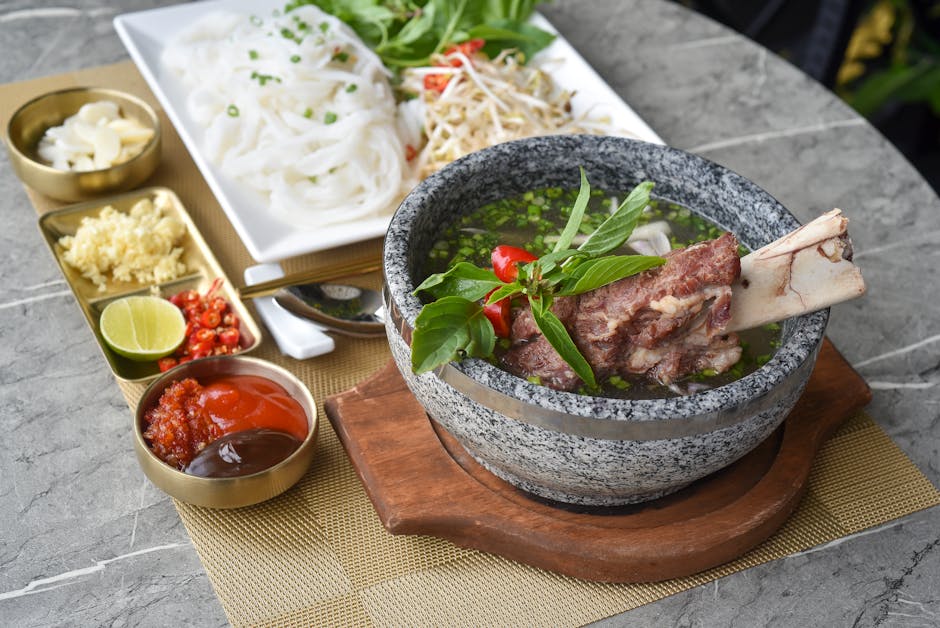
Bone broth has garnered attention for its potential benefits in supporting digestive health, particularly in the context of conditions like leaky gut syndrome and irritable bowel syndrome (IBS). This nutrient-rich liquid contains compounds such as collagen, glutamine, and glycine, which research suggests may help support the integrity of the gut lining and promote digestive comfort.
7.2 Expert Opinions on Bone Broth for Digestive Disorders
Many nutritionists and gastroenterologists recognize bone broth as a beneficial addition to a balanced diet for individuals experiencing digestive issues. According to experts, the amino acids present in bone broth may help reduce inflammation in the gut, which is often a component of digestive disorders. Additionally, its soothing properties and easily digestible nature make it a suitable option for those with sensitive digestive systems.
7.3 Case Studies Highlighting Bone Broth's Effectiveness
Several case studies have been conducted to explore the effectiveness of bone broth in alleviating symptoms of digestive disorders. These studies often focus on patients with leaky gut syndrome or IBS, examining improvements in symptoms such as bloating, constipation, and abdominal discomfort. While individual results vary, many participants report a noticeable reduction in symptoms after incorporating bone broth into their daily routine.
7.4 Nutritional Components and Their Impact
The nutritional components of bone broth play a crucial role in its purported benefits for digestive health. Collagen, a major protein found in bone broth, is believed to support the structural integrity of the gut lining, potentially reducing permeability associated with leaky gut syndrome. Meanwhile, glutamine is thought to aid in the repair of the gut lining, and glycine may promote an anti-inflammatory effect, contributing to overall digestive wellness.
7.5 Incorporating Bone Broth into a Digestive Health Regimen
Incorporating bone broth into a dietary regimen can be a simple yet effective way to support digestive health. It can be consumed on its own as a warm, comforting beverage or used as a base for soups and stews to add both flavor and nutrients. Additionally, bone broth can be used to cook grains or as a substitute for water in various recipes, providing versatility and ease of integration into daily meals.
7.6 Conclusion: Bone Broth as a Complementary Approach
While bone broth is not a cure-all, its potential benefits for digestive health make it a worthy consideration for individuals seeking natural remedies for conditions like leaky gut syndrome and IBS. As part of a comprehensive approach that includes medical guidance and lifestyle adjustments, bone broth may offer a comforting and nourishing option to support digestive well-being.
8. Potential Drawbacks and Considerations When Using Bone Broth
8.1 Dietary Restrictions to Keep in Mind
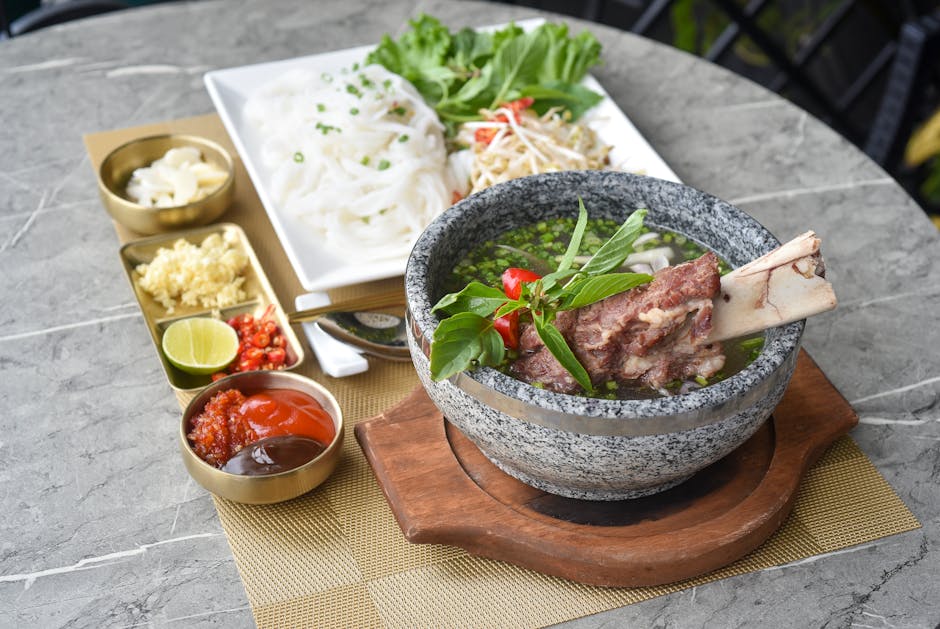
While bone broth is often praised for its nutritional profile, individuals with specific dietary restrictions should approach its consumption with caution. For those following a vegetarian or vegan diet, bone broth is not suitable due to its animal-derived ingredients. Additionally, individuals who are sensitive to histamines may find that bone broth exacerbates their symptoms, as it is a high-histamine food. It's important to consider these dietary factors when deciding whether to incorporate bone broth into your routine.
8.2 Allergenic Risks Associated with Bone Broth
Bone broth is typically made from boiling bones and connective tissues, which can sometimes contain allergens. Individuals with allergies to specific animal proteins, such as beef or chicken, should be cautious and consider alternative sources of broth or consult with a healthcare provider before consuming. Additionally, those with seafood allergies should avoid fish-based broths. It's essential to read labels carefully and be aware of any potential cross-contamination if you have food allergies.
8.3 Quality and Sourcing Concerns
The quality of the ingredients used in bone broth can significantly impact its nutritional value and potential health benefits. Broths made from conventionally raised animals may contain traces of antibiotics or hormones, which could be a concern for some consumers. Opting for organic or grass-fed animal bones may help mitigate these issues, ensuring a cleaner and more nutrient-rich broth. Researching the sourcing and production practices of commercially available bone broths can be beneficial for those concerned about the quality of their food.
8.4 Safe Incorporation into Your Health Regimen
For those without dietary restrictions or allergies, bone broth can be a nourishing addition to a balanced diet. However, moderation is key, as excessive consumption may lead to an imbalance of certain nutrients or an unintended increase in caloric intake. It is advisable to start with small amounts and gradually integrate bone broth into your meals, paying attention to how your body responds. Consulting with a healthcare professional can also provide personalized guidance on how to safely include bone broth in your health regimen.
8.5 Conclusion: Weighing the Benefits Against the Drawbacks
Bone broth can offer potential digestive health benefits for many individuals, but it's important to consider potential drawbacks and individual health considerations. By being mindful of dietary restrictions, allergenic risks, and the quality of ingredients, you can make informed decisions about whether bone broth is a suitable addition to your health strategy. As with any dietary change, personalized advice from a healthcare provider can be invaluable in ensuring that your choices align with your overall health goals.