
1. Understanding Digestive Health and Its Importance

Digestive health plays a critical role in maintaining overall wellness. The digestive system is responsible for breaking down food, absorbing nutrients, and expelling waste, making it essential for sustaining life. A well-functioning digestive tract ensures that the body receives the necessary vitamins, minerals, and other nutrients required for optimal health.
1.1 The Role of the Digestive System
The digestive system is a complex network that involves several organs working in harmony to process the food we consume. It begins in the mouth, where the mechanical breakdown of food starts, and continues through the esophagus, stomach, small intestine, and large intestine. Each organ has a specific function, contributing to the seamless operation of the digestive process.
1.2 Common Digestive Issues
Despite its efficiency, the digestive system can be prone to various issues that impact its function. Common problems include:
- Gastroesophageal reflux disease (GERD)
- Irritable bowel syndrome (IBS)
- Constipation
- Diarrhea
These conditions can cause discomfort and disrupt daily life, highlighting the importance of maintaining digestive health.
1.3 The Importance of Nutrition
Proper nutrition is pivotal in promoting a healthy digestive system. A balanced diet rich in fiber, probiotics, and prebiotics can aid in maintaining gut health. Fiber is crucial for regular bowel movements, while probiotics and prebiotics support the growth of beneficial gut bacteria. This, in turn, can alleviate symptoms of digestive discomfort and enhance overall digestive function.
1.4 Promoting a Healthy Gut
Research suggests that adopting dietary habits that support gut health can have far-reaching benefits. Incorporating a variety of fruits, vegetables, whole grains, and fermented foods into your diet can nurture a healthy gut microbiome. Additionally, staying hydrated and practicing mindful eating are simple yet effective strategies to enhance digestive health.
By understanding the intricacies of the digestive system and acknowledging the impact of nutrition, individuals can take proactive steps to support their digestive health, ultimately leading to improved overall wellness.
2. The Science Behind Smoothies for Digestive Health

Smoothies have become a popular choice for those seeking to enhance their digestive health. These nutrient-rich beverages are not only delicious but also offer numerous benefits that support the digestive system. This section delves into the scientific principles that make smoothies a valuable addition to a digestive-friendly diet.
2.1 The Liquid Advantage
The liquid nature of smoothies plays a significant role in aiding digestion. When consumed as a liquid, nutrients are more readily absorbed by the body compared to solid foods. The process of breaking down and absorbing nutrients is expedited, reducing the workload on the digestive system. This can be particularly beneficial for individuals with compromised digestion or those experiencing gastrointestinal discomfort.
2.2 The Role of Fiber
Fiber is a crucial component of smoothies that supports digestive health. Soluble fiber, found in fruits and vegetables commonly used in smoothies, can help regulate bowel movements by forming a gel-like substance in the gut. This not only aids in preventing constipation but also helps to stabilize blood sugar levels. Insoluble fiber, on the other hand, adds bulk to stools and can promote regularity, which is essential for a healthy digestive tract.
2.3 Nutrient Density and Gut Health
Smoothies are typically packed with a variety of fruits, vegetables, nuts, and seeds, making them a nutrient-dense option. These ingredients are rich in vitamins, minerals, antioxidants, and phytonutrients that are believed to support gut health. For instance, the antioxidants in berries may help reduce inflammation in the gut, while the healthy fats in nuts and seeds can provide essential fatty acids that support cell health.
2.4 Prebiotics and Probiotics
Incorporating ingredients like yogurt or kefir into smoothies can introduce probiotics, which are beneficial bacteria that support a healthy gut microbiome. Additionally, many fruits and vegetables used in smoothies contain prebiotics, which are fibers that feed these good bacteria. This symbiotic relationship between prebiotics and probiotics can enhance gut flora balance, potentially improving digestive functions and reducing gastrointestinal symptoms.
By understanding the science behind smoothies and their components, individuals can make informed choices that may contribute positively to their digestive health. As with any dietary change, it's advisable to consider individual health needs and consult with healthcare professionals when necessary to ensure optimal benefits.
3. Key Ingredients for Gut-Friendly Smoothies

Creating smoothies that are both delicious and supportive of digestive health involves selecting ingredients known for their gut-soothing properties. This section explores some of the key ingredients that research suggests may contribute to a healthier digestive tract.
3.1 Ginger: A Natural Digestive Aid
Ginger has long been celebrated for its potential digestive benefits. Research suggests that ginger may help alleviate gastrointestinal irritation and reduce stomach discomfort. It is believed to promote gastric emptying, which can assist in managing symptoms of bloating and indigestion. Adding a small amount of fresh ginger to smoothies can impart a pleasant zing while potentially supporting digestive processes.
3.2 Probiotics: Boosting Gut Flora
Probiotics are live bacteria that, when consumed in adequate amounts, can offer health benefits to the host. These beneficial bacteria are believed to support the gut microbiome, which plays a crucial role in digestion and overall gut health. Ingredients like yogurt, kefir, and fermented plant-based products can be excellent sources of probiotics. Including these in smoothies may help balance gut flora, potentially improving digestive functioning.
3.3 Leafy Greens: Fiber and Nutrient Powerhouses
Leafy greens such as spinach, kale, and Swiss chard are nutrient-dense and rich in fiber, making them ideal additions to gut-friendly smoothies. The fiber content in these greens can aid in maintaining regular bowel movements and promoting a healthy digestive tract. Additionally, they are packed with vitamins, minerals, and antioxidants that may support overall gut health by reducing inflammation and nourishing the body's cells.
3.4 Bananas: Gentle on the Stomach
Bananas are a popular smoothie ingredient due to their mild flavor and creamy texture. They are gentle on the stomach and are believed to help soothe digestive disturbances. Bananas contain pectin, a type of soluble fiber that can aid digestion and help normalize bowel function. Their natural sweetness can also enhance the flavor profile of smoothies without the need for added sugars.
3.5 Turmeric: Anti-Inflammatory Potential
Turmeric is a vibrant yellow spice that contains curcumin, a compound known for its potential anti-inflammatory properties. Research suggests that curcumin may help reduce inflammation in the digestive tract, potentially alleviating symptoms of digestive discomfort. Including turmeric in smoothies can add a subtle earthy flavor while contributing to digestive health.
By thoughtfully selecting ingredients known for their digestive benefits, individuals can craft smoothies that are not only tasty but also supportive of gut health. As always, it is important to consider personal dietary needs and consult with healthcare professionals when making significant changes to one's diet.
4. Recipe 1: Soothing Ginger and Banana Smoothie

4.1 Introduction to the Smoothie
The Soothing Ginger and Banana Smoothie is crafted with gut health in mind, combining ingredients known for their potential digestive benefits. This recipe highlights the anti-inflammatory properties of ginger and the gentle, soothing nature of bananas, making it an ideal choice for those seeking to support their stomach health naturally.
4.2 Ingredients and Their Benefits
4.2.1 Ginger: Nature's Digestive Aid
Ginger is celebrated for its potential to support digestive health. Research suggests that ginger may help reduce gastrointestinal discomfort and improve gastric motility, aiding in the relief of bloating and indigestion. Its anti-inflammatory properties may also help soothe the digestive tract, making it a valuable addition to this smoothie.
4.2.2 Bananas: Soothing and Nutritious
Bananas offer a creamy texture and natural sweetness, making them a popular choice for smoothies. They are believed to be gentle on the stomach and can help manage digestive disturbances. Bananas are rich in pectin, a soluble fiber that may assist in regulating bowel function and promoting healthy digestion.
4.2.3 Additional Ingredients
- Yogurt or Kefir: As sources of probiotics, these can support gut flora, potentially enhancing digestive health.
- Spinach or Kale: These leafy greens provide fiber and essential nutrients, possibly aiding in reducing inflammation and promoting a balanced digestive tract.
- Turmeric: This spice adds an earthy flavor and contains curcumin, which research suggests may have anti-inflammatory effects on the digestive system.
4.3 Preparation Method
To create the Soothing Ginger and Banana Smoothie, blend the following ingredients until smooth:
- 1 ripe banana
- 1 teaspoon of freshly grated ginger
- 1/2 cup of yogurt or kefir
- 1 cup of spinach or kale
- 1/2 teaspoon of turmeric
- 1/2 cup of water or coconut water for a thinner consistency
Adjust the thickness by adding more liquid as needed. The result is a refreshing and gut-friendly smoothie that may help support your digestive well-being.
4.4 Conclusion
The Soothing Ginger and Banana Smoothie integrates ingredients that research suggests may benefit digestive health. By incorporating ginger and bananas, along with probiotics and leafy greens, this smoothie serves as a flavorful way to potentially enhance digestion and support stomach comfort. Always consider individual dietary needs and consult with healthcare professionals when introducing new foods into your diet.
5. Recipe 2: Probiotic Berry Blast Smoothie

5.1 Understanding the Probiotic Berry Blast Smoothie
The Probiotic Berry Blast Smoothie is a delightful blend designed to support gut health by harnessing the power of probiotics and the natural benefits of berries. This smoothie combines ingredients known for their potential to enhance gut flora and reduce inflammation, making it a nutritious addition to a diet focused on digestive health.
5.2 Ingredients and Their Benefits
5.2.1 Probiotics: Enhancing Gut Flora
Probiotics are live microorganisms that, when consumed in adequate amounts, may confer a health benefit to the host. They are believed to support the balance of gut bacteria, potentially improving digestion and enhancing immune function. Including probiotic-rich ingredients like yogurt or kefir in this smoothie may help promote a healthy digestive system.
5.2.2 Berries: Nutrient-Dense and Anti-Inflammatory
Berries such as blueberries, raspberries, and strawberries are not only delicious but also rich in antioxidants and fiber. Research suggests that these fruits may help reduce inflammation in the digestive tract and support overall digestive health. Their high vitamin and mineral content makes them a valuable addition to any gut-friendly diet.
5.2.3 Additional Ingredients
- Banana: Provides a creamy texture and natural sweetness, along with pectin, which may aid in regulating bowel function.
- Chia Seeds: A source of fiber and omega-3 fatty acids, which may support digestive health and reduce inflammation.
- Spinach: Offers essential nutrients and fiber, potentially supporting a healthy digestive system.
- Almond Milk: A dairy-free alternative that can add creaminess without causing digestive discomfort in those sensitive to lactose.
5.3 Preparation Method
To prepare the Probiotic Berry Blast Smoothie, blend the following ingredients until smooth:
- 1/2 cup of mixed berries (blueberries, raspberries, strawberries)
- 1/2 cup of yogurt or kefir
- 1 ripe banana
- 1 tablespoon of chia seeds
- 1 handful of spinach
- 1 cup of almond milk
Adjust the thickness by adding more almond milk as desired. This vibrant smoothie is not only refreshing but also packed with potential digestive health benefits.
5.4 Conclusion
The Probiotic Berry Blast Smoothie is crafted with ingredients that research suggests may support gut health and reduce inflammation. By incorporating probiotic-rich yogurt or kefir and nutrient-dense berries, this smoothie serves as a delicious way to potentially promote a balanced digestive system. As always, it's important to consider personal dietary needs and consult with healthcare professionals when introducing new foods into your diet.
6. Recipe 3: Green Gut-Healer Smoothie

6.1 Exploring the Green Gut-Healer Smoothie
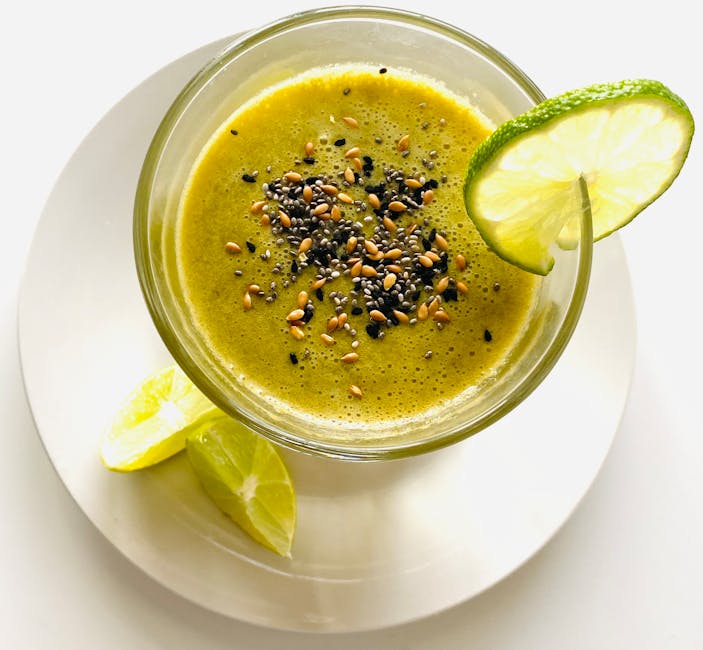
The Green Gut-Healer Smoothie is a nutrient-packed beverage featuring spinach, kale, and other gut-friendly ingredients. This smoothie is crafted to offer detoxifying properties through its rich green content, which may support a balanced digestive system. By understanding the role of these ingredients, one can appreciate the potential benefits they bring to gut health.
6.2 Ingredients and Their Benefits
6.2.1 Spinach: A Powerhouse of Nutrients
Spinach is rich in vitamins, minerals, and fiber, making it a staple in green smoothies. Research suggests that its high fiber content may aid digestion and support regular bowel movements. Additionally, spinach is believed to have anti-inflammatory properties that can contribute to a healthier gut environment.
6.2.2 Kale: The Detoxifying Green
Kale is known for its dense nutrient profile, including vitamins A, C, and K, as well as fiber and antioxidants. It is believed to have detoxifying properties that may help cleanse the digestive system. The inclusion of kale in this smoothie may support the body's natural detoxification processes and promote overall digestive health.
6.2.3 Other Gut-Friendly Ingredients
- Cucumber: Offers hydration and is believed to have soothing effects on the digestive tract.
- Ginger: Known for its potential to aid digestion and reduce gastrointestinal discomfort.
- Avocado: Provides healthy fats and fiber, potentially supporting a smooth digestive process.
- Green Apple: Adds a touch of sweetness and fiber, which may help maintain digestive health.
- Lemon Juice: Aids in detoxification and may help balance stomach acidity.
6.3 Preparation Method
To create the Green Gut-Healer Smoothie, blend the following ingredients until smooth:
- 1 cup of fresh spinach
- 1 cup of kale leaves
- 1/2 cucumber, sliced
- 1/2 inch piece of ginger, peeled
- 1/2 avocado
- 1 green apple, cored and sliced
- Juice of 1/2 lemon
- 1 cup of water or coconut water
Adjust the consistency by adding more water or coconut water as needed. This vibrant green smoothie is not only refreshing but also filled with ingredients that may support gut health.
6.4 Conclusion
The Green Gut-Healer Smoothie is an excellent choice for those looking to incorporate more greens into their diet. By blending together spinach, kale, and other gut-friendly ingredients, this smoothie may offer detoxifying benefits and support a balanced digestive system. As always, individual dietary needs should be considered, and consultation with healthcare professionals is advised when introducing new ingredients into your diet.
7. Tips for Customizing Your Gut-Healthy Smoothies

7.1 Ingredient Substitutions
Customizing your gut-healthy smoothies begins with ingredient substitutions that cater to personal taste preferences and dietary needs. If certain ingredients, such as kale or spinach, are not well-tolerated, consider using milder greens like baby spinach or romaine lettuce, which may be gentler on the digestive system. For those with sensitivities to ginger, try using a pinch of cinnamon or turmeric as an alternative, both of which are also believed to support digestion.
7.2 Boosting Nutritional Content
Enhancing the nutritional profile of your smoothies can be achieved by incorporating additional nutrient-dense ingredients. Adding a tablespoon of chia seeds or flaxseeds can increase fiber content, potentially aiding digestion and promoting regularity. Including a small handful of nuts or seeds, such as almonds or sunflower seeds, may provide healthy fats and proteins that support overall gut health. Consider using fortified plant-based milk instead of water to boost calcium and vitamin D levels, which are essential for overall health.
7.3 Addressing Specific Digestive Concerns
To tailor smoothies to specific digestive issues, focus on ingredients known for their potential benefits in those areas. For example, if bloating is a concern, incorporating papaya or pineapple can be beneficial due to their natural enzymes, papain, and bromelain, respectively, which are believed to aid in digestion. If acid reflux is an issue, consider reducing acidic ingredients like lemon juice and opting for alkaline options like cucumber or celery, which may help balance stomach acidity.
7.4 Personalizing Flavor Profiles
Creating a smoothie that is both gut-friendly and enjoyable involves personalizing its flavor profile. For a sweeter taste without adding sugar, use ripe bananas or dates, which can provide natural sweetness along with fiber and nutrients. For those who prefer a creamier texture, consider adding a small amount of coconut cream or yogurt, which might also introduce beneficial probiotics to support gut health.
7.5 Experimenting with Superfoods
Incorporating superfoods into your smoothies can offer additional health benefits. Ingredients like spirulina, chlorella, or matcha are packed with antioxidants and nutrients and can be blended into smoothies in small amounts. While these superfoods are believed to support detoxification and energy levels, it's essential to start with small quantities to assess individual tolerance.
Overall, customizing your gut-healthy smoothies involves thoughtful ingredient choices, considering individual tolerances, and balancing flavor and nutrition to support your digestive health goals. Always consult with a healthcare professional when making significant dietary changes, especially if you have specific health concerns.
8. Potential Pitfalls and How to Avoid Them

8.1 Overloading on Certain Ingredients
One common mistake when preparing smoothies for digestive health is overloading on certain ingredients. While it's tempting to pack a smoothie with numerous superfoods and nutrient-dense items, this can sometimes lead to an imbalance that might not support optimal digestion. For instance, excessive amounts of fiber-rich ingredients like kale, chia seeds, or flaxseeds can overwhelm the digestive system, potentially leading to bloating or discomfort. To avoid this, it's important to use these ingredients in moderation and to gradually increase fiber intake to allow the digestive system to adjust.
8.2 Ignoring Macronutrient Balance
A well-balanced smoothie should include a healthy mix of macronutrients: carbohydrates, proteins, and fats. Focusing too heavily on one category can lead to digestive issues or may not provide sustained energy. For example, a smoothie that is too high in fruit sugars may cause a rapid spike in blood sugar followed by a crash. To maintain energy levels and support digestion, aim to balance fruit with sources of protein, such as Greek yogurt or protein powders, and healthy fats, like avocado or nut butter.
8.3 Skipping Hydration
Hydration plays a crucial role in digestion, and smoothies can be a great way to contribute to your daily fluid intake. However, relying solely on thick, nutrient-dense ingredients without enough liquid can make the smoothie difficult to digest. To ensure proper hydration, consider using a base of water, coconut water, or a light plant-based milk. This not only aids digestion but can also enhance nutrient absorption.
8.4 Overlooking Food Sensitivities
Food sensitivities can vary greatly among individuals, and overlooking them when creating smoothies might lead to digestive discomfort. Common culprits include dairy, gluten, and certain fruits or vegetables. It's important to be aware of any personal food sensitivities and choose ingredients accordingly. Substituting with alternatives like almond milk for dairy or oats for gluten-containing grains can help prevent adverse reactions.
8.5 Failing to Listen to Your Body
Each person's digestive system is unique, and what works for one individual may not work for another. Failing to listen to your body's responses to different ingredients can hinder your digestive health journey. Pay attention to how your body reacts after consuming smoothies and make adjustments as needed. If certain ingredients consistently cause discomfort, consider eliminating them or consulting with a healthcare professional to explore other options.
By being mindful of these potential pitfalls and taking steps to avoid them, you can create smoothies that not only taste great but also support your digestive health. Remember, the key is balance and listening to your body's needs.
9. Long-Term Benefits of Incorporating Smoothies into Your Diet
9.1 Enhancing Digestive Health
Incorporating gut-friendly smoothies into your diet on a regular basis can play a significant role in enhancing digestive health over the long term. These smoothies often contain a blend of fiber-rich fruits and vegetables, probiotics, and prebiotics, all of which are known to support a healthy gut microbiome. Research suggests that a balanced gut microbiota contributes to better digestion, nutrient absorption, and overall gastrointestinal function.
9.2 Supporting Nutrient Intake
Smoothies provide an efficient way to increase your daily intake of essential nutrients. By including a variety of fruits, vegetables, and other nutrient-dense ingredients, smoothies can help fill nutritional gaps in your diet. Consistent consumption of such nutrient-rich beverages may support overall health and vitality, as well as reduce the risk of nutrient deficiencies.
9.3 Promoting Consistent Energy Levels
Regularly consuming smoothies that are balanced in macronutrients—carbohydrates, proteins, and fats—can help maintain steady energy levels throughout the day. By avoiding drastic spikes and crashes in blood sugar, you may experience more sustained energy, which is crucial for daily activities and mental alertness. This balance is especially important for those managing GERD, as energy stability can influence overall well-being.
9.4 Encouraging Hydration
Staying well-hydrated is vital for digestive health and overall bodily functions. Smoothies, particularly those with a base of water or light plant-based milk, contribute to your daily fluid intake, supporting hydration. Proper hydration can aid digestion, improve skin health, and enhance cognitive function, making it a key component of a healthy lifestyle.
9.5 Fostering Healthy Dietary Habits
Incorporating smoothies into your daily routine can foster healthier dietary habits over time. As you become accustomed to including a variety of fruits, vegetables, and healthy fats in your diet, you may find yourself making better food choices overall. This shift towards more mindful eating can have lasting effects on your health, potentially leading to improved weight management and reduced risk of chronic diseases.
Overall, the long-term benefits of regularly consuming gut-friendly smoothies extend beyond just digestive health. By supporting nutrient intake, energy levels, hydration, and healthy dietary habits, smoothies can contribute significantly to overall well-being and quality of life. As with any dietary change, it's important to listen to your body and adjust your smoothie ingredients to suit your individual health needs.