
1. Understanding Upper Stomach Pain
1.1 Anatomy of the Upper Stomach Region
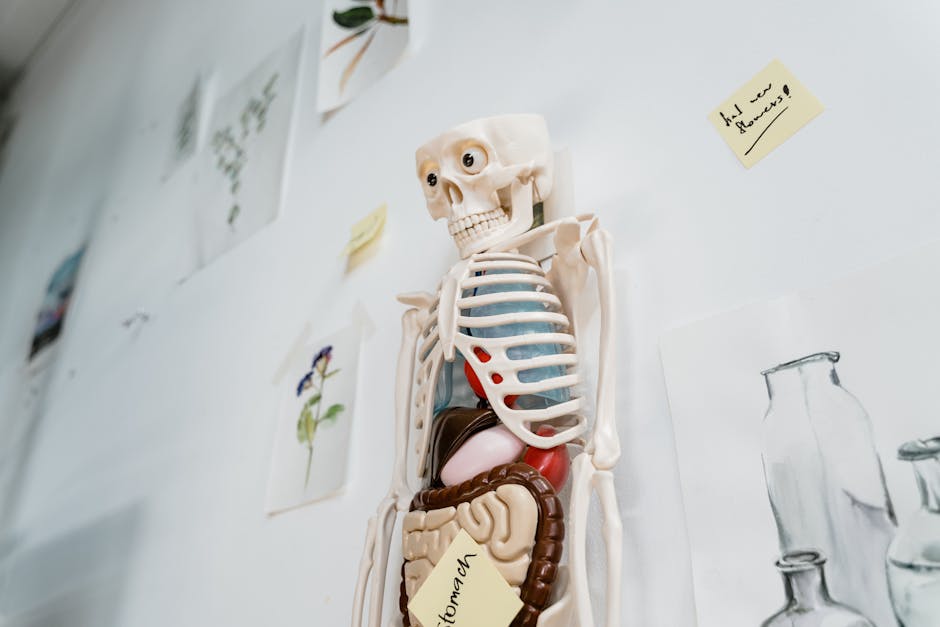
The upper stomach, a crucial part of the digestive system, is located just below the rib cage. It includes the stomach itself, the lower part of the esophagus, and the beginning of the small intestine. This area is also home to the liver, pancreas, and gallbladder, all of which play vital roles in digestion and metabolism. Understanding the anatomy of this region is essential to identifying potential sources of pain.
1.2 Common Causes of Upper Stomach Pain
Upper stomach pain can arise from a variety of conditions. The most common cause is indigestion, which can result from overeating, consuming fatty or spicy foods, or eating too quickly. Another frequent culprit is gastroesophageal reflux disease (GERD), where stomach acid flows back into the esophagus, causing irritation and discomfort.
Other potential causes include:
- Peptic Ulcers: Sores that develop on the stomach lining, often due to an infection with Helicobacter pylori bacteria or long-term use of nonsteroidal anti-inflammatory drugs (NSAIDs).
- Gallstones: Hardened deposits in the gallbladder that can block the bile duct, leading to severe pain.
- Pancreatitis: Inflammation of the pancreas, which can be acute or chronic, often related to alcohol consumption or gallstones.
- Functional Dyspepsia: Persistent pain or discomfort in the upper stomach with no identifiable cause, sometimes linked to stress or dietary habits.
1.3 The Role of Lifestyle and Diet
Lifestyle and dietary habits play a significant role in the occurrence and management of upper stomach pain. High-fat meals, excessive caffeine or alcohol intake, and smoking are known to exacerbate symptoms. Additionally, stress and lack of physical activity may contribute to digestive discomfort. Research suggests that adopting a balanced diet and maintaining a healthy lifestyle may support digestive health and reduce the incidence of upper stomach pain.
1.4 When to Seek Professional Advice
While occasional upper stomach pain may not be a cause for concern, persistent or severe pain warrants professional evaluation. Symptoms such as unexplained weight loss, difficulty swallowing, or bloody stools should prompt a visit to a healthcare provider. Early intervention can help identify underlying conditions and prevent potential complications.
2. Common Causes of Upper Stomach Pain After Meals

2.1 Indigestion: The Role of Digestive Enzymes
Indigestion, or dyspepsia, is one of the most common causes of upper stomach pain after meals. It is believed to occur when the digestive system struggles to process certain foods, often due to overeating or consuming rich, fatty, or spicy meals. The physiological mechanism behind indigestion involves the inadequate production or function of digestive enzymes, which are crucial for breaking down food substances into absorbable nutrients. This inefficiency can lead to discomfort, bloating, and pain in the upper stomach area.
2.2 Gastritis: Inflammation of the Stomach Lining
Gastritis is another frequent cause of upper stomach pain post-meals, characterized by the inflammation of the stomach lining. It is often triggered by factors such as infection with Helicobacter pylori bacteria, excessive alcohol consumption, or prolonged use of NSAIDs. The inflammation can disrupt the stomach's normal functioning, leading to pain and discomfort. Research suggests that the irritation of the stomach lining may also increase the production of gastric acid, exacerbating the symptoms after meals.
2.3 Peptic Ulcers: The Impact of Stomach Acid on Ulceration
Peptic ulcers are sores that develop on the lining of the stomach or the upper part of the small intestine. They are commonly associated with Helicobacter pylori infection or the chronic use of NSAIDs. The physiological mechanism involves the erosion of the protective mucous layer of the stomach, allowing stomach acid to damage the underlying tissue. This damage is believed to cause a burning pain in the upper stomach, which can intensify after eating as the stomach produces more acid to aid digestion.
2.4 Gallstones: Biliary Colic and Meal-Induced Pain
Gallstones can also lead to upper stomach pain after meals. These hardened deposits form in the gallbladder and can block the bile duct, causing a condition known as biliary colic. The pain typically occurs after eating fatty meals, as the gallbladder contracts to release bile, which is essential for fat digestion. This contraction against a blocked duct can cause intense pain in the upper stomach area, often radiating to the back or right shoulder.
2.5 Functional Dyspepsia: The Mystery of Unexplained Pain
Functional dyspepsia is characterized by persistent upper stomach pain with no identifiable medical cause. This condition is thought to be linked to abnormal muscle contractions in the stomach wall or heightened sensitivity to stomach stretching. After meals, these physiological responses may be exaggerated, leading to pain and discomfort. While the exact cause remains unknown, stress and dietary habits are believed to play a significant role in the manifestation of symptoms.
3. Serious Conditions Linked to Upper Stomach Pain

3.1 Gallstones: Severe Biliary Colic
Gallstones are a significant cause of severe upper stomach pain, particularly after consuming meals high in fat. These hardened deposits may block the bile duct, leading to biliary colic, a condition characterized by intense, sharp pain. This pain typically manifests in the upper right abdomen and may radiate to the back or right shoulder. Gallstones can be asymptomatic, but when symptomatic, they require prompt medical evaluation to prevent complications such as cholecystitis or pancreatitis.
3.2 Pancreatitis: Acute and Chronic Inflammation
Pancreatitis, the inflammation of the pancreas, can lead to severe upper stomach pain after meals. The condition can be acute or chronic, with acute pancreatitis often resulting in sudden, severe pain that may be accompanied by nausea and vomiting. Chronic pancreatitis may present with persistent pain and digestive issues due to the pancreas' impaired ability to produce enzymes. Both forms of pancreatitis are serious and require immediate medical attention to manage symptoms and prevent further damage.
3.3 Gastric Cancer: Recognizing Alarming Symptoms
While less common, gastric cancer can also cause upper stomach pain. This pain might be persistent and worsen after meals. Symptoms that warrant immediate medical evaluation include unintended weight loss, persistent nausea or vomiting, difficulty swallowing, and the presence of blood in stools or vomit. Early detection is crucial for effective management, as gastric cancer can progress rapidly if left untreated.
3.4 Peptic Ulcer Complications: Perforation and Bleeding
Complications from peptic ulcers, such as perforation or bleeding, can result in severe upper stomach pain. A perforated ulcer creates a hole in the stomach wall, leading to sudden, intense pain and requiring emergency medical intervention. Bleeding ulcers may present with symptoms like black or bloody stools and can lead to anemia. Both scenarios are medical emergencies and highlight the importance of prompt medical attention for persistent or severe symptoms.
3.5 Appendicitis: Sudden and Severe Onset
Though typically associated with lower abdominal pain, appendicitis can initially cause pain near the upper stomach, especially in its early stages. This condition involves the inflammation of the appendix and requires urgent medical attention to prevent rupture. Symptoms often include sudden, intense pain that worsens with movement, nausea, and fever.
Recognizing the signs of these serious conditions is crucial for timely intervention. Individuals experiencing severe, persistent, or worsening upper stomach pain after meals should seek medical evaluation to rule out these potential health issues. Early diagnosis and management can significantly improve outcomes and prevent further complications.
4. Diagnosing the Cause of Stomach Pain

Determining the cause of upper stomach pain involves a comprehensive approach by healthcare professionals, utilizing a variety of diagnostic tools and techniques. This process aims to identify the underlying conditions contributing to the symptoms, enabling appropriate management and treatment strategies. The following are common diagnostic procedures employed to assess stomach pain:
4.1 Imaging Tests
Imaging tests play a crucial role in the diagnosis of upper stomach pain. These tests provide visual insights into the abdominal structures, helping to identify abnormalities or blockages. Common imaging tests include:
- Ultrasound: This non-invasive test uses sound waves to create images of the abdominal organs, often used to detect gallstones or inflammation.
- CT Scan: A computed tomography (CT) scan offers detailed cross-sectional images of the abdominal area, which can help identify conditions such as pancreatitis, tumors, or abscesses.
- MRI: Magnetic resonance imaging (MRI) provides high-resolution images and is particularly useful for examining soft tissues and detecting liver or pancreatic issues.
4.2 Endoscopy
Endoscopy is a procedure that allows direct visualization of the gastrointestinal tract. It is particularly useful for diagnosing conditions affecting the stomach lining, esophagus, and duodenum. During an endoscopy:
- A flexible tube with a camera, known as an endoscope, is inserted through the mouth to examine the upper digestive tract.
- Healthcare professionals can identify ulcers, inflammation, or tumors and may take biopsies for further analysis.
- Endoscopy can also assist in identifying sources of bleeding or obstructions.
4.3 Laboratory Analyses
Laboratory tests are essential in diagnosing the cause of stomach pain, as they provide data on the body's internal processes. Common laboratory analyses include:
- Blood Tests: These tests can detect signs of infection, inflammation, anemia, or other metabolic disorders that may contribute to stomach pain.
- Stool Tests: Analysis of stool samples can reveal the presence of blood, bacteria, or parasites, indicating gastrointestinal infections or conditions.
- Helicobacter pylori Testing: Specific tests can identify the presence of H. pylori bacteria, a common cause of ulcers and stomach pain.
4.4 Other Diagnostic Procedures
In addition to imaging, endoscopy, and laboratory tests, other diagnostic procedures may be employed based on the patient's symptoms and medical history:
- Barium Swallow: This test involves swallowing a barium solution, which coats the esophagus and stomach lining, allowing for detailed X-ray images.
- Esophageal Manometry: This test measures the pressure and movements of the esophagus, helping diagnose conditions like GERD or motility disorders.
- 24-hour pH Monitoring: This test measures the acidity levels in the esophagus over 24 hours, assisting in the diagnosis of acid reflux disease.
Through these diagnostic procedures, healthcare professionals can accurately identify the cause of upper stomach pain, facilitating targeted treatment plans. Early and precise diagnosis is vital in managing symptoms effectively and preventing potential complications.
5. Treatment Options for Upper Stomach Pain

Upper stomach pain can stem from a variety of causes, each requiring a tailored approach to treatment. Evidence-based strategies encompass lifestyle modifications, dietary changes, medications, and in some cases, surgical interventions. Understanding these options can help individuals manage their symptoms more effectively.
5.1 Lifestyle Modifications
Adopting certain lifestyle changes can significantly alleviate upper stomach pain, especially when related to conditions such as GERD or stress-related gastritis. Research suggests that the following modifications may support symptom relief:
- Weight Management: Maintaining a healthy weight can reduce pressure on the abdominal area, potentially lessening symptoms of acid reflux.
- Stress Reduction: Techniques such as yoga, meditation, or deep-breathing exercises may help manage stress, which is believed to exacerbate stomach pain.
- Smoking Cessation: Quitting smoking is advised, as it can irritate the stomach lining and increase acid production.
5.2 Dietary Changes
Diet plays a crucial role in managing upper stomach pain. Certain foods are known to trigger or worsen symptoms, while others may be soothing. Suggested dietary changes include:
- Avoiding Trigger Foods: It is recommended to avoid foods high in fat, caffeine, and spices, as they may aggravate the stomach lining.
- Eating Smaller Meals: Consuming smaller, more frequent meals can prevent overloading the stomach and reduce acid reflux incidents.
- Incorporating Fiber: A diet rich in fiber is believed to aid digestion and prevent constipation, which can contribute to abdominal discomfort.
5.3 Medications
Several medications are available that may help alleviate upper stomach pain, depending on the underlying cause:
- Antacids: These can neutralize stomach acid and provide quick relief for acid-related pain.
- Proton Pump Inhibitors (PPIs): PPIs reduce stomach acid production and are often used for chronic conditions like GERD.
- H2 Receptor Blockers: These medications are believed to decrease acid production and can be effective in treating ulcers or gastritis.
5.4 Surgical Interventions
In cases where lifestyle changes and medications do not provide sufficient relief, or when structural issues are present, surgical interventions may be considered. Common procedures include:
- Fundoplication: This surgery is often performed to treat GERD and involves wrapping the top of the stomach around the lower esophagus to strengthen the sphincter.
- Gallbladder Removal: If gallstones are causing pain, a cholecystectomy may be necessary to remove the gallbladder.
- Endoscopic Procedures: Minimally invasive endoscopic techniques can address issues like ulcers or bleeding in the stomach.
By exploring these treatment options, individuals experiencing upper stomach pain can work with healthcare professionals to develop a comprehensive and effective management plan. It is essential to tailor strategies to the specific cause and severity of the condition, ensuring optimal outcomes and improved quality of life.
6. When to Seek Medical Attention

Understanding when to seek medical attention for upper stomach pain is crucial for ensuring timely and appropriate care. While many instances of stomach discomfort can be managed with lifestyle changes and over-the-counter medications, certain symptoms may indicate a more serious condition requiring professional evaluation.
6.1 Recognizing Urgent Symptoms
There are specific warning signs that should prompt immediate medical consultation. These symptoms may suggest potentially life-threatening conditions that need urgent attention:
- Severe Abdominal Pain: Intense pain that does not subside or worsens over time can be a sign of a serious problem, such as appendicitis or a perforated ulcer.
- Vomiting Blood: The presence of blood in vomit, which may appear red or have a coffee-ground appearance, could indicate gastrointestinal bleeding.
- Black or Tarry Stools: This may be a sign of bleeding in the stomach or intestines and warrants prompt medical evaluation.
- Unexplained Weight Loss: Significant weight loss without changes in diet or exercise can be a symptom of underlying health issues, including cancer.
6.2 Persistent Symptoms
In addition to urgent symptoms, certain persistent conditions may require medical assessment to determine the underlying cause and appropriate treatment:
- Chronic Indigestion: Ongoing indigestion or heartburn that does not improve with over-the-counter treatments should be evaluated for conditions like GERD or gastritis.
- Frequent Nausea or Vomiting: Regular episodes of nausea or vomiting can indicate various gastrointestinal issues that need medical investigation.
- Bloating and Abdominal Distension: Persistent bloating or a feeling of fullness may be linked to digestive disorders or food intolerances.
6.3 Associated Symptoms
Some symptoms, when occurring alongside stomach pain, can be indicative of serious health concerns and should not be ignored:
- Fever: A high fever accompanying stomach pain can be a sign of infection or inflammation, requiring medical attention.
- Difficulty Breathing: Experiencing shortness of breath along with abdominal discomfort could suggest a complication like a heart attack or pulmonary embolism.
- Yellowing of the Skin or Eyes: Jaundice, characterized by yellowing, may indicate liver or gallbladder issues that need immediate evaluation.
By recognizing these warning signs and understanding when to seek medical attention, individuals can ensure they receive timely and appropriate care, potentially preventing complications and improving outcomes. It is essential to consult healthcare providers for personalized advice based on individual health needs and symptoms.
7. Preventive Measures and Lifestyle Adjustments

Preventing upper stomach pain often involves a combination of dietary choices, stress management, and lifestyle changes. While these measures are not a cure, they can help minimize the risk of recurrent discomfort and improve overall digestive health. This section explores practical strategies that research suggests may support stomach health and reduce pain episodes.
7.1 Dietary Choices for Stomach Health
Diet plays a significant role in digestive health and can impact the frequency and severity of stomach pain. Making informed food choices may support a healthy stomach environment and prevent discomfort:
- Avoid Trigger Foods: Common trigger foods include spicy dishes, acidic foods like citrus and tomatoes, and high-fat meals. Identifying and avoiding these can reduce irritation and pain.
- Incorporate Fiber-Rich Foods: A diet high in fiber, including fruits, vegetables, and whole grains, may promote healthy digestion and prevent constipation, a common cause of abdominal pain.
- Stay Hydrated: Adequate water intake is essential for digestive function, helping to prevent bloating and promoting regular bowel movements.
7.2 Stress Management Techniques
Stress is believed to exacerbate stomach issues by affecting digestion and increasing sensitivity to pain. Implementing stress management techniques may help alleviate some symptoms associated with stomach discomfort:
- Practice Mindfulness: Mindfulness and meditation can reduce stress and promote relaxation, which may help decrease stomach pain frequency.
- Engage in Regular Physical Activity: Exercise is known to relieve stress and improve digestion. Activities like walking, yoga, or swimming can be beneficial.
- Ensure Adequate Rest: Quality sleep is crucial for managing stress and supporting overall health, including digestive function.
7.3 Additional Lifestyle Modifications
Beyond diet and stress management, other lifestyle adjustments may support stomach health and reduce pain episodes:
- Maintain a Healthy Weight: Excess weight, particularly around the abdomen, can increase pressure on the stomach and contribute to conditions like GERD.
- Avoid Smoking and Limit Alcohol: Smoking and excessive alcohol consumption can irritate the stomach lining and exacerbate upper stomach pain.
- Eat Smaller, More Frequent Meals: Smaller meals can reduce stomach pressure and help prevent symptoms like bloating and indigestion.
Incorporating these preventive measures into daily routines may not only help in managing upper stomach pain but also contribute to long-term digestive health. It is important for individuals to consult healthcare providers for personalized recommendations tailored to their specific health needs.
8. Conclusion: Achieving Long-Term Relief

Achieving long-term relief from upper stomach pain involves a multifaceted approach, focusing on understanding personal triggers and implementing lifestyle changes. While complete prevention of symptoms may not always be possible, individuals can take proactive steps to manage and reduce discomfort.
8.1 Understanding Your Body
One of the key takeaways is the importance of being attuned to your body's signals. Recognizing patterns in symptoms and identifying potential triggers can empower individuals to make informed decisions about their health. This personalized understanding allows for the development of tailored strategies that address specific needs and promote digestive wellness.
8.2 Seeking Professional Guidance
While self-management strategies are valuable, consulting with healthcare professionals remains a crucial component of achieving long-term relief. Healthcare providers can offer insights into potential underlying conditions and recommend appropriate interventions. Regular check-ups and open communication with medical professionals ensure that any changes in symptoms are addressed promptly, minimizing the risk of complications.
8.3 Commitment to Lifestyle Adjustments
Long-term relief is often supported by a commitment to sustained lifestyle changes. Research suggests that dietary modifications, stress management, and other lifestyle adjustments can significantly influence digestive health. By integrating these practices into daily life, individuals may experience fewer episodes of discomfort and enhanced overall well-being.
Ultimately, the journey to achieving long-term relief from upper stomach pain is personal and ongoing. It requires a balance of self-awareness, professional support, and a dedication to healthy living. By embracing this comprehensive approach, individuals can work towards maintaining a healthier digestive system and improving their quality of life.