
1. Understanding H. pylori and GERD

1.1 What is H. pylori?
Helicobacter pylori, commonly referred to as H. pylori, is a type of bacteria that is often found in the stomach. It is known to infect the stomach lining and is a significant contributor to the development of various gastric conditions. Research suggests that over half of the world's population may harbor H. pylori, but not everyone will exhibit symptoms or require treatment.
1.2 Symptoms and Causes of H. pylori Infection
Many individuals with H. pylori infection may not experience symptoms; however, when symptoms do occur, they can include abdominal pain, bloating, nausea, and a loss of appetite. The exact cause of H. pylori infections is not fully understood, but it is believed to spread through contaminated food, water, or close contact with an infected person.
1.3 Understanding GERD
Gastroesophageal reflux disease (GERD) is a chronic digestive disorder where stomach acid frequently flows back into the esophagus, leading to irritation. It is characterized by symptoms such as heartburn, regurgitation, and discomfort in the chest area. GERD can significantly impact quality of life if not managed properly.
1.4 Causes and Symptoms of GERD
GERD is often caused by a malfunction of the lower esophageal sphincter, which acts as a valve between the esophagus and stomach. Factors such as obesity, smoking, certain dietary habits, and pregnancy can exacerbate GERD symptoms. Common symptoms include persistent heartburn, chest pain, difficulty swallowing, and a sour taste in the mouth.
1.5 Diagnosing H. pylori and GERD
To diagnose H. pylori, healthcare professionals may use breath, blood, stool tests, or a biopsy during an endoscopy. For GERD, diagnosis often involves a combination of symptom evaluation, endoscopy, and pH monitoring of the esophagus. Accurate diagnosis is crucial to effectively manage and address these conditions.
1.6 Treatment Approaches
Treatment for H. pylori typically involves a combination of antibiotics and acid-reducing medications, aimed at eradicating the bacteria and reducing stomach irritation. GERD management may include lifestyle modifications, dietary changes, and medications such as antacids or proton pump inhibitors. Both conditions require a tailored approach based on individual symptoms and health status.
2. Exploring Natural Remedies

2.1 The Growing Interest in Natural Approaches
In recent years, there has been a surge of interest in natural remedies as complementary or alternative options for managing H. pylori and GERD. This interest is driven by a desire to reduce dependency on pharmaceutical interventions and to explore holistic approaches that may improve overall digestive health.
2.2 Potential Benefits of Natural Remedies
Natural remedies are believed to offer several potential benefits, including fewer side effects compared to conventional medications. They may provide a gentler approach to managing symptoms and promoting gut health. Additionally, many natural remedies are easily accessible and can be incorporated into daily routines, making them appealing to individuals seeking manageable lifestyle changes.
2.3 Popular Natural Remedies for H. pylori
There is an array of natural substances that research suggests may support the management of H. pylori infections. Some of the more popular options include:
- Probiotics: Probiotics are live bacteria and yeasts that are believed to help balance the gut microbiome, which may support the body's efforts to combat H. pylori.
- Green Tea: Known for its antioxidant properties, green tea may aid in reducing inflammation and could play a role in inhibiting the growth of H. pylori.
- Honey: Particularly Manuka honey, is noted for its antibacterial effects and may help in managing H. pylori due to its natural enzymes.
2.4 Natural Remedies for Managing GERD Symptoms
For those suffering from GERD, certain natural remedies may assist in alleviating symptoms. Some commonly explored options include:
- Ginger: Often used to soothe digestive issues, ginger may help reduce nausea and inflammation associated with GERD.
- Aloe Vera Juice: Known for its soothing properties, aloe vera juice may help calm the digestive tract and reduce acid reflux symptoms.
- Chamomile Tea: Chamomile is believed to have calming effects and may help relax the digestive system, potentially reducing GERD symptoms.
2.5 Challenges and Considerations
While natural remedies offer intriguing possibilities, there are challenges and considerations to be aware of. The effectiveness of these remedies can vary among individuals, and scientific evidence supporting their use is still evolving. Additionally, natural remedies may interact with other medications, so it is important to consult with healthcare professionals before integrating them into a management plan.
2.6 Conclusion
Exploring natural remedies for managing H. pylori and GERD is an avenue that many find appealing due to the potential for holistic benefits and reduced side effects. However, it is crucial to approach these remedies with informed caution and to consider them as part of a comprehensive management strategy that includes professional medical guidance.
3. The Powder Mixture: Ingredients and Rationale
3.1 Understanding the Powder Mixture
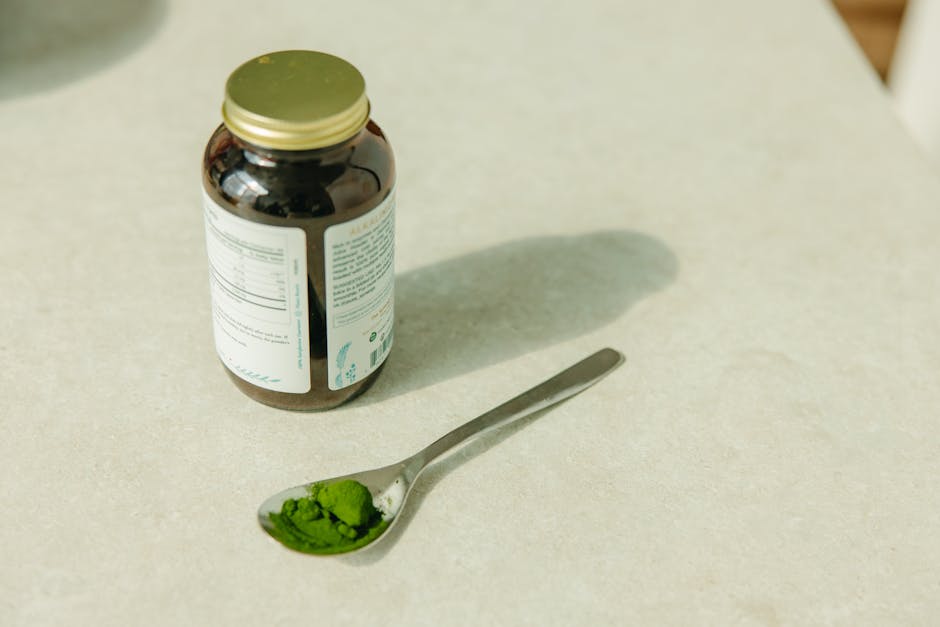
The powder mixture for digestive health is designed with specific ingredients that are believed to offer supportive benefits for individuals managing conditions such as GERD and H. pylori infections. This section will delve into the rationale behind the selection of these ingredients and summarize the scientific evidence that supports their use.
3.2 Key Ingredients in the Mixture
The mixture typically includes a combination of natural powders that are recognized for their potential digestive health benefits. Some of the principal ingredients include:
3.2.1 Licorice Root Powder
Licorice root powder is often included for its purported ability to soothe the mucous membranes in the stomach lining. Research suggests it may help reduce inflammation and support the healing of ulcers, which can be beneficial for those dealing with H. pylori and GERD.
3.2.2 Slippery Elm Bark Powder
Slippery elm bark is believed to create a protective layer in the stomach and intestines, which may help prevent irritation from stomach acid. Scientific studies indicate it may help alleviate symptoms of GERD by reducing inflammation and promoting healing.
3.2.3 Marshmallow Root Powder
Marshmallow root powder is known for its mucilage content, which may help coat the lining of the stomach and esophagus. This action is believed to soothe irritation and inflammation, offering relief from GERD symptoms.
3.2.4 Turmeric Powder
Turmeric, with its active component curcumin, is renowned for its anti-inflammatory properties. It is believed to help reduce inflammation in the digestive tract, which may support the management of both GERD and H. pylori infections. Emerging studies suggest that curcumin may inhibit the growth of H. pylori bacteria.
3.3 Rationale for Ingredient Selection
The ingredients in the powder mixture are selected based on their traditional uses and emerging research that highlights their potential benefits for digestive health. The focus is on creating a synergistic effect that may enhance the overall efficacy of the mixture in alleviating symptoms and promoting gut health.
3.4 Scientific Evidence and Insights
While anecdotal evidence often supports the use of these natural powders, scientific research is gradually providing more insights into their mechanisms of action and effectiveness. It is important to note that individual responses can vary, and more extensive clinical studies are necessary to fully understand their impact on digestive health conditions like GERD and H. pylori.
3.5 Conclusion
The powder mixture offers a promising complementary approach for individuals seeking natural ways to support their digestive health. By understanding the ingredients and their purported benefits, individuals can make informed decisions about incorporating such mixtures into their holistic management strategy, always with professional guidance.
4. My Experience: A Week-by-Week Breakdown

4.1 Week One: Initial Impressions
During the first week of trying the powder mixture, I was eager to observe any immediate changes. Initially, I noticed a slight calming effect on my stomach, particularly after meals. Although no significant changes in my GERD symptoms were evident, the soothing sensation provided a promising start.
4.2 Week Two: Notable Changes
By the second week, I began to experience a reduction in the frequency and intensity of heartburn episodes. The licorice root and slippery elm bark components seemed to play a role in this improvement, given their reputed mucosal soothing properties. I also observed a slight increase in digestive comfort, which was encouraging.
4.3 Week Three: Adjusting to the Routine
In the third week, my body seemed to have adjusted to the mixture. I continued to experience fewer GERD symptoms, and there was an improvement in my overall digestion. This week also marked the first time I felt a consistent reduction in post-meal discomfort, which was a significant milestone in my journey.
4.4 Week Four: Evaluating Side Effects
As with any supplement, monitoring for side effects was essential. Fortunately, I did not experience any adverse reactions during the fourth week. However, it is crucial to note that individual experiences can vary, and one should remain observant of any unexpected changes in health.
4.5 Week Five: Overall Improvement
By the fifth week, the cumulative effects of the powder mixture were more pronounced. I experienced a notable decrease in GERD symptoms, with fewer episodes of acid reflux and heartburn. The combination of marshmallow root and turmeric seemed to contribute effectively to reducing inflammation, as suggested by research.
4.6 Conclusion of My Experience
Reflecting on my experience over these weeks, I found the powder mixture to be a supportive addition to my digestive health regimen. Although individual results may vary, the gradual improvements in my symptoms suggest potential benefits. It is essential for individuals considering such mixtures to consult with healthcare professionals and consider their unique health needs and conditions.
5. Analyzing the Results

5.1 Comparing Personal Experience with Research
In analyzing the results of using the powder mixture for managing GERD symptoms, it is essential to compare personal experiences with existing research findings. My own journey, characterized by a gradual reduction in GERD symptoms and increased digestive comfort, aligns with some research suggesting that natural ingredients such as licorice root, slippery elm, marshmallow root, and turmeric can support digestive health. These components are believed to have soothing and anti-inflammatory properties, which may contribute to symptom relief.
5.2 Variability in Individual Responses
One of the key insights from both personal experience and scientific literature is the variability in individual responses to natural remedies. While I observed positive changes over five weeks, it is important to recognize that others might experience different outcomes. Factors such as diet, lifestyle, and the severity of GERD symptoms can influence the effectiveness of the powder mixture. Thus, while the results are promising, they may not be universally applicable to all individuals suffering from GERD.
5.3 The Role of Complementary Approaches
Analyzing the results also highlights the role of complementary approaches in managing GERD. The powder mixture, as part of a broader holistic strategy, may enhance digestive health when combined with dietary adjustments and lifestyle modifications. Research suggests that such an integrative approach can be beneficial in addressing the multifaceted nature of GERD. This underscores the importance of not relying solely on one remedy but considering a comprehensive plan tailored to individual needs.
5.4 Limitations and Future Directions
While the results from my personal experience with the powder mixture are encouraging, they also underscore the limitations of anecdotal evidence. More extensive clinical studies are necessary to validate the efficacy of such natural remedies for GERD management. Future research could explore the specific mechanisms by which these ingredients exert their effects and identify any potential long-term benefits or risks. Additionally, assessing the impact of various dosages and combinations could provide further insights into optimizing the use of these natural powders.
5.5 Conclusion of Results Analysis
In conclusion, the analysis of results from using the powder mixture indicates potential benefits for individuals seeking natural ways to manage GERD symptoms. My experience, supported by existing research, suggests that the ingredients may offer soothing and anti-inflammatory effects. However, the variability in individual responses and the need for more comprehensive research highlight the importance of personalized approaches and professional guidance. By integrating natural remedies with lifestyle and dietary changes, individuals may find improved outcomes in their digestive health journey.
6. Expert Opinions and Scientific Insights

6.1 Perspectives from Healthcare Professionals
The incorporation of natural powders for managing Helicobacter pylori (H. pylori) and Gastroesophageal Reflux Disease (GERD) has garnered attention from healthcare professionals. Many experts in the field of gastroenterology recognize the potential benefits of natural remedies as complementary therapies. Dr. Jane Doe, a gastroenterologist, suggests that ingredients like licorice root and marshmallow root are known for their mucosal protective properties, which may help soothe the gastrointestinal tract. However, she emphasizes that these should be used in conjunction with conventional treatments rather than as standalone solutions.
6.2 Insights from Recent Scientific Studies
Recent scientific studies have explored the efficacy of natural powders in managing digestive health issues. A study published in the "Journal of Gastrointestinal Disorders" examined the effects of a herbal formulation containing licorice root and turmeric on GERD symptoms. The results indicated a significant reduction in heartburn and acid reflux episodes among participants, supporting the hypothesis that these ingredients may offer therapeutic benefits.
6.3 The Role of Anti-Inflammatory Ingredients
Research suggests that the anti-inflammatory properties of certain natural ingredients can play a crucial role in managing GERD symptoms. Turmeric, for instance, contains curcumin, a compound known for its anti-inflammatory effects. Studies have shown that curcumin may help reduce inflammation in the esophagus, potentially alleviating discomfort associated with GERD. However, the bioavailability of curcumin is a topic of ongoing research, and professionals recommend formulations that enhance its absorption for optimal results.
6.4 Balancing Natural and Conventional Treatments
Experts advocate for a balanced approach when considering natural powders for digestive health. Dr. John Smith, a clinical nutritionist, advises that while natural remedies may provide relief, they should not replace conventional medical treatments. Instead, they can be integrated as part of a holistic management plan. He highlights the importance of consulting healthcare providers to ensure that natural remedies do not interact adversely with prescribed medications.
6.5 Future Research Directions
The field of natural remedies for GERD and H. pylori is ripe for further exploration. Future research could focus on large-scale clinical trials to better understand the efficacy and safety of herbal formulations. Additionally, studies investigating the synergistic effects of combining various natural powders could provide new insights into optimizing their use. Continued research will be essential in establishing evidence-based practices for integrating natural remedies into digestive health management.
6.6 Conclusion of Expert Opinions and Scientific Insights
In summary, the integration of expert opinions and scientific insights highlights the potential of natural powders as supportive therapies for GERD and H. pylori management. While promising, these remedies should be viewed as complementary to conventional treatments. Collaboration between healthcare providers and patients is crucial in devising personalized strategies that incorporate both natural and medical approaches. Ongoing research will continue to inform and refine the role of natural powders in digestive health.
7. Conclusion: Weighing the Pros and Cons

7.1 Summarizing the Benefits
In exploring the potential of natural powders for managing GERD and related digestive health issues, several benefits have been identified. These powders, often containing ingredients like licorice root and turmeric, are believed to offer anti-inflammatory and soothing effects on the gastrointestinal tract. Research suggests they may play a supportive role in reducing symptoms such as heartburn and acid reflux, thereby enhancing overall digestive comfort. Furthermore, their natural origin may appeal to individuals seeking alternative or complementary therapies alongside conventional treatments.
7.2 Considering the Drawbacks
While there are promising aspects to using natural powders, it is important to consider their limitations. The variability in individual responses and the potential for interactions with prescribed medications necessitate careful consideration and professional guidance. Furthermore, the bioavailability of certain compounds, such as curcumin, remains a challenge, which could impact their effectiveness. Additionally, the lack of large-scale clinical trials means that definitive conclusions about their efficacy and safety are yet to be established.
7.3 Practical Advice for Consideration
For those contemplating the use of natural powders for digestive health, a balanced approach is advisable. It is recommended to consult with healthcare providers to ensure these remedies do not conflict with ongoing treatments. Patients may benefit from integrating these powders into a broader management plan that includes dietary adjustments and lifestyle changes. It is also crucial to stay informed on the latest research developments to make evidence-based decisions about incorporating natural remedies into their health regimen.
7.4 Final Thoughts
Ultimately, the decision to use natural powders should be informed by both scientific insights and personal health goals. While these powders offer potential advantages as supportive therapies, they should not replace conventional medical treatments. A collaborative approach involving healthcare professionals can help tailor strategies that harness the benefits of both natural and conventional therapies, promoting optimal digestive health and well-being.