
1. Understanding GERD and Its Symptoms

1.1 What is GERD?
Gastroesophageal Reflux Disease, commonly known as GERD, is a chronic digestive condition where stomach acid frequently flows back into the esophagus, the tube connecting the mouth and stomach. This backwash, known as acid reflux, can irritate the lining of the esophagus and lead to various symptoms.
1.2 Common Symptoms of GERD
GERD is characterized by a range of symptoms, with the most common being persistent heartburn and acid reflux. Heartburn is a burning sensation in the chest, often after eating, which might worsen when lying down or bending over. Acid reflux involves the sensation of acid backing up into the throat or mouth, causing a sour or bitter taste.
1.3 Impact of Symptoms on Daily Life
The symptoms of GERD can significantly affect an individual's daily life. Frequent heartburn and acid reflux can lead to discomfort and pain, impacting sleep quality and daily activities. Over time, these symptoms may lead to more serious complications if left unmanaged, such as esophageal damage or respiratory problems.
1.4 Recognizing the Need for Medical Attention
While occasional heartburn is common, persistent symptoms may indicate GERD and require medical evaluation. Individuals experiencing symptoms more than twice a week, or those with severe or alarming symptoms such as difficulty swallowing or unintentional weight loss, are advised to seek professional healthcare guidance.
2. The Role of Herbal Teas in Managing GERD
2.1 Herbal Teas and Digestive Health
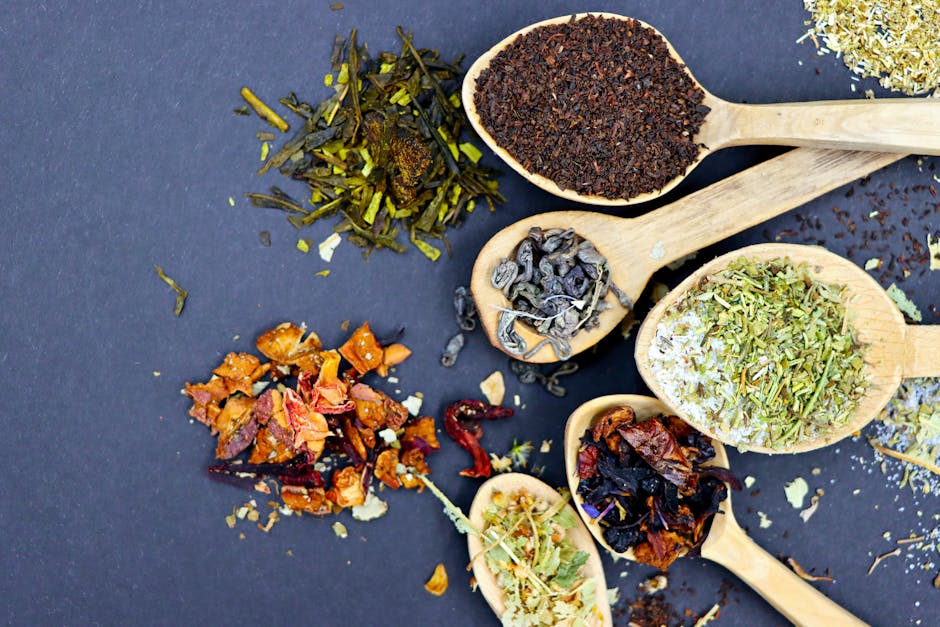
Herbal teas have long been celebrated for their potential to promote digestive health. They are often consumed for their calming effects on the stomach and their ability to reduce digestive discomfort. For individuals dealing with GERD, certain herbal teas may offer a soothing effect on the digestive tract, which can be beneficial in managing symptoms like heartburn and acid reflux.
2.2 Soothing the Digestive Tract
Many herbal teas, such as chamomile and ginger teattps://naturalstomachhealing.store/products/ginger" class="product-link">gingerf="https://naturalstomachhealing.store/products/ginger-tea" class="product-link">ginger tea, are believed to have soothing properties that can help ease irritation in the esophagus and stomach. Research suggests that these teas may play a role in alleviating inflammation and providing a gentle coating to the digestive lining, which may help in reducing the frequency and intensity of acid reflux episodes.
2.3 Reducing Inflammation
Inflammation in the digestive tract can exacerbate GERD symptoms. Herbal teas like licorice roots://naturalstomachhealing.store/products/licorice-root-c-s" class="product-link">licorice root and turmeric have been studied for their anti-inflammatory properties. These teas may support the reduction of inflammation within the gastrointestinal system, potentially leading to an improvement in GERD symptoms and a decrease in the severity of esophageal irritation.
2.4 Promoting Relaxation
Stress and tension can contribute to the worsening of GERD symptoms. Herbal teas such as peppermint and lavender are known for their relaxing properties. Consuming these teas may help in promoting a sense of calm and relaxation, which can be beneficial for individuals whose GERD symptoms are aggravated by stress.
2.5 Scientific Support for Herbal Teas
A growing body of scientific research supports the potential benefits of herbal teas in managing GERD. Studies have indicated that ingredients in certain herbal teas may help in reducing acid production, enhancing digestion, and providing relief from GERD symptoms. However, it is important to note that while these teas can be part of a complementary approach to managing GERD, they should not replace medical treatments prescribed by healthcare professionals.
3. Top Herbal Teas for GERD Relief
3.1 Chamomile Tea
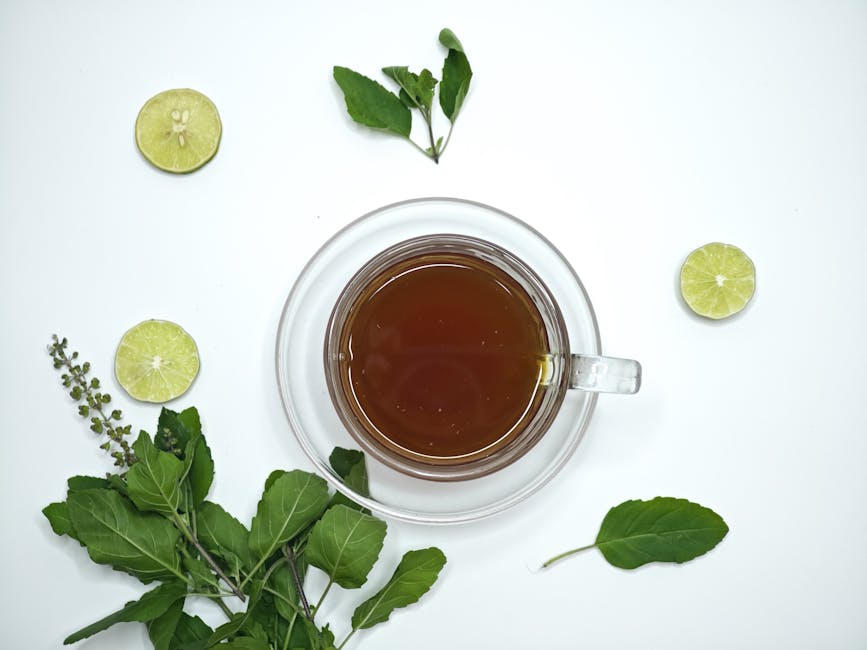
Chamomile tea is renowned for its calming properties, which may be beneficial for individuals experiencing GERD symptoms. Research suggests that chamomile can help reduce inflammation in the digestive tract, potentially easing heartburn and soothing the esophagus. Additionally, its mild sedative effect may promote relaxation, which is helpful for those whose symptoms are exacerbated by stress.
3.2 Ginger Tea
Ginger teattps://naturalstomachhealing.store/products/ginger" class="product-link">Gingerf="https://naturalstomachhealing.store/products/ginger-tea" class="product-link">Ginger tea is often recommended for its potential to support digestive health. It is believed to have anti-inflammatory and antioxidative properties, which may help reduce gastric irritation and acid reflux. Studies indicate that ginger may enhance gastric motility, helping to move food through the stomach more efficiently and reducing the likelihood of acid backup into the esophagus.
3.3 Licorice Root Tea
Licorice roots://naturalstomachhealing.store/products/licorice-root-c-s" class="product-link">Licorice root tea is considered beneficial for soothing the digestive tract due to its potential anti-inflammatory properties. Deglycyrrhizinated licorice (DGL), a form of licorice used in teas, may help protect the esophageal lining by encouraging mucus production, providing a barrier against stomach acid. This protective action may offer relief from GERD symptoms, such as heartburn and indigestion.
3.4 Peppermint Tea
While peppermint tea is known for its soothing effects on the digestive system, it should be consumed with caution by those with GERD. Peppermint may relax the lower esophageal sphincter, potentially allowing stomach acid to flow back into the esophagus. However, for some individuals, the muscle-relaxing properties of peppermint can alleviate digestive spasms and discomfort. It is essential for individuals to monitor their symptoms and determine if peppermint tea is suitable for them.
3.5 Other Beneficial Herbal Teas
Other herbal teas, such as fennel and marshmallow root/naturalstomachhealing.store/products/marshmallow-root-c-s" class="product-link">marshmallow root, are also considered potentially beneficial for GERD relief. Fennel may help regulate digestion and reduce bloating, while marshmallow root/naturalstomachhealing.store/products/marshmallow-root-c-s" class="product-link">marshmallow root is believed to coat the stomach lining, offering protection against acid irritation. These teas can be explored as part of a holistic approach to managing GERD symptoms, keeping in mind individual responses to each herb.
3.6 Considerations and Precautions
While herbal teas can be a soothing addition to a GERD management plan, it is crucial for individuals to approach their use thoughtfully. Each person's response to herbal remedies can vary, and some herbs may interact with medications or exacerbate symptoms. Consulting with a healthcare professional before incorporating herbal teas into a GERD management regimen is advisable to ensure safety and efficacy.
4. Brewing Tips for Maximizing Benefits

4.1 Understanding Water Temperature
The temperature of the water used for brewing herbal teas is crucial for extracting their beneficial compounds. For most herbal teas, water that is just below boiling, around 190-210°F (88-99°C), is considered optimal. This range helps to release the essential oils and active ingredients without damaging the delicate properties of the herbs. It's important to note that overheating can degrade some beneficial compounds, while water that is too cool may not extract enough of the therapeutic benefits.
4.2 Optimal Steeping Time
Steeping time is another critical factor that influences the potency of herbal teas. Generally, herbal teas require a longer steeping time compared to traditional black or green teas. A duration of 5 to 10 minutes is typically recommended to ensure maximum extraction of the herb's active components. Longer steeping times can enhance the strength of the tea, but it's essential to taste periodically to avoid bitterness, especially with stronger herbs like ginger or licorice roots://naturalstomachhealing.store/products/licorice-root-c-s" class="product-link">licorice root.
4.3 Recommended Dosages
While specific dosages can vary based on individual preferences and tolerances, a general guideline is to use about one teaspoon of dried herb per cup of water. Adjusting the amount of herb used can tailor the strength of the brew to personal taste and therapeutic needs. It's important to start with smaller amounts, especially when trying a new herb, to monitor any adverse reactions or interactions with other treatments. As herbal teas are a supplement rather than a replacement for medical treatments, consultation with a healthcare provider is advised to align with any existing health plans.
4.4 Enhancing Flavor and Benefits
To enhance both the flavor and potential benefits of herbal teas, consider adding complementary ingredients such as honey, lemon, or a pinch of cinnamon. These additions can not only improve taste but also provide additional soothing effects. For instance, honey is known for its natural soothing properties, while lemon can add a refreshing citrus note and additional vitamin C. However, when adding ingredients, be mindful of any personal dietary restrictions or allergies.
4.5 Storage and Quality Considerations
Proper storage of herbal teas is essential for maintaining their potency and quality. Herbal teas should be stored in a cool, dark place in airtight containers to protect them from light, air, and moisture, which can degrade both flavor and efficacy. Using fresh, high-quality herbs will result in a more potent brew, so it's beneficial to purchase from reputable sources and check expiration dates regularly. Keeping track of these factors will ensure that your herbal teas are as effective and enjoyable as possible.
5. Incorporating Herbal Teas into Your Daily Routine

5.1 Timing Your Tea Intake
Incorporating herbal teas into your daily routine can support the management of GERD. Research suggests that the timing of tea consumption can play a role in maximizing their benefits. For instance, enjoying a cup of chamomile or ginger teattps://naturalstomachhealing.store/products/ginger" class="product-link">gingerf="https://naturalstomachhealing.store/products/ginger-tea" class="product-link">ginger tea approximately 30 minutes before meals may help prepare the digestive system and potentially alleviate some symptoms associated with GERD. Additionally, sipping on herbal tea in the evening may aid in relaxation and reduce nighttime symptoms, providing a calming end to the day.
5.2 Pairing Herbal Teas with Meals
Pairing herbal teas with meals is believed to complement dietary efforts in managing GERD. For breakfast, consider a light tea such as peppermint, which is thought to aid digestion and provide a refreshing start to the day. For lunch, a cup of fennel tea may support digestion and help reduce bloating. In the evening, a soothing cup of licorice roots://naturalstomachhealing.store/products/licorice-root-c-s" class="product-link">licorice root tea could complement a GERD-friendly dinner, contributing to a more comfortable post-meal experience.
5.3 Integrating into Daily Habits
Creating a consistent routine with herbal teas involves integrating them into your existing daily habits. Begin by identifying times when you naturally pause during the day and incorporate tea breaks during these moments. For example, replacing the afternoon coffee with a calming herbal tea could not only reduce caffeine intake but also provide a soothing ritual. Keeping a variety of herbal teas on hand can add variety and prevent monotony, making the practice more enjoyable and sustainable over time.
5.4 Practical Tips for Consistency
Consistency is key when incorporating herbal teas as part of a GERD management strategy. To ensure regular consumption, consider setting reminders or scheduling specific times for tea breaks in your day. Using a dedicated tea station at home or work can make the process more convenient and enjoyable. Additionally, pre-packaging loose herbs in single-serving sachets can save time and ensure that you always have a portion ready to brew, even on busy days.
5.5 Monitoring Effects and Adjustments
As you integrate herbal teas into your routine, it's important to monitor how they affect your GERD symptoms. Keeping a journal to track which teas you consume and any changes in symptoms can provide valuable insights. This practice may help identify which teas offer the most benefit and if any adjustments are needed. Consulting with a healthcare professional can also provide guidance and ensure that the integration of herbal teas aligns with your overall health plan.
6. Potential Side Effects and Precautions

6.1 Understanding Potential Side Effects
While herbal teas are generally considered safe, it is important to be aware of potential side effects that may arise from their consumption. Some individuals might experience allergic reactions, such as skin irritation or respiratory issues, particularly if they have sensitivities to certain herbs. Additionally, herbal teas like peppermint or spearmint may exacerbate symptoms in some GERD sufferers due to their potential to relax the lower esophageal sphincter. It is crucial to observe how your body reacts and discontinue use if adverse effects occur.
6.2 Recognizing Individual Sensitivities
Individual sensitivities can vary widely, making it essential to pay attention to your body's responses to different herbal teas. Certain herbs, like licorice roots://naturalstomachhealing.store/products/licorice-root-c-s" class="product-link">licorice root, contain compounds that may affect blood pressure when consumed in large amounts. Therefore, individuals with hypertension or related health concerns should approach these teas with caution. Understanding your own health profile and any pre-existing conditions can guide you in selecting the most suitable herbal teas.
6.3 Choosing the Right Herbal Teas
Choosing the right herbal teas involves considering both the potential benefits and the possible risks associated with each herb. Opting for teas that have been researched and shown to support digestive health, such as chamomile or ginger, may be beneficial for those managing GERD. Consulting with a healthcare professional or a knowledgeable herbalist can provide guidance tailored to your specific needs and health goals. Additionally, selecting organic, high-quality teas from reputable sources can further ensure their safety and effectiveness.
6.4 When to Consult a Healthcare Professional
Consulting a healthcare professional is advisable when incorporating herbal teas into your GERD management plan, especially if you are experiencing persistent or severe symptoms. A healthcare provider can help determine if herbal teas are appropriate for you and suggest alternatives if necessary. They can also offer advice on potential interactions between herbal teas and any medications you may be taking. This collaborative approach can help ensure that your use of herbal teas is both safe and beneficial.
6.5 Precautions for Safe Consumption
To safely enjoy herbal teas, certain precautions should be taken. Start by introducing new teas gradually to monitor any adverse reactions. Avoid excessive consumption, as even beneficial herbs can cause negative effects if taken in large quantities. Stay informed about the specific properties of the herbs you are consuming, and keep track of any changes in your symptoms. Being mindful of these precautions can help you reap the benefits of herbal teas while minimizing potential risks.
7. Evidence-Based Success Stories

7.1 Individual Experiences with Herbal Teas
In recent years, many individuals have shared their personal experiences of managing GERD symptoms through the inclusion of herbal teas in their daily routines. These stories, while anecdotal, provide valuable insights into how others have navigated their journey towards better digestive health. For instance, some individuals have reported significant relief from heartburn and acid reflux after incorporating chamomile tea into their evening routine, attributing its calming properties to their improved condition.
7.2 Case Studies Highlighting Herbal Tea Benefits
Several case studies have been documented where individuals with chronic GERD symptoms have found relief through consistent use of specific herbal teas. One such case involved a participant who experienced a notable reduction in acid reflux episodes after introducing ginger teattps://naturalstomachhealing.store/products/ginger" class="product-link">gingerf="https://naturalstomachhealing.store/products/ginger-tea" class="product-link">ginger tea into their diet. The anti-inflammatory properties of ginger were believed to play a role in soothing the gastrointestinal tract, contributing to this positive outcome.
7.3 Testimonials from GERD Sufferers
Testimonials from GERD sufferers further illuminate the potential benefits of herbal teas. A common theme among these testimonials is the use of licorice roots://naturalstomachhealing.store/products/licorice-root-c-s" class="product-link">licorice root tea, which some individuals have praised for its soothing effects on the stomach lining. While results can vary, these personal accounts highlight the potential for certain herbal teas to complement traditional GERD management strategies effectively.
7.4 Practical Insights for Incorporating Herbal Teas
The practical insights gained from these success stories can serve as inspiration for others looking to explore herbal teas as part of their GERD management. Starting with small, gradual introductions of different teas, paying attention to the body's responses, and consulting healthcare professionals are common recommendations from those who have successfully integrated herbal teas into their routines. These shared experiences underscore the importance of a personalized approach to finding what works best for each individual.