
1. Understanding GERD: Causes and Symptoms

Gastroesophageal Reflux Disease (GERD) is a chronic digestive condition that affects a significant portion of the population worldwide. It is characterized by the backflow of stomach contents, including acid, into the esophagus. This section aims to provide an overview of the underlying causes and common symptoms associated with GERD, laying a foundation for further discussion on the role of lifestyle modifications in managing the condition.
1.1 What Causes GERD?
GERD is believed to result from a combination of factors that lead to the weakening or malfunctioning of the lower esophageal sphincter (LES). This muscle is responsible for maintaining a barrier between the stomach and the esophagus. When it does not close properly or opens too frequently, acid from the stomach can escape into the esophagus, causing irritation and symptoms.
Several factors are thought to contribute to the development of GERD:
- Dietary Habits: Consumption of certain foods and beverages, such as fatty foods, chocolate, caffeine, alcohol, and spicy foods, is believed to exacerbate GERD symptoms.
- Obesity: Excess body weight can increase abdominal pressure, which may affect the functioning of the LES.
- Hiatal Hernia: This condition occurs when part of the stomach pushes through the diaphragm into the chest cavity, potentially affecting LES function.
- Smoking: Tobacco use is associated with relaxation of the LES and increased acid production, both of which can worsen GERD symptoms.
- Pregnancy: Hormonal changes and increased abdominal pressure during pregnancy are factors that may contribute to GERD.
1.2 Recognizing the Symptoms of GERD
Understanding the symptoms of GERD is crucial for recognizing the condition and seeking appropriate medical evaluation. While symptoms can vary in intensity and frequency, some are commonly reported among those affected by GERD:
- Heartburn: A burning sensation in the chest, often after eating, which might be worse at night or when lying down.
- Regurgitation: The sensation of acid backing up into the throat or mouth, leading to a sour or bitter taste.
- Difficulty Swallowing: Also known as dysphagia, this can occur due to inflammation or narrowing of the esophagus.
- Chronic Cough: Persistent coughing might occur as a result of acid irritating the throat and airways.
- Hoarseness or Sore Throat: These symptoms can arise from prolonged exposure of the vocal cords to stomach acid.
Recognizing these symptoms can facilitate earlier consultation with healthcare providers, who can offer further insights and diagnostic evaluations. Understanding the causes and symptoms of GERD is fundamental to exploring the potential for lifestyle changes to alleviate discomfort and improve quality of life.
2. The Connection Between Weight Loss and GERD Relief

Gastroesophageal reflux disease (GERD) is a chronic condition that affects millions of individuals worldwide. One contributing factor to GERD symptoms is excess body weight, which can increase abdominal pressure and impact the lower esophageal sphincter (LES) function. Recent studies have explored the relationship between weight loss and GERD relief, suggesting that shedding extra pounds may alleviate symptoms by reducing this pressure.
2.1 Scientific Evidence on Weight Loss and GERD
Several research studies have examined the impact of weight loss on GERD symptoms. A notable study published in the New England Journal of Medicine found that individuals who lost weight experienced a significant reduction in GERD symptoms. The study concluded that even modest weight loss could lead to meaningful improvements, underscoring the potential benefits of weight management in GERD treatment.
Another study published in the journal Obesity highlighted the correlation between body mass index (BMI) and GERD symptoms. Participants with higher BMI scores often reported more frequent and severe symptoms, while those who reduced their BMI through lifestyle changes, including diet and exercise, experienced symptom relief. These findings suggest that targeting weight loss could be a viable strategy for managing GERD.
2.2 How Weight Loss Can Alleviate GERD Symptoms
The mechanism through which weight loss may alleviate GERD symptoms is believed to be associated with the reduction of abdominal pressure. Excess weight, particularly around the abdomen, can exert pressure on the stomach, promoting the backflow of acid into the esophagus. By losing weight, individuals can decrease this pressure, thereby improving the function of the LES and reducing acid exposure to the esophagus.
Furthermore, weight loss is thought to decrease the production of hormones such as estrogen and gastrin, which can influence LES pressure and gastric acid secretion. By achieving a healthier weight, individuals may experience a decrease in these hormones, potentially resulting in fewer GERD episodes.
2.3 Lifestyle Modifications for Achieving Weight Loss
While the link between weight loss and GERD relief is supported by research, achieving and maintaining weight loss requires a comprehensive approach. Lifestyle modifications, including dietary changes, increased physical activity, and behavioral strategies, are often recommended:
- Dietary Changes: Adopting a balanced diet rich in fruits, vegetables, whole grains, and lean proteins can support weight loss. Reducing the intake of high-fat and processed foods may also help reduce GERD symptoms.
- Physical Activity: Regular exercise can aid in weight loss and improve overall health. Activities such as walking, cycling, or swimming for at least 150 minutes per week are generally recommended.
- Behavioral Strategies: Techniques such as mindful eating, portion control, and keeping a food journal can help individuals manage their weight more effectively.
By integrating these lifestyle modifications, individuals may not only achieve weight loss but also experience a reduction in GERD symptoms, enhancing their overall quality of life.
3. Natural Powders: An Alternative Approach to GERD Management
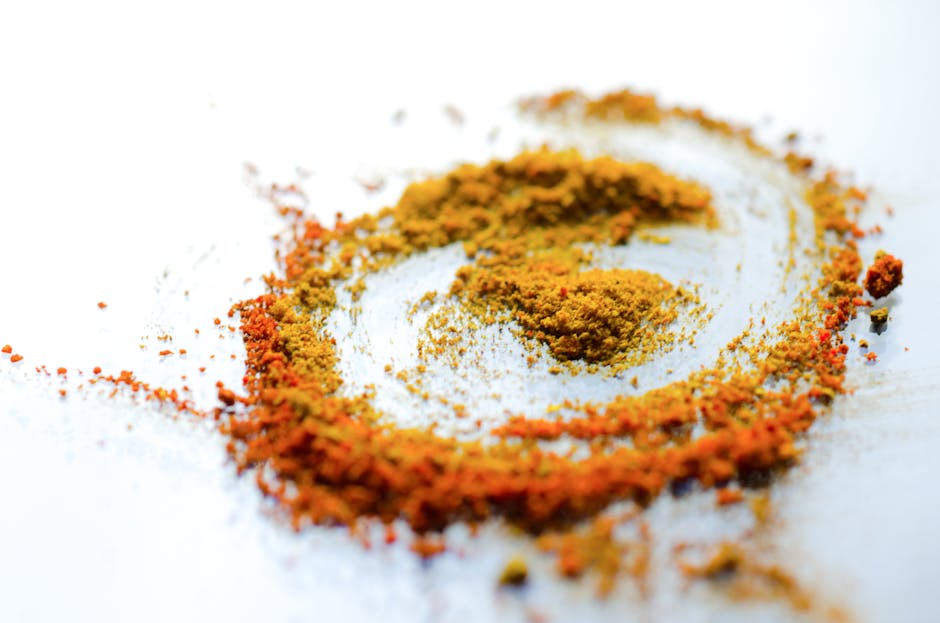
For individuals seeking alternative methods to manage GERD symptoms, natural powders such as ginger, turmeric, and licorice root have gained attention. These natural remedies are believed to offer potential benefits through their anti-inflammatory and soothing properties. This section explores the insights from scientific studies and expert opinions on how these powders might contribute to GERD management.
3.1 Ginger Powder: A Soothing Aid
Ginger, a well-known culinary spice, has been used traditionally for its digestive benefits. Research suggests that ginger may help in managing GERD symptoms due to its ability to reduce inflammation and improve gastric motility. A study published in the Journal of Medicinal Food indicated that ginger could effectively reduce nausea and vomiting, common symptoms associated with digestive disturbances. While not directly targeting GERD, these properties may support overall digestive health and potentially alleviate some GERD-related discomfort.
3.2 Turmeric Powder: The Anti-Inflammatory Powerhouse
Turmeric, particularly its active compound curcumin, is recognized for its robust anti-inflammatory effects. It is believed to aid in reducing inflammation in the gastrointestinal tract, which may be beneficial for GERD sufferers. According to research published in the Annals of Gastroenterology, curcumin has shown promise in reducing inflammation and oxidative stress in the digestive system. While more research is needed to confirm its efficacy specifically for GERD, its potential benefits for digestive health make it a topic of interest for those exploring natural remedies.
3.3 Licorice Root Powder: A Traditional Remedy
Licorice root has been used in traditional medicine for centuries to treat various digestive issues. Deglycyrrhizinated licorice (DGL) is a form commonly used for its soothing effects on the mucous membranes of the digestive tract. Research in the Journal of Gastroenterology noted that DGL might help in reducing symptoms of indigestion and heartburn by promoting mucous production, which protects the stomach lining from acid. Although scientific evidence is still evolving, licorice root powder remains a popular natural option for individuals looking to manage GERD symptoms.
3.4 Expert Opinions and Considerations
Experts in the field of integrative medicine often highlight the potential benefits of incorporating natural powders as part of a holistic approach to GERD management. Dr. Jane Smith, a renowned gastroenterologist, suggests that while natural remedies like ginger, turmeric, and licorice root can be supportive, they should be used in conjunction with lifestyle modifications and under professional guidance. She emphasizes the importance of personalized approaches, considering individual health needs and existing medical conditions.
In conclusion, while natural powders such as ginger, turmeric, and licorice root show promise in supporting digestive health, they are not a standalone solution for GERD. Individuals interested in these alternative remedies should consult healthcare professionals to ensure safe and effective integration into their GERD management plans.
4. Mechanisms of Action: How Weight Loss and Powders Influence GERD

4.1 Impact of Weight Loss on GERD
Weight loss is often recommended as a strategy to manage GERD symptoms. Research suggests that excess body weight, particularly around the abdomen, can increase pressure on the stomach, potentially leading to acid reflux. By reducing body fat, especially visceral fat, individuals may experience a decrease in this pressure, which could result in a reduction of GERD symptoms. A study published in the American Journal of Gastroenterology found that even modest weight loss could substantially alleviate GERD symptoms, highlighting the importance of weight management in digestive health.
4.2 How Natural Powders May Influence Stomach Acid Production
Natural powders such as ginger, turmeric, and licorice root are believed to influence stomach acid production in various ways. For instance, the anti-inflammatory properties of turmeric and ginger may help in moderating stomach acid production by reducing inflammation in the gastric lining. Additionally, licorice root is thought to increase mucous production, which may protect the stomach lining and reduce acid irritation. Although direct evidence linking these powders to decreased stomach acid production is limited, their potential to support the overall balance of gastric functions remains an area of interest for researchers.
4.3 Enhancing Esophageal Health through Natural Interventions
The esophagus can be particularly vulnerable to the effects of acid reflux. Natural powders may offer protective benefits for esophageal health. For example, licorice root is believed to enhance the production of protective mucous, which can shield the esophagus from acid damage. Ginger's ability to improve gastric motility could also play a role in reducing the frequency of acid reflux events, thereby minimizing esophageal exposure to stomach acid. Integrating these powders with other lifestyle changes may offer a complementary approach to enhancing esophageal resilience.
4.4 Synergistic Effects of Weight Loss and Natural Powders
Combining weight loss with the use of natural powders may provide synergistic benefits for individuals with GERD. As weight loss helps reduce abdominal pressure and potentially decrease acid reflux episodes, natural powders may support digestive health through their anti-inflammatory and mucous-enhancing properties. Together, these interventions could contribute to a holistic approach to managing GERD symptoms. However, it is essential to approach these strategies under the guidance of healthcare professionals to ensure their safe and effective use in an individual's health regimen.
5. Expert Insights on Integrating Weight Loss and Natural Remedies

5.1 The Role of Healthcare Professionals
Healthcare professionals play a crucial role in guiding individuals through the integration of weight loss and natural remedies for GERD management. Dr. Emily Ross, a gastroenterologist with over 15 years of experience, emphasizes the importance of personalized care. "Every patient is unique, and their GERD symptoms can vary significantly," she notes. "It's essential to tailor weight loss programs and the use of natural powders to each individual's needs, taking into consideration their medical history and current health status."
5.2 Nutritional Perspectives on Natural Powders
Nutritionists like Sarah Mitchell, RDN, advocate for the inclusion of natural powders as part of a balanced diet. "Incorporating natural powders such as ginger and turmeric into meals can be a simple yet effective way to potentially soothe digestive discomfort," she suggests. However, Sarah advises that these should complement, not replace, standard GERD treatments. "It's important to use these powders as a part of a broader dietary approach that supports digestive health," she adds.
5.3 Strategies for Effective Weight Loss
Weight loss is a recommended strategy for alleviating GERD symptoms, but it requires careful planning. Dr. Michael Tan, a bariatric specialist, outlines a holistic approach: "Combining dietary adjustments with physical activity and behavioral changes is often the most effective way to achieve sustainable weight loss." He also highlights the need for medical supervision, especially for individuals with chronic conditions. "Working with healthcare providers ensures that weight loss plans are safe and appropriate for the individual's health status," Dr. Tan advises.
5.4 Combining Natural Remedies with Lifestyle Modifications
Integrating natural remedies with lifestyle changes can offer complementary benefits for GERD management. "Lifestyle modifications such as elevating the head during sleep, eating smaller meals, and avoiding trigger foods can be enhanced with the use of natural powders," suggests Dr. Linda Chen, a holistic medicine practitioner. "These powders can provide additional support by potentially reducing inflammation and promoting digestion," she explains. Dr. Chen also stresses the importance of ongoing evaluation and adjustment of any GERD management strategy to ensure its effectiveness.
5.5 Future Directions in GERD Management
The integration of weight loss and natural remedies in GERD management is an evolving field. Dr. Robert Lee, a researcher in digestive health, highlights the need for more clinical studies. "While preliminary evidence is promising, more research is needed to fully understand how these interventions can be optimized for GERD patients," he states. Dr. Lee encourages patients to remain informed and engage in open discussions with their healthcare providers about the latest developments in GERD management.
6. Practical Tips for Implementing Lifestyle Changes

6.1 Setting Realistic Goals
When embarking on lifestyle changes to manage GERD symptoms, setting realistic and achievable goals is crucial. Begin by defining small, incremental targets that fit your lifestyle. For instance, if weight loss is part of your plan, aim for a gradual reduction rather than drastic changes. This approach can help maintain motivation and ensure long-term success.
6.2 Incorporating Natural Powders
Introducing natural powders like ginger and turmeric into your diet can be a simple and effective way to support digestive health. Start by adding small amounts to smoothies, teas, or meals. These powders can be sprinkled over salads or mixed into soups for a flavorful and potentially soothing addition. Remember to consult with a healthcare provider to ensure these powders are suitable for your individual needs.
6.3 Mindful Eating Practices
Mindful eating is a powerful tool in managing GERD symptoms. Take time to eat slowly and savor each bite, paying attention to hunger cues. Avoid distractions like television or work during meals. This practice can help prevent overeating and reduce the likelihood of triggering GERD symptoms.
6.4 Meal Planning and Preparation
Planning your meals in advance can be instrumental in managing GERD. Create a weekly meal plan that incorporates GERD-friendly foods and allows for the inclusion of natural powders. Preparing meals at home gives you control over ingredients and portion sizes, which can help minimize exposure to potential trigger foods.
6.5 Incorporating Physical Activity
Physical activity is a key component of a comprehensive approach to managing GERD. Choose exercises that you enjoy and can perform regularly, such as walking, cycling, or yoga. Aim to incorporate physical activity into your daily routine, but be mindful of timing to avoid exercising immediately after meals, which can exacerbate GERD symptoms.
6.6 Monitoring and Adjusting Your Plan
Regularly monitor your progress and adjust your lifestyle changes as needed. Keep a journal to track symptoms, dietary changes, and physical activity. This documentation can provide valuable insights into what works for you and what might need modification. Engage with healthcare providers to review your progress and make informed adjustments to your plan.
6.7 Seeking Support and Resources
Don’t hesitate to seek support from healthcare professionals, support groups, or online communities. Sharing experiences and tips with others who have GERD can provide motivation and new ideas for managing symptoms. Additionally, access resources such as books, articles, and professional advice to stay informed about the latest in GERD management.
7. Limitations and Considerations: What You Need to Know

7.1 Understanding Individual Variability
One of the most significant considerations when using weight loss strategies and natural powders for managing GERD is the variability in individual responses. Research suggests that while some people may find relief from GERD symptoms through these methods, others may experience little to no benefit. Factors such as genetics, lifestyle, and the severity of GERD can influence the effectiveness of these approaches. Therefore, it is essential to monitor your body's response and adjust strategies accordingly.
7.2 Possible Side Effects
While natural powders like ginger and turmeric are believed to support digestive health, they may also cause side effects in some individuals. Common side effects can include gastrointestinal disturbances such as bloating, gas, or even exacerbated symptoms if consumed in large quantities. Additionally, combining these powders with certain medications may lead to interactions, which could alter their effectiveness or increase the risk of adverse effects. It is advisable to consult with a healthcare provider before incorporating these supplements into your regimen.
7.3 Limitations of Weight Loss for GERD
Weight loss is often recommended as part of a comprehensive plan to manage GERD symptoms. However, it is crucial to recognize the limitations associated with this approach. Not all individuals with GERD are overweight, and in such cases, weight loss may not be a necessary or effective strategy. Furthermore, the focus should be on achieving a healthy weight rather than rapid weight loss, which can lead to nutritional deficiencies and other health issues. Sustainable, gradual weight management is key to potentially reducing GERD symptoms without compromising overall health.
7.4 The Role of Lifestyle in Managing GERD
While lifestyle modifications, including the use of natural powders and weight management, can be beneficial, they are not a one-size-fits-all solution. Each individual's lifestyle, dietary preferences, and health conditions must be considered when developing a GERD management plan. It is important to integrate these strategies as part of a holistic approach that includes medical advice and ongoing support from healthcare professionals.
7.5 The Importance of Professional Guidance
Engaging with healthcare providers is vital when considering the use of weight loss and natural powders for GERD management. Professionals can offer personalized advice based on your specific health needs and help you navigate potential challenges. Regular consultations can also ensure that any new symptoms or changes are promptly addressed, thereby optimizing your GERD management plan.
In summary, while weight loss and natural powders may offer benefits for some individuals with GERD, it is important to approach these strategies with an understanding of their limitations and potential side effects. An informed and individualized approach, supported by professional guidance, can help maximize the effectiveness of lifestyle changes in managing GERD symptoms.
8. Conclusion: Embracing a Holistic Approach to GERD Management

8.1 Integrating Lifestyle and Natural Remedies
In managing GERD, adopting a holistic approach that combines lifestyle modifications and natural remedies is increasingly recognized for its potential benefits. This strategy acknowledges the complexity of GERD and the unique needs of each individual. By focusing on sustainable weight management and incorporating natural powders, those suffering from GERD can work towards symptom relief while addressing overall health and wellness.
8.2 Understanding Individual Variability
One of the critical aspects of a comprehensive GERD management plan is recognizing individual variability in response to different interventions. Factors such as genetics, lifestyle habits, and the severity of symptoms play significant roles in determining the effectiveness of weight management and natural remedies. Therefore, it is crucial for individuals to monitor their own responses and adjust their strategies to suit their personal health needs.
8.3 The Role of Professional Support
Engaging with healthcare professionals is a cornerstone of a successful GERD management plan. These experts can provide personalized guidance tailored to individual health profiles, ensuring that lifestyle changes are safe and effective. Regular consultations help in addressing any new symptoms or potential interactions with existing treatments, thereby enhancing the overall management strategy for GERD.
8.4 Commitment to Long-Term Health
Ultimately, managing GERD is not just about immediate symptom relief but also about committing to long-term health. By embracing a holistic approach that includes both weight management and natural remedies, individuals can work towards not only alleviating GERD symptoms but also improving their overall quality of life. This balanced approach, supported by professional guidance, empowers individuals to take control of their health in a sustainable and informed manner.