
1. Introduction to Essential Oils for Digestive Health
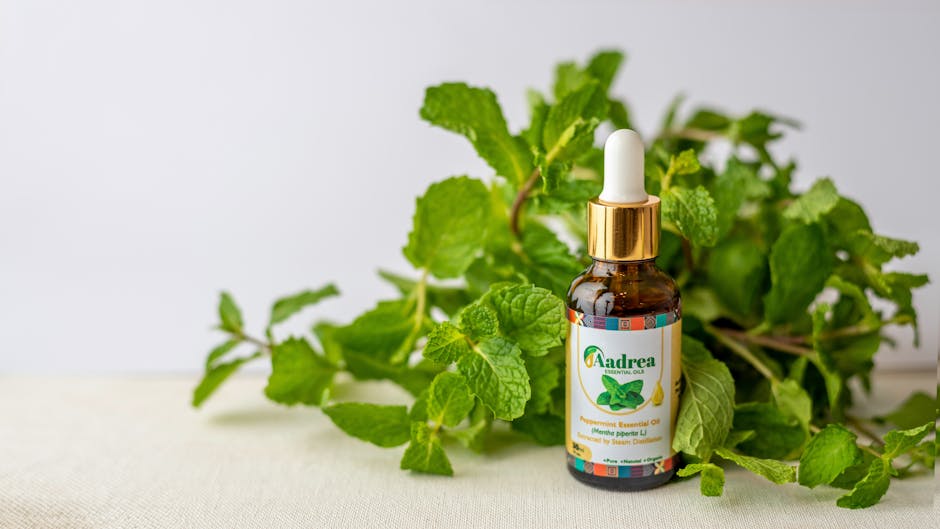
Essential oils have been revered across various cultures for their aromatic and therapeutic properties. Historically, these concentrated plant extracts have been utilized in traditional medicine systems for numerous health benefits, including digestive health. In recent years, essential oils are gaining popularity as a natural remedy for those seeking stomach relief, particularly among individuals looking for alternative approaches to digestive wellness.
1.1 Historical Use of Essential Oils in Digestive Health
Throughout history, different civilizations have harnessed the power of essential oils for their potential digestive benefits. Ancient Egyptians, Greeks, and Chinese civilizations are known to have used essential oils derived from plants like peppermint, ginger, and fennel to soothe digestive discomforts. These oils were often incorporated into remedies that were believed to help alleviate symptoms such as bloating, indigestion, and nausea.
1.2 Growing Popularity of Essential Oils
In contemporary society, essential oils are experiencing a resurgence as a natural option for digestive support. This renewed interest is partly due to the growing trend towards holistic health and wellness, where individuals seek to integrate more natural and less invasive approaches into their health regimens. Essential oils are believed to offer a complementary option for enhancing digestive comfort, supporting those who experience occasional stomach issues.
1.3 Mechanisms of Action
Research suggests that essential oils may support digestive health through several mechanisms. For example, some essential oils are believed to possess antispasmodic properties, which may help relax the muscles of the gastrointestinal tract, potentially reducing cramping and discomfort. Others may have carminative effects, which are thought to alleviate bloating by facilitating the expulsion of gas from the digestive system. Additionally, certain essential oils are believed to have anti-inflammatory properties that may contribute to soothing the digestive tract.
As the interest in essential oils for digestive health continues to grow, it is crucial to approach their use with informed consideration. While ongoing research seeks to better understand their efficacy and safety, those interested in exploring essential oils as a part of their digestive health strategy should consult with healthcare professionals to ensure appropriate and beneficial use.
2. The Science Behind Essential Oils and Digestive Relief

Essential oils are increasingly being recognized for their potential to support digestive health. As interest grows, scientific research is delving deeper into how these natural extracts may offer relief from digestive discomfort. Understanding the mechanisms by which essential oils may aid digestion can help individuals make informed decisions about their use as a complementary approach to digestive wellness.
2.1 Anti-Inflammatory Properties
Research suggests that certain essential oils possess anti-inflammatory properties, which can be beneficial for digestive health. Inflammation in the gastrointestinal tract can lead to discomfort and exacerbate symptoms of conditions such as irritable bowel syndrome (IBS) and gastroesophageal reflux disease (GERD). Essential oils like peppermint and ginger are believed to contain compounds that may reduce inflammation in the digestive system, potentially soothing irritation and promoting a more comfortable digestive experience.
2.2 Antispasmodic Effects
Some essential oils are thought to have antispasmodic effects, which may help relax the smooth muscles of the gastrointestinal tract. This relaxation can be particularly beneficial in reducing spasms and cramping that often accompany digestive issues. For instance, peppermint oil is frequently studied for its ability to alleviate cramping due to its muscle-relaxing properties. By easing muscle tension, essential oils with antispasmodic effects may contribute to reduced discomfort and improved digestive function.
2.3 Carminative Benefits
Carminative properties are another mechanism by which essential oils may support digestive health. Oils such as fennel and chamomile are believed to aid in the expulsion of gas from the intestines, thereby reducing bloating and discomfort. The carminative action of these oils is thought to enhance the digestive process by preventing the accumulation of gas and facilitating its release, offering relief from feelings of fullness and pressure.
2.4 Recent Research Findings
Recent studies continue to explore the efficacy of essential oils in digestive relief, providing insights into their potential benefits and mechanisms of action. For example, a study published in the Journal of Gastroenterology found that peppermint oil capsules significantly reduced symptoms of IBS, including abdominal pain and bloating. Other research has highlighted the role of ginger oil in enhancing gastric motility, which may help in the digestion of food and the reduction of nausea.
While these findings are promising, it is important to note that more comprehensive research is necessary to fully understand the scope and limitations of essential oils in digestive health. Individuals considering essential oils for digestive relief should do so under the guidance of a healthcare professional, ensuring that their use is appropriate and tailored to their specific health needs.
3. Top Essential Oils for Stomach Relief

Essential oils have gained popularity as a complementary approach to digestive wellness, with several varieties being spotlighted for their potential benefits in stomach relief. Among these, peppermint, ginger, and fennel oils are often highlighted for their unique properties and active compounds that may contribute to alleviating digestive discomfort. Understanding how these oils work can aid individuals in selecting the most suitable option for their needs.
3.1 Peppermint Oil
Peppermint oil is frequently recognized for its potential digestive benefits. The primary active compound in peppermint oil is menthol, which is believed to have soothing effects on the gastrointestinal tract. Research suggests that menthol may help relax the smooth muscles of the intestines, thereby reducing spasms and cramping. This antispasmodic property makes peppermint oil a popular choice for individuals experiencing symptoms such as bloating and abdominal pain, particularly in conditions like irritable bowel syndrome (IBS).
3.2 Ginger Oil
Ginger oil is another essential oil that is often associated with digestive health. It contains active compounds such as gingerol and shogaol, which are believed to support gastric motility and alleviate nausea. Research suggests that ginger oil may enhance the movement of food through the digestive tract, potentially easing symptoms of indigestion and promoting overall digestive efficiency. This makes ginger oil a valuable option for individuals seeking natural remedies for stomach discomfort and nausea.
3.3 Fennel Oil
Fennel oil is commonly used for its carminative properties, which may facilitate the expulsion of gas from the intestines. The main compounds in fennel oil, including anethole and fenchone, are thought to help reduce bloating and discomfort associated with gas buildup. By promoting the release of gas, fennel oil may help alleviate feelings of fullness and pressure, offering a sense of relief for those struggling with digestive distress. Additionally, fennel oil is believed to have mild antispasmodic effects, further contributing to its potential benefits for digestive wellness.
Incorporating essential oils like peppermint, ginger, and fennel into a holistic approach to digestive health may offer a natural means of alleviating discomfort. However, it is crucial to approach their use with caution and under the guidance of a healthcare professional to ensure safety and efficacy. As research continues to explore the capabilities of these oils, individuals can look forward to more informed choices in their journey towards digestive wellness.
4. How to Safely Use Essential Oils for Digestion

Essential oils are increasingly popular for their potential benefits in digestive health. However, their use must be approached with caution to avoid unwanted side effects. Proper methods of application and adherence to safety precautions are crucial for maximizing benefits while minimizing risks. This section explores the recommended practices for using essential oils safely.
4.1 Topical Application
Topical application is one of the common ways to use essential oils for digestion. This method involves diluting the essential oil with a carrier oil, such as coconut or jojoba oil, before applying it to the skin. It is believed that massaging diluted oils onto the abdomen can help alleviate digestive discomfort by harnessing the oil's properties directly where needed.
- Ensure the essential oil is properly diluted to reduce the risk of skin irritation.
- Perform a patch test on a small area of skin to check for allergic reactions.
- Use gentle circular motions to massage the oil blend into the abdominal area for optimal absorption.
4.2 Aromatherapy
Aromatherapy, the inhalation of essential oil vapors, is another method that may support digestive wellness. This approach utilizes the olfactory system and is believed to promote relaxation and relieve stress, which can indirectly benefit digestive processes.
- Use a diffuser to disperse the oil into the air, following the manufacturer's instructions for safe use.
- Start with a small amount of oil to assess sensitivity and response.
- Ensure the area is well-ventilated to prevent overwhelming concentration of the oil's aroma.
4.3 Safety Precautions
While essential oils can offer benefits, it is important to use them responsibly. Here are some general safety tips:
- Avoid ingesting essential oils unless explicitly recommended by a qualified healthcare professional.
- Keep oils away from sensitive areas such as eyes and mucous membranes.
- Store oils in a cool, dark place to maintain their potency and prevent degradation.
- Consult with a healthcare provider, particularly if pregnant, breastfeeding, or managing existing health conditions.
By following these methods and precautions, individuals can explore the potential digestive benefits of essential oils more safely. It is essential to remain informed and to consult with healthcare professionals to tailor usage to individual health needs. As research continues, these practices will evolve, enabling more informed and safe use of essential oils for digestive health.
5. Creating Your Personalized Essential Oil Blend

Crafting a personalized essential oil blend tailored to your digestive needs can be an empowering step towards managing digestive discomfort. By understanding the unique properties of various essential oils, you can create blends that may support your digestive wellness journey. This section guides you through the process of creating a custom blend, considering recommended ratios and application techniques.
5.1 Selecting the Right Essential Oils
The first step in creating your blend is selecting essential oils known for their potential digestive benefits. Some oils are believed to soothe digestive issues, such as:
- Peppermint Oil: Known for its cooling sensation, it may help with bloating and gas.
- Ginger Oil: Often used to alleviate nausea and promote digestion.
- Lemon Oil: Believed to aid in digestion and detoxification.
- Fennel Oil: May support digestive health by reducing bloating and discomfort.
Choose oils that resonate with your specific digestive concerns to form the basis of your blend.
5.2 Determining the Ratios
Once you've selected your oils, determining the right ratios is crucial for balance and efficacy. A common approach is the 3-2-1 ratio:
- 3 parts: Use a primary oil that addresses your main concern (e.g., peppermint for bloating).
- 2 parts: Select a secondary oil that complements or enhances the primary oil (e.g., ginger for nausea).
- 1 part: Add an oil for fragrance or additional benefits (e.g., lemon for freshness and detox support).
Adjust the ratios based on personal preference and the specific characteristics of each oil.
5.3 Mixing and Application Techniques
After establishing your oil blend, the next step is proper mixing and application. Here are some tips:
- Dilution: Always dilute essential oils with a carrier oil, such as coconut or almond oil, to reduce the risk of skin irritation.
- Topical Use: Apply the diluted blend to the abdominal area using gentle, circular motions for targeted relief.
- Aromatherapy: Use the blend in a diffuser to enjoy the aromatic benefits that may support relaxation and digestion.
Test the blend on a small skin area to ensure no adverse reactions occur before full application.
5.4 Monitoring and Adjusting Your Blend
It is essential to monitor how your body responds to the essential oil blend. Adjust the oils and ratios as needed to better suit your evolving needs. Keep a journal to track which combinations and methods provide the most relief. This ongoing process of observation and adjustment will help you fine-tune your personalized blend for optimal digestive support.
By following these steps, you can create a customized essential oil blend that aligns with your digestive wellness goals, offering a natural complement to traditional approaches. Always consult with a healthcare professional to ensure the blend's safety and suitability for your specific health conditions.
6. Integrating Essential Oils into Your Daily Routine

Incorporating essential oils into your daily routine can be a practical and soothing way to support digestive health. By choosing strategic times and methods for use, you can maximize the potential benefits they offer. Here are some tips for integrating essential oils seamlessly into your lifestyle.
6.1 Morning Routine
Starting your day with essential oils can set a positive tone. Consider incorporating them into your morning routine in the following ways:
- Morning Diffusion: Use a diffuser with a blend of lemon and peppermint oils in your bathroom or kitchen to invigorate your senses and support digestion from the start of your day.
- Topical Application: After showering, apply a diluted blend of ginger and fennel oils to your abdomen to potentially soothe the digestive tract before breakfast.
6.2 Mealtime Practices
Essential oils can also complement your mealtime routines, providing aromatic support that may enhance digestion:
- Pre-Meal Inhalation: Inhale the scent of your custom oil blend before meals to prepare your digestive system.
- Post-Meal Application: If you experience discomfort after eating, apply a diluted blend of peppermint oil to the abdomen to potentially alleviate bloating and gas.
6.3 Evening Wind-Down
Using essential oils in the evening can promote relaxation and prepare your body for rest, which may indirectly benefit digestion:
- Evening Bath: Add a few drops of your essential oil blend to a warm bath to relax muscles and calm the digestive system.
- Bedtime Diffusion: Diffuse lavender and ginger oils in your bedroom to create a calming environment that supports restful sleep and overnight digestion.
6.4 Complementary Practices
To enhance the effects of essential oils, consider integrating them with other practices known for supporting digestive health:
- Mindful Breathing: Pair aromatherapy with deep breathing exercises to reduce stress and aid digestion.
- Yoga and Stretching: Engage in gentle yoga poses or stretches that focus on abdominal relaxation and digestive stimulation.
- Meditation: Use essential oils during meditation sessions to create a calming atmosphere that may benefit both mental and physical well-being.
By thoughtfully incorporating essential oils into your daily routine, you may experience more consistent and effective support for digestive health. It's important to listen to your body and adjust your use of essential oils as needed to align with your personal wellness goals. Always consult with a healthcare professional to ensure that these practices are safe and suitable for your specific health conditions.
7. Potential Side Effects and When to Seek Medical Advice

While essential oils are often used to support digestive health, it's crucial to be aware of potential side effects and to recognize when professional medical advice is needed. Understanding how your body reacts to these natural remedies can help you make informed decisions about their use.
7.1 Common Side Effects
Although many people use essential oils without adverse effects, some individuals may experience side effects. These can vary depending on the type of oil, method of application, and individual sensitivity. Common side effects include:
- Skin Irritation: Topical application of essential oils can lead to skin irritation, especially if the oils are not properly diluted. Symptoms may include redness, itching, or a burning sensation.
- Allergic Reactions: Some people may develop allergic reactions, such as rashes or hives, after using certain essential oils.
- Digestive Issues: Ingesting essential oils without proper guidance may cause nausea, upset stomach, or other digestive disturbances.
- Respiratory Problems: Inhaling essential oils can sometimes irritate the respiratory system, especially in individuals with asthma or other breathing difficulties.
7.2 Recognizing Serious Reactions
While minor side effects can often be managed by adjusting the use of essential oils, certain reactions may require immediate medical attention. Seek professional advice if you experience:
- Severe Allergic Reactions: Symptoms such as swelling of the face, lips, or tongue, difficulty breathing, or severe rash may indicate a serious allergic reaction.
- Persistent Digestive Issues: Ongoing nausea, vomiting, or abdominal pain after using essential oils should be evaluated by a healthcare provider.
- Neurological Effects: Dizziness, headaches, or confusion that persists or worsens with essential oil use may warrant medical consultation.
7.3 When to Consult a Healthcare Professional
If you have underlying health conditions or are taking medication, it's particularly important to consult with a healthcare professional before incorporating essential oils into your routine. Additionally, consider seeking medical advice if:
- Unusual Symptoms Occur: Any unexpected or prolonged symptoms should be discussed with a healthcare provider to rule out potential interactions or underlying conditions.
- Personalized Guidance is Needed: A healthcare professional can provide tailored advice on the safe use of essential oils based on your individual health profile.
By being aware of potential side effects and knowing when to seek medical advice, you can safely explore the benefits of essential oils for digestive health. Always prioritize your well-being and consult with healthcare professionals to ensure that your approach is both safe and effective.
8. Conclusion: Embracing Natural Stomach Relief

Incorporating essential oils into your digestive health regimen can offer a natural and holistic approach to managing stomach discomfort. These oils, derived from plants, are believed to provide a range of benefits that support digestive well-being, making them a valuable alternative for those seeking relief from gastrointestinal issues.
8.1 The Benefits of Essential Oils for Digestive Health
Research suggests that certain essential oils may ease digestive issues by reducing inflammation, alleviating symptoms of indigestion, and promoting overall gut health. Oils such as peppermint, ginger, and fennel have been particularly noted for their potential to soothe the digestive tract. The aromatic compounds in these oils may help relax the muscles of the gastrointestinal system, potentially easing symptoms such as bloating, gas, and discomfort.
8.2 Encouraging Informed and Safe Usage
When considering essential oils as a natural remedy, it's crucial to approach their use with informed caution. Understanding the proper methods of application and potential side effects is vital to ensuring safety and efficacy. Diluting oils appropriately and selecting the right method of use—whether topical, aromatic, or occasionally internal under guidance—can enhance their benefits while minimizing risks.
Additionally, being mindful of your body's responses and seeking professional medical advice when necessary can further support the safe use of essential oils. By prioritizing informed decision-making and being aware of how these natural remedies interact with your health, you can maximize their positive impact.
8.3 A Natural Alternative Worth Considering
For individuals seeking an alternative to traditional pharmaceutical options, essential oils present a promising pathway to natural stomach relief. While they should never replace professional medical treatment, they can complement your overall digestive health strategy when used responsibly. By embracing the therapeutic potential of essential oils, you may find a gentle and effective solution to enhance your digestive wellness.
Ultimately, the journey to improved digestive health is personal and ongoing. Whether you're managing occasional discomfort or more persistent issues, exploring natural options like essential oils may offer the relief and support you need to lead a more comfortable and balanced life.