
1. Understanding Bloating: Causes and Symptoms
1.1 Common Causes of Bloating
Bloating is a prevalent gastrointestinal issue characterized by a feeling of fullness or tightness in the abdomen. It can be caused by a variety of factors, some of which are related to dietary habits, while others may be linked to underlying health conditions. Understanding these causes is crucial for identifying the root of discomfort and seeking appropriate remedies.
- Dietary Choices: Consuming excessive amounts of gas-producing foods like beans, lentils, carbonated beverages, and certain vegetables, such as broccoli and cabbage, can lead to bloating.
- Swallowed Air: Eating or drinking too quickly can cause one to swallow air, which may accumulate in the digestive tract and contribute to bloating.
- Food Intolerances: Intolerances to certain foods, such as lactose or gluten, can trigger bloating and other digestive symptoms in sensitive individuals.
- Gut Microbiota Imbalance: An imbalance in the gut's natural bacterial flora is believed to play a role in bloating and other digestive issues.
- Constipation: Reduced bowel movements can lead to a build-up of waste and gas in the intestines, resulting in bloating.
1.2 Symptoms Accompanying Bloating
Bloating is often accompanied by a range of symptoms that can vary from mild discomfort to more severe distress. Recognizing these symptoms can help individuals better understand their condition and seek potential solutions.
- Abdominal Distension: A visible swelling of the abdomen is a common symptom associated with bloating.
- Excessive Gas: An increase in belching or flatulence is often reported by those experiencing bloating.
- Stomach Pain or Discomfort: Cramping or general discomfort in the abdominal region can occur alongside bloating.
- Feeling of Fullness: Individuals may feel unusually full or heavy after eating, even if they've consumed a small meal.
- Nausea: In some cases, bloating can be accompanied by a sensation of nausea.
1.3 Role of Herbal Blends in Alleviating Bloating
Herbal blends are increasingly being explored for their potential to alleviate bloating and its associated symptoms. These natural remedies are believed to support digestive function and may offer relief for those suffering from bloating.
- Peppermint: Known for its soothing effects, peppermint may help relax the digestive tract muscles, potentially reducing bloating.
- Ginger: A natural anti-inflammatory, ginger is believed to aid digestion and help alleviate symptoms of bloating.
- Fennel: Fennel seeds are thought to have carminative properties, which may help expel gas and reduce bloating.
- Chamomile: Often used for its calming effects, chamomile may help relieve digestive discomfort and bloating.
While these herbal blends are considered safe for most individuals, it's important to consult healthcare professionals before using them, especially if you have underlying health conditions or are taking medications.
2. The Science Behind Herbal Remedies for Bloating

Herbal remedies have been utilized for centuries in various cultures to manage digestive issues, including bloating. Contemporary research is increasingly focusing on the efficacy of these natural treatments, with herbs like ginger and fennel garnering significant attention for their potential benefits in reducing bloating and enhancing digestive health.
2.1 Ginger: A Natural Anti-Inflammatory
Ginger (Zingiber officinale) is renowned for its anti-inflammatory properties and has been traditionally used to treat digestive ailments. Scientific studies suggest that ginger may help in reducing bloating by enhancing gastric emptying and improving gut motility.
- A study published in the journal World Journal of Gastroenterology highlighted that ginger can stimulate digestion and reduce intestinal cramping, which may alleviate bloating.
- Research indicates that gingerol, the active component in ginger, has anti-inflammatory and antioxidant properties that may help soothe the digestive tract.
These findings suggest that incorporating ginger into one's diet could potentially provide relief from bloating, though more extensive research is needed to fully understand its mechanisms and effectiveness.
2.2 Fennel: Carminative Benefits
Fennel (Foeniculum vulgare) is another herb commonly used for its digestive benefits. It is believed to have carminative properties, which means it may help expel gas from the intestinal tract, thus reducing bloating.
- According to a study in the Journal of Ethnopharmacology, fennel has been shown to relax the gastrointestinal tract muscles, potentially easing symptoms of bloating and gas.
- Fennel contains anethole, a compound that may contribute to its ability to soothe the stomach and promote digestion.
While fennel is considered beneficial for managing bloating, individuals are advised to consult healthcare professionals for personalized advice, particularly if they are pregnant or have specific health conditions.
2.3 Integrating Herbal Remedies into Daily Life
The integration of herbal remedies like ginger and fennel into daily dietary practices is thought to offer a natural approach to managing bloating. However, it is essential to consider the quality and source of these herbs, as well as potential interactions with other treatments or conditions.
- Herbal teas combining ginger and fennel are a popular choice for those looking to ease digestive discomfort naturally.
- Supplements and extracts are available for those who prefer a more concentrated form of these herbs.
Overall, while herbal remedies are promising, individuals should approach their use with caution and seek guidance from healthcare professionals to ensure safety and efficacy. Further research will continue to elucidate the full potential of these natural remedies in the management of bloating and digestive health.
3. Key Ingredients for Anti-Bloating Herbal Blends

Anti-bloating herbal blends often incorporate a variety of ingredients known for their digestive benefits. These ingredients work individually and synergistically to support digestive health and alleviate discomfort associated with bloating. This section will explore some of the most common and effective ingredients found in these blends.
3.1 Peppermint: A Digestive Aid
Peppermint (Mentha piperita) is widely recognized for its digestive soothing properties. It is believed to help relax the muscles of the gastrointestinal tract, which may reduce bloating and discomfort.
- Research published in the Journal of Clinical Gastroenterology suggests that peppermint can be effective in relieving symptoms of irritable bowel syndrome, including bloating, due to its antispasmodic effects.
- Menthol, the active compound in peppermint, is thought to help reduce stomach spasms and improve digestive flow.
The inclusion of peppermint in herbal blends can provide a refreshing flavor while potentially offering significant relief from bloating.
3.2 Chamomile: Calming Effects
Chamomile (Matricaria chamomilla) is another herb often used in anti-bloating blends for its calming effects on the digestive system. It is believed to possess anti-inflammatory and antispasmodic properties.
- A study in the European Journal of Gastroenterology & Hepatology reported that chamomile may help alleviate gastrointestinal discomfort, including bloating, by soothing the intestinal tract.
- Chamomile is also known for its ability to reduce stress and anxiety, which can be contributing factors to digestive issues.
By incorporating chamomile into herbal blends, individuals may experience both digestive and mental relaxation, potentially reducing bloating.
3.3 Dandelion: A Natural Diuretic
Dandelion (Taraxacum officinale) is frequently included in herbal blends for its potential diuretic effects, which may help relieve water retention and bloating.
- Research in the Journal of Alternative and Complementary Medicine indicates that dandelion extract may increase urine production, thereby reducing excess water weight and bloating.
- Dandelion is also rich in antioxidants and nutrients that support overall digestive health.
As part of an anti-bloating blend, dandelion may aid in reducing bloating by promoting the body's natural elimination processes.
3.4 Lemon Balm: Enhancing Digestive Comfort
Lemon balm (Melissa officinalis) is noted for its soothing properties on the digestive system. It is believed to help alleviate discomfort and promote overall digestive health.
- A study published in the Journal of Medicinal Food found that lemon balm may help reduce symptoms of indigestion, including bloating, by relaxing the stomach muscles.
- Lemon balm is also thought to have mild sedative effects, which can help ease digestive distress.
Including lemon balm in herbal blends may enhance their effectiveness in relieving bloating and promoting digestive ease.
Overall, these key ingredients demonstrate promising potential in anti-bloating herbal blends. When used together, they may offer a natural means to support digestive health and reduce discomfort. As always, individuals should consult with healthcare professionals before starting any new herbal regimen to ensure it is appropriate for their specific health needs.
4. Crafting Your Personalized Herbal Blend
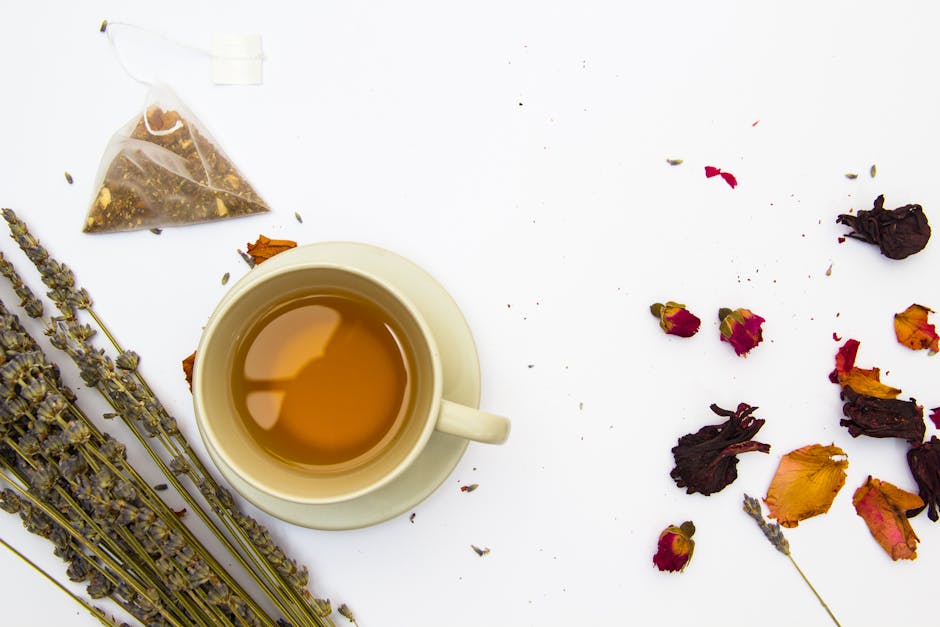
Creating a personalized herbal blend can be an empowering way to manage bloating by using natural ingredients tailored to your unique preferences and needs. This process involves selecting herbs based on their flavor profiles, potential benefits, and how they may complement each other. Below are guidelines to help you craft an effective anti-bloating blend.
4.1 Selecting Your Core Herbs
When choosing the core herbs for your blend, consider those with research-backed properties that may help alleviate bloating. Popular options include:
- Peppermint: Known for its antispasmodic effects, peppermint can provide a refreshing flavor while potentially easing digestive spasms.
- Chamomile: With its calming and anti-inflammatory properties, chamomile may soothe the digestive tract and reduce stress-related bloating.
- Dandelion: As a natural diuretic, dandelion may help with water retention and support digestive health.
- Lemon Balm: Lemon balm's soothing effects on the stomach muscles may enhance overall digestive comfort.
These herbs form a solid foundation for an anti-bloating blend. However, personal tastes and specific digestive needs should guide the final selection.
4.2 Balancing Flavor Profiles
Creating a palatable blend involves balancing the flavors of chosen herbs. Consider the following tips:
- Peppermint: Offers a cool, refreshing taste that can dominate, so use it in moderation if you prefer subtle flavors.
- Chamomile: Adds a mild, floral sweetness that can complement stronger flavors like peppermint.
- Dandelion: Has an earthy, slightly bitter taste that can be balanced with sweeter herbs like chamomile.
- Lemon Balm: Contributes a gentle lemony flavor, enhancing the aroma and taste of the blend.
Experimenting with small batches allows you to adjust proportions and achieve the desired flavor balance.
4.3 Considering Potency and Proportions
The effectiveness of your herbal blend can depend on the potency and proportions of each ingredient. While specific measurements should be discussed with a healthcare provider, general considerations include:
- Herb Potency: Some herbs, like peppermint, can be potent and should be used sparingly to avoid overpowering the blend.
- Combination Effects: Combining herbs with complementary effects, such as chamomile and lemon balm, may enhance the blend's overall efficacy.
Adjusting the proportions based on personal tolerance and desired intensity can help create a balanced and effective blend.
4.4 Personalizing Your Blend
Personalization is key to crafting an herbal blend that meets your specific needs. Consider these factors:
- Digestive Concerns: Focus on herbs known to address your primary symptoms, such as bloating or indigestion.
- Taste Preferences: Customize the blend to suit your palate, ensuring you enjoy consuming it regularly.
- Health Goals: Align your herbal blend with any broader health objectives, such as stress reduction or improved digestion.
By thoughtfully selecting and combining herbs, you can create a personalized blend that not only addresses bloating but also aligns with your holistic wellness goals. Always consider consulting with a healthcare professional to ensure the blend is safe and suitable for your health needs.
5. Brewing Techniques for Optimal Results

Brewing your herbal blends with precision can significantly impact their effectiveness. By focusing on the correct steeping times, temperatures, and methods, you can ensure the active compounds in each ingredient are retained and maximized.
5.1 Understanding Steeping Times
The length of time you steep your herbs can influence both the flavor and potency of your blend. Research suggests that:
- Chamomile: Steeping for longer periods may enhance its calming effects, but extended steeping can also increase bitterness.
- Peppermint: A shorter steeping time can maintain its refreshing taste without becoming overpowering.
- Dandelion: Requires a longer steeping time to fully release its diuretic properties.
- Lemon Balm: A moderate steeping time balances its soothing properties with a pleasant aroma.
Experiment with different steeping times to find the optimal balance for your specific blend.
5.2 Ideal Water Temperatures
The temperature of the water used in brewing also plays a crucial role in releasing the active compounds of your herbs. While specific temperatures should be tailored to each herb, general guidelines include:
- Chamomile and Lemon Balm: Best brewed with water just off the boil to maintain delicate flavors and efficacy.
- Peppermint and Dandelion: Can tolerate higher temperatures, which may help to extract their full range of active compounds.
Using a thermometer can help ensure you are achieving the right temperature for each herb.
5.3 Brewing Methods
Different brewing methods can affect the strength and quality of your herbal blend. Some common methods include:
- Traditional Steeping: Using a teapot or infuser allows for easy control over steeping times and temperatures.
- Cold Brew: This method involves steeping herbs in cold water over an extended period, which may preserve delicate flavors and compounds.
- French Press: Offers a convenient way to separate herbs from liquid while maintaining strong flavors.
Choosing the right method depends on your personal taste preferences and desired outcomes from the herbal blend.
5.4 Retaining Active Compounds
Ensuring your brewing technique retains the active compounds of your herbs is essential for maximizing their potential benefits. Consider these tips:
- Avoid Over-Steeping: Extended steeping can lead to bitterness and degradation of some beneficial compounds.
- Use Fresh Herbs: Fresh or properly dried herbs tend to retain more active compounds than older, stale ones.
- Seal and Store Properly: Store herbs in airtight containers away from light and moisture to preserve their potency.
By following these recommendations, you can maximize the effectiveness of your herbal blends and enhance their potential benefits for digestive health.
6. Safety and Precautions When Using Herbal Blends

When using herbal blends, it is crucial to consider various safety and precautionary measures to ensure their safe and effective use. This section will explore potential allergies, interactions with medications, and other important factors to keep in mind.
6.1 Potential Allergies
Herbal blends can contain a wide range of botanical ingredients, each with the potential to cause allergic reactions in susceptible individuals. Research suggests that:
- Chamomile: May cause allergic reactions in individuals sensitive to plants in the daisy family, such as ragweed and marigolds.
- Peppermint: Some individuals may experience skin irritation or respiratory reactions to mint-related plants.
- Dandelion: Although generally safe, dandelion can cause allergic reactions in people with known sensitivities to related plants.
- Lemon Balm: Rarely causes allergies but should be used cautiously by those with known sensitivities to the mint family.
It is advisable to perform a patch test or consult with a healthcare provider if you have a history of plant allergies before trying new herbal blends.
6.2 Interactions with Medications
Herbal blends may interact with prescription medications, over-the-counter drugs, or other supplements. It is important to be aware of these potential interactions:
- Chamomile: May enhance the effects of sedative medications, leading to increased drowsiness.
- Peppermint: Could interfere with the absorption of certain medications, especially those metabolized by the liver.
- Dandelion: Might affect the action of diuretics or medications that alter blood sugar levels.
- Lemon Balm: Can potentiate the effects of sedatives and thyroid medications.
Consulting with a healthcare professional before incorporating herbal blends into your routine, especially if you are taking medications, is highly recommended.
6.3 Recommended Dosages
While specific dosages should be tailored to individual needs and conditions, it is generally recommended to follow established guidelines to ensure safe use. Consider these points:
- Start with small amounts to assess individual tolerance and reaction.
- Gradually increase consumption as needed, monitoring for any adverse effects.
- Avoid excessive consumption, which may lead to unwanted side effects or interactions.
Carefully reading labels, adhering to suggested dosages, and seeking guidance from a qualified healthcare provider can help ensure the safe use of herbal blends.
By being mindful of potential allergies, drug interactions, and recommended dosages, individuals can enjoy the benefits of herbal blends while minimizing risks to their health and well-being.
7. Incorporating Herbal Blends into Your Daily Routine

Integrating herbal blends into your daily routine can be a delightful and beneficial practice, not only for digestive health but also for overall well-being. This section provides practical tips and strategies to seamlessly incorporate these botanical allies into your lifestyle.
7.1 Morning Rituals
Starting your day with herbal blends can set a positive tone and support digestive health. Consider these approaches:
- Herbal Teas: Begin with a calming chamomile or refreshing peppermint tea to awaken your senses and gently stimulate digestion.
- Infused Water: Add slices of lemon and a few leaves of mint to your morning water for a hydrating and invigorating start.
- Herbal Supplements: If you prefer capsules or tablets, take them with breakfast to ensure optimal absorption and effectiveness.
7.2 Midday Boost
The afternoon slump can be a perfect opportunity to incorporate herbal blends that rejuvenate and refresh. Here are some suggestions:
- Aromatherapy: Use a diffuser with essential oils like peppermint or lemon balm to enhance focus and concentration.
- Herbal Snacks: Consider herbal-infused snacks like dandelion root energy bars for a healthy pick-me-up.
- Digestive Support: A cup of dandelion tea can aid digestion after lunch, promoting comfort and reducing bloating.
7.3 Evening Relaxation
Winding down with herbal blends can promote relaxation and prepare the body for restful sleep. Try incorporating these ideas into your evening routine:
- Relaxing Teas: Enjoy a cup of lemon balm or chamomile tea to soothe the mind and body before bed.
- Herbal Baths: Add herbal sachets to your bathwater for a calming and aromatic experience that supports relaxation.
- Mindful Practices: Engage in meditation or yoga with the aid of herbal incense or essential oils to deepen relaxation and enhance mindfulness.
7.4 Consistency is Key
While incorporating herbal blends into your routine can be beneficial, consistency is crucial for achieving long-term benefits. Consider the following strategies:
- Set Reminders: Use reminders or alarms to establish a consistent schedule for consuming herbal blends throughout the day.
- Experiment and Adjust: Try different blends and preparations to discover what works best for your body and lifestyle.
- Track Benefits: Keep a journal to note any improvements in digestion or overall well-being, which can motivate continued use.
By integrating herbal blends thoughtfully and consistently into your daily routine, you can enhance not only your digestive health but also your overall quality of life. Remember to consult with healthcare professionals to tailor these practices to your individual needs and circumstances.