
1. Understanding Gut Motility and Its Importance

Gut motility refers to the movements of the digestive system and the transit of the contents within it. This complex process involves the coordinated activity of muscles, nerves, and hormones to move food through the digestive tract efficiently. The smooth operation of gut motility is essential for optimal digestion and absorption of nutrients, as well as the timely elimination of waste.
1.1 The Role of Gut Motility in Digestive Health
Gut motility plays a critical role in maintaining digestive health. It ensures that food is mixed with digestive juices, allowing for the breakdown and absorption of nutrients. Efficient motility also facilitates the movement of waste products toward elimination. When gut motility functions optimally, it helps prevent digestive issues such as constipation, bloating, and discomfort.
1.2 Factors Influencing Gut Motility
Several factors can influence gut motility, including diet, lifestyle, and overall health. Dietary fiber, hydration, and regular physical activity are believed to support healthy motility. Conversely, a diet low in fiber, inadequate fluid intake, and a sedentary lifestyle may contribute to sluggish motility, potentially leading to constipation.
1.3 The Consequences of Impaired Gut Motility
Impaired gut motility can have several consequences for digestive health. Research suggests that when motility is slowed, it may lead to issues such as constipation, which can cause discomfort, bloating, and even more serious complications if left unmanaged. On the other hand, excessively rapid motility can result in diarrhea, affecting nutrient absorption and hydration.
1.4 Strategies to Support Optimal Gut Motility
Maintaining optimal gut motility is crucial for digestive health. Strategies to support motility include consuming a balanced diet rich in fiber, staying well-hydrated, and engaging in regular physical activity. Additionally, managing stress levels, as stress is believed to impact gut function, may also be beneficial. Implementing these lifestyle changes can help promote efficient digestive processes and prevent motility-related issues.
2. The Role of Fiber in Enhancing Gut Motility

2.1 Understanding Dietary Fiber
Dietary fiber is a crucial component of a balanced diet and plays an important role in digestive health, particularly in enhancing gut motility. It is a type of carbohydrate that the body cannot digest, allowing it to pass through the digestive system relatively intact. Fiber is primarily classified into two types: soluble and insoluble, each serving different functions in the digestive process.
2.2 Soluble Fiber and Its Mechanisms
Soluble fiber dissolves in water to form a gel-like substance. This type of fiber is found in foods such as oats, beans, lentils, apples, and citrus fruits. Soluble fiber is believed to help regulate blood sugar levels and lower cholesterol. In terms of gut motility, soluble fiber slows digestion, which can increase the feeling of fullness and aid in the gradual movement of food through the digestive tract. This can be particularly beneficial in preventing rapid gut transit times and supporting nutrient absorption.
2.3 Insoluble Fiber and Its Impact
Insoluble fiber, on the other hand, does not dissolve in water and adds bulk to the stool. This type of fiber is found in whole grains, nuts, beans, and vegetables like cauliflower, green beans, and potatoes. Insoluble fiber is essential for promoting regular bowel movements and preventing constipation. By increasing stool bulk, it helps stimulate peristalsis, the wave-like muscle contractions that propel food through the digestive system, thereby enhancing gut motility.
2.4 Evidence-Based Recommendations for Fiber Intake
The benefits of dietary fiber for gut motility are well-supported by research. Studies suggest that a diet rich in fiber is associated with a reduced risk of digestive disorders, including constipation and diverticular disease. The recommended daily intake of fiber varies by age and sex, but general guidelines suggest aiming for 25 grams per day for women and 38 grams per day for men. Incorporating a variety of fiber-rich foods into the diet is a practical approach to achieving these targets and supporting digestive health.
2.5 Balancing Fiber Types for Optimal Gut Health
While both soluble and insoluble fibers play unique roles in enhancing gut motility, a balanced intake of both types is believed to be most beneficial. A diet that includes a diverse range of fiber sources can help maintain regular digestive function and prevent issues related to impaired gut motility. Gradually increasing fiber intake and ensuring adequate hydration are important considerations, as a sudden increase in fiber can lead to bloating or gas if not paired with sufficient fluid consumption.
3. Probiotic Foods and Their Impact on Digestion
3.1 Understanding Probiotics
Probiotics are live microorganisms that, when consumed in adequate amounts, are believed to confer health benefits on the host. These beneficial bacteria are naturally present in the gut and can also be obtained through certain foods. Probiotic-rich foods include yogurt, kefir, sauerkraut, kimchi, and other fermented products. They are thought to contribute to a balanced gut microbiota, which is crucial for optimal digestive health and function.
3.2 The Role of Yogurt in Gut Motility
Yogurt is one of the most well-known sources of probiotics. It is made by fermenting milk with live bacteria cultures, primarily Lactobacillus and Bifidobacterium. Research suggests that the consumption of yogurt may support gut motility by enhancing the activity of these beneficial bacteria. Studies have shown that probiotics like those found in yogurt can help improve intestinal transit time, potentially alleviating symptoms of constipation and promoting regular bowel movements.
3.3 Kefir: A Potent Probiotic Beverage
Kefir, a fermented milk drink, is another excellent source of probiotics. It contains a diverse range of bacterial strains and yeasts, which are believed to contribute to its health-promoting properties. Kefir is thought to aid in digestion by enhancing gut motility and supporting the breakdown of food in the digestive tract. Some studies have indicated that kefir consumption may be associated with improved gastrointestinal comfort and reduced bloating, further highlighting its potential role in promoting digestive health.
3.4 Scientific Evidence Supporting Probiotics
The impact of probiotic foods on digestion is supported by a growing body of scientific research. Studies indicate that probiotics may help maintain a healthy balance of gut bacteria, which is crucial for efficient digestive processes. Probiotics are also believed to strengthen the intestinal barrier, reduce inflammation, and modulate the immune system, all of which can contribute to improved gut motility and overall digestive health.
3.5 Incorporating Probiotics into the Diet
Incorporating probiotic-rich foods into the daily diet is a practical approach to supporting digestive health. It is suggested that regular consumption of foods like yogurt and kefir can help maintain a healthy gut microbiome, which may, in turn, enhance gut motility. While the optimal intake of probiotics varies among individuals, including a variety of probiotic foods in the diet can be a beneficial strategy for those seeking to promote digestive wellness.
4. Fruits and Vegetables that Boost Gut Function

4.1 The Role of Dietary Fiber in Gut Health
Fruits and vegetables are integral to a diet that supports gut health due to their high fiber content. Dietary fiber is known for its ability to enhance gut motility, which is crucial for maintaining regular bowel movements and preventing constipation. Soluble fiber forms a gel-like substance in the digestive tract, which can help slow digestion and improve nutrient absorption. Insoluble fiber adds bulk to stool, promoting movement through the digestive system. Both types of fiber are essential for optimal digestive function.
4.2 High-Fiber Fruits for Improved Gut Motility
Certain fruits are particularly beneficial for gut health due to their high fiber content. Apples, pears, and berries are excellent sources of soluble fiber, which is believed to help regulate bowel movements. Apples and pears contain pectin, a type of soluble fiber that research suggests may increase stool bulk and promote regularity. Berries, such as raspberries and blackberries, provide a combination of soluble and insoluble fiber, further supporting digestive health.
4.3 Vegetables that Support Digestive Function
Vegetables like broccoli, carrots, and leafy greens are also rich in dietary fiber, making them valuable for gut health. Broccoli contains a significant amount of both soluble and insoluble fiber, which may aid in maintaining regular bowel movements. Carrots are another good source of fiber, and their natural sweetness can make them a versatile addition to meals. Leafy greens, such as spinach and kale, provide fiber and other essential nutrients that contribute to a healthy digestive system.
4.4 Natural Laxative Properties of Certain Produce
Some fruits and vegetables are believed to have natural laxative properties, helping to ease constipation and promote gut motility. Prunes are well-known for their ability to alleviate constipation due to their high sorbitol content, a sugar alcohol with laxative effects. Kiwi fruit is another option, as it contains actinidin, an enzyme that may support digestion and improve bowel regularity. Additionally, artichokes are rich in inulin, a type of soluble fiber thought to stimulate the growth of beneficial gut bacteria and enhance digestive function.
4.5 Incorporating Fiber-Rich Produce into Your Diet
To support gut health, it is beneficial to include a variety of fiber-rich fruits and vegetables in your diet. Aim to consume a colorful array of produce to ensure a diverse intake of fibers and nutrients. It is important to gradually increase fiber intake to allow your digestive system to adjust, and to pair this with adequate hydration to prevent potential discomfort like bloating or gas. By doing so, individuals can potentially improve gut motility and promote overall digestive wellness.
5. Whole Grains as a Digestive Aid

5.1 The Nutritional Profile of Whole Grains
Whole grains, such as oats and brown rice, are renowned for their nutritional density. Unlike refined grains, whole grains retain all parts of the grain kernel, including the bran, germ, and endosperm. This composition makes them rich in essential nutrients, including dietary fiber, vitamins, and minerals. The presence of dietary fiber in whole grains is particularly significant for digestive health, offering benefits that extend beyond basic nutrition.
5.2 The Role of Fiber in Regulating Bowel Movements
Fiber is a key component of whole grains that is believed to support digestive health by regulating bowel movements. Whole grains are an excellent source of both soluble and insoluble fiber. Soluble fiber dissolves in water to form a gel-like substance, which can help slow digestion and optimize nutrient absorption. Insoluble fiber, on the other hand, adds bulk to stools and aids in moving waste through the digestive tract, potentially preventing constipation and promoting regularity.
5.3 Oats: A Versatile Fiber Source
Oats are particularly valued for their high soluble fiber content, specifically beta-glucan. This type of fiber is known for its ability to form a viscous gel in the gut, which may help moderate bowel movements. Research suggests that beta-glucan can enhance stool consistency and frequency, supporting regular digestive function. Additionally, oats are easy to incorporate into various meals, making them a convenient choice for those looking to improve their fiber intake.
5.4 Brown Rice: A Digestive Ally
Brown rice, another whole grain, is rich in insoluble fiber, which is believed to play a critical role in promoting healthy digestion. The fibrous outer layer of brown rice can help increase stool bulk and promote movement through the intestines. This may aid in alleviating constipation and supporting a regular bowel routine. Brown rice is also a versatile grain that can be paired with numerous dishes, making it a staple for those seeking to enhance their digestive health through diet.
5.5 Incorporating Whole Grains into Your Diet
Introducing whole grains like oats and brown rice into your diet can be a strategic move for promoting digestive wellness. To maximize benefits, it is advisable to gradually increase whole grain consumption and ensure adequate fluid intake. This approach can help minimize potential digestive discomfort, such as bloating or gas. Including a variety of whole grains can enrich your diet with diverse fibers and nutrients, potentially supporting optimal gut function and regular bowel movements.
6. Hydration and Its Effect on Gut Motility

6.1 The Role of Water in Digestive Health
Water plays a crucial role in maintaining digestive health, particularly in terms of gut motility. Adequate hydration is essential for the digestive system to function efficiently. It helps in the breakdown of food, facilitates the absorption of nutrients, and aids in the smooth passage of waste through the intestines. Research suggests that maintaining optimal hydration levels can significantly enhance gut motility, potentially reducing the incidence of digestive discomforts like constipation.
6.2 Dehydration and Constipation
Dehydration is a common factor that can exacerbate constipation. When the body is dehydrated, it extracts more water from the stools to compensate, leading to harder and more difficult-to-pass stools. This can slow down gut motility, resulting in infrequent and uncomfortable bowel movements. Studies indicate that increasing water intake can help soften stools and promote more regular bowel movements, thereby supporting digestive health.
6.3 Strategies for Maintaining Optimal Hydration Levels
To ensure adequate hydration and support gut motility, individuals can adopt several effective strategies:
- Regular Water Intake: Consistently drinking water throughout the day is vital. It is advisable to sip water regularly rather than consuming large amounts at once.
- Incorporate Hydrating Foods: Foods with high water content, such as cucumbers, watermelon, and oranges, can contribute to overall fluid intake.
- Monitor Hydration Signs: Paying attention to signs of dehydration, such as dark urine or feeling excessively thirsty, can help in adjusting water intake as needed.
- Limit Diuretic Beverages: Reducing the consumption of diuretic beverages like caffeine and alcohol can help maintain hydration levels.
By prioritizing hydration, individuals may support their digestive system's natural functions, potentially improving gut motility and reducing the risk of constipation.
7. Incorporating Natural Foods into Your Diet for Better Digestion
7.1 The Importance of Fiber-Rich Foods
Fiber-rich foods are essential for enhancing digestion as they add bulk to the stool and facilitate regular bowel movements. Research suggests that a diet high in fiber can promote gut motility, potentially reducing the risk of constipation. Foods such as fruits, vegetables, legumes, and whole grains are excellent sources of dietary fiber. Incorporating a variety of these foods into daily meals can support a healthy digestive system.
7.2 Practical Tips for Adding Fiber to Your Meals
Integrating fiber-rich foods into your diet can be straightforward with a few practical strategies:
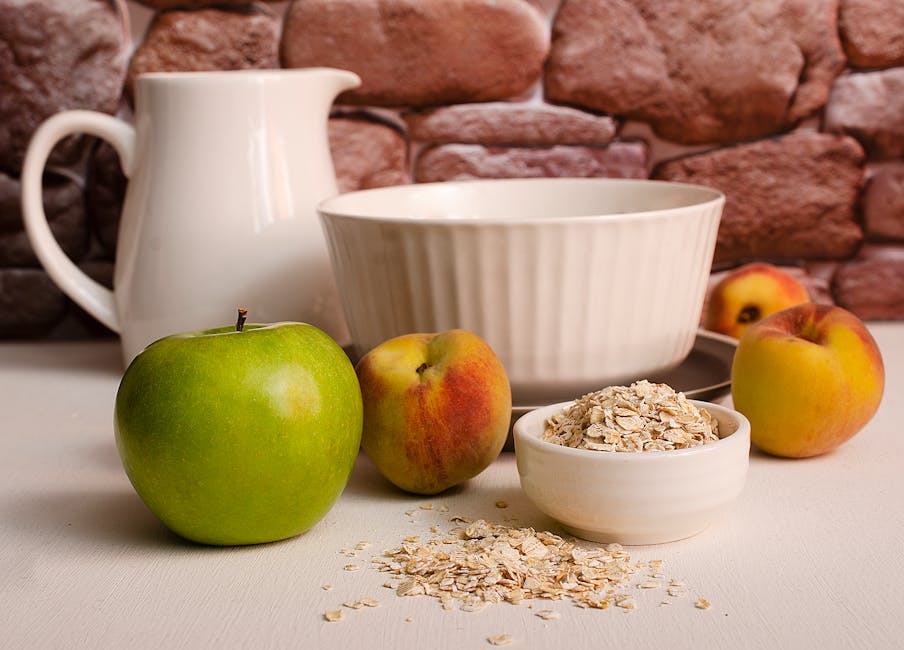
- Start Your Day with Whole Grains: Opt for oatmeal or whole grain cereal for breakfast to kickstart your fiber intake.
- Snack on Fruits and Vegetables: Choose fresh fruits like apples or vegetables like carrots for snacks to increase your fiber consumption naturally.
- Incorporate Legumes: Add beans, lentils, or chickpeas to salads, soups, or stews to boost the fiber content of your meals.
- Choose Whole Grain Options: Replace white bread, pasta, and rice with their whole grain counterparts to enhance your overall fiber intake.
7.3 The Role of Probiotic Foods in Digestion
Probiotic foods, which contain live beneficial bacteria, are believed to support digestive health by maintaining a balanced gut microbiota. This balance is crucial for efficient digestion and nutrient absorption. Foods like yogurt, kefir, sauerkraut, and kimchi are rich in probiotics and can be easily incorporated into daily meals to potentially enhance digestive function.
7.4 Meal Ideas to Enhance Gut Health
Incorporating both fiber-rich and probiotic foods into your meals can be delicious and beneficial for digestion:
- Breakfast Parfait: Layer yogurt with fresh berries and a sprinkle of granola for a fiber and probiotic-rich start to your day.
- Lunchtime Salad: Create a hearty salad with mixed greens, chickpeas, shredded carrots, and a topping of fermented sauerkraut for added probiotics.
- Whole Grain Dinner: Serve grilled fish or chicken with a side of brown rice pilaf and steamed broccoli, seasoned with olive oil and lemon juice.
- Snack on Veggies with Dip: Pair sliced bell peppers and cucumbers with hummus for a fiber and protein-packed snack.
By thoughtfully integrating fiber-rich and probiotic foods into your diet, you may support your digestive health, enhance gut motility, and potentially reduce the occurrence of digestive discomforts.