
1. Understanding Gut Health and Its Importance

1.1 The Fundamentals of Gut Health
The concept of gut health revolves around the balance and functionality of the gastrointestinal tract. This system comprises a complex network that includes the stomach, intestines, and other digestive organs, working together to break down food, absorb nutrients, and expel waste. A healthy gut is characterized by a diverse and balanced microbiome, a group of trillions of microorganisms, including bacteria, viruses, and fungi, that reside in the digestive tract.
Research suggests that these microorganisms play a crucial role in maintaining the integrity of the gut lining, aiding in digestion and nutrient absorption, and protecting against harmful pathogens. A well-functioning gut is essential for overall health, as it influences numerous bodily functions beyond digestion.
1.2 The Importance of a Balanced Digestive System
Maintaining a balanced digestive system is vital for overall well-being because it affects various aspects of health. A healthy gut is believed to support the immune system, as a significant portion of immune cells reside in the gut. This connection implies that gut health can influence the body's ability to fight infections and diseases.
Additionally, research indicates that gut health may impact mental well-being. The gut-brain axis, a bidirectional communication pathway between the gut and the brain, suggests that a balanced gut can influence mood and cognitive functions. This relationship underscores the importance of nurturing gut health for both physical and mental wellness.
1.3 How Gut Health Impacts Other Bodily Functions
The effects of gut health extend beyond digestion and immunity. It is believed that a healthy gut can contribute to maintaining a healthy weight, as the microbiome plays a role in metabolism and energy balance. Furthermore, gut health may impact cardiovascular health by influencing cholesterol and blood sugar levels.
Emerging research also highlights the potential link between gut health and skin conditions. An imbalanced gut microbiome might contribute to inflammatory skin issues, suggesting that improving gut health could support skin health. Thus, understanding and maintaining gut health is crucial for enhancing overall health and quality of life.
2. The Role of Probiotics in Gut Health

2.1 Understanding Probiotics
Probiotics are live microorganisms that, when consumed in adequate amounts, are believed to confer health benefits to the host, primarily by enhancing or restoring the gut flora. These beneficial bacteria are naturally found in fermented foods, such as yogurt, kefir, sauerkraut, and kimchi, as well as in dietary supplements. The interest in probiotics stems from their potential to promote a balanced gut microbiome, which is essential for optimal digestive health.
2.2 Probiotics and Gut Flora Balance
Research suggests that probiotics play a significant role in maintaining the balance of gut flora. They may help increase the diversity and number of beneficial bacteria in the gut, which is crucial for preventing the overgrowth of harmful bacteria. This balance is important because it supports the gut's ability to function properly, aiding in digestion, nutrient absorption, and the prevention of infections.
Moreover, probiotics are believed to help maintain the integrity of the gut lining, thereby reducing the risk of conditions such as leaky gut syndrome. By supporting the gut barrier, probiotics may help prevent harmful substances from entering the bloodstream, contributing to overall health.
2.3 Probiotics and Digestive Health
Improving digestion is one of the most well-recognized benefits of probiotics. They may help alleviate common digestive issues such as bloating, gas, and constipation by enhancing the breakdown and absorption of nutrients. Probiotics are also believed to support the production of short-chain fatty acids, which are beneficial for gut health.
Furthermore, specific strains of probiotics have been studied for their potential to manage symptoms associated with irritable bowel syndrome (IBS) and inflammatory bowel diseases (IBD), like Crohn's disease and ulcerative colitis. While more research is needed, initial findings suggest that probiotics may help reduce inflammation and improve bowel regularity in these conditions.
2.4 Probiotics and Immune Function
As a significant portion of the immune system resides in the gut, probiotics may play a role in enhancing immune function. By promoting a healthy and balanced gut microbiome, probiotics may help support the body's natural defenses against infections. Research indicates that certain probiotic strains could potentially modulate immune responses, reducing the risk of infections and autoimmune diseases.
In addition, probiotics are believed to help produce natural antibodies and stimulate immune cells, such as T lymphocytes and natural killer cells, which are crucial for fighting pathogens. This potential immune-supporting role highlights the importance of including probiotics as part of a strategy to maintain overall health.
3. The Power of Fiber for Digestive Comfort
3.1 Understanding Fiber
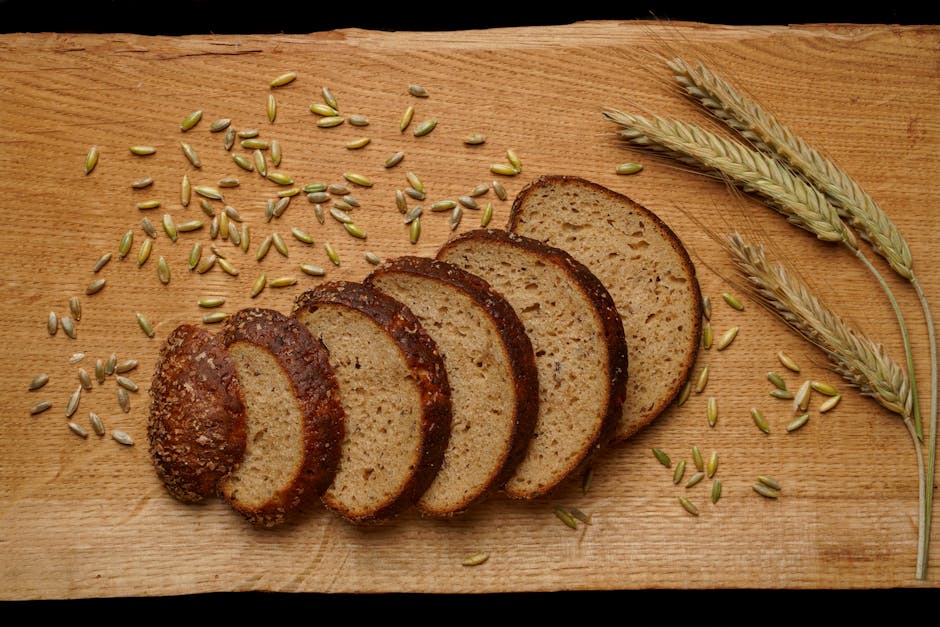
Dietary fiber is an essential component of a gut-healing diet, known for its ability to enhance digestive health and overall well-being. It is a type of carbohydrate that the body cannot digest, found in plant-based foods such as fruits, vegetables, whole grains, and legumes. Fiber is categorized into two types: soluble and insoluble, each playing distinct roles in promoting digestive comfort.
Soluble fiber dissolves in water to form a gel-like substance, which can help regulate blood sugar levels and lower cholesterol. Insoluble fiber, on the other hand, does not dissolve in water and adds bulk to the stool, aiding in its passage through the digestive tract. Both types of fiber are believed to be crucial for maintaining regular bowel movements and preventing digestive discomfort.
3.2 Fiber and Regular Bowel Movements
One of the most notable benefits of fiber is its role in promoting regular bowel movements. Research suggests that fiber increases stool bulk and softens it, which can help prevent constipation. By facilitating the movement of waste through the digestive system, fiber helps maintain bowel regularity, which is essential for preventing conditions such as hemorrhoids and diverticulitis.
Moreover, fiber is believed to help normalize bowel movements by absorbing water, thereby increasing stool weight and size. This process is particularly important for individuals suffering from irregular bowel habits, as it can help alleviate symptoms of both constipation and diarrhea.
3.3 Fiber's Role in Reducing Bloating
Bloating is a common digestive issue that can cause significant discomfort. Incorporating fiber into the diet may help reduce bloating by promoting efficient digestion and preventing the accumulation of gas in the intestines. Soluble fiber, in particular, is believed to aid in the digestion process by slowing gastric emptying, which can reduce the sensation of bloating.
However, it is important to note that a sudden increase in fiber intake can initially cause bloating and gas, as the gut adjusts to the change. Gradually increasing fiber intake and staying hydrated may help mitigate these temporary side effects and support digestive comfort in the long term.
3.4 Supporting Beneficial Gut Bacteria
Fiber plays a crucial role in supporting a healthy gut microbiome by acting as a prebiotic, a non-digestible food ingredient that promotes the growth and activity of beneficial bacteria. These beneficial bacteria, which thrive on fiber, are believed to produce short-chain fatty acids (SCFAs) as a byproduct of fermentation. SCFAs, such as butyrate, are vital for maintaining gut health as they provide energy to colon cells and help protect the gut lining.
Research suggests that a diet rich in fiber may increase the diversity and abundance of beneficial gut bacteria, which is essential for optimal digestive health. By fostering a balanced gut microbiome, fiber contributes to the prevention of digestive disorders and supports the body's overall health and immune function.
4. Key Ingredients for a Gut-Healing Smoothie

4.1 Probiotic-Rich Ingredients
Probiotics are live microorganisms that may provide health benefits when consumed in adequate amounts, particularly for gut health. Incorporating probiotic-rich foods into a smoothie can help support a balanced gut microbiome. Common ingredients include:
- Yogurt: Known for its high probiotic content, yogurt can be a creamy base for smoothies, offering strains like Lactobacillus and Bifidobacterium.
- Kefir: This fermented milk drink is rich in probiotics and can provide a tangy flavor to smoothies.
- Kimchi or Sauerkraut Juice: While unconventional, a small amount of juice from these fermented vegetables can boost probiotic content.
4.2 Fiber-Packed Ingredients
Fiber is essential for promoting regular bowel movements and maintaining a healthy digestive system. Including both soluble and insoluble fibers in a smoothie can provide comprehensive benefits:
- Oats: Rich in soluble fiber, oats can help regulate blood sugar and cholesterol levels while adding thickness to smoothies.
- Chia Seeds: These tiny seeds are an excellent source of soluble fiber, forming a gel-like consistency when mixed with liquid.
- Berries: Blueberries, strawberries, and raspberries are not only high in antioxidants but also provide a good amount of fiber.
- Leafy Greens: Kale, spinach, and other greens offer insoluble fiber, aiding in the passage of food through the digestive tract.
4.3 Digestive Aids
To further support digestion and alleviate potential discomfort, adding digestive aids to a smoothie can be beneficial. These ingredients are known for their soothing properties:
- Ginger: Known for its anti-inflammatory properties, ginger may help reduce symptoms of bloating and nausea.
- Turmeric: This spice contains curcumin, which is believed to support digestion and reduce inflammation.
- Pineapple: Pineapple contains bromelain, an enzyme that may aid in protein digestion.
- Mint: Fresh mint leaves can add a refreshing flavor and are thought to help soothe digestive discomfort.
4.4 Hydration and Fluid Balance
Maintaining proper hydration is crucial for digestive health, as it helps fiber work effectively in the body. Including hydrating ingredients can enhance the smoothie’s gut-healing properties:
- Coconut Water: A natural source of electrolytes and hydration, coconut water can be a light and refreshing smoothie base.
- Cucumber: With high water content, cucumber adds a hydrating element and a mild flavor.
- Aloe Vera Juice: Known for its soothing properties, aloe vera juice may support hydration and digestive health.
5. Crafting the Perfect Gut-Healing Smoothie Recipe
5.1 Selecting the Base
Choosing the right base for your smoothie is crucial as it sets the tone for both flavor and texture. For a gut-healing smoothie, consider bases that are both hydrating and probiotic-rich to support digestive health:
- Yogurt: Provides a creamy texture and a rich source of probiotics.
- Kefir: Offers a tangy twist with its high probiotic content.
- Coconut Water: A hydrating base that is light and refreshing.
5.2 Adding Probiotic-Rich Ingredients
Boost the probiotic content of your smoothie by incorporating the following ingredients, which may help to balance the gut microbiome:
- Kimchi or Sauerkraut Juice: Add a small amount for a probiotic punch.
- Fermented Plant-Based Yogurt: An excellent option for those avoiding dairy.
5.3 Incorporating Fiber for Digestive Support
Fiber is essential for maintaining regular bowel movements and promoting overall digestive health. Consider adding these fiber-rich ingredients:
- Oats: Provide soluble fiber that helps thicken the smoothie.
- Chia Seeds: Create a gel-like consistency that aids digestion.
- Berries: Add both flavor and fiber.
- Leafy Greens: Introduce insoluble fiber for digestive regularity.
5.4 Enhancing with Digestive Aids
To further support digestion and alleviate discomfort, incorporate these digestive aids into your smoothie:
- Ginger: May help reduce bloating and nausea.
- Turmeric: Believed to support digestion with its anti-inflammatory properties.
- Pineapple: Contains enzymes that may aid in protein digestion.
- Mint: Adds a refreshing flavor and may soothe digestive issues.
5.5 Ensuring Proper Hydration
Hydration plays a key role in digestive health. Consider adding these hydrating ingredients to your smoothie:
- Cucumber: Adds a hydrating element with its high water content.
- Aloe Vera Juice: Known for its soothing and hydrating properties.
5.6 Blending Instructions
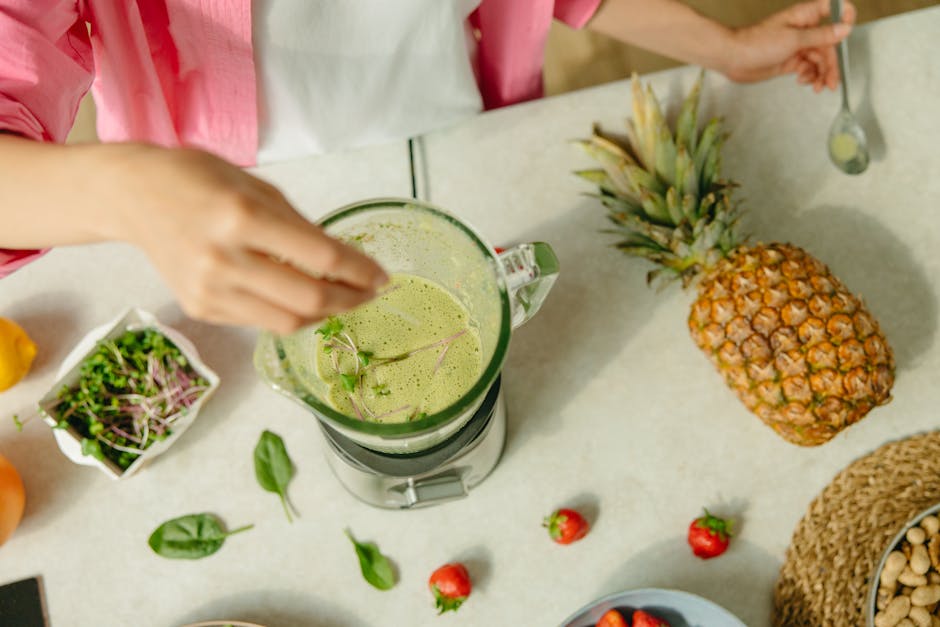
Once you've gathered your ingredients, follow these simple steps to craft your gut-healing smoothie:
- Add your chosen base to the blender.
- Incorporate probiotic-rich ingredients.
- Add fiber-rich components.
- Include digestive aids.
- Finish with hydrating elements.
- Blend until smooth and creamy.
- Taste and adjust flavors as needed.
Enjoy your nutrient-packed gut-healing smoothie as part of a balanced diet to support digestive health.
6. Tips for Customizing Your Gut-Healing Smoothie
6.1 Understanding Your Dietary Needs
When crafting a gut-healing smoothie, it is important to consider your unique dietary requirements. Whether you're managing allergies, intolerances, or specific nutritional goals, customizing your smoothie can help ensure it aligns with your health needs. Start by identifying any ingredients you need to avoid or prioritize based on your personal dietary plan.
6.2 Flavor Preferences
To make your smoothie enjoyable, tailor the flavors to your liking. Experiment with different combinations of fruits, vegetables, and spices to find a balance that suits your palate. For a sweeter smoothie, consider adding natural sweeteners like honey or dates, while for a tangier profile, citrus fruits or a splash of apple cider vinegar can enhance the taste.
6.3 Adjusting Consistency
The texture of your smoothie plays a significant role in its appeal. To achieve your desired consistency, adjust the amount of liquid or base used. If you prefer a thicker smoothie, incorporate ingredients like avocado or banana. For a lighter blend, increase the liquid base or add more hydrating elements such as cucumber or aloe vera juice.
6.4 Incorporating Seasonal Ingredients
Utilizing seasonal ingredients not only supports local agriculture but also ensures fresher and more nutrient-rich components in your smoothie. Adjust your recipes to include seasonal fruits and vegetables, which can offer variety and keep your smoothies exciting throughout the year.
6.5 Boosting Nutritional Content
Enhance the nutritional profile of your smoothie by adding superfoods or supplements that align with your health goals. Ingredients like spirulina, flaxseeds, or collagen peptides can offer additional health benefits. Always ensure any new additions fit your dietary needs and consult with a healthcare provider if necessary.
6.6 Experimenting with Proportions
Don't hesitate to experiment with the proportions of each ingredient to find the perfect balance. Some may prefer more fruits, while others might increase the greens or fiber content. Tweak the ratios and document your combinations to replicate your favorite blends in the future.
6.7 Creating a Balanced Profile
A well-rounded smoothie should ideally include a blend of carbohydrates, proteins, and healthy fats. This balance can help sustain energy levels and promote satiety. Consider adding nuts, seeds, or protein sources like Greek yogurt to achieve a comprehensive nutritional profile.
By following these tips, you can create a gut-healing smoothie that's not only tailored to your individual needs but also enjoyable and satisfying.
7. Evidence-Based Benefits of Gut-Healing Smoothies

7.1 Supporting Digestive Health
Research suggests that incorporating gut-healing smoothies into your diet may support digestive health by providing essential nutrients and promoting a balanced gut microbiome. Ingredients such as fiber-rich fruits and vegetables, probiotics, and prebiotics can contribute to improved digestion and regular bowel movements.
7.2 Enhancing Nutrient Absorption
Gut-healing smoothies often contain ingredients that are believed to enhance nutrient absorption. For instance, the presence of digestive enzymes in certain fruits, like papaya and pineapple, may help break down food more efficiently, allowing the body to absorb nutrients more effectively.
7.3 Reducing Inflammation
Chronic inflammation in the gut is a common issue that can lead to various digestive disorders. Studies indicate that anti-inflammatory ingredients, such as ginger, turmeric, and leafy greens, included in gut-healing smoothies may help reduce inflammation and promote gut health.
7.4 Balancing Gut Microbiota
The inclusion of probiotics and prebiotics in gut-healing smoothies is believed to support a balanced gut microbiota. A healthy gut microbiome is linked to improved digestion, enhanced immune function, and reduced risk of gastrointestinal issues. Fermented foods like yogurt and kefir, often used in smoothies, are rich sources of beneficial bacteria.
7.5 Supporting Overall Well-Being
Beyond digestive health, gut-healing smoothies may contribute to overall well-being. The vitamins, minerals, and antioxidants found in these smoothies can support immune function, improve energy levels, and promote skin health. Furthermore, the hydration provided by smoothies can enhance physical and mental performance.
Incorporating gut-healing smoothies into a balanced diet can offer a range of benefits, as supported by scientific research. However, it is important to tailor these smoothies to individual dietary needs and preferences to maximize their positive effects.
8. Additional Lifestyle Tips for Enhancing Gut Health

8.1 Prioritize a Fiber-Rich Diet
Research suggests that consuming a diet rich in fiber can promote a healthy gut by supporting bowel regularity and feeding beneficial gut bacteria. Whole grains, legumes, fruits, and vegetables are excellent sources of dietary fiber that may complement the benefits of gut-healing smoothies.
8.2 Stay Hydrated
Proper hydration is essential for maintaining digestive health. Water aids in the digestion and absorption of nutrients and helps move food through the digestive tract. Consuming adequate fluids throughout the day, including water-rich foods and beverages, can support overall gut function.
8.3 Manage Stress Levels
Chronic stress is believed to negatively impact gut health by altering gut microbiota and increasing inflammation. Engaging in stress-reducing activities such as yoga, meditation, or deep breathing exercises may help maintain a healthy gut environment.
8.4 Maintain Regular Physical Activity
Regular exercise is thought to promote gut health by increasing gut motility and supporting a balanced microbiome. Activities like walking, cycling, or swimming can be beneficial. Aim for consistent, moderate physical activity to enhance digestive health and overall well-being.
8.5 Get Sufficient Sleep
Quality sleep is crucial for gut health, as it allows the body to repair and regenerate. Poor sleep patterns may disrupt the gut microbiome and lead to digestive issues. Establishing a regular sleep schedule and creating a restful environment can help improve sleep quality.
8.6 Limit Processed Foods
Processed foods often contain additives and preservatives that may harm gut health. Reducing the intake of highly processed foods and opting for whole, unprocessed alternatives can support a healthier gut microbiome and improve digestive function.
8.7 Mindful Eating Practices
Practicing mindful eating by chewing food thoroughly and savoring each bite may aid digestion and prevent overeating. Taking the time to enjoy meals without distractions can lead to better digestion and nutrient absorption.
By incorporating these lifestyle changes alongside the consumption of gut-healing smoothies, individuals can adopt a holistic approach to enhancing digestive health. These practices may support a balanced gut environment, contributing to improved digestive comfort and overall well-being.