1. Understanding Herbal Tinctures
1.1 Definition and Composition
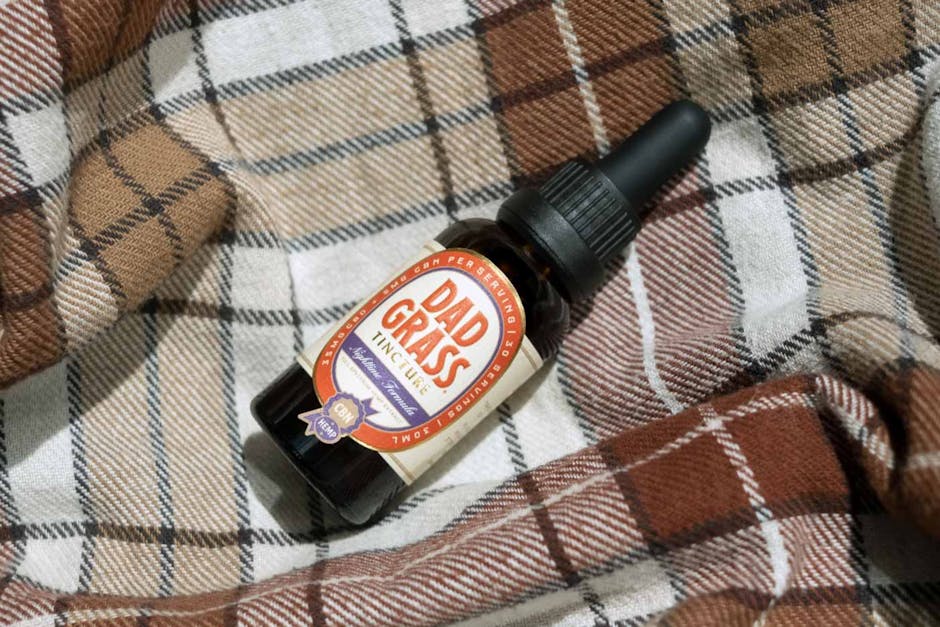
Herbal tinctures are concentrated liquid extracts derived from plants. Typically, they are made by soaking herbs in alcohol or vinegar to extract the active compounds. This process captures the essence of the herb, preserving its therapeutic properties in a potent and easily absorbable form. Unlike other herbal remedies such as teas or capsules, tinctures offer the convenience of rapid absorption and ease of use, which may be particularly beneficial for individuals seeking alternative options for digestive health support.
1.2 Historical Use in Digestive Health
Historically, herbal tinctures have been used across various cultures for their purported health benefits. They have played a significant role in traditional medicine systems around the world, including Ayurveda and Traditional Chinese Medicine. These tinctures were often employed to support digestive health, believed to soothe the digestive tract, enhance digestion, and alleviate symptoms like bloating and discomfort. While modern science continues to explore their efficacy, historical use underlines their longstanding importance in natural health practices.
1.3 Differences from Other Herbal Remedies
Herbal tinctures differ from other herbal remedies in several key aspects. The extraction process used in tinctures concentrates the active ingredients, which may result in a more potent remedy compared to dried herbs or capsules. The liquid form allows for flexible dosing and rapid absorption, potentially leading to quicker onset of effects. In contrast, teas are generally less concentrated and may require larger quantities to achieve similar results. Capsules offer convenience but may not provide the same level of bioavailability as tinctures. Choosing between these forms depends on individual preferences and health goals, as well as the specific digestive health needs being addressed.
2. The Science Behind Herbal Tinctures and Digestion

2.1 Evidence Supporting Herbal Tinctures for Stomach Health
Research into herbal tinctures has shown promise in supporting various aspects of stomach health. These liquid extracts, being concentrated forms of herbs, contain active compounds that may offer therapeutic benefits for the digestive system. Scientific studies have explored the potential of certain herbs, commonly used in tinctures, to aid digestion and alleviate symptoms associated with digestive disorders. The efficacy of these tinctures is believed to be linked to the bioavailability of the active constituents, which are readily absorbed by the body.
2.2 Key Herbs in Digestive Health: Ginger and Peppermint
2.2.1 Ginger
Ginger is one of the most well-studied herbs for digestive health. Research suggests that ginger may support digestion by stimulating saliva, bile, and gastric enzyme production, which are essential for breaking down food. Studies have also indicated that ginger can help reduce nausea and vomiting, making it a common recommendation for individuals experiencing digestive discomfort. Ginger's anti-inflammatory and antioxidant properties may further contribute to its beneficial effects on the digestive system.
2.2.2 Peppermint
Peppermint is another herb frequently used in tinctures for its digestive benefits. The active compound in peppermint, menthol, is believed to have a soothing effect on the gastrointestinal tract. Research has demonstrated that peppermint oil can help alleviate symptoms of irritable bowel syndrome (IBS), such as abdominal pain and bloating. The antispasmodic properties of peppermint may relax the muscles of the intestines, which can reduce discomfort and improve overall digestive function.
2.3 Mechanisms of Action
The mechanisms by which herbal tinctures exert their effects on digestion are complex and multifaceted. Active compounds in herbs like ginger and peppermint interact with the body's biological systems, potentially influencing digestive processes at the molecular level. These interactions may include modulation of gut motility, enzyme activity, and neurotransmitter release, all of which can contribute to enhanced digestive health. Further research is needed to fully elucidate these mechanisms and validate the clinical efficacy of herbal tinctures in digestive health management.
2.4 Limitations and Considerations
While the scientific evidence supporting the use of herbal tinctures for digestion is promising, it is important to recognize the limitations of current research. Much of the evidence is derived from small-scale studies or historical use, which may not always translate to widespread clinical efficacy. Additionally, the quality and concentration of tinctures can vary, impacting their effectiveness. Individuals interested in using herbal tinctures should consult with healthcare professionals to ensure their safe and appropriate use, especially if they have underlying health conditions or are taking other medications.
3. Selecting the Right Herbs for Digestive Support

Choosing the right herbs for digestive support involves understanding which herbs have been proven effective through scientific research and traditional use. This section will focus on three herbs: fennel, chamomile, and dandelion, highlighting their potential benefits for digestive health.
3.1 Fennel: An Ancient Remedy
Fennel has a long history of use in traditional medicine for its digestive benefits. Research suggests that fennel seeds may help reduce bloating and gas due to their carminative properties, which help expel gas from the digestive tract. Furthermore, fennel is believed to stimulate the production of gastric enzymes, aiding in the digestion of food and absorption of nutrients. The herb's antispasmodic properties may also help relax the muscles in the gastrointestinal tract, providing relief from cramping and discomfort.
3.2 Chamomile: A Soothing Solution
Chamomile is well-known for its calming effects, but it also offers potential benefits for digestive health. Studies indicate that chamomile may help soothe the stomach lining and reduce inflammation, making it beneficial for individuals with gastritis or acid reflux. Chamomile is believed to have antispasmodic and anti-inflammatory properties, which can help relax the intestinal muscles and alleviate symptoms like indigestion and nausea. Its gentle nature makes it a popular choice for those seeking a mild herbal remedy for digestive issues.
3.3 Dandelion: Enhancing Digestive Function
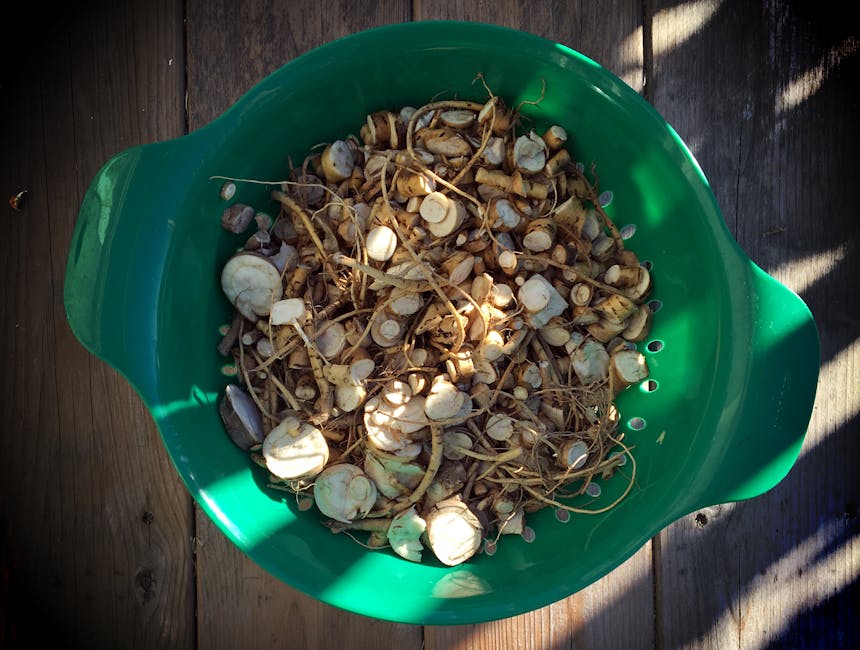
Dandelion is often viewed as a weed, but it has been used in herbal medicine for centuries, particularly for its digestive benefits. Research suggests that dandelion root may support liver and gallbladder function, which are crucial for digestion and detoxification. The herb is believed to stimulate bile production, aiding in the digestion of fats and promoting a healthy appetite. Additionally, dandelion's diuretic properties may help eliminate toxins from the body, supporting overall digestive health.
3.4 Considerations for Choosing Herbs
When selecting herbs for digestive support, it's important to consider individual health needs and potential interactions with medications. Consulting with a healthcare provider can help ensure that the chosen herbs are safe and appropriate for one's specific health circumstances. Additionally, the quality and form of the herb—whether in tincture, tea, or capsule form—can impact its effectiveness. Opting for high-quality, standardized herbal products can help maximize the potential benefits for digestive health.
4. Gathering Your Supplies and Ingredients

Creating herbal tinctures at home requires careful selection of tools and ingredients to ensure the final product is effective and safe. This section provides an overview of the essential supplies and guidance on choosing high-quality herbs and alcohol bases for tincture preparation.
4.1 Essential Tools for Tincture Preparation
Before embarking on the tincture-making process, it is important to gather the necessary tools. These tools not only facilitate the process but also help in maintaining the quality and efficacy of the tincture.
- Glass Jars: Use sterilized glass jars with tight-fitting lids for macerating the herbs in the alcohol solution. Glass is preferred over plastic to avoid chemical leaching.
- Measuring Cups and Spoons: Accurate measurement of herbs and alcohol ensures the correct concentration of the tincture.
- Strainer or Cheesecloth: A fine-mesh strainer or cheesecloth is needed to separate the liquid tincture from the solid herbal material.
- Dark Glass Bottles: Store the finished tincture in dark glass bottles to protect it from light exposure, which can degrade the potency of the herbs.
- Labels: Clearly label each bottle with the name of the herb, the alcohol base used, and the date of preparation to keep track of your tinctures.
4.2 Selecting High-Quality Herbs
The quality of herbs used in tincture preparation significantly influences the effectiveness of the final product. Here are some tips for selecting high-quality herbs:
- Source: Purchase herbs from reputable suppliers who provide organic or wild-crafted options. Avoid herbs that have been exposed to pesticides or chemicals.
- Freshness: Use fresh or properly dried herbs for maximum potency. Fresh herbs should be vibrant in color and aromatic, while dried herbs should be free from mold and moisture.
- Species Specificity: Ensure that you are using the correct species of herb, as different species can have varying properties and effects.
4.3 Choosing the Right Alcohol Base
The choice of alcohol base is crucial in tincture preparation, as it acts as a solvent to extract the active constituents from the herbs. Consider the following when selecting an alcohol base:
- Type: Vodka or brandy is commonly used due to their neutral flavor and high alcohol content. Grain alcohol can also be used for a stronger extraction.
- Proof: A higher proof alcohol (typically 80-100 proof) is recommended as it effectively extracts both water-soluble and alcohol-soluble compounds from the herbs.
- Purity: Ensure the alcohol is food-grade and free from additives or flavorings that might interfere with the tincture's purity.
By gathering the right supplies and ingredients, you set the foundation for creating potent and effective herbal tinctures. The subsequent steps in the tincture-making process will build upon this critical groundwork.
5. Step-by-Step Guide to Making Herbal Tinctures
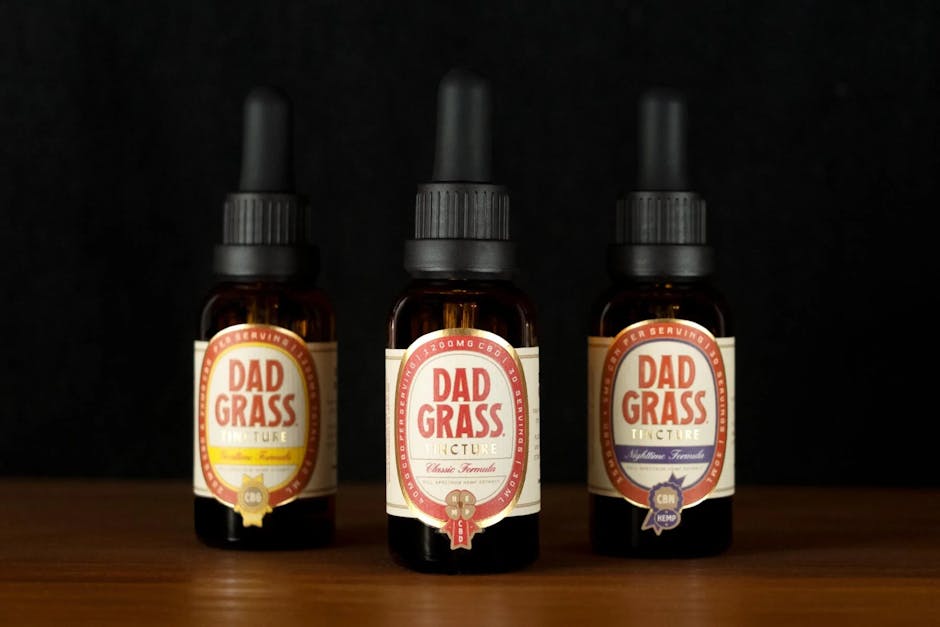
Creating your own herbal tinctures can be a rewarding process, allowing for personalized remedies tailored to support your digestive health. This guide outlines the key steps involved in crafting tinctures, from preparation to bottling and storage.
5.1 Preparing Your Workspace
A clean and organized workspace is essential to ensure the quality and safety of your tincture. Follow these preparatory steps:
- Clean Surfaces: Wipe down all surfaces with a non-toxic cleaner to remove any contaminants.
- Organize Tools: Arrange all necessary tools and ingredients within easy reach to streamline the process.
- Sanitize Equipment: Sterilize all glass jars and utensils to prevent any microbial contamination.
5.2 Measuring and Mixing Ingredients
Accurate measurement and mixing are crucial to achieving the desired potency and effectiveness of your tincture. Here's how to proceed:
- Measure Herbs: Using a scale or measuring cup, measure the required amount of herbs, ensuring consistency with each batch.
- Combine with Alcohol: Place the measured herbs in a sterilized glass jar and pour the chosen alcohol over them, ensuring the herbs are fully submerged.
- Seal and Shake: Secure the lid tightly and shake the jar to mix the contents thoroughly.
5.3 Macerating the Herbs
Maceration allows the active constituents of the herbs to infuse into the alcohol over time. Follow these guidelines:
- Duration: Store the jar in a cool, dark place for a period ranging from two to six weeks. Shake the jar daily to aid the extraction process.
- Observation: Regularly check the jar for any signs of spoilage or contamination, such as mold growth.
5.4 Straining and Bottling
Once the maceration period is complete, it's time to strain and bottle your tincture:
- Strain: Using a fine-mesh strainer or cheesecloth, filter the liquid into a clean bowl, ensuring all solids are removed.
- Transfer: Pour the strained liquid into dark glass bottles using a funnel to avoid spillage.
- Label: Clearly label each bottle with the contents and the date of preparation for future reference.
5.5 Storing Your Tincture
Proper storage is vital to maintain the potency and longevity of your tincture. Consider the following tips:
- Cool, Dark Place: Store bottles in a cool, dark location to protect them from light and heat, which can degrade the tincture.
- Shelf Life: Tinctures can last several years if stored properly, but regular checks for clarity and aroma are advised to ensure continued quality.
By following these detailed steps, you can create effective herbal tinctures that may support your digestive health and overall well-being. Always remember that the quality of your ingredients and the care taken during the preparation process are key to producing a reliable and beneficial product.
6. Dosage and Safety Considerations

6.1 Importance of Correct Dosing
The effectiveness of herbal tinctures is closely tied to the dosage used. Research suggests that appropriate dosing is crucial to harnessing the benefits of herbal remedies while minimizing potential risks. Understanding the recommended usage guidelines for each specific herb is essential, as this can vary widely depending on the herb's potency and intended effect.
- Consultation: It is recommended to consult with a healthcare provider or a trained herbalist to determine a dosage that aligns with individual health needs and conditions.
- Gradual Introduction: Introducing tinctures gradually into your routine may help monitor the body's response and adjust the dosage as necessary.
6.2 Potential Side Effects
While herbal tinctures are generally considered safe, they may cause side effects in some individuals, particularly when not used as directed. It's important to be aware of any adverse reactions, which could include:
- Gastrointestinal Distress: Some herbs may cause stomach upset, nausea, or other digestive issues.
- Allergic Reactions: Allergies to specific herbs can manifest as skin rash, itching, or breathing difficulties.
- Herb-Drug Interactions: Certain herbs can interact with prescription medications, potentially altering their effects.
Research suggests that monitoring your body's response to new tinctures and discontinuing use if adverse effects occur is a prudent approach.
6.3 Safety Tips for Effective Use
Ensuring the safe use of herbal tinctures involves several considerations that can aid in maximizing their benefits while minimizing risks:
- Quality Assurance: Choose high-quality, reputable sources for your herbs to avoid contamination and ensure purity.
- Proper Storage: Store tinctures in a cool, dark place to preserve their integrity and potency over time.
- Child Safety: Keep tinctures out of reach of children to prevent accidental ingestion.
- Regular Review: Periodically reassess the necessity and dosage of the tincture as health conditions and needs may change over time.
By adhering to these dosage and safety considerations, individuals can optimize the use of herbal tinctures as part of their natural health regimen. It is crucial to remain informed and cautious to ensure the best outcomes.
7. Incorporating Tinctures into Your Daily Routine

Integrating herbal tinctures into your daily routine can be a practical approach to supporting digestive health. By carefully considering timing, pairing with meals, and creating a consistent regimen, you can seamlessly include these natural remedies into your lifestyle.
7.1 Establishing a Consistent Routine
Consistency is key when it comes to optimizing the benefits of herbal tinctures. Research suggests that regular usage, at the same time each day, can help maintain stable herbal levels in the body, promoting more consistent digestive support.
- Morning Ritual: Incorporating tinctures into a morning routine can set a positive tone for the day, potentially balancing digestive processes early on.
- Evening Relaxation: Taking tinctures in the evening may support digestion during sleep, a time when the body naturally shifts focus to restorative processes.
7.2 Pairing Tinctures with Meals
Combining tinctures with meals can enhance their effectiveness by facilitating better absorption and minimizing potential digestive discomfort. It is believed that taking tinctures with food can ease the digestive process and support nutrient assimilation.
- Before Meals: Consuming tinctures prior to meals may help prepare the digestive system for the incoming food, potentially reducing bloating or indigestion.
- With Meals: Mixing tinctures into food or beverages can make consumption more convenient and palatable, especially for those sensitive to the taste.
7.3 Adapting to Lifestyle Changes
Life can be unpredictable, and adapting your tincture routine to fit lifestyle changes is essential for maintaining their benefits. Flexibility in your approach can ensure that tinctures remain a part of your health regimen even during busy or stressful periods.
- Travel-Friendly Options: Consider portable tincture bottles for easy transport when traveling, allowing you to maintain your routine on the go.
- Stress Management: During periods of stress, adjust the timing or formulation of tinctures to better support your body's needs, potentially enhancing resilience.
By thoughtfully integrating tinctures into your daily routine, you can enhance their potential benefits while supporting overall digestive health. A personalized approach, tailored to your lifestyle and health goals, can make all the difference in achieving desired outcomes.
8. Evaluating the Effectiveness of Your Tinctures
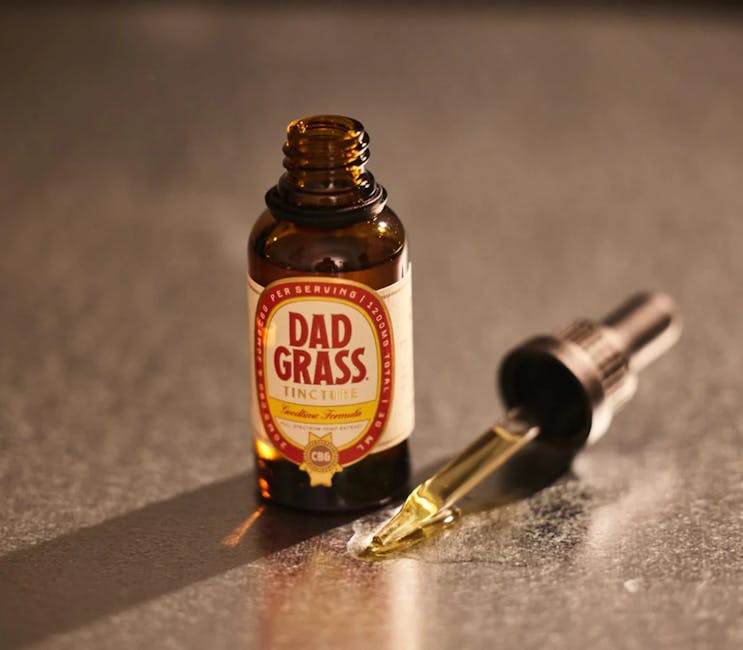
Assessing the impact of herbal tinctures on stomach health is crucial to understanding their effectiveness and making necessary adjustments. This evaluation process involves tracking changes, identifying improvements, and refining formulations for optimal results. By adopting a systematic approach, you can ensure that your tincture regimen continues to support your digestive well-being effectively.
8.1 Tracking Changes in Digestive Health
To evaluate the effectiveness of your tinctures, it is important to monitor changes in your digestive health over time. Research suggests that keeping a detailed record of your experiences can provide valuable insights into how your body responds to different formulations.
- Symptom Diary: Maintain a diary to note any changes in symptoms such as bloating, heartburn, or indigestion. This can help identify patterns or improvements related to tincture usage.
- Weekly Check-Ins: Schedule regular check-ins with yourself to review your symptom diary and assess any noticeable changes in your digestive health.
8.2 Adjusting Formulations for Improved Results
Based on your observations, you may find it necessary to adjust your tincture formulations to better suit your needs. This adaptability is essential for optimizing the benefits of herbal remedies.
- Experimentation: If certain symptoms persist, consider experimenting with different tincture combinations or ingredients to find what works best for you.
- Consultation: Consulting with a qualified herbalist can provide expert guidance on adjusting formulations and ensuring your tincture regimen aligns with your health goals.
8.3 Long-Term Evaluation
Evaluating the long-term effectiveness of tinctures is key to maintaining their benefits. Regular assessments can ensure that your regimen continues to support your digestive health effectively.
- Quarterly Reviews: Conduct comprehensive reviews every few months to evaluate the overall impact of tinctures on your digestive health and make informed decisions about any necessary changes.
- Goal Reassessment: As your health evolves, reassess your goals and adjust your tincture regimen to reflect any new priorities or health objectives.
By systematically evaluating the effectiveness of your tinctures, you can optimize their benefits and maintain a regimen that supports your digestive well-being. This thoughtful approach ensures that your health journey remains dynamic and responsive to your body's changing needs.