
1. Understanding Turmeric's Active Ingredients
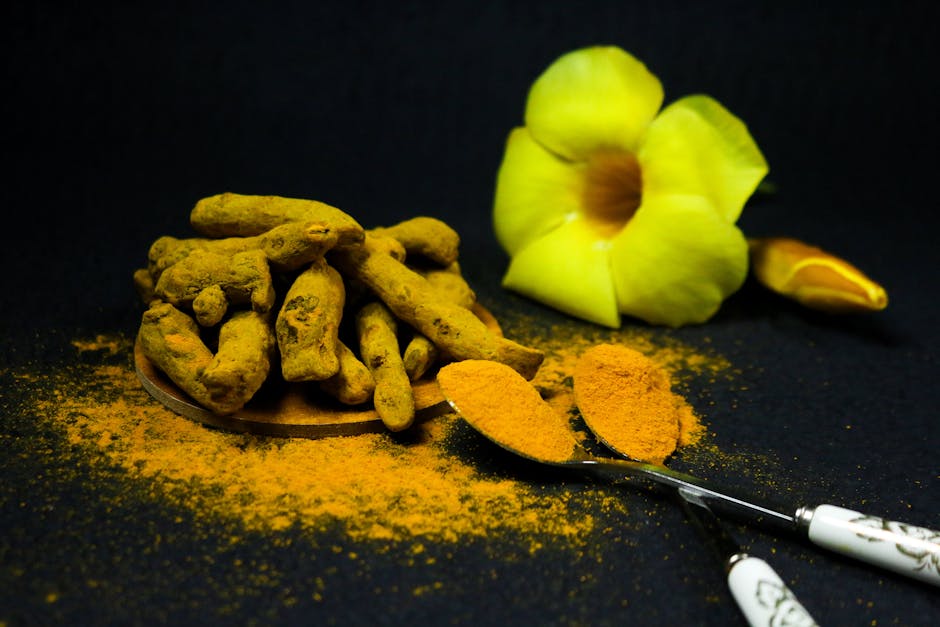
Turmeric, a staple in traditional medicine and culinary practices, is renowned for its vibrant color and potential health benefits. This section explores the active compounds within turmeric that may contribute to promoting digestive health, particularly for individuals managing GERD.
1.1 Curcumin: The Primary Compound
Curcumin is the most studied compound in turmeric and is believed to be largely responsible for its health-promoting properties. Research suggests that curcumin may support digestive health by:
- Anti-inflammatory Effects: Curcumin is thought to possess anti-inflammatory properties, which may help reduce inflammation in the digestive tract, a common concern for individuals with GERD.
- Antioxidant Activity: As an antioxidant, curcumin may help neutralize free radicals in the body, potentially protecting digestive tissues from oxidative stress.
- Modulating Digestive Enzymes: Curcumin may influence the activity of certain digestive enzymes, aiding in more efficient digestion and nutrient absorption.
1.2 Other Bioactive Compounds
Beyond curcumin, turmeric contains several other bioactive compounds that might contribute to its digestive benefits:
- Turmerones: These volatile oils, present in turmeric, are believed to have anti-inflammatory properties and may work synergistically with curcumin to support gut health.
- Polysaccharides: Turmeric's polysaccharides are thought to have prebiotic effects, potentially supporting a healthy balance of gut microbiota.
- Essential Oils: The essential oils in turmeric may help improve digestion and alleviate gastrointestinal discomfort, which can be beneficial for managing GERD symptoms.
By understanding these active ingredients, individuals can better appreciate how turmeric might support digestive health. While turmeric's compounds are not a cure, they offer potential complementary benefits that may aid in the management of GERD symptoms.
2. The Science Behind Turmeric and Digestive Health

Turmeric has long been celebrated in traditional medicine, but modern science is increasingly exploring its potential benefits for digestive health. This section delves into the scientific studies and clinical evidence that support turmeric's efficacy in alleviating common digestive issues such as bloating, gas, and indigestion.
2.1 Anti-Inflammatory Properties and Digestive Health
One of the primary ways turmeric is believed to support digestive health is through its anti-inflammatory properties, primarily attributed to curcumin. Inflammation is a common underlying issue in various digestive disorders, including GERD. Research suggests that curcumin may help reduce inflammation in the gastrointestinal tract, potentially alleviating symptoms such as bloating and discomfort.
Several studies have shown that curcumin can modulate inflammatory pathways in the digestive system. By inhibiting certain enzymes and cytokines involved in the inflammatory process, curcumin may help soothe the digestive tract and improve overall gut health.
2.2 Antioxidant Effects and Gut Protection
Turmeric is also recognized for its antioxidant properties, which can play a critical role in digestive health. Oxidative stress is believed to contribute to the degradation of digestive tissues, leading to conditions such as indigestion and gas. Curcumin's antioxidant activity may help neutralize free radicals, protecting the digestive system from oxidative damage.
Clinical trials have explored curcumin's potential to enhance antioxidant defenses in the gut, suggesting that it may help maintain the integrity of the gastrointestinal lining and support overall digestive function.
2.3 Modulation of Gut Microbiota
Emerging research indicates that turmeric may influence the composition of gut microbiota, the community of microorganisms residing in the digestive tract. A balanced gut microbiome is crucial for digestive health, and turmeric's polysaccharides are thought to exhibit prebiotic effects that support beneficial gut bacteria.
Studies have observed changes in gut microbiota composition with turmeric supplementation, suggesting that it may promote a healthier and more balanced microbial environment. This balance is essential for reducing symptoms such as gas and bloating, which are often associated with dysbiosis in the gut.
2.4 Enhancing Digestive Enzyme Activity
Another area of interest is turmeric's potential to modulate digestive enzyme activity. Efficient digestion relies on the proper functioning of enzymes that break down food components. Research suggests that curcumin may enhance the activity of these enzymes, facilitating better digestion and nutrient absorption.
By supporting the digestive process, turmeric may help alleviate symptoms of indigestion and promote a smoother digestive experience, making it a valuable ally for those managing GERD symptoms.
In summary, while turmeric is not a cure for digestive issues, its scientifically explored properties offer promising complementary benefits. These findings contribute to a growing body of evidence supporting turmeric's role in promoting digestive health and managing common symptoms associated with GERD.
3. Anti-Inflammatory Properties of Turmeric

3.1 Curcumin: The Active Component
Turmeric's anti-inflammatory properties are primarily attributed to curcumin, its most active component. Curcumin is believed to interact with several molecular targets within the body, influencing inflammatory pathways that are often linked to gastrointestinal issues, including GERD. By modulating these pathways, curcumin may help in reducing the inflammation that contributes to digestive discomfort.
3.2 Impact on Gastrointestinal Inflammation
Research suggests that curcumin may inhibit certain enzymes and cytokines that play a role in the inflammatory process within the gastrointestinal tract. This inhibition may lead to a reduction in inflammation, which is commonly associated with digestive disorders such as GERD. By potentially soothing the gut lining, curcumin might help alleviate symptoms such as bloating, pain, and indigestion.
3.3 Improving Overall Gut Health
The anti-inflammatory effects of turmeric extend beyond symptom management; they may also contribute to improved overall gut health. Chronic inflammation in the digestive tract can lead to a compromised gut lining and disrupted digestive function. By reducing inflammation, curcumin may support the integrity of the gut barrier, promoting better nutrient absorption and digestion.
3.4 Supporting Research and Studies
Numerous studies have explored curcumin's potential in managing inflammation-related digestive issues. These studies often highlight curcumin's ability to interact with various inflammatory markers, suggesting its role in reducing gastrointestinal inflammation. While more research is needed to fully understand the mechanisms and efficacy, the current findings provide a promising outlook for those seeking natural ways to support their digestive health.
In conclusion, while turmeric and its active compound, curcumin, are not standalone treatments for digestive disorders, their anti-inflammatory properties may offer significant benefits. By potentially reducing gastrointestinal inflammation and supporting gut health, turmeric can be considered as part of a holistic approach to managing symptoms associated with GERD and other digestive issues.
4. Turmeric in Traditional Medicine

4.1 Ayurvedic Practices
In Ayurvedic medicine, turmeric has been revered for centuries for its potential health benefits, particularly in digestive health. It is traditionally used as a digestive aid, believed to stimulate the production of bile in the liver. This, in turn, is thought to enhance the digestion and absorption of fats, an aspect that may support individuals suffering from GERD symptoms. Additionally, Ayurveda considers turmeric to be a carminative, helping to reduce bloating and gas by promoting the expulsion of intestinal gas.
4.2 Traditional Chinese Medicine
In traditional Chinese medicine (TCM), turmeric is known as "jiang huang" and is frequently used to invigorate blood circulation and alleviate pain. It is believed to balance the body's energy, or Qi, and is often employed to treat abdominal discomfort and digestive imbalances. TCM practitioners traditionally use turmeric to address stomach pain and bloating, conditions that often accompany GERD. By promoting the flow of Qi, turmeric may help harmonize the digestive system, providing relief from common digestive disturbances.
4.3 Modern Scientific Perspectives
Modern science has begun to explore the traditional uses of turmeric, particularly its role in digestive health. Research suggests that the active compound curcumin may indeed support some of the digestive benefits attributed to turmeric in traditional medicine. Studies have indicated that curcumin can stimulate bile production, which is essential for fat digestion. Additionally, its anti-inflammatory properties may help reduce gastrointestinal inflammation, a common issue in digestive disorders like GERD.
While more research is needed to fully validate the traditional claims, current findings indicate that turmeric's historical use in Ayurveda and TCM may have a scientific basis. These insights suggest that incorporating turmeric into a comprehensive approach to digestive health could be beneficial, especially for those managing GERD symptoms.
4.4 Integrating Tradition and Science
The intersection of traditional medicine and modern science offers a promising perspective on the use of turmeric for digestive health. By understanding and respecting the historical context of turmeric's use, alongside contemporary scientific research, individuals can make informed decisions about its potential benefits. Though not a cure, turmeric's role in traditional medicine and emerging scientific studies provide a valuable foundation for those seeking natural ways to support their digestive health.
5. How to Incorporate Turmeric into Your Diet for Digestive Benefits

5.1 Culinary Uses of Turmeric
Turmeric can be a versatile addition to many dishes, enhancing both flavor and potential health benefits. It is commonly used in curries, soups, and stews, where its earthy taste complements various ingredients. For those looking to incorporate turmeric into their daily meals, adding a pinch to scrambled eggs, rice dishes, or smoothies can be an easy and effective method. Turmeric powder can also be sprinkled over roasted vegetables or used in salad dressings and marinades, offering a subtle yet distinct flavor profile.
5.2 Turmeric Tea and Golden Milk
Turmeric tea, also known as "golden milk," is a popular way to consume turmeric for its purported digestive benefits. To prepare this, mix turmeric powder with warm milk or a milk alternative, adding spices such as black pepper, ginger, and cinnamon to enhance its flavor and potential health effects. Black pepper is particularly important, as it contains piperine, which may increase the absorption of curcumin, the active compound in turmeric. Drinking golden milk regularly could be a soothing ritual that supports digestive well-being.
5.3 Potential Side Effects and Considerations
While incorporating turmeric into your diet is generally considered safe, some individuals may experience side effects. Commonly reported issues include stomach upset or nausea, especially when consumed in large quantities. It is important to start with small amounts and gradually increase to assess tolerance. Those with gallbladder disease should exercise caution, as turmeric may stimulate bile production, potentially exacerbating symptoms. Consulting with a healthcare provider is advisable, particularly for individuals with underlying health conditions or those taking medications that may interact with turmeric.
5.4 Turmeric Supplements: An Alternative Option
For those who find it challenging to include turmeric in their meals, supplements offer an alternative means of consumption. Curcumin supplements, often formulated with piperine, are available in various forms, including capsules and tablets. However, it is crucial to choose high-quality supplements from reputable brands to ensure safety and efficacy. Individuals should be aware that supplements may also carry the risk of side effects and interactions, and professional guidance can aid in determining an appropriate approach.
5.5 Conclusion
Incorporating turmeric into your diet can be a flavorful way to potentially support digestive health. Whether through culinary uses or as a comforting beverage like golden milk, this vibrant spice offers a range of possibilities. While generally safe, being mindful of side effects and interactions is essential. With thoughtful integration, turmeric can be part of a holistic approach to managing digestive concerns, aligning traditional practices with modern dietary habits.
6. Delicious Turmeric-Infused Recipes for Better Digestion
6.1 Turmeric-Spiced Vegetable Stir-Fry
This vibrant vegetable stir-fry is not only a feast for the eyes but also a potential aid for digestion. The combination of turmeric with fresh vegetables like bell peppers, broccoli, and carrots creates a nutrient-rich dish. The use of turmeric adds an earthy flavor that blends well with a hint of ginger and garlic, making this an ideal meal for lunch or dinner. Pair it with brown rice or quinoa for a complete and satisfying meal.
6.2 Creamy Turmeric Lentil Soup
Lentil soup is a comforting dish that can be easily enhanced with turmeric. This recipe involves simmering red lentils with onions, tomatoes, and a dash of turmeric to create a creamy, protein-rich soup. The addition of spices like cumin and coriander can further support digestion and enhance flavor. Enjoy this soup as a hearty meal on its own or with a side of whole-grain bread.
6.3 Turmeric and Ginger Smoothie
Start your day with a refreshing turmeric and ginger smoothie. Blend together a banana, a splash of almond milk, a pinch of turmeric, and a piece of fresh ginger for a nutrient-packed breakfast. The natural sweetness of the banana complements the spice of turmeric and ginger, creating a harmonious flavor profile. This smoothie is an easy way to incorporate turmeric into your morning routine.
6.4 Grilled Turmeric Chicken Skewers
For a protein-packed meal, try grilled chicken skewers marinated in a turmeric-infused blend. Combine turmeric with olive oil, lemon juice, garlic, and a touch of black pepper for a zesty marinade. The turmeric not only imparts a beautiful golden hue but may also provide digestive support. Serve these skewers with a side of mixed greens or a quinoa salad for a balanced meal.
6.5 Turmeric-Infused Quinoa Salad
This quinoa salad brings together the earthy flavors of turmeric and the freshness of seasonal vegetables. Cook quinoa with a pinch of turmeric and mix it with cherry tomatoes, cucumber, and parsley. A dressing made from olive oil, lemon juice, and a hint of black pepper ties the flavors together, making this salad a light yet satisfying option for lunch or dinner.
6.6 Baked Turmeric Sweet Potato Fries
For a healthy snack or side dish, try baked sweet potato fries seasoned with turmeric. Slice sweet potatoes into fries, toss them with olive oil, turmeric, and your choice of herbs, then bake until crispy. The natural sweetness of the potatoes complements the earthiness of turmeric, offering a delicious alternative to traditional fries.
Incorporating these turmeric-infused recipes into your diet can be a flavorful way to potentially support your digestive health. Each dish offers a unique combination of ingredients that not only taste great but may also contribute to overall well-being.
7. Potential Side Effects and Interactions of Turmeric

7.1 Common Side Effects
While turmeric is generally considered safe for most people when consumed in moderate amounts, some individuals may experience side effects. Commonly reported side effects include digestive issues such as stomach upset, diarrhea, and nausea. These symptoms are more likely to occur when turmeric is consumed in large quantities, often in supplement form rather than as a spice in food. Research suggests that individuals with sensitive stomachs should approach turmeric supplementation with caution.
7.2 Allergic Reactions
Although rare, some people may experience allergic reactions to turmeric. Symptoms of an allergic reaction can include skin rashes, itching, or hives. If you suspect a turmeric allergy, it is important to discontinue use and consult with a healthcare professional. It is believed that individuals with known allergies to plants from the Zingiberaceae family, such as ginger, may be at a higher risk of experiencing turmeric allergies.
7.3 Drug Interactions
Turmeric may interact with certain medications, potentially altering their effectiveness or increasing the risk of side effects. For instance, turmeric is known to have blood-thinning properties, which could enhance the effects of anticoagulant and antiplatelet medications. This interaction may increase the risk of bleeding, and therefore, individuals on such medications should consult with their healthcare provider before incorporating turmeric supplements into their regimen.
7.4 Impact on Iron Absorption
There is evidence to suggest that turmeric may interfere with iron absorption in the body. This could be a concern for individuals with iron deficiency or those at risk of anemia. If you are managing your iron levels, it may be beneficial to monitor your turmeric intake or discuss its use with a healthcare professional to ensure it does not adversely affect your iron status.
7.5 Considerations for Pregnant and Nursing Women
Turmeric is commonly used as a spice in cooking, which is generally safe for pregnant and nursing women. However, the use of turmeric supplements in high doses is not recommended during pregnancy or breastfeeding due to the lack of comprehensive safety data. Pregnant and nursing women should consult with their healthcare provider to determine appropriate dietary practices and supplement use.
In conclusion, while turmeric offers numerous potential health benefits, it is important to be aware of its possible side effects and interactions with medications. Consulting with a healthcare professional can help ensure that turmeric supplementation is safe and appropriate for your individual health needs.
8. Enhancing Turmeric Absorption for Maximum Benefits
8.1 Understanding Turmeric's Bioavailability
Turmeric is renowned for its potential health benefits, largely attributed to its active compound, curcumin. However, curcumin is known for its low natural bioavailability, which means that the body absorbs it poorly in its natural state. This characteristic can limit the beneficial effects of turmeric on digestive health and other areas. Fortunately, research suggests that certain practices can enhance the absorption of curcumin, thereby maximizing its potential benefits.
8.2 The Role of Black Pepper
One of the most effective methods to enhance the absorption of turmeric is by pairing it with black pepper. Black pepper contains piperine, a compound that is believed to significantly increase the bioavailability of curcumin. Studies indicate that piperine can enhance curcumin absorption by up to 2000%, making it a powerful ally in maximizing the digestive health benefits of turmeric. Incorporating black pepper into turmeric-rich dishes may therefore be a simple yet effective strategy.
8.3 Incorporating Healthy Fats
Curcumin is fat-soluble, which means it dissolves in fat rather than water. As a result, consuming turmeric with healthy fats can improve its absorption. Examples of beneficial fats include olive oil, coconut oil, and avocados. When preparing meals with turmeric, consider using these oils or including foods rich in healthy fats to promote better absorption and utilization of curcumin by the body.
8.4 Heat and Turmeric Preparation
Cooking turmeric with heat is another method that may enhance its bioavailability. Heat is thought to potentially alter the structure of curcumin, making it more readily absorbed by the body. Incorporating turmeric in cooked meals, such as curries or stews, may therefore increase its effectiveness compared to raw consumption. However, it is important to balance heat exposure to prevent degradation of the beneficial compounds.
8.5 Leveraging Fermented Turmeric
Fermentation is an innovative approach that may improve the bioavailability of turmeric. Fermented turmeric is believed to contain pre-digested compounds, making it easier for the body to absorb. This process can also enhance the overall nutritional profile of turmeric. Products like fermented turmeric supplements or foods can be explored as an alternative method to increase curcumin absorption.
In conclusion, while turmeric offers promising potential for digestive health, its benefits can be significantly amplified through strategic practices that improve its absorption. By pairing turmeric with black pepper, incorporating healthy fats, utilizing heat, and exploring fermentation, individuals can optimize the intake and efficacy of this vibrant spice.
9. Personal Experiences and Testimonials

9.1 Finding Relief Through Turmeric
Many individuals have shared their personal journeys of incorporating turmeric into their daily routines and experiencing improvements in digestive health. For instance, some users have reported a noticeable reduction in symptoms associated with GERD, such as heartburn and bloating, after consistently using turmeric supplements. These stories provide insight into how turmeric can be integrated into a holistic approach to managing digestive issues.
9.2 Turmeric and Lifestyle Transformations
Testimonials often highlight not just the use of turmeric, but also lifestyle transformations that accompany its integration. Individuals have described how adopting a balanced diet, rich in anti-inflammatory foods like turmeric, has led to significant improvements in their overall well-being. By combining dietary changes with regular turmeric consumption, many have found a synergistic effect that supports digestive health.
9.3 Overcoming Challenges with Turmeric
While some have experienced immediate benefits, others have faced challenges in their turmeric journey. Common obstacles include the initial adjustment period, finding the right dosage, and ensuring proper absorption. Despite these challenges, many have persevered and found ways to optimize their turmeric intake, often by incorporating black pepper or healthy fats, as discussed in previous sections. These experiences underscore the importance of patience and experimentation.
9.4 Inspiring Stories of Hope
Personal stories often serve as inspiring testimonials for those struggling with similar digestive issues. For example, individuals who have been dealing with chronic digestive discomfort have shared how turmeric has played a pivotal role in their journey towards a healthier lifestyle. These narratives not only provide encouragement but also highlight the potential of natural remedies in supporting digestive health.
Overall, the diverse experiences of individuals who have integrated turmeric into their lives provide a wealth of knowledge and inspiration. While results may vary, these testimonials emphasize the potential benefits of turmeric for digestive health and the importance of a personalized approach. As with any supplement, it is recommended to consult healthcare professionals to ensure it aligns with individual health needs.