
1. Introduction to Digestive Bitters

1.1 Historical Use of Digestive Bitters
Digestive bitters have a storied history, tracing back thousands of years to traditional medicine practices across various cultures. Historically, they were crafted from bitter-tasting herbs and roots and were believed to enhance digestion by stimulating the production of digestive juices. Ancient traditions, such as Ayurveda and Traditional Chinese Medicine, incorporated bitters to help maintain digestive health and balance bodily systems.
1.2 Modern Resurgence of Digestive Bitters
In recent years, there has been a renewed interest in digestive bitters as a natural remedy for digestive concerns. This resurgence is largely driven by a growing preference for natural and holistic health solutions. Modern formulations often combine traditional knowledge with contemporary research, aiming to support digestive health in a natural and balanced manner.
1.3 Potential Benefits of Digestive Bitters
Research suggests that digestive bitters may support various facets of digestive health. They are believed to stimulate digestive enzymes and bile production, which can aid in the breakdown of food and nutrient absorption. Additionally, bitters may help alleviate occasional bloating and indigestion, offering a natural alternative for those seeking relief from common digestive discomforts.
2. The Science Behind Digestive Bitters
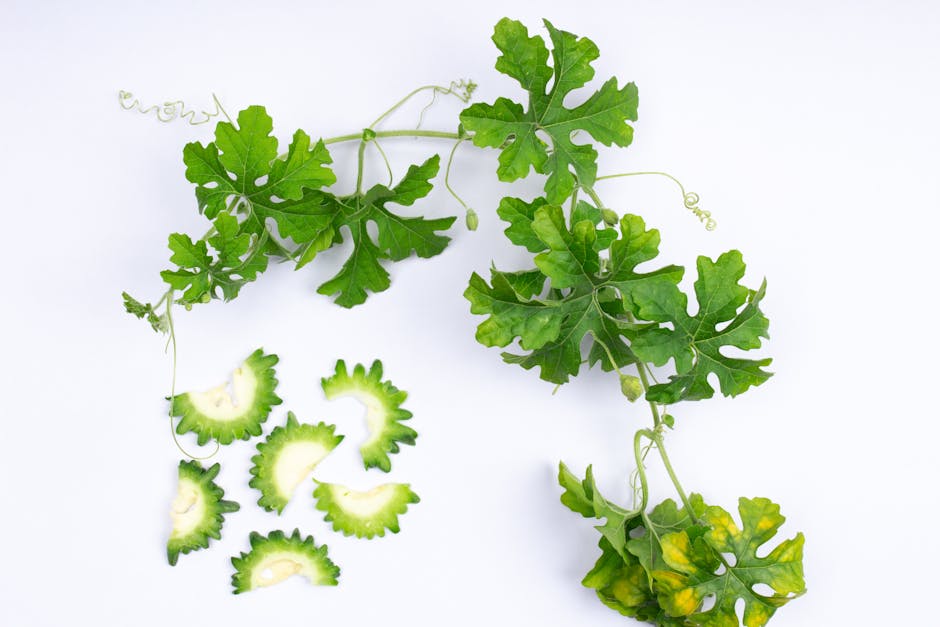
2.1 Biochemical Mechanisms of Digestive Bitters
Digestive bitters are believed to work by engaging the body's natural processes through biochemical mechanisms. The bitter compounds stimulate taste receptors on the tongue, which are linked to the nervous system. This interaction is thought to trigger a series of responses within the digestive system, initiating the production of saliva and gastric juices. These reactions are crucial for preparing the body to efficiently break down and absorb nutrients from food.
2.2 Stimulation of Enzyme Production
The stimulation of enzyme production is one of the primary roles of digestive bitters. When the bitter taste receptors are activated, signals are sent to the stomach and pancreas, where enzymes necessary for digestion are produced. These enzymes, including proteases and lipases, play a vital role in the breakdown of proteins and fats, ensuring that nutrients are more readily available for absorption by the body. This process may help improve digestive efficiency and overall gut health.
2.3 Enhancing Bile Flow
Another critical function of digestive bitters is their ability to enhance bile flow. Bile, produced by the liver and stored in the gallbladder, is essential for the digestion and absorption of dietary fats. Bitters are believed to stimulate the liver's production of bile and promote its release into the small intestine. By facilitating bile flow, digestive bitters may aid in the emulsification of fats, promoting their digestion and absorption. This action not only supports fat metabolism but also assists in the elimination of waste products from the digestive tract.
2.4 Comprehensive Impact on Digestive Health
The interplay of stimulating enzyme production and enhancing bile flow positions digestive bitters as a potentially effective natural aid for promoting digestive health. By supporting these crucial digestive processes, bitters may help alleviate common digestive discomforts, such as bloating and indigestion. The holistic approach of digestive bitters aligns with the body's natural physiology, offering a complementary option for individuals seeking to support their digestive well-being through natural means.
3. Benefits of Digestive Bitters on Digestive Health

3.1 Reducing Bloating
Digestive bitters are thought to play a significant role in alleviating bloating, a common digestive complaint. The stimulation of digestive secretions, such as enzymes and bile, may contribute to more efficient digestion and reduce the accumulation of gas in the intestines. As the digestive process becomes more effective, the incidence of bloating may decrease, providing relief for those who frequently experience this discomfort.
3.2 Enhancing Nutrient Absorption
One of the key benefits associated with the use of digestive bitters is their potential to enhance nutrient absorption. By promoting the production of digestive enzymes and bile, bitters can facilitate the breakdown of macronutrients into smaller, more absorbable molecules. This process may lead to improved assimilation of essential vitamins and minerals, supporting overall nutritional status and well-being.
3.3 Supporting Overall Gut Health
Digestive bitters are believed to support overall gut health by fostering a balanced digestive environment. The promotion of efficient digestive processes, such as the breakdown and absorption of nutrients, may contribute to a healthier gut microbiome. A well-functioning digestive system is linked to various aspects of health, including immune function and mental well-being. By integrating digestive bitters into a health regimen, individuals may support their gut health in a natural and holistic manner.
3.4 The Holistic Approach of Digestive Bitters
The holistic benefits of digestive bitters extend beyond individual digestive processes. By aligning with the body's natural mechanisms, bitters offer a comprehensive approach to digestive health. The synergy of reducing bloating, enhancing nutrient absorption, and supporting overall gut health positions digestive bitters as a valuable tool for those seeking natural solutions to maintain digestive wellness.
4. Digestive Bitters and Their Impact on Gut Microbiota

4.1 Understanding Gut Microbiota
The gut microbiota comprises trillions of microorganisms, including bacteria, viruses, fungi, and other microbes, residing in the human gastrointestinal tract. This complex ecosystem is vital for maintaining digestive health, supporting immune function, and influencing overall well-being. A balanced gut microbiota is essential for efficient digestion and nutrient absorption, and it may also play a role in protecting against gastrointestinal disorders.
4.2 The Role of Digestive Bitters in Modulating Gut Microbiota
Research suggests that digestive bitters may influence the composition and function of the gut microbiota. By promoting digestive secretions and enhancing digestive efficiency, bitters may create a favorable environment for beneficial gut bacteria. This improvement in digestive function can lead to a more balanced microbiota, potentially reducing the prevalence of harmful bacteria and promoting the growth of beneficial strains.
4.3 Evidence Linking Bitters to Gut Flora Balance
Several studies have explored the potential link between digestive bitters and gut flora balance. For instance, some research indicates that the bitter compounds found in certain herbs may possess prebiotic properties, supporting the growth of beneficial microbes. Additionally, the enhanced bile flow stimulated by bitters could contribute to maintaining a healthy microbial environment by facilitating the removal of harmful organisms and toxins from the gut.
4.4 Potential Benefits of Improved Gut Microbiota
An improved gut microbiota balance, influenced by the use of digestive bitters, may have several positive health implications. A healthy microbiota is associated with improved digestion, better nutrient absorption, and enhanced immune function. Furthermore, a balanced gut flora may contribute to the prevention of gastrointestinal issues, such as irritable bowel syndrome (IBS) and inflammatory bowel disease (IBD), and may even impact mental health through the gut-brain axis.
4.5 Conclusion: Bitters as a Natural Aid for Gut Health
Incorporating digestive bitters into a health regimen may offer a promising approach to supporting gut microbiota balance. By enhancing digestive processes and potentially fostering a favorable microbial environment, bitters align with a holistic approach to gut health. While more research is needed to fully understand the mechanisms behind these effects, the existing evidence suggests that digestive bitters could be a valuable tool for those seeking natural solutions to promote a healthy gut microbiome.
5. How to Incorporate Digestive Bitters Into Your Daily Routine

5.1 Understanding the Role of Timing
Incorporating digestive bitters into your daily routine involves understanding the optimal timing for their consumption. Research suggests that consuming bitters before meals may enhance digestive efficiency by stimulating the production of digestive enzymes, bile, and stomach acid. This pre-meal ritual can help prepare the digestive tract for the intake and processing of food, potentially reducing symptoms such as bloating and discomfort.
5.2 Choosing the Right Form
Digestive bitters are available in various forms, including liquid tinctures, capsules, and even some foods. Liquid tinctures are popular due to their quick absorption and ease of use. They can be conveniently carried and consumed directly or mixed with a small amount of water. Capsules offer a more discreet option for those who prefer to avoid the bitter taste. Selecting the form that best fits your lifestyle and preferences is crucial for consistency and adherence to your routine.
5.3 Integrating Bitters with Meals
For effective integration of digestive bitters, consider pairing them with meals. Taking bitters approximately 15 to 20 minutes before eating may help prime the digestive system. This can be particularly beneficial before larger meals or those rich in fats and proteins, which typically require more digestive effort. By establishing a routine of consuming bitters at these times, you may optimize their potential benefits.
5.4 Monitoring Your Body's Response
As with any dietary addition, it's important to monitor how your body responds to digestive bitters. Pay attention to any changes in digestive comfort, regularity, or overall gut health. Understanding your body's response can help you adjust the timing and frequency of bitters consumption to better suit your individual needs. If you experience any adverse effects, consider consulting a healthcare professional for personalized guidance.
5.5 Complementary Lifestyle Practices
While incorporating digestive bitters, consider adopting complementary lifestyle practices that support digestive health. These may include maintaining a balanced diet rich in fiber, staying hydrated, engaging in regular physical activity, and managing stress. Such practices, in conjunction with the use of bitters, may enhance overall digestive function and contribute to a holistic approach to wellness.
5.6 Conclusion: Consistent and Mindful Use
Incorporating digestive bitters into your daily routine requires consistency and mindfulness. By understanding the role of timing, selecting appropriate forms, and monitoring your body's response, you can effectively integrate bitters into your lifestyle. Coupled with complementary practices, this approach may support your digestive health journey. Remember that while digestive bitters can be a valuable tool, they are most effective as part of a comprehensive approach to overall wellness.
6. Potential Side Effects and Considerations

6.1 Common Side Effects
While digestive bitters are generally considered safe for many individuals, there are potential side effects that users should be aware of. Some people may experience mild digestive discomfort, such as gas or bloating, especially when first incorporating bitters into their routine. This is often due to the body's adjustment process and may subside with continued use. In some cases, bitters can also lead to an increase in stomach acid production, which might exacerbate symptoms in those with acid reflux or peptic ulcers.
6.2 Considerations for Specific Health Conditions
Individuals with certain health conditions should exercise caution when using digestive bitters. For example, those with gastric ulcers or gastroesophageal reflux disease (GERD) may need to avoid bitters, as they can stimulate stomach acid production, potentially worsening symptoms. Additionally, people with gallbladder issues should consult a healthcare professional before using bitters, as they may stimulate bile flow and affect gallbladder function.
6.3 Interactions with Medications
Digestive bitters may interact with certain medications, particularly those that affect stomach acid levels or digestive function. For instance, individuals taking proton pump inhibitors or H2 blockers for acid reflux should be cautious, as bitters may counteract these medications' effects. Furthermore, those on blood thinners should be wary of certain bitter herbs that could potentially affect blood clotting. It is advisable to consult with a healthcare provider before combining digestive bitters with any medication regimen.
6.4 Allergic Reactions and Sensitivities
Some individuals may experience allergic reactions or sensitivities to specific ingredients in digestive bitters. Common allergens could include certain herbs or alcohol used in tinctures. Symptoms of an allergic reaction might include skin rashes, itching, or difficulty breathing. If any of these symptoms occur, it is crucial to discontinue use and seek medical advice promptly.
6.5 Recommendations for Safe Use
To ensure the safe use of digestive bitters, consider starting with a low dose and gradually increasing as needed, while carefully observing your body's response. It is also important to source high-quality products from reputable manufacturers to minimize the risk of contamination or subpar ingredients. For those with pre-existing health conditions or concerns about interactions, consulting a healthcare professional can provide personalized guidance and support.
7. Conclusion: Embracing Digestive Bitters for Enhanced Wellness

7.1 Summary of Digestive Bitters' Benefits
Digestive bitters have been highlighted as a potential tool within a broader strategy for enhancing digestive health. Research suggests that these herbal concoctions may support digestive processes by stimulating digestive juices, promoting better nutrient absorption, and possibly easing digestive discomfort. Integrating bitters into daily routines could be a natural way to aid digestion and contribute to overall wellness.
7.2 Holistic Approach to Digestive Health
While digestive bitters may offer certain benefits, their effectiveness is best realized when used as part of a holistic approach to health. This includes maintaining a balanced diet, staying hydrated, engaging in regular physical activity, and managing stress. By combining these practices, individuals can create a supportive environment for their digestive health journey, potentially leading to improved overall well-being.
7.3 Considerations and Precautions
As with any health supplement, it is essential to consider potential side effects and interactions. Individuals with specific health conditions, such as GERD or those on certain medications, should exercise caution and seek professional advice before incorporating digestive bitters into their regimen. Ensuring safe use by sourcing quality products and starting with small amounts can help mitigate risks.
7.4 Encouragement for Personalized Use
Ultimately, the decision to incorporate digestive bitters into one's lifestyle should be personalized, taking into account individual health needs and conditions. By consulting with healthcare professionals and listening to their body's responses, individuals can make informed choices that align with their health goals. Embracing digestive bitters, when suitable, may offer a complementary pathway to enhanced digestive health and overall wellness.