1. Understanding the Role of Collagen in Gut Health
Collagen, the most abundant protein in the human body, plays a crucial role in maintaining the structural integrity of various tissues, including the gut lining. Its significance in supporting gut health is being increasingly recognized, with research suggesting that it may help in maintaining the integrity of the gastrointestinal tract and potentially alleviating digestive issues.
1.1 The Structural Benefits of Collagen
Collagen is a primary component of the extracellular matrix, providing support and structure to the gut lining. It is believed to contribute to the health of the gut by promoting the repair and regeneration of the gut wall, which is essential for preventing the translocation of harmful substances into the bloodstream. This structural support is particularly beneficial for individuals experiencing conditions characterized by increased intestinal permeability, commonly known as "leaky gut."
1.2 Collagen and Gut Barrier Function
The gut barrier serves as a critical interface between the intestinal lumen and the rest of the body, playing a key role in nutrient absorption while protecting against pathogens and toxins. Research suggests that collagen may support the function of this barrier by enhancing the production of essential proteins that fortify the gut lining. This function is crucial for maintaining overall gut health and preventing inflammation and other digestive issues.
1.3 Potential Impact on Digestive Issues
Collagen's role in gut health extends to its potential impact on digestive issues. It is believed that collagen may aid in the management of conditions like irritable bowel syndrome (IBS) and inflammatory bowel disease (IBD) by promoting gut healing and reducing inflammation. By supporting the integrity of the gut lining, collagen could potentially alleviate symptoms such as bloating, discomfort, and irregular bowel movements.
1.4 Collagen Supplementation and Gut Health
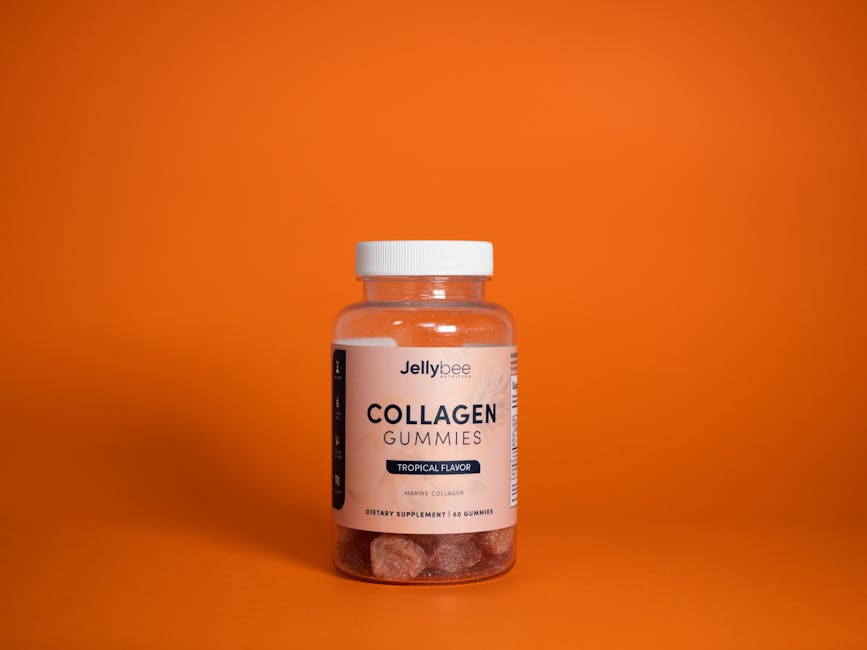
Supplementing with collagen is gaining popularity as a natural approach to support gut health. While individual results may vary, some studies have indicated that collagen supplementation may help improve gut barrier function and reduce symptoms of digestive distress. However, it is essential to approach supplementation carefully and in consultation with a healthcare professional, as the efficacy and safety can differ based on individual health conditions and dietary needs.
In summary, collagen plays a multifaceted role in gut health by supporting the structural integrity and function of the gut lining. Its potential to alleviate digestive issues and enhance overall gut health makes it a topic of growing interest in the field of nutritional science. As research continues to evolve, collagen's place in a comprehensive approach to digestive wellness will likely become clearer, offering promising avenues for those seeking natural ways to support their gut health.
2. Scientific Evidence Supporting Collagen’s Digestive Benefits

2.1 Collagen and Leaky Gut Syndrome
Research into collagen's impact on leaky gut syndrome is burgeoning, with several studies suggesting its potential benefits. Leaky gut syndrome, characterized by increased intestinal permeability, allows toxins and bacteria to pass into the bloodstream, causing inflammation and discomfort. Recent clinical trials have indicated that collagen supplementation may support the repair of the gut lining by promoting the synthesis of collagen fibers and other proteins that strengthen the gut barrier. This reinforcement may help reduce permeability and alleviate symptoms associated with leaky gut syndrome.
2.2 Collagen's Role in Inflammatory Bowel Disease
Inflammatory Bowel Disease (IBD), encompassing conditions such as Crohn's disease and ulcerative colitis, is marked by chronic inflammation of the gastrointestinal tract. Emerging research suggests that collagen may play a supportive role in managing IBD. Studies have demonstrated that collagen can help reduce inflammation by modulating immune responses and promoting tissue repair in the gut. These findings indicate that collagen supplementation could be a beneficial adjunct therapy for individuals with IBD, potentially improving their quality of life by reducing inflammation and supporting gut healing.
2.3 Clinical Trials and Findings
Several clinical trials have explored collagen's digestive benefits, with promising results. One study found that participants who consumed collagen supplements experienced a significant decrease in gut inflammation markers compared to a control group. Another trial highlighted collagen's ability to enhance the production of gut-protective mucous, aiding in the maintenance of a healthy gut barrier. Such findings underscore the potential of collagen as a natural intervention for improving gut health, although more large-scale studies are necessary to confirm these results and determine optimal supplementation strategies.
2.4 Future Research Directions
As the scientific community continues to investigate collagen's role in gut health, future research is expected to focus on understanding the mechanisms by which collagen exerts its effects on the gastrointestinal tract. This includes exploring the interactions between collagen peptides and gut microbiota, as well as identifying specific populations that may benefit most from supplementation. Additionally, long-term studies are needed to assess the safety and efficacy of collagen supplementation in diverse populations, providing a more comprehensive understanding of its potential as a therapeutic agent for digestive health.
In conclusion, while current evidence suggests that collagen may offer significant benefits for individuals with digestive concerns, particularly those related to leaky gut syndrome and IBD, ongoing research will be critical in validating these findings. As our understanding of collagen's digestive benefits deepens, it may become an integral part of dietary strategies aimed at enhancing gut health and managing chronic digestive disorders.
3. Natural Sources of Collagen
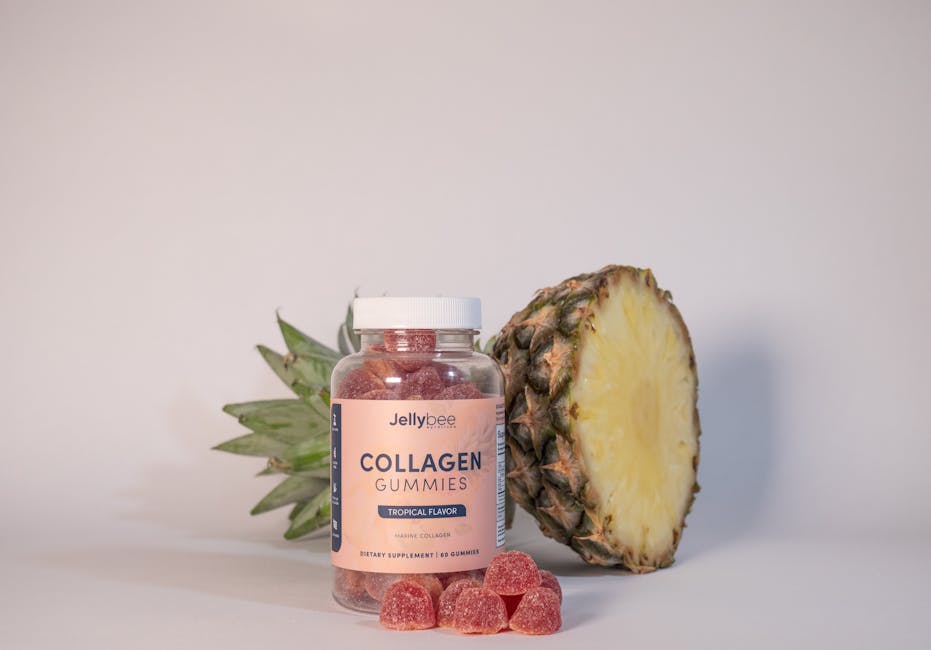
Collagen, a vital protein for maintaining the structural integrity of various body tissues, is naturally found in several food sources. Understanding these natural sources can help individuals incorporate collagen into their diets, potentially supporting digestive and overall health. This section explores both animal-based and plant-based collagen sources, discussing their bioavailability and dietary integration.
3.1 Animal-Based Collagen Sources
Animal-based foods are the most direct sources of collagen, as they contain this protein in its natural form. Common sources include:
- Bone Broth: Made by simmering animal bones and connective tissue, bone broth is rich in collagen. It is believed to support gut health through its high gelatin content, which may aid in strengthening the gut lining.
- Chicken Skin and Cartilage: Chicken, particularly its skin and cartilage, is a significant source of type II collagen. Consuming these parts may contribute to joint health and skin elasticity.
- Fish Skin and Scales: Marine collagen, derived from fish skin and scales, is known for its high absorption rate. It is often used in supplements and is believed to promote skin health and wound healing.
- Egg Whites: Although not a direct source of collagen, egg whites contain proline, an amino acid crucial for collagen synthesis in the body.
Incorporating these animal-based sources into a balanced diet may enhance collagen levels, potentially supporting various aspects of health, including skin, joint, and gut health.
3.2 Plant-Based Options and Their Role
While plants do not contain collagen, they can provide nutrients that support the body's natural collagen production. These include:
- Vitamin C-Rich Foods: Fruits like citrus, strawberries, and kiwi are high in vitamin C, a critical nutrient for collagen synthesis. Vitamin C acts as a cofactor for enzymes that stabilize and cross-link collagen fibers.
- Leafy Greens: Vegetables such as spinach and kale are rich in antioxidants and chlorophyll, which may contribute to collagen production and skin health.
- Nuts and Seeds: These provide zinc and copper, minerals that play a role in collagen production and stabilization.
- Beans and Legumes: High in protein and amino acids, beans and legumes can support collagen building by providing necessary building blocks.
Although plant-based foods do not supply collagen directly, their role in supporting collagen synthesis makes them a valuable component of a diet aimed at enhancing collagen levels naturally.
3.3 Bioavailability and Dietary Integration
The bioavailability of collagen refers to how well it is absorbed and utilized by the body. Animal-based sources typically offer higher bioavailability due to the presence of intact collagen molecules. However, combining these with plant-based foods rich in supportive nutrients can enhance overall collagen synthesis.
Integrating these sources into a balanced diet involves consuming a variety of foods. For example, incorporating bone broth into soups, adding a slice of fish to your meals, or snacking on nuts and seeds can provide a range of nutrients that support collagen health. Blending vitamin C-rich fruits into smoothies or adding leafy greens to salads can further support the body's collagen production.
Ultimately, a diet that includes both direct collagen sources and supportive nutrients can potentially enhance collagen levels in the body, contributing to improved gut health and overall well-being.
4. DIY Collagen-Rich Recipes for Gut Health
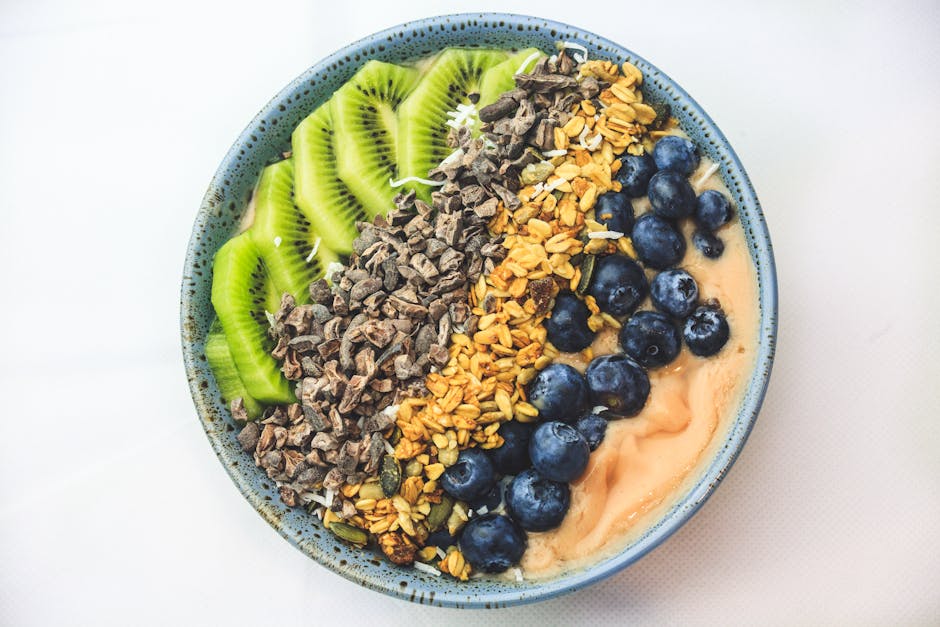
Incorporating collagen-rich foods into your diet can be a delicious and effective way to support gut health. Research suggests that collagen may help strengthen the gut lining and improve digestive function. Here, we present a selection of easy-to-prepare recipes that feature collagen-rich ingredients, such as bone broth and smoothies.
4.1 Nourishing Bone Broth
Bone broth is a time-honored recipe believed to support gut health due to its rich collagen content. It is traditionally made by simmering animal bones and connective tissues, which allows the collagen to dissolve into the liquid.
- Ingredients: Use a mix of beef, chicken, or fish bones, water, apple cider vinegar (to help extract minerals), and optional vegetables like carrots, celery, and onions for flavor.
- Instructions:
- Place the bones in a large pot or slow cooker and cover with water.
- Add a tablespoon of apple cider vinegar and let sit for 30 minutes.
- Add vegetables and bring to a boil.
- Reduce heat and simmer for 12-24 hours.
- Strain the broth and store in the refrigerator or freezer.
This broth can be sipped on its own, used as a base for soups, or added to sauces and gravies, making it a versatile addition to your diet.
4.2 Collagen-Boosting Smoothie
Smoothies are a convenient way to blend collagen with other nutrient-rich ingredients that support its synthesis, such as vitamin C-rich fruits and leafy greens.
- Ingredients: A scoop of collagen powder, a handful of spinach, a banana, a cup of berries (such as strawberries or blueberries), and a cup of almond milk or water.
- Instructions:
- Add all ingredients to a blender.
- Blend until smooth and creamy.
- Pour into a glass and enjoy immediately.
This smoothie not only provides collagen but also includes antioxidants and vitamins necessary for supporting collagen synthesis in the body.
4.3 Gelatin-Rich Fruit Desserts
Gelatin, a form of cooked collagen, can be used to create gut-friendly desserts that are both satisfying and supportive of digestive health.
- Ingredients: Gelatin powder, fresh fruit juice (such as orange or mixed berry), and fresh fruit pieces.
- Instructions:
- Heat the fruit juice until warm but not boiling.
- Sprinkle gelatin powder over the juice, stirring continuously until fully dissolved.
- Add fresh fruit pieces into molds or a dish.
- Pour the gelatin mixture over the fruit.
- Refrigerate until set.
This recipe offers a delightful way to enjoy a collagen-rich dessert that can support gut health while satisfying your sweet tooth.
By incorporating these collagen-rich recipes into your diet, you can enjoy delicious meals and snacks that may help promote a healthier gut and improve overall digestive function.
5. Integrating Collagen Supplements Wisely

As the understanding of collagen's role in digestive health deepens, many people are turning to collagen supplements as a convenient way to support their gut health. These supplements come in various forms and are believed to offer several benefits. In this section, we will explore the different types of collagen supplements available, their potential benefits, and considerations for selecting the right product.
5.1 Types of Collagen Supplements
Collagen supplements are typically derived from animal sources and are available in various forms, each offering unique benefits.
- Collagen Peptides: These are hydrolyzed collagen, meaning they are broken down into smaller, more easily absorbed proteins. They are often tasteless and can be mixed into drinks or foods.
- Gelatin: While similar to collagen peptides, gelatin is not fully hydrolyzed, making it gel when mixed with liquid. It is commonly used in cooking.
- Marine Collagen: Sourced from fish, marine collagen is believed to be more bioavailable than other types. It is often favored for those avoiding bovine or porcine sources.
5.2 Potential Benefits for Digestive Health
Research suggests that collagen supplements may support digestive health in several ways:
- Gut Lining Support: Collagen may help maintain the integrity of the gut lining, potentially reducing symptoms associated with conditions like leaky gut syndrome.
- Anti-inflammatory Properties: The amino acids in collagen, such as glycine, are believed to have anti-inflammatory effects, which could benefit digestive health.
- Hydration and Tissue Repair: Collagen is essential for maintaining hydration within the digestive tract and supporting tissue repair.
5.3 Considerations for Choosing the Right Supplement
When selecting a collagen supplement, it's important to consider the following factors to ensure it aligns with your dietary needs and preferences:
- Source and Quality: Choose a supplement that is sourced from high-quality, sustainably raised animals or fish. Look for products that are free from additives and preservatives.
- Form and Flavor: Consider whether you prefer a powdered form for mixing into drinks or a capsule for convenience. Additionally, some supplements come flavored, which may affect how you incorporate them into your diet.
- Allergies and Dietary Restrictions: Ensure the supplement does not contain allergens, such as gluten or dairy, and verify its compatibility with your dietary restrictions.
By considering these factors, you can make an informed decision when integrating collagen supplements into your health regimen. While collagen supplements may offer potential benefits for digestive health, it is important to approach their use thoughtfully and in conjunction with a balanced diet and lifestyle.
6. Holistic Approaches to Gut Healing

Gut health is a complex interplay of various factors, including diet, lifestyle, and nutritional supplements. A holistic approach to gut healing involves integrating multiple strategies that work synergistically to promote a healthy digestive system. In this section, we will discuss how collagen can be a part of this broader strategy.
6.1 The Role of Collagen in Gut Health
Collagen supplements, as previously discussed, are believed to offer several benefits for digestive health. These include supporting the gut lining, providing anti-inflammatory properties, and aiding in tissue repair. By incorporating collagen into a holistic gut-healing regimen, individuals may enhance their overall digestive health. However, collagen is just one piece of the puzzle.
6.2 Dietary Considerations
A balanced diet is fundamental to supporting gut health. Incorporating a variety of whole foods that are rich in fiber, vitamins, and minerals can bolster digestive function. Consider the following dietary strategies:
- Fiber-Rich Foods: Foods high in fiber, such as fruits, vegetables, and whole grains, can promote regular bowel movements and maintain a healthy gut microbiota.
- Probiotics: Fermented foods like yogurt, kefir, and sauerkraut can introduce beneficial bacteria to the gut, potentially enhancing digestive health.
- Anti-Inflammatory Foods: Incorporating foods with anti-inflammatory properties, such as fatty fish, nuts, and leafy greens, may help reduce gut inflammation.
6.3 Lifestyle Changes
In addition to dietary adjustments, certain lifestyle changes can significantly impact gut health. The following practices may provide benefits:
- Stress Management: Chronic stress is known to affect gut function negatively. Techniques such as meditation, yoga, and deep-breathing exercises may help alleviate stress.
- Regular Physical Activity: Engaging in regular physical activity can promote healthy digestion and reduce stress levels.
- Adequate Sleep: Ensuring sufficient and quality sleep is crucial, as poor sleep patterns can disrupt gut health.
6.4 Other Nutritional Supplements
In addition to collagen, other nutritional supplements may support gut health. These include:
- Prebiotics: These are compounds that feed beneficial gut bacteria, helping to maintain a balanced microbiome.
- L-Glutamine: This amino acid is believed to support the integrity of the gut lining and may aid in repair processes.
- Zinc Carnosine: Research suggests that this combination may help protect and heal the gut lining.
By combining these dietary, lifestyle, and supplemental approaches, individuals may create a comprehensive strategy to enhance their gut health. While collagen plays a role, it is the integration of multiple strategies that may yield the most significant benefits for digestive well-being.
7. Potential Side Effects and Considerations

Collagen supplements are becoming increasingly popular for their potential health benefits, particularly in supporting gut health. However, it is vital to consider potential side effects and precautions, especially for individuals with specific health conditions or dietary restrictions. This section provides an analytical overview of these considerations.
7.1 Common Side Effects
While collagen is generally considered safe for most people, some individuals may experience side effects. Potential side effects include:
- Gastrointestinal Disturbances: Some users may experience mild digestive issues such as bloating, diarrhea, or a feeling of fullness.
- Allergic Reactions: Those with allergies to fish, shellfish, or eggs should exercise caution, as some collagen products may be derived from these sources and could trigger allergic reactions.
7.2 Considerations for Specific Health Conditions
Individuals with certain health conditions should be mindful of incorporating collagen into their diet. Here are some key considerations:
- Kidney Conditions: Collagen is high in certain amino acids, which may not be suitable for individuals with kidney disease. Consulting with a healthcare provider is advised.
- Pregnancy and Breastfeeding: Research on collagen supplementation during pregnancy and breastfeeding is limited. It is recommended to seek medical advice before starting any new supplement.
7.3 Dietary Restrictions and Collagen Sources
For those with dietary restrictions, the source of collagen can be a concern. Consider the following:
- Vegan or Vegetarian Diets: Most collagen supplements are animal-derived, which may not align with vegan or vegetarian principles. Plant-based alternatives, such as supplements promoting collagen synthesis, might be considered.
- Kosher or Halal Practices: It's crucial to check product labeling or certifications to ensure adherence to religious dietary laws.
7.4 Quality and Purity of Supplements
Ensuring the quality and purity of collagen supplements is crucial to minimize risks. Considerations include:
- Third-party Testing: Opt for supplements that have been tested by independent organizations to verify their purity and potency.
- Ingredient Transparency: Look for products with clear labeling that lists all ingredients to avoid unwanted additives or fillers.
In conclusion, while collagen supplements may offer several potential benefits for gut health, individuals should carefully consider possible side effects and specific health conditions before incorporating them into their diet. Consulting with healthcare professionals can provide personalized guidance tailored to individual health needs and dietary restrictions.
8. Expert Opinions and Testimonials

8.1 Insights from Nutritionists
Nutritionists often highlight collagen's potential in supporting gut health due to its unique amino acid profile. Glycine, one of the amino acids found in collagen, is believed to promote a healthy gut lining. Experts suggest that collagen may help maintain the integrity of the gastrointestinal tract, which is crucial for overall digestive health.
Many nutritionists emphasize the importance of collagen as part of a balanced diet. They recommend obtaining collagen from a variety of sources, such as bone broth or specific supplements, while ensuring that these sources align with individual dietary preferences and restrictions.
8.2 Health Experts on Collagen Efficacy
Health experts, including dietitians and gastroenterologists, recognize the potential benefits of collagen for gut health but also urge caution. They note that while research suggests possible positive effects, more extensive studies are needed to fully understand its efficacy and mechanisms of action.
Experts advise individuals to consider collagen as a complementary approach rather than a standalone solution. It is suggested that a holistic approach, combining collagen with other gut-supportive practices like a fiber-rich diet and regular exercise, may yield better results.
8.3 Testimonials from Users
Numerous testimonials from individuals who have incorporated collagen into their wellness routines report positive experiences. Many users claim improvements in digestive comfort and overall well-being. These anecdotal accounts often highlight a reduction in symptoms such as bloating and indigestion.
However, it is important to note that individual experiences vary, and what works for one person may not work for another. Users are encouraged to monitor their own responses to collagen supplementation and consult with healthcare providers if they have any concerns.
8.4 Limitations and Critical Views
While there are many positive testimonials, some experts caution against over-reliance on collagen supplements. They point out that the body's natural collagen production decreases with age, and supplementation may not fully compensate for this decline. Additionally, the bioavailability of collagen supplements can vary, affecting their effectiveness.
Critics also emphasize the importance of considering the quality and source of collagen products. Low-quality supplements may contain additives or contaminants that could negate potential benefits. Thus, selecting high-quality, well-researched products is crucial for maximizing potential health advantages.
In conclusion, while expert opinions and user testimonials suggest that collagen may support gut health, individuals should approach supplementation with a balanced perspective. Consulting healthcare professionals and considering individual health needs remains the most reliable approach to achieving optimal gut health.