1. Understanding Gut Health and Its Importance

1.1 The Basics of Gut Health
Gut health refers to the balance of microorganisms living in the digestive tract. A healthy gut contributes to effective digestion and absorption of nutrients, which are essential for maintaining overall health. The gut microbiome, a complex community of bacteria, viruses, fungi, and other microorganisms, plays a critical role in this process.
1.2 Impact on Overall Well-being
Research suggests that a well-balanced gut microbiome is linked to numerous aspects of health beyond digestion. It is believed to influence mental health, weight management, and even skin conditions. The gut-brain axis is a term used to describe the complex communication network that links the gut and brain, indicating that gut health can affect mood and cognitive function.
1.3 Importance of a Balanced Gut Microbiome
Maintaining a balanced gut microbiome is crucial for supporting the body's immune system. A diverse microbiome may help the body respond better to infections and reduce inflammation, which is associated with various chronic diseases. Additionally, a balanced microbiome aids in the production of vitamins such as B12 and K, further supporting bodily functions.
1.4 Factors Affecting Gut Health
Several factors can disrupt the balance of the gut microbiome. These include diet, antibiotics, stress, and sleep patterns. A diet high in processed foods and low in fiber can negatively impact gut health, while a diet rich in fruits, vegetables, and fermented foods may support a healthy microbiome. Additionally, managing stress and maintaining regular sleep patterns are believed to promote gut health.
1.5 The Role of Probiotics and Prebiotics
Probiotics are live bacteria that may offer health benefits when consumed in adequate amounts. They are found in fermented foods like yogurt and kefir. Prebiotics, on the other hand, are non-digestible fibers that feed beneficial bacteria in the gut. Including both probiotics and prebiotics in the diet may support a healthy and balanced gut microbiome, contributing to improved digestive health and immune function.
2. The Science Behind Herbal Remedies for Digestive Health
2.1 Understanding Herbal Remedies
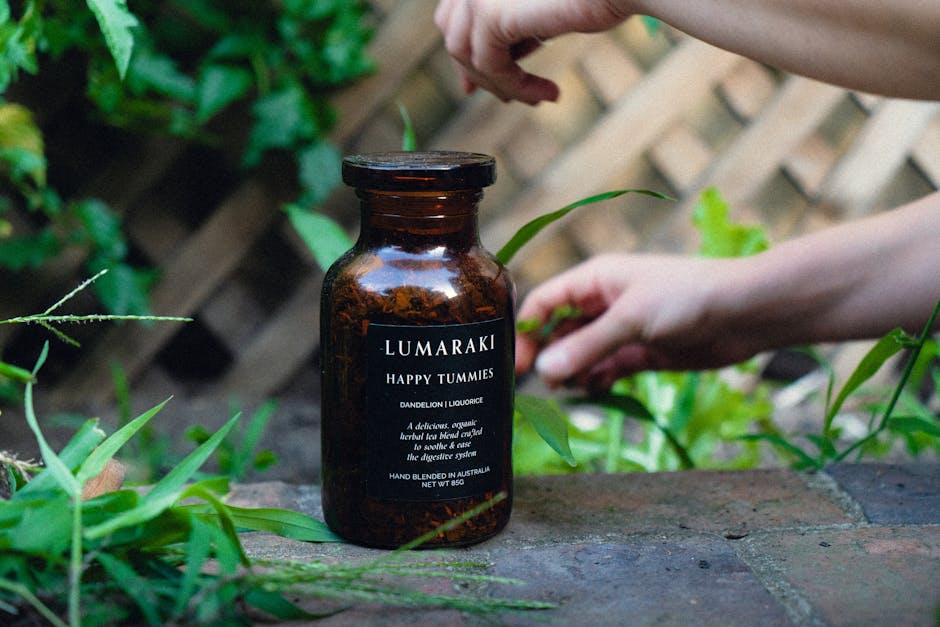
Herbal remedies have been utilized for centuries to support digestive health. These natural solutions are derived from plants and are believed to aid in alleviating various digestive issues. The growing interest in herbal medicine has led to numerous studies exploring their efficacy. Herbal remedies are valued for their potential to promote a balanced gut environment without the harsh side effects often associated with pharmaceutical options.
2.2 Evidence-Based Benefits of Specific Herbs
Several herbs have been the focus of scientific research due to their potential benefits for digestive health. Notably, the following herbs have shown promising results in studies:
- Ginger: Research suggests that ginger may effectively reduce symptoms of nausea and vomiting. It is believed to enhance gastric motility, thereby promoting efficient digestion.
- Peppermint: Peppermint oil is often highlighted in studies for its potential to relieve symptoms of irritable bowel syndrome (IBS). Its antispasmodic properties may help in relaxing the muscles of the gastrointestinal tract.
- Turmeric: Known for its active compound curcumin, turmeric is believed to possess anti-inflammatory properties. Some studies suggest it may support digestive health by reducing inflammation in the gut lining.
- Chamomile: Traditionally used to soothe digestive distress, chamomile may support digestion by relaxing the digestive muscles. It is also believed to reduce symptoms of indigestion and bloating.
2.3 Scientific Studies and Findings
Numerous scientific studies have been conducted to evaluate the effectiveness of herbal remedies in supporting digestive health. For instance, a systematic review of clinical trials involving peppermint oil reported significant improvement in IBS symptoms compared to placebo. Similarly, a meta-analysis of ginger's effects on nausea concluded that ginger might be an effective natural treatment option for nausea related to various conditions.
It is important to note that while these studies provide promising insights, further research is needed to solidify the understanding of the mechanisms through which these herbs exert their effects. Moreover, individual responses to herbal remedies can vary, highlighting the need for personalized approaches in their utilization.
2.4 The Role of Herbal Remedies in Modern Health Practices
Incorporating herbal remedies into modern health practices reflects a growing trend towards holistic and integrative approaches to health. Many healthcare professionals are now recognizing the potential benefits of combining conventional treatments with herbal remedies to enhance digestive health outcomes. However, it is essential for individuals to consult with healthcare providers before starting any new herbal regimen, especially if they have existing health conditions or are taking other medications.
3. Essential Herbs for Gut Health: A Comprehensive Guide
3.1 Ginger: The Digestive Aid
Ginger is hailed as a potent digestive aid, largely due to its ability to promote gastric motility. Research suggests that ginger can effectively reduce nausea and vomiting, making it a popular choice for those experiencing digestive discomfort. Its active compounds, such as gingerol, are believed to enhance the movement of food through the stomach, facilitating smoother digestion and alleviating symptoms of indigestion.
3.2 Peppermint: The Muscle Relaxant
Peppermint, particularly in the form of peppermint oil, is renowned for its antispasmodic properties. These properties may help in relaxing the muscles of the gastrointestinal tract, which can be beneficial for individuals suffering from irritable bowel syndrome (IBS). Studies have highlighted peppermint's potential to reduce abdominal pain and bloating, contributing to overall gut comfort.
3.3 Fennel: The Natural Carminative
Fennel is traditionally used as a natural carminative, meaning it may help reduce gas and bloating. It is believed to support digestion by promoting the expulsion of gas from the intestines. Fennel seeds are often used in herbal teas or chewed after meals to help soothe digestive distress and maintain a balanced gut environment.
3.4 Turmeric: The Anti-Inflammatory Agent
Turmeric, with its active compound curcumin, is prized for its anti-inflammatory properties. Research suggests that it may play a role in reducing inflammation in the gut lining, which can be beneficial for individuals with inflammatory digestive conditions. Incorporating turmeric into the diet may support overall digestive health and promote a healthier gut environment.
3.5 Chamomile: The Soothing Herb
Chamomile is traditionally used for its calming effects on the digestive system. It is believed to relax the digestive muscles, which may help alleviate symptoms of indigestion and bloating. Chamomile tea is a popular choice for those seeking a gentle and natural way to support their digestive health.
3.6 Integration of Herbs into Daily Routine
Incorporating these herbs into a daily routine can be an effective way to support gut health naturally. From consuming them as teas to using them in culinary dishes, these herbs offer versatile options for those looking to maintain digestive wellness. However, it is important to consult with a healthcare provider before making significant changes to one's diet or supplement regimen, especially when managing specific health conditions.
4. Crafting Your Herbal Blend: A Step-by-Step Approach

4.1 Understanding Your Digestive Needs
Before diving into crafting an herbal blend, it is essential to understand your unique digestive needs. Consider any specific symptoms you are experiencing, such as bloating, gas, or indigestion, and how they impact your daily life. Reflecting on these needs will guide you in selecting the most appropriate herbs that may support your digestive health.
4.2 Selecting the Right Herbs
Once you have identified your digestive concerns, the next step is selecting herbs that align with your needs. For instance, if bloating is a primary concern, fennel and peppermint might be beneficial. If you are aiming to reduce inflammation, turmeric could be a valuable addition. Research suggests that each herb has unique properties that can target specific digestive issues, so choose those that resonate with your symptoms.
4.3 Combining Herbs for Synergy
Combining herbs can amplify their benefits, creating a synergistic effect. When crafting your blend, consider how different herbs complement each other. For example, ginger and chamomile may work well together to enhance digestive motility while providing a soothing effect. It's important to balance the flavors and effects to ensure a pleasant and effective herbal blend.
4.4 Preparing Your Herbal Blend
Preparation is a crucial step in crafting your herbal blend. Depending on your preferences, you can create teas, tinctures, or even culinary spices with your selected herbs. For teas, steeping the herbs in hot water allows the active compounds to infuse the liquid. Tinctures require soaking herbs in alcohol or vinegar to extract their properties. Experiment with different methods to discover what works best for you.
4.5 Storing Your Herbal Blend
Proper storage is essential to maintaining the potency of your herbal blend. Store your blend in a cool, dry place away from direct sunlight. Airtight containers can help preserve the freshness and efficacy of the herbs. Regularly check your blend for any signs of spoilage, such as mold or changes in color, and replace as necessary to ensure safety and effectiveness.
4.6 Evaluating and Adjusting Your Blend
After using your herbal blend for a period, evaluate its effectiveness in addressing your digestive needs. Pay attention to any changes in symptoms and overall gut health. It may be necessary to adjust the combination of herbs or their proportions to better suit your evolving needs. Continuous evaluation and adjustment are key to maintaining an optimal herbal regimen.
5. Dosage and Safety Considerations for Herbal Remedies

5.1 Understanding Herbal Dosage
Determining the appropriate dosage for herbal remedies is a complex task that requires careful consideration of several factors. These include the specific herb in use, the form in which it is consumed (such as tea, tincture, or capsule), and the individual's unique health profile. Research suggests that starting with a low dosage and gradually increasing it allows for monitoring of any adverse reactions. It's important to remember that herbal remedies can interact with medications and other supplements, so consulting a healthcare provider is crucial.
5.2 Safety Precautions with Herbal Use
While herbal remedies are generally considered safe, they are not without risks. Certain herbs may have strong effects or interact with medications, potentially leading to unintended consequences. It's essential to research each herb's safety profile thoroughly. Pregnant or breastfeeding individuals, as well as those with pre-existing health conditions, should exercise particular caution. Always inform your healthcare provider of any herbal supplements you are considering to ensure they do not interfere with your existing treatment plans.
5.3 Quality and Source of Herbs
The efficacy and safety of herbal remedies significantly depend on the quality and source of the herbs. Choosing organically grown herbs from reputable suppliers can minimize exposure to pesticides and contaminants. Ensuring that herbs are free from adulteration and have been properly tested for purity can prevent potential health risks. It's advisable to look for certifications or quality seals from recognized organizations when purchasing herbal products.
5.4 Monitoring and Adjusting Dosage
Regular monitoring of how your body responds to herbal remedies is vital. Keep track of any changes in your digestive health and other symptoms. If you notice any adverse effects, it may be necessary to adjust the dosage or discontinue use. Being attentive to how your body reacts can guide you in finding the optimal dosage that supports your digestive health without compromising safety.
5.5 Long-Term Use and Dependency
While herbal remedies can be beneficial, long-term use should be approached with caution. Some herbs may lead to dependency or diminish in effectiveness over time. Cycling the use of different herbs or taking breaks can help maintain their efficacy. Understanding the long-term effects of each herb is essential in developing a sustainable approach to herbal supplementation for digestive health.
6. Integrating Herbal Blends into Your Daily Routine
6.1 Brewing Herbal Teas
Herbal teas are a simple and enjoyable way to incorporate herbal blends into your daily routine. Research suggests that brewing tea allows for the extraction of beneficial compounds from the herbs. To prepare an herbal tea, start by selecting a blend that targets your digestive needs. Use fresh or dried herbs, and steep them in hot water for about 5 to 10 minutes. The steeping time can be adjusted based on personal taste preferences. Enjoying a cup of herbal tea in the morning or evening can be a calming ritual that supports digestive health.
6.2 Making Herbal Tinctures
Herbal tinctures offer a concentrated form of herbal remedies that can be easily integrated into your lifestyle. They are made by soaking herbs in alcohol or glycerin, which extracts the active compounds. Tinctures are typically consumed by adding a few drops to water or juice. This method is believed to provide a potent dose of herbal benefits in a small volume. When making tinctures at home, ensure that you use high-quality herbs and follow safe preparation methods.
6.3 Using Herbal Supplements
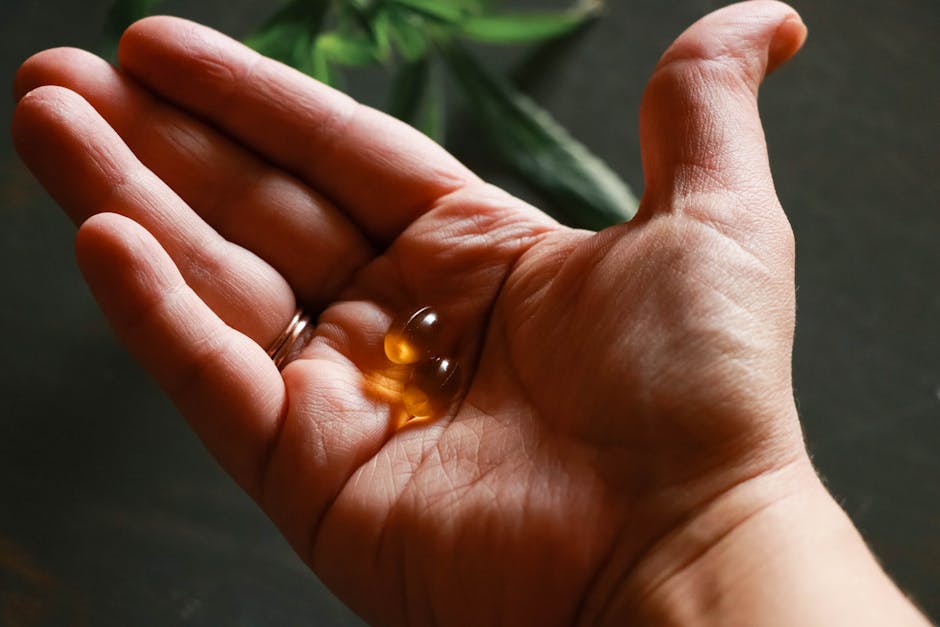
Herbal supplements, available in capsules or tablets, offer a convenient alternative for those with busy lifestyles. They are formulated to deliver specific dosages of herbal extracts and can be taken with meals or as directed by a healthcare provider. Research suggests that using supplements can help maintain consistent herb intake, especially for individuals who may not have the time to brew teas or make tinctures. Always choose supplements from reputable brands that provide transparency about their ingredients and manufacturing practices.
6.4 Creating a Routine
Establishing a routine that includes herbal blends can enhance their effectiveness. Consistency is key, so consider setting aside specific times each day for herbal consumption. For instance, drinking herbal tea in the morning and taking supplements with lunch can help form a habit. Keeping a journal to track your symptoms and any improvements can also provide insights into how the herbs are impacting your digestive health. This practice may support the long-term integration of herbal blends into your lifestyle.
6.5 Adjusting to Lifestyle Changes
As your lifestyle evolves, so too should your approach to using herbal blends. Whether due to changes in diet, stress levels, or health goals, your herbal regimen may need adjustments. Regularly reassessing your needs and consulting with a healthcare provider can ensure that your herbal routine remains aligned with your digestive health objectives. Flexibility in your approach allows you to adapt to new challenges while maintaining the benefits of herbal supplementation.
7. Evaluating the Results: Monitoring Your Gut Health Progress

7.1 Tracking Digestive Changes
Once you begin incorporating herbal blends into your routine, tracking changes in your digestive health becomes vital. Observing how your body reacts can offer insights into the effectiveness of the herbs. Keeping a detailed journal that records symptoms, frequency of discomfort, and overall well-being can help identify patterns and improvements. This practice is believed to enable a better understanding of how specific herbs contribute to gut health.
7.2 Recognizing Positive Outcomes
Positive changes in digestive health can manifest in various ways. These may include reduced bloating, less frequent heartburn, and improved bowel regularity. By regularly assessing these indicators, you can determine whether the herbal blends are beneficial. It's important to have realistic expectations, as some improvements may be subtle and develop over time. Research suggests that consistent monitoring may help in recognizing these gradual benefits.
7.3 Understanding the Need for Adjustments
Noticing little to no improvement, or even adverse effects, may indicate the need for adjustments in your herbal regimen. Factors such as incorrect herb selection, dosage, or interactions with other lifestyle aspects could be influencing the results. Consulting with a healthcare provider can provide guidance on whether to modify your approach. Flexibility and responsiveness to your body's signals are key to optimizing your digestive health through herbal supplementation.
7.4 Long-Term Monitoring Strategies
For sustainable gut health, long-term monitoring strategies can be beneficial. Regularly revisiting your health journal, setting periodic goals, and evaluating your progress against these benchmarks can help maintain focus on your digestive health journey. Research supports the idea that ongoing assessment and adaptation can lead to more effective use of herbal blends, allowing them to remain a valuable part of your health regimen.
8. Common Myths and Misconceptions About Herbal Remedies

8.1 Herbal Remedies Work Instantly
One common myth is that herbal remedies provide immediate relief for digestive issues. While some individuals may experience quick improvements, research suggests that the effects of herbal remedies often develop gradually. Consistent use over time is believed to be necessary for their full benefits to manifest. Patience and adherence to a regular regimen are crucial for evaluating their true impact on gut health.
8.2 Herbs Are Completely Safe and Free of Side Effects
Another misconception is that all herbal remedies are inherently safe and devoid of side effects. In reality, herbs can interact with medications or exacerbate certain conditions. It is crucial to approach herbal supplementation with caution and consult a healthcare provider to ensure safe usage. Understanding potential interactions and individual health considerations is essential to mitigate risks.
8.3 All Herbal Remedies Are Created Equal
Many people believe that all herbal remedies are the same, regardless of their source or form. However, the quality and potency of herbal products can vary significantly. Factors such as cultivation practices, extraction methods, and product formulations can influence their effectiveness. Selecting high-quality, evidence-based products is recommended to maximize their potential benefits.
8.4 Herbal Remedies Can Replace Conventional Medicine
There is a misconception that herbal remedies can fully replace conventional medical treatments. While herbs may support digestive health, they should not be considered a substitute for professional medical care. Combining herbal remedies with conventional treatments under the guidance of a healthcare provider may offer a more comprehensive approach to managing gut health.
8.5 More is Always Better with Herbal Remedies
Some individuals assume that taking larger doses of herbal remedies will lead to better or faster results. However, more is not always better, and excessive intake can lead to adverse effects. Research emphasizes the importance of appropriate dosing tailored to individual needs and professional recommendations.
8.6 Herbal Remedies Are Ineffective
Conversely, there is a belief that herbal remedies are ineffective for gut health. While they may not work for everyone, many individuals report positive outcomes. Scientific studies have shown that certain herbs possess properties that may support digestive function. Efficacy can depend on factors such as the specific herb, formulation, and individual health conditions.
9. Future Trends in Herbal Gut Health Solutions

9.1 Advances in Herbal Research and Development
The field of herbal remedies for gut health is evolving, with ongoing research shedding light on new applications and benefits. Scientists are increasingly focusing on understanding the molecular mechanisms of herbs, which may lead to more targeted and effective formulations. As research methodologies advance, there is potential for developing new herbal products that are both safer and more efficacious.
9.2 Integration of Technology and Herbal Solutions
The integration of technology in herbal health solutions is a burgeoning trend. Innovations such as AI-driven analysis and machine learning are being used to analyze large datasets of herbal ingredient interactions. This technological synergy could potentially lead to the development of personalized herbal treatment plans, optimizing gut health solutions for individual needs based on genetic and microbiome data.
9.3 Sustainability and Ethical Sourcing
As consumer awareness grows, there is an increasing demand for sustainably sourced and ethically produced herbal products. Future trends indicate a shift towards more transparent supply chains and environmentally friendly cultivation practices. This movement not only supports ecological balance but also ensures the long-term availability of high-quality herbal ingredients.
9.4 Hybrid Formulations
Another emerging trend is the development of hybrid formulations that combine traditional herbal remedies with modern scientific innovations. By integrating beneficial compounds from both herbal and conventional medicine, these formulations aim to enhance efficacy and address a broader range of gut health issues. This trend reflects a growing interest in holistic approaches that blend the best of both worlds.
9.5 Increasing Consumer Education and Empowerment
The future of herbal gut health solutions is also likely to involve increased consumer education and empowerment. As individuals become more informed about their health choices, there is a greater emphasis on understanding the benefits and limitations of herbal remedies. This trend encourages informed decision-making and promotes a proactive approach to maintaining gut health through evidence-based herbal practices.