1. Understanding the Importance of Gut Health

Gut health is increasingly recognized as a cornerstone of overall well-being. Recent scientific research highlights the critical roles played by the gut microbiome in digestion, immunity, and even mental health. Understanding these connections can empower individuals to make informed choices that support their gastrointestinal health and, consequently, their overall quality of life.
1.1 The Gut Microbiome and Digestion
The gut microbiome, a complex community of trillions of microorganisms residing in the digestive tract, plays a vital role in digestion. Research suggests that these microorganisms assist in breaking down food, absorbing nutrients, and synthesizing essential vitamins. An imbalance in the gut microbiome may lead to digestive issues such as bloating, gas, and irregular bowel movements. Therefore, maintaining a balanced gut microbiome is believed to be crucial for optimal digestive function.
1.2 Immune System Support
The gut is home to a significant portion of the body's immune system. Studies indicate that the gut microbiome interacts with immune cells, helping to regulate immune responses. A healthy gut microbiome may support the body's ability to fend off infections and reduce inflammation. Conversely, an imbalanced gut microbiome is thought to contribute to immune-related disorders, making gut health a key factor in maintaining a robust immune system.
1.3 Connection to Mental Health
Emerging research explores the gut-brain axis, a bidirectional communication network between the gut and the brain. This connection is believed to influence mental health, with studies suggesting that a healthy gut microbiome may play a role in managing stress and mood disorders. The production of neurotransmitters in the gut, such as serotonin, further underscores the importance of gut health in maintaining mental well-being.
By understanding the multifaceted impact of gut health on digestion, immunity, and mental health, individuals can take proactive steps to nurture their gut microbiome. This may involve dietary choices, lifestyle changes, and other mindful practices aimed at promoting a balanced and healthy gut environment.
2. The Science Behind Fermentation

Fermentation is a fascinating biochemical process that transforms simple sugars into more complex compounds, enriching the nutritional profile of foods. This transformative process is facilitated by beneficial bacteria and yeast, which not only enhance the flavor and texture of foods but also contribute to their health benefits. Understanding the science behind fermentation can provide valuable insights into how it supports digestive health and overall well-being.
2.1 The Biochemical Process of Fermentation
At its core, fermentation is a metabolic process in which microorganisms convert carbohydrates, such as sugars and starches, into alcohol or acids. This occurs in the absence of oxygen and involves various biochemical reactions. The most common types of fermentation include lactic acid fermentation, facilitated by lactic acid bacteria, and alcoholic fermentation, driven by yeast. These processes produce a range of compounds that can enhance the nutritional value of food.
2.2 Role of Beneficial Bacteria and Yeast
Beneficial bacteria and yeast play a central role in the fermentation process. Lactic acid bacteria, for instance, are responsible for converting sugars into lactic acid, which acts as a natural preservative and contributes to the tangy flavor of fermented foods like yogurt and sauerkraut. Yeast, on the other hand, is instrumental in alcoholic fermentation, producing ethanol and carbon dioxide, which are key to the production of beer and bread. The presence of these microorganisms is believed to enrich fermented foods with probiotics, which may support gut health.
2.3 Nutritional Enhancement Through Fermentation
Fermentation is known to enhance the nutritional profile of foods in several ways. It can increase the availability of nutrients by breaking down complex compounds into more bioavailable forms. For example, fermentation can reduce anti-nutrients like phytic acid, which may otherwise inhibit mineral absorption. Additionally, fermented foods often contain higher levels of vitamins, such as B vitamins and vitamin K, which are synthesized during the fermentation process. These nutritional enhancements are believed to contribute to the health-promoting effects of fermented foods.
2.4 Health Benefits of Fermented Foods
The consumption of fermented foods is associated with various health benefits, many of which are linked to their probiotic content. Research suggests that probiotics may support digestive health by promoting a balanced gut microbiome, which in turn aids in digestion and nutrient absorption. Fermented foods may also contribute to immune system support and have been studied for their potential role in reducing inflammation and supporting mental health through the gut-brain axis. While more research is needed, these findings highlight the potential of fermented foods to enhance overall health and well-being.
In summary, the science behind fermentation reveals a complex interplay of biochemical processes that transform simple sugars into health-enhancing compounds. Through the action of beneficial bacteria and yeast, fermentation not only improves the taste and preservation of foods but also enriches their nutritional value, offering a range of potential health benefits. Understanding these processes underscores the importance of incorporating fermented foods into a balanced diet to support gut health and overall wellness.
3. The Benefits of Probiotic Drinks
3.1 Improved Digestion
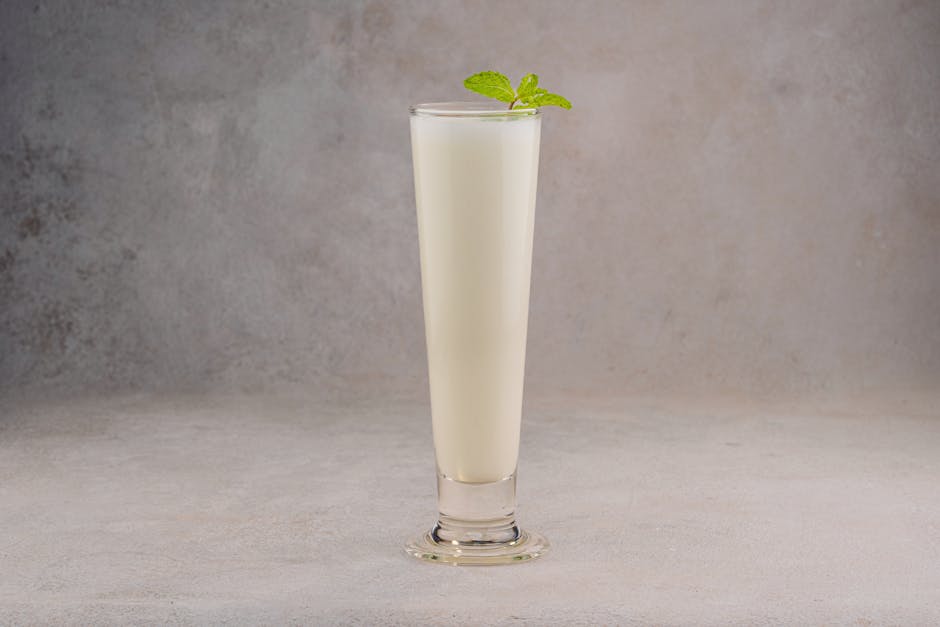
Probiotic drinks have garnered attention for their potential role in enhancing digestive health. These beverages are rich in beneficial bacteria that are believed to promote a balanced gut microbiome. Research suggests that a well-balanced microbiome aids in the breakdown of food, facilitating smoother digestion and potentially alleviating symptoms of gastrointestinal discomfort. By fostering an environment where beneficial bacteria thrive, probiotic drinks may help reduce the occurrence of digestive issues such as bloating and constipation.
3.2 Enhanced Nutrient Absorption
Another significant benefit associated with probiotic drinks is their potential to enhance nutrient absorption. The presence of probiotics in the gut is thought to improve the bioavailability of essential nutrients, including vitamins and minerals. Clinical studies indicate that certain strains of probiotics can aid in the absorption of calcium, magnesium, and other nutrients, which are crucial for maintaining overall health. This enhanced nutrient uptake may be particularly beneficial for individuals with dietary restrictions or those who struggle to meet their nutritional needs through diet alone.
3.3 Bolstered Immune Function
Probiotic drinks may also play a role in supporting immune function. The gut is home to a substantial portion of the body's immune system, and a healthy gut microbiome is believed to be integral to immune health. Studies have shown that probiotics can modulate immune responses, potentially enhancing the body's defense mechanisms against pathogens. Regular consumption of probiotic drinks may therefore contribute to a more resilient immune system, helping to mitigate the risk of infections and support overall wellness.
3.4 Evidence from Clinical Studies
The potential health benefits of probiotic drinks are supported by a growing body of clinical research. Studies have demonstrated the positive effects of probiotics on various aspects of health, including digestive and immune function. For instance, randomized controlled trials have reported improvements in symptoms of irritable bowel syndrome (IBS) and reductions in the duration of respiratory infections in individuals consuming probiotic-rich beverages. While more research is necessary to fully understand the scope of these benefits, current evidence underscores the promising role of probiotic drinks in promoting health and well-being.
In summary, the benefits of probiotic drinks extend beyond simple digestion. By supporting a balanced gut microbiome, these beverages may enhance nutrient absorption and bolster immune function, contributing to improved overall health. As research continues to explore the impact of probiotics, incorporating probiotic drinks into a balanced diet may offer a convenient means of harnessing their health-promoting properties.
4. Essential Ingredients for Homemade Fermented Drinks
4.1 Natural Sources of Probiotics
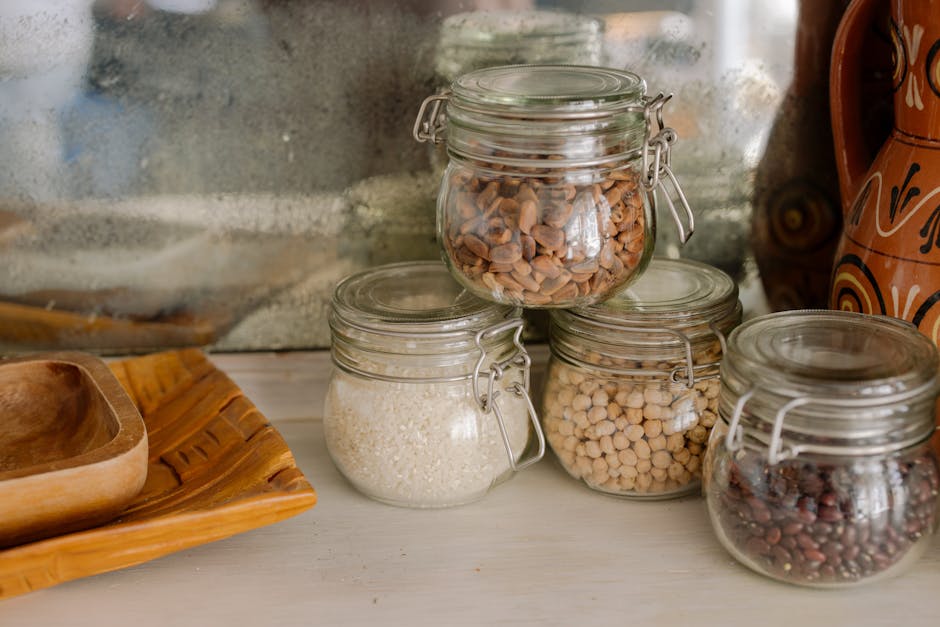
Creating homemade fermented drinks often begins with the selection of natural sources of probiotics. These beneficial bacteria are crucial for crafting beverages that may support a balanced gut microbiome. Common sources include:
- Kefir Grains: Known for their rich probiotic content, kefir grains are a popular choice for fermenting milk or water, resulting in a tangy, effervescent drink.
- SCOBY (Symbiotic Culture of Bacteria and Yeast): Essential for brewing kombucha, a fermented tea that is believed to offer digestive benefits.
- Lactic Acid Bacteria: Found in various fermented foods, these bacteria can be used to start the fermentation process in homemade beverages.
4.2 Prebiotics to Enhance Fermentation
Prebiotics play an important role in fermentation, serving as food for probiotics and enhancing their growth and activity. When crafting homemade fermented drinks, consider the following prebiotic ingredients:
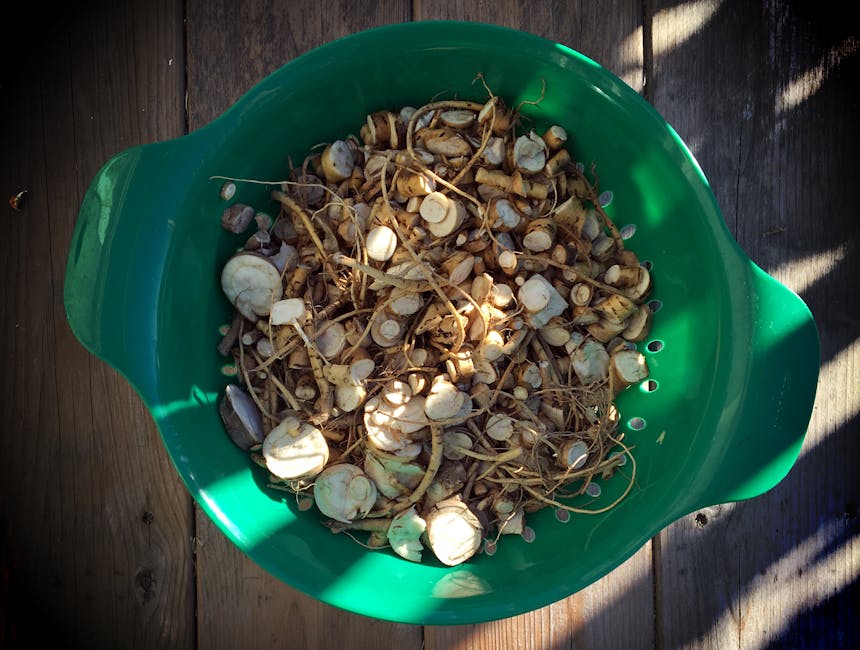
- Inulin: A type of fiber found in foods like chicory root and Jerusalem artichoke, inulin is often used to promote probiotic activity.
- Oligofructose: Derived from chicory root, this prebiotic fiber is known for supporting the growth of beneficial gut bacteria.
- Fructooligosaccharides (FOS): Naturally occurring sugars that can aid in the fermentation process by nourishing probiotics.
4.3 Additional Ingredients for Flavor and Nutrition
Beyond probiotics and prebiotics, other ingredients can be incorporated into homemade fermented drinks to enhance their flavor and nutritional profile:
- Fruits and Herbs: Ingredients such as berries, ginger, and mint can add natural sweetness and flavor complexity to fermented drinks.
- Sweeteners: Small amounts of natural sweeteners like honey or maple syrup may be used to balance the tartness of fermentation.
- Tea: Black or green tea is commonly used in kombucha, providing antioxidants that may contribute to the drink's health benefits.
4.4 The Fermentation Process
Understanding the fermentation process is crucial for crafting effective probiotic beverages. During fermentation, microorganisms convert sugars into acids, gases, or alcohol, creating a beverage rich in probiotics. This process not only enhances the drink's flavor but is also believed to increase the bioavailability of nutrients, potentially offering health benefits such as improved digestion and immune support.
In summary, the key to successful homemade fermented drinks lies in the careful selection of probiotic and prebiotic ingredients, along with additional components that enhance flavor and nutrition. By understanding the role of each ingredient in the fermentation process, enthusiasts can create beverages that not only taste great but may also contribute to a healthier gut microbiome.
5. Step-by-Step Guide to Making Kombucha

5.1 Equipment Needed
Before beginning your kombucha brewing journey, it's essential to gather the necessary equipment. Having the right tools on hand can ensure a smoother fermentation process. Recommended equipment includes:
- Glass Jar: A large, wide-mouth glass jar is ideal for fermentation, as it does not react with acidic kombucha.
- Cotton Cloth: Use a breathable cotton cloth or coffee filter to cover the jar, allowing airflow while keeping contaminants out.
- Rubber Band: Secure the cloth with a rubber band to ensure it stays in place.
- Measuring Cups and Spoons: Accurate measurements are crucial for consistent results.
- Bottle with Tight Seal: To store the finished kombucha, use bottles with a tight seal to maintain carbonation.
5.2 Ingredients for Kombucha
The ingredients for brewing kombucha are simple yet essential. Each component plays a vital role in the fermentation process:
- Water: Filtered or distilled water is recommended to avoid chlorine or other chemicals that can hinder fermentation.
- Tea: Black or green tea are popular choices, providing the necessary tannins and nutrients for fermentation.
- Sugar: Plain white sugar is typically used to feed the SCOBY during fermentation.
- SCOBY: The Symbiotic Culture of Bacteria and Yeast is crucial for fermentation.
- Starter Tea: Pre-made kombucha acts as a starter culture, introducing the necessary acidity and bacteria.
5.3 Brewing Process
Brewing kombucha involves several key steps that must be followed carefully to ensure a successful batch:
- Step 1: Prepare the Tea Base: Boil water and steep tea bags to create a concentrated tea. Dissolve sugar in the hot tea, then let it cool to room temperature.
- Step 2: Combine Ingredients: Pour the cooled tea into the glass jar, adding the starter tea and SCOBY.
- Step 3: Ferment: Cover the jar with the cloth and secure it with a rubber band. Allow it to ferment at room temperature for 7-21 days, depending on taste preference.
5.4 Bottling and Flavoring
Once fermentation is complete, it's time to bottle and possibly flavor your kombucha:
- Step 4: Remove the SCOBY: Carefully remove the SCOBY and some kombucha to use as a starter for your next batch.
- Step 5: Bottle the Kombucha: Pour the kombucha into bottles, leaving some space at the top. Seal tightly to encourage carbonation.
- Step 6: Add Flavors (Optional): Introduce fruits, herbs, or spices to the bottles for additional flavor, then seal them for a secondary fermentation if desired.
5.5 Troubleshooting Common Issues
Brewing kombucha can come with challenges. Here are some common issues and potential solutions:
- Mold Growth: Mold appears as fuzzy spots and indicates contamination. Discard the batch and start fresh.
- Off Flavors: If the kombucha tastes overly sour or vinegary, it may have over-fermented. Shorten fermentation time for future batches.
- Weak Carbonation: Ensure bottles are sealed tightly during secondary fermentation and allow more time for carbonation to develop.
Brewing kombucha at home can be a rewarding experience, offering a personalized beverage that may support digestive health. By following these steps and understanding the role of each component, beginners can successfully craft their own kombucha with ease.
6. Crafting Kefir: A Nutrient-Rich Probiotic Option
6.1 Understanding Kefir
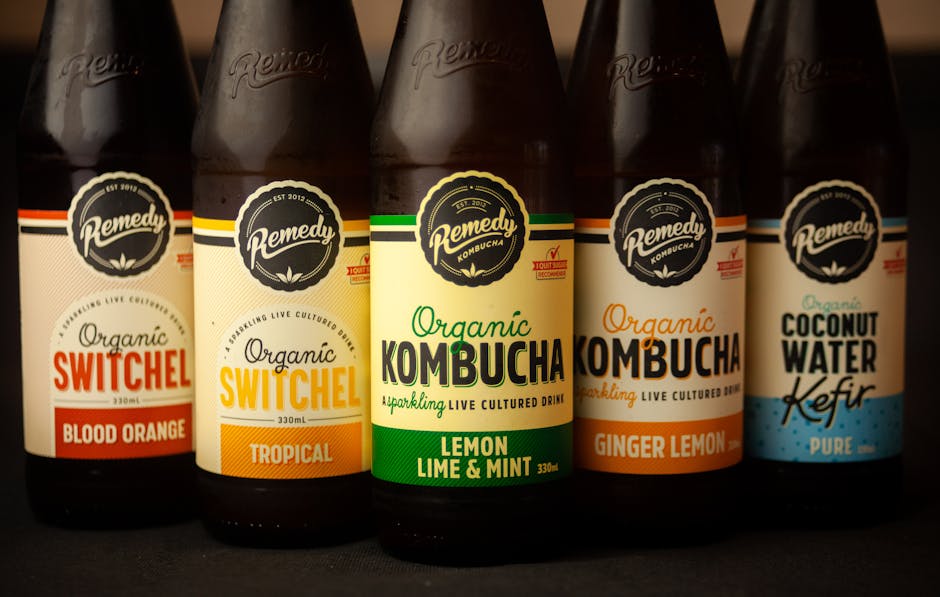
Kefir is a fermented beverage known for its probiotic content, which may support gut health. It is typically made with either milk or water as a base, each offering distinct flavors and nutritional benefits. The fermentation process involves kefir grains, which are a symbiotic culture of bacteria and yeast similar to a kombucha SCOBY.
6.2 Milk Kefir vs. Water Kefir
While both types of kefir are probiotic-rich, there are key differences between milk and water kefir:
- Milk Kefir: Made by fermenting milk, this version is creamy and tangy. It is often compared to yogurt but tends to have a thinner consistency. Milk kefir can be made from cow, goat, or plant-based milks.
- Water Kefir: A dairy-free alternative, water kefir is made by fermenting a sugar-water solution. It has a lighter, more refreshing taste compared to milk kefir, making it a popular choice for those avoiding dairy.
6.3 The Home-Making Process
Creating kefir at home is a straightforward process, akin to brewing kombucha. Here’s a simplified guide:
- Step 1: Prepare the Base: For milk kefir, pour milk into a clean jar. For water kefir, dissolve sugar in water, then let it cool.
- Step 2: Add Kefir Grains: Introduce kefir grains into the prepared liquid. Use non-metal utensils to avoid damaging the grains.
- Step 3: Ferment: Cover the jar with a breathable cloth and secure it with a rubber band. Allow it to ferment at room temperature for 24-48 hours, depending on the desired taste.
- Step 4: Strain and Store: Once fermented, strain out the kefir grains using a non-metal strainer. Store the kefir in a refrigerator and reuse the grains for future batches.
6.4 Flavor Variations and Enhancements
To enhance the flavor of kefir, consider these simple additions:
- Fruits: Blend in fruits such as berries, bananas, or mangoes for a natural sweetness and added vitamins.
- Herbs and Spices: Add a pinch of cinnamon, vanilla, or fresh mint for a unique twist.
- Secondary Fermentation: After straining, leave the kefir at room temperature for a few more hours to develop additional flavors and carbonation.
6.5 Maximizing Probiotic Content
To potentially enhance the probiotic benefits of kefir, consider these tips:
- Use Fresh Grains: Regularly using fresh, active kefir grains can ensure a robust fermentation process.
- Maintain Cleanliness: Keep all equipment clean to prevent contamination that could hinder probiotic growth.
- Optimal Temperature: Ferment kefir at a consistent room temperature to promote healthy bacterial activity.
By understanding the differences between milk and water kefir and following simple fermentation steps, individuals can create a personalized, probiotic-rich beverage at home. Experimenting with flavors and focusing on the fermentation environment can further enhance the kefir-making experience, potentially offering digestive health benefits.
7. Creative Recipes for Unique Fermented Beverages

Fermented beverages have long been celebrated for their potential health benefits, including support for digestive health. For those looking to explore beyond traditional options, there are numerous creative recipes available. This section introduces innovative ways to craft unique fermented drinks like ginger beer and beet kvass, encouraging experimentation with flavors and nutritional benefits.
7.1 Crafting Ginger Beer
Ginger beer, known for its spicy and refreshing taste, is a non-alcoholic beverage that can be easily made at home. Here’s a basic outline to get started:
- Ginger Starter: Create a ginger bug by combining grated ginger, sugar, and water in a jar. Stir daily and feed with additional ginger and sugar until it becomes bubbly, usually within a week.
- Brewing the Beer: Boil water with sugar and fresh ginger slices, then let it cool. Add lemon juice and the strained ginger bug.
- Fermentation: Pour the mixture into bottles, leaving space at the top. Seal and let ferment at room temperature for 2-3 days until carbonation develops.
- Refrigerate and Enjoy: Once carbonated, refrigerate and consume within a week for the best flavor.
7.2 Exploring Beet Kvass
Beet kvass is a traditional Eastern European fermented beverage, lauded for its potential detoxifying properties and vibrant color. Here's how to create your own beet kvass:
- Preparation: Chop raw beets into small cubes and place them in a jar.
- Add Liquid: Fill the jar with water, ensuring the beets are submerged. Add a tablespoon of salt for flavor and preservation.
- Optional Flavor Enhancements: Add spices such as cloves or ginger for extra flavor depth.
- Fermentation Process: Cover the jar with a breathable cloth and let it sit at room temperature for 3-5 days, tasting daily until the desired tanginess is reached.
- Storage: Once fermented, strain the liquid into bottles and store in the refrigerator.
7.3 Encouraging Flavor Experimentation
Experimentation is key to discovering new and exciting flavors in fermented beverages. Here are some tips to inspire creativity:
- Incorporate Fruits: Add fruits such as berries, citrus slices, or apples to your fermenting beverages for a natural sweetness and variety of flavors.
- Herbal Infusions: Experiment with herbs like lemongrass, mint, or basil to add aromatic notes to your drinks.
- Spice It Up: Introduce spices such as cinnamon, cloves, or cardamom for a warming touch.
- Secondary Fermentation: After the initial fermentation, transfer the beverage to a new container with additional flavorings for a few more days to deepen the complexity.
By exploring these creative recipes and flavor combinations, individuals can craft unique fermented beverages that not only delight the palate but also potentially offer health benefits. Remember, the key to successful fermentation lies in patience and a willingness to experiment.
8. Safety and Hygiene in Fermentation
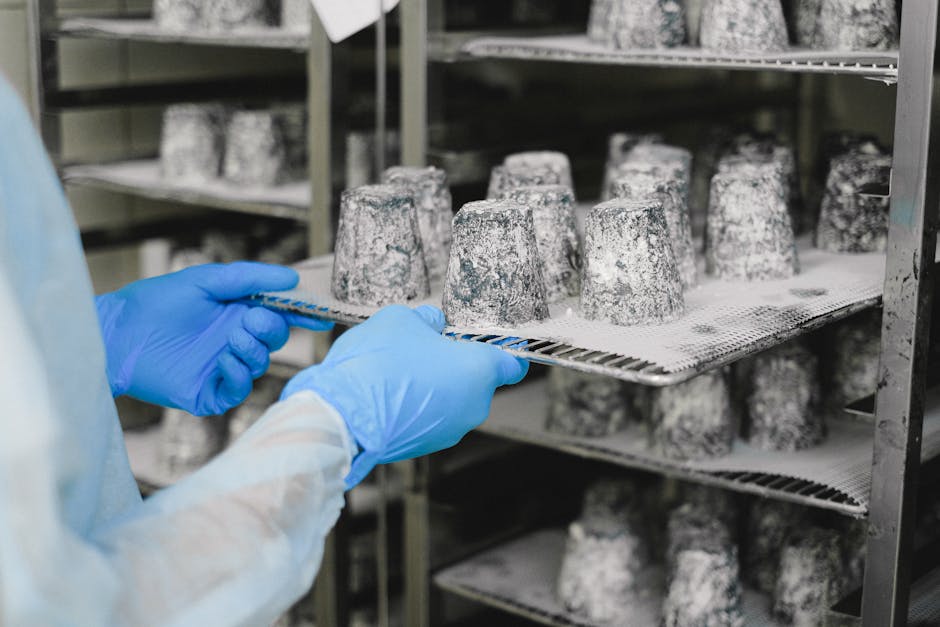
When embarking on the journey of home fermentation, ensuring the safety and hygiene of your process is paramount. Proper practices help prevent spoilage and contamination, ensuring your probiotic drinks are safe to consume and of high quality. Below are essential guidelines to maintain safety and hygiene during fermentation.
8.1 Cleanliness is Key
Maintaining a clean environment is crucial in the fermentation process. This begins with thoroughly cleaning all equipment, utensils, and surfaces that will come into contact with the ingredients or the final product. Here’s how to ensure cleanliness:
- Sanitize Equipment: Before beginning your fermentation project, wash all jars, lids, and utensils with hot, soapy water. Consider using a food-safe sanitizer for additional safety.
- Clean Work Surfaces: Wipe down worktops with a disinfectant cleaner to eliminate any potential contaminants.
- Personal Hygiene: Wash your hands thoroughly before handling ingredients or equipment to prevent introducing unwanted bacteria.
8.2 Monitoring Fermentation Conditions
Creating the right environment for beneficial bacteria while keeping harmful microorganisms at bay is essential. Here are some tips on how to monitor fermentation conditions effectively:
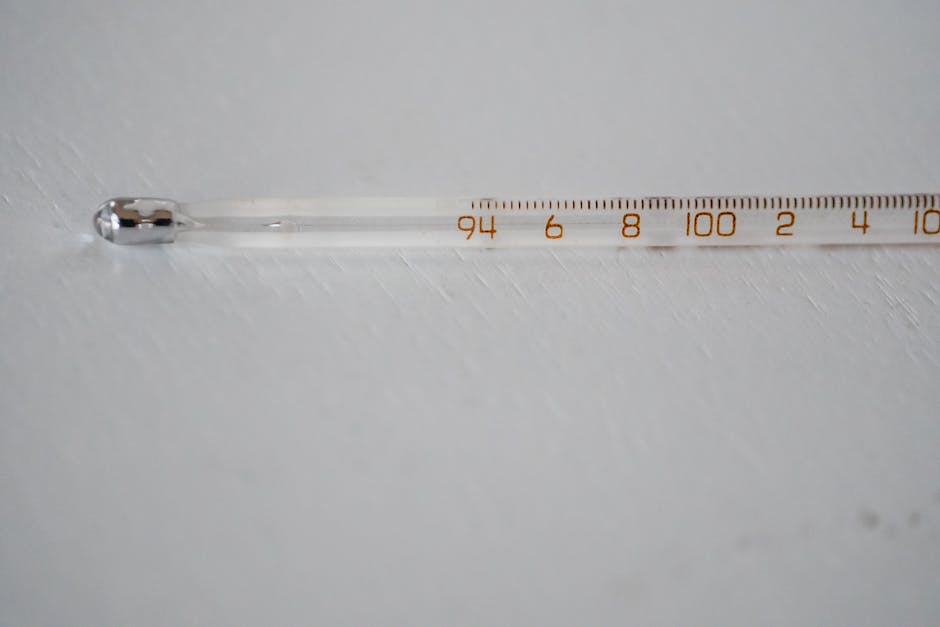
- Temperature Control: Fermentation typically requires a consistent room temperature between 65°F and 75°F (18°C and 24°C). Avoid exposing your fermenting beverages to direct sunlight or fluctuating temperatures.
- Cover Properly: Use breathable cloths or fermentation lids to cover your jars. This allows gases to escape while keeping contaminants out.
- Check for Signs of Spoilage: Be alert for unusual odors, mold growth, or discoloration, which may indicate contamination. Discard any batches that exhibit these signs.
8.3 Ensuring Ingredient Quality
The quality of the ingredients used in fermentation plays a significant role in the safety of the final product. Consider the following practices:
- Use Fresh Ingredients: Select fresh, high-quality fruits, vegetables, and herbs to minimize the risk of spoilage.
- Inspect Ingredients: Before use, inspect all ingredients for signs of rot or damage, and discard any that appear compromised.
- Safe Water Source: Use filtered or bottled water when making your ferments to avoid chlorine or other contaminants present in tap water.
8.4 Storage Practices
Proper storage post-fermentation is critical to preserving the safety and quality of your probiotic drinks. Here are some storage tips:
- Refrigeration: Store fermented beverages in the refrigerator to slow down the fermentation process and extend shelf life.
- Use Airtight Containers: Transfer your fermented drinks to airtight bottles to maintain carbonation and prevent exposure to air.
- Label and Date: Clearly label and date each batch to keep track of freshness and consumption timeline.
By adhering to these safety and hygiene practices, enthusiasts can enjoy crafting fermented beverages that are not only flavorful but also safe and beneficial. As with any culinary endeavor, patience and attention to detail are key to achieving successful results.
9. Incorporating Probiotic Drinks into Your Daily Routine

Integrating homemade probiotic drinks into your daily routine can be a delightful way to support gut health. Consistency is key in reaping the potential benefits of these fermented beverages. Here are some practical tips to make probiotics a natural part of your life.
9.1 Start Your Day with Probiotics
One of the simplest methods to ensure regular consumption of probiotic drinks is to start your day with them. Consider the following strategies:
- Morning Ritual: Incorporate a small glass of your favorite probiotic drink into your morning routine. This can help set a positive tone for the rest of the day.
- Breakfast Pairing: Pair your probiotic beverage with breakfast foods that complement its taste, such as yogurt or fruit, for a refreshing start.
9.2 Incorporate Probiotics into Mealtime
Another effective way to integrate probiotics is by pairing them with meals. Here’s how you can do it seamlessly:
- Lunch Companion: Enjoy a probiotic drink alongside your lunch. This not only boosts your probiotic intake but may also aid digestion.
- Flavor Enhancer: Use probiotic beverages as a base for salad dressings or marinades, adding unique flavors to your meals.
9.3 Probiotic Drinks as Healthy Snacks
Probiotic drinks can also serve as healthful snacks between meals. Here are some ideas to consider:
- Afternoon Boost: Replace sugary beverages or snacks with a probiotic drink for sustained energy and gut health support.
- On-the-Go Option: Fill a reusable bottle with your homemade probiotic drink for an easy, portable snack.
9.4 Evening Relaxation with Probiotics
End your day with a calming probiotic ritual to promote relaxation and digestive health:
- Pre-Bedtime Ritual: A small glass of a mild probiotic drink, such as kombucha or kefir water, can be a soothing way to wind down.
- Digestive Aid: If you experience post-dinner discomfort, a probiotic drink may provide a gentle digestive aid.
By incorporating these strategies into your daily routine, you can enjoy the potential gut health benefits of probiotic drinks while relishing their unique flavors. Remember, consistency is essential to support your digestive well-being effectively.
10. Evaluating the Impact of Homemade Probiotics on Gut Health

The journey of integrating homemade probiotic drinks into your diet is only part of the story. Understanding their impact on your gut health is crucial for maximizing the potential benefits. This section discusses how to assess these effects through personal observations and potential biomarkers.
10.1 Personal Observations
Personal observations are a practical method to evaluate how homemade probiotics affect your gut health. Here are some ways to monitor changes:
- Digestive Comfort: Pay attention to any changes in digestive comfort, such as reduced bloating or improved regularity.
- Energy Levels: Notice if there are any changes in your energy levels throughout the day, as gut health can be linked to overall vitality.
- Skin Health: Some individuals report improvements in skin health, which may indicate positive changes in gut flora.
- Mood and Mental Clarity: Observe any shifts in mood or mental clarity, as gut health is believed to influence mental well-being.
10.2 Potential Biomarkers for Gut Flora Improvement
For a more scientific approach, potential biomarkers can be used to evaluate changes in gut flora. While some methods may require professional guidance, they can offer valuable insights:
- Stool Analysis: This analysis can provide information on the composition of gut microbiota, helping to understand the diversity and balance of bacteria.
- Inflammatory Markers: Blood tests for inflammatory markers may indicate changes in inflammation levels related to gut health.
- Immune Function Tests: Since gut health can impact immune function, monitoring immune response may offer clues to probiotic effects.
By combining personal observations with potential biomarkers, individuals can gain a comprehensive understanding of how homemade probiotic drinks may support gut health. While changes may be subtle and gradual, consistent monitoring can reveal meaningful patterns over time.