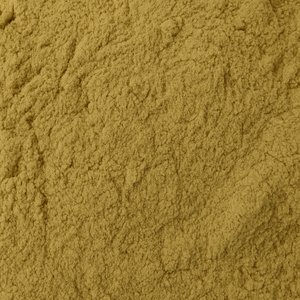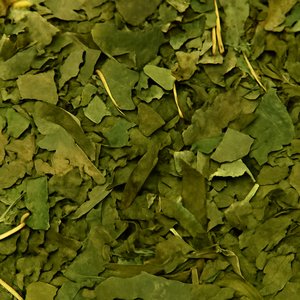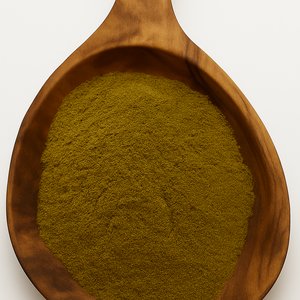
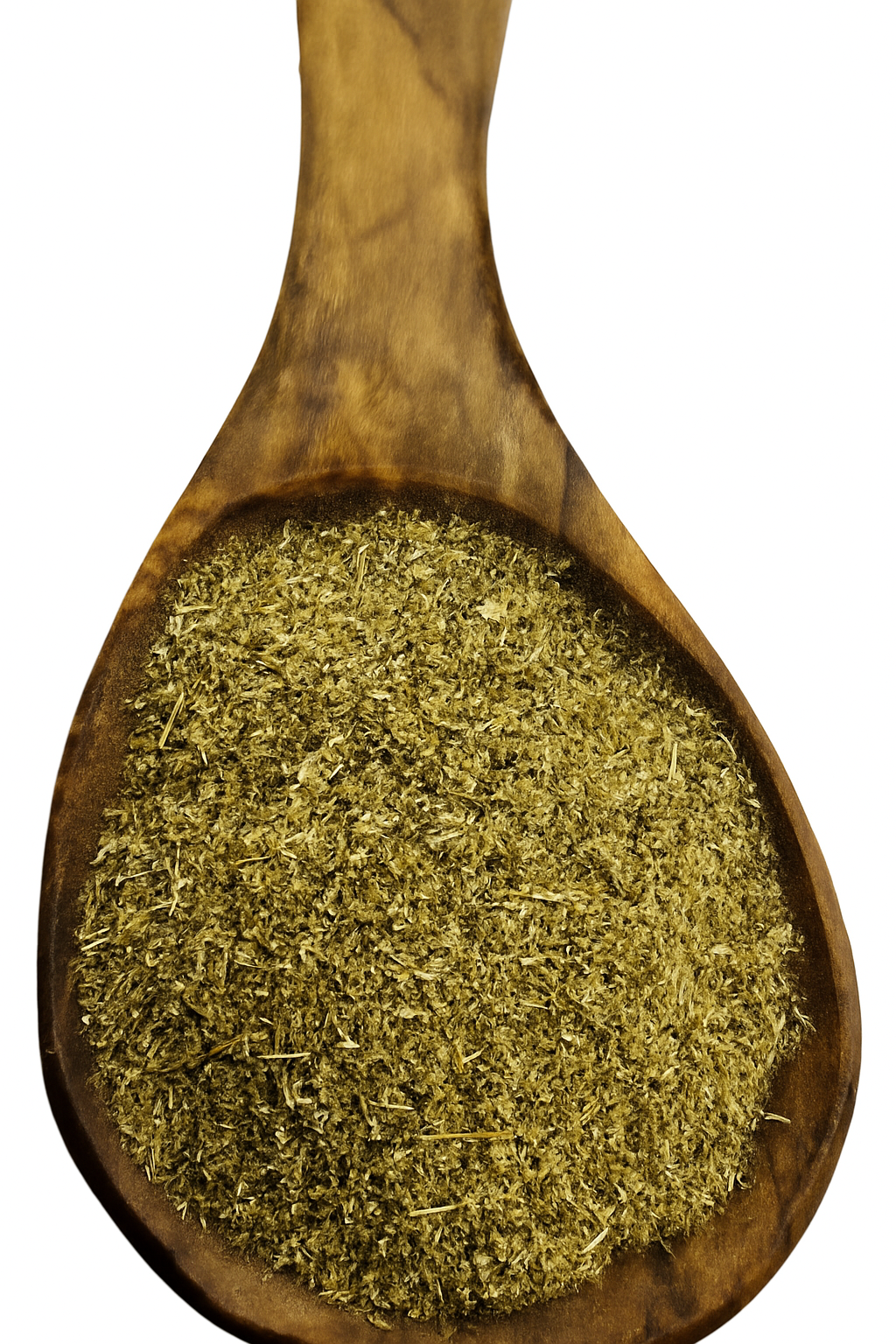
Wormwood Herb Fine Cut
Wormwood Herb Fine Cut - Native to Eurasia and used as a casual weed in waste places in North America.





Hotline Order:
24/7
+1(865)4164178
Botanical Name: Wormwood (Artemisia absinthium)
Common Name:
- English: The product is available in four different forms: wormwood, maderwood, wormwood tea cut, and wormwood herb tea cut.
- Unani:Foreign Service Tea Set.
- Also referred to as:Here is a rephrased version of the text: This product contains various types of absinthe and other related products from different regions, including Vilayati afsantin (foreign-style absinthe), Mastaru (a type of absinthe), and others such as Titaveen, Vruvalu, Nilampala, Tirunitripachcha, Serpana, Moshipatri, Machipatri, Afsanteen, Konakanda, Sugandhidru, and Sirahsulakari.
OriginThis product is associated with Ukraine or Albania.
Harvested: Wild
Parts Used: Leaves & stems
There is no text provided. Please provide the original product description text for me to rephrase. I will keep the meaning, improve clarity and fluency, and return only the rewritten text.
Wormwood is native to Eurasia and has been naturalized in North America, where it commonly grows as a weed in waste areas in the northern United States and southern Canada. It is cultivated commercially in Michigan, Wisconsin, and Oregon. Several other species of Artemisia exist, including Common wormwood, Sea wormwood, and Roman wormwood, which resemble Wormwood but have distinct characteristics..
StemThe stems are typically straight, with internodes that are 4-5 cm long and 0.5-5 mm thick. The surface is pale brown, has longitudinal furrows, and may have a petiole or its scar at the node. The stems are hairy and have a short, splintery fracture in the bark. When broken, the surface is yellowish, with no distinctive odor. The taste is bitter.
LeafThe leaves are typically small, measuring around 2 cm long and 2 mm wide. They have a petiole (stem) that can easily break off, and their shape is ovate to obovate with pinnatifid edges that split into 2 or 3 linear or lanceolate segments. The leaves are hairy on both sides and have a greyish-green color with a bitter taste.
Flower headThe flowers are pedunculate, growing on a hairy receptacle that is 1.5 to 5 mm in diameter. Each flower has five stamens with synecious anthers and a bilobed stigma. The ligulate flowers are yellow and heterogamous, while the ray florets are few and dilated at the base. The involucre consists of oblong, hairy bracts that give way to narrowly elliptic-oval achenes, which are flat and black in color.
How to use:
Hot Infusion:
To prepare dried herbs or flowers, combine 2-3 tablespoons of the dried material in a cup or teapot. Pour hot water over it, cover with a lid, and let it steep for 10-30 minutes. This process helps release antioxidants, enzymes, vitamins, flavonoids, and volatile oils from the botanicals into the liquid. Strain and press out as much liquid as possible before serving.
Tips:
- Herbal teas can be sweetened using honey, natural fruit juices, stevia leaf powder, or licorice root powder.
- Freeze tea into ice cube trays or pop molds to create ice cubes or frozen tea pops.
Precautions:
Before using this herbal product, it is essential to consult with a qualified healthcare professional, especially if you are pregnant, breastfeeding, or taking medication.
The content of this website is provided for informational and educational use only.ONLY.
This product has not undergone evaluation by Health Canada.
This information should not be used for diagnosing, treating, curing, or preventing any medical condition.
Add your review
Your email address will not be published. Required fields are marked *
Please login to write review!
Looks like there are no reviews yet.