Plantain Leaves Powder
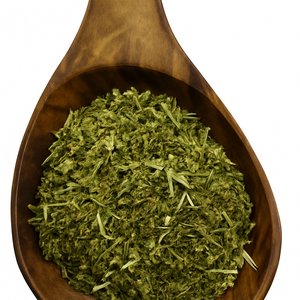
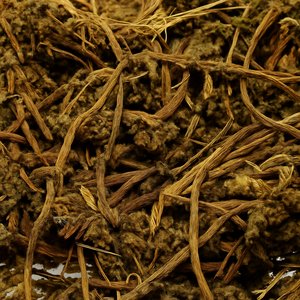
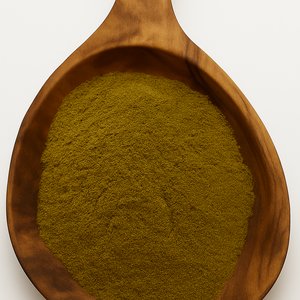
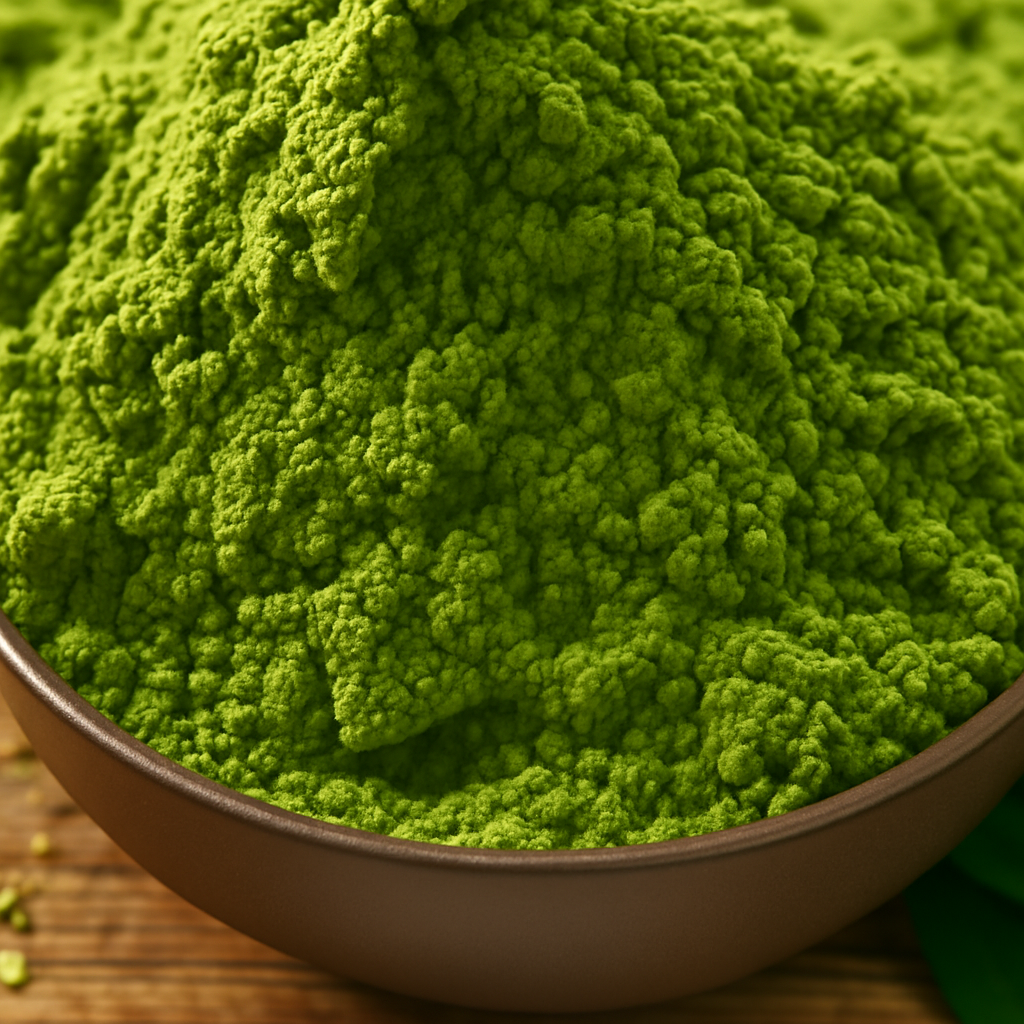
Plantain Leaves Powder is an herb powder made from wild-harvested Plantago major leaves, originating from Ukraine. It can be used in various ways, including as a food supplement or applied topically.





Hotline Order:
24/7
+1(865)4164178
Botanical Name: Plantago major
Common Name:
- English:Plantago major, commonly known as Broadleaf Plantain.
- Ayurvedic: Ashvagola
- This product is also referred to as:This text lists various names for the same plant species. Here is a rewritten version with improved clarity and fluency: Phak Kaat Nam, also known as Plantain, Arnoglossa, or Broad-Leaved Plantain, has numerous regional and linguistic variations in its name. Some of these include: * Bag Yapragi (Turkish) * Baka Zhal By Rak (Tibetan) * Bartang (Pashto) * Breitwegerich (German) * Buyuk Sinirliot (Turkish) * Cart-Track Plant, Celtekas, and Ceuli (various languages) * Chajeoncho, Sinurotu, and Snakeweed (Korean and English) * Cuckoo’s Bread, Damarotu, and Daum Sejumbok (Tibetan and Burmese) * Door-Yard Plantain, Ekur Anjing, and Ezan Lezu (various languages) * Englishman’s Foot, Tirnagt, and Torongoat (English and various languages) * Fi Lo, Fi Lomatolu, and Grand Plantain (various languages) * Grosser Wegerich, Grote Weegbree, and Healing-Blade (German and Dutch) * Henplant, Jghakhot, and Katir (Tibetan and Pashto) * Katta Zubturum, Otot Ototan, and Pătlagină (various languages) * Sangka Buwah, Sangkubah, and Sangkuwah (Malay and Indonesian) * Sei Ohr Re, Kesirotu, and Ki Urat (Tibetan and Burmese) * Kuping Menjangan, Lahuriya, and Lanting (various languages) * Lamb’s-Foot, Laukahi, and Lielā Ceļmalīe (English and Latvian) * Ch’e Ch’ien, Che Qian Zi, and Common Plantain (Chinese and English) * Lisan Al-Hamal, Llantén, and Llanten Mayor (Arabic and Spanish) * Meloh Kiloh, Mo Noi, and Nipple Grass (various languages) * Phak Kat Nam, Plantain Commun, and Plantain Majeur (French and various languages) * Podorozhnik Bolshoi, Poputnik, Pridorozhnik, Priputnik, Putiki, and Putnik (Russian and Slavic languages) * Ratamo, Rat’s tail, Ribgrass, and Ripple Grass (various languages) * Sembung Otot, Suri Pandak, Suur Teeleht, Tanagem, Tanchagem-Maior, and Tarkuz (various languages) * Tsirevaja Trava, Twissat Mariam, Wayboard, Waybread, Wegerich, and Wegerlich (Russian and various languages) * White-Man’s Foot and Piantaggine (English and Italian)
Origin: Ukraine
Harvested: Wild
Parts Used: Leaves
There is no original text provided. Please provide the original text for me to rephrase. I'll keep the meaning, improve clarity and fluency, and return only the rewritten text without any marketing fluff.
Large Plantain.This herbaceous perennial plant grows close to the ground, forming a rosette of dark green leaves that are oval in shape and have smooth margins. Each leaf is 2-4 inches long and 1.5-3 inches wide, with about five parallel veins on its upper surface. The lower surface of each leaf is light green and may be finely hairy along the veins. The plant produces dense spikes of small flowers that are usually greenish in color. These spikes can grow up to 25 cm long and are made up of tiny flowers that are only 3 mm long. Each flower has four green sepals, a single white style, and four stamens with pale purple anthers. After flowering, the plant produces seed capsules that are initially green but later turn purple or brown. These capsules split open to release about 10-15 seeds each, which are light to dark brown in color and have a finely reticulated surface. The root system of this plant consists of a short crown with fibrous roots.
How to use:
Powdered Herb:
Powdered herbs can be used in a variety of ways.
You can add powdered herbs to various foods such as superfood blends, smoothies, sauces, spreads, and baked goods like cookies. For children, mix the powder with honey or glycerin to create a paste. The thicker the paste, the stronger its flavor will be. This method is also known as "Electuaries", which helps mask the herbal taste with the sweetness of the added ingredients.
You can create your own capsules by encapsulating powdered herbs at home, ensuring that each capsule contains only pure herb without fillers or additives. They can be taken with a liquid.
To make a poultice, mix an herbal powder with a small amount of liquid, typically water, to create a paste that can be applied directly to the skin. This approach is particularly beneficial for treating various skin issues.
Mix powdered herbs with water, fruit juice, or another liquid to create an herbal shot.
Precautions:
Before using this herbal product, it's essential to discuss its use with a qualified healthcare professional, especially if you're pregnant, breastfeeding, or taking medication.
The content of this website is intended for informational and educational use only.ONLY.
This product has not undergone evaluation by Health Canada.
This information should not be used for medical diagnosis, treatment, or as a substitute for professional advice.
Add your review
Your email address will not be published. Required fields are marked *
Please login to write review!
Looks like there are no reviews yet.