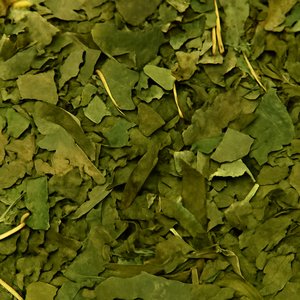
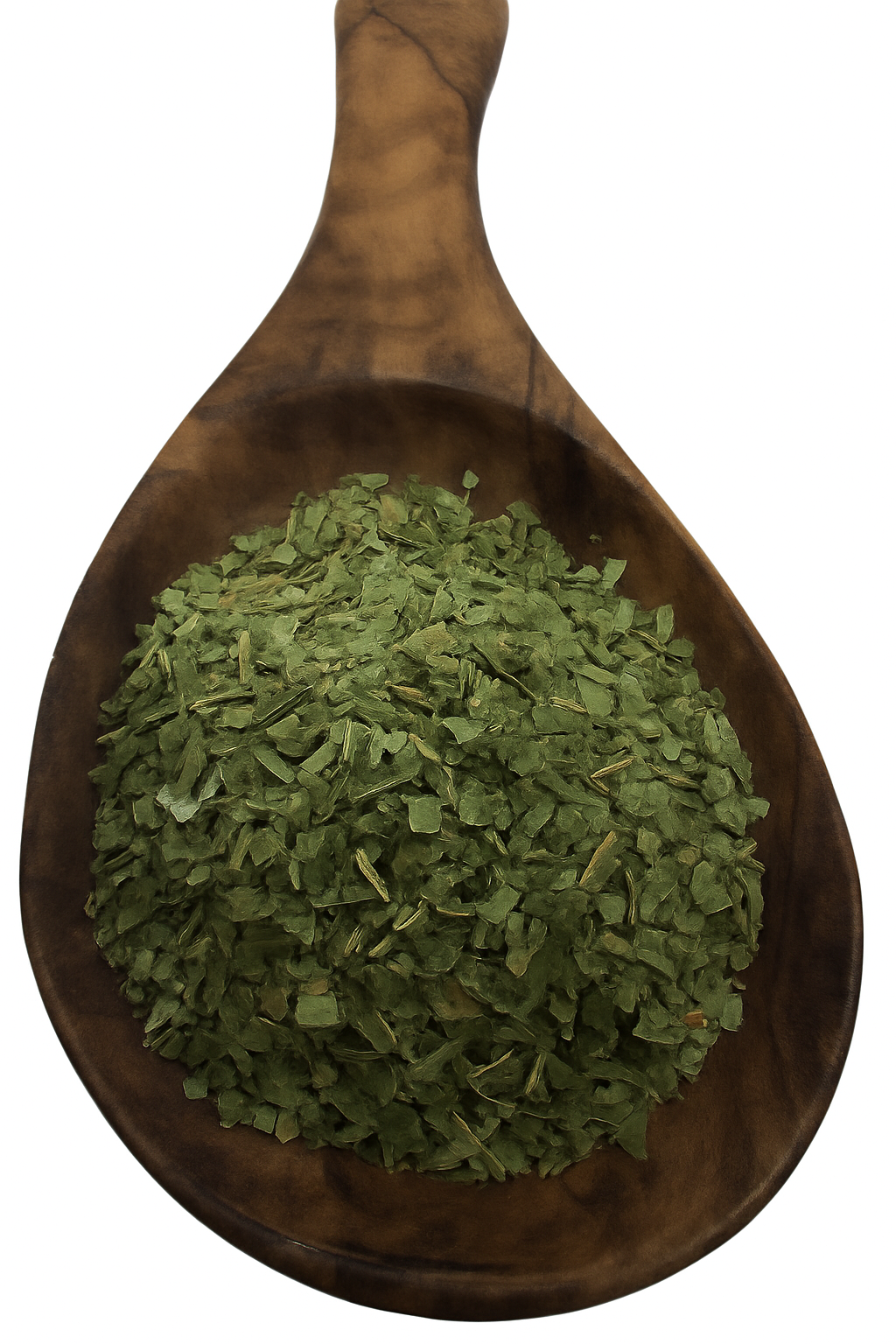
Neem Leaves Cut
Neem Leaves Cut - dried leaves from the Neem tree used for medicinal and herbal purposes.





Hotline Order:
24/7
+1(865)4164178
Botanical Name: Neem tree (Azadirachta indica)
Common Name:
- English: Neem, Margosa
- Ayurvedic:This product contains four types of herbs: Nimba, Nimbaka, Arishta, and Arishtaphala.
- Unani:The Hindi Tree of Freedom.
- This product is also referred to as:The product is a comprehensive list of names for the Azadirachta indica tree, also known as Neem or Indian Lilac. The list includes various regional and linguistic names from around the world, totaling over 60 different designations.
Habitat: India
Origin: India
Harvested: Wild
Parts Used: Leaves
There is no original text provided. Please paste the text you would like me to rephrase, and I'll be happy to assist you.
The neem tree (Azadirachta indica) grows as a deciduous tree, typically between 6-25 meters tall, with a sturdy trunk and branching limbs that spread out. It is widely distributed across the country at elevations up to 900 meters.The tree is an evergreen, except in areas with freezing temperatures, featuring dark-green leaves and white or yellow fragrant flowers that produce yellow or purple fruit. The Neem tree's use dates back to around 2500 B.C., when it was employed by the ancient Indian Harappa culture. It has been widely used in traditional Ayurvedic and Unani medicines worldwide, particularly in the Indian Subcontinent for disease prevention and treatment. In fact, many scholars believe that over half of all Ayurvedic preparations from ancient India included Neem as an ingredient. The use of natural resources, including medicinal plants, to derive pharmacologically active drugs is a well-established practice. Various forms of plant-based medicine are popular in many countries for managing diseases. As a member of the Meliaceae family, Azadirachta indica (Neem) has significant therapeutic implications and is used to treat numerous conditions.
The leaves are arranged alternately and have 15-30 leaflets that are 1-3 inches long. The petioles are short and slightly flattened. White, fragrant flowers grow in clusters up to 10 inches long, containing between 120-250 individual flowers. Each flower is about 0.23 x 0.40 inches in size. Some trees produce both male and female flowers, while others may have only one type. The fruit is a smooth, oval-shaped drupe that can be 1.5-3 cm long and 1-1.5 cm wide when ripe. Inside the fruit's hard white shell are usually one to three elongated seeds with brown coats. The tree's bark is dark brown on the outside, with a buff-colored inner surface and a fibrous texture.
For centuries, various parts of the neem tree have been used in Asia for their medicinal properties. The oil is used for skin and hair care, while the bark extract is used to treat mouth and gum inflammations. The leaves are also used as an insecticide. In regions where the neem grows, every part of the tree is utilized. Historically, patients with chronic and incurable diseases were advised to live under a neem tree and consume its various parts. Due to its perceived cooling effect, patients were also instructed to avoid animal products, alcohol, sex, spices, and other stimulating substances in their diet. Milk was considered an acceptable component of their diet. (Note: I assume the "19" at the end is incomplete and not part of the original text)thIn ancient times, a neem bark decoction was used to treat various types of fever, particularly malaria. To this day, neem remains a well-known remedy for skin conditions in the Indian subcontinent. Its leaves are often used to create a purifying bath or chewed as a treatment for blood impurities. The oil extracted from its seeds is applied topically to address skin issues or combined with other ingredients. Neem's stem sap is valued for overall health benefits, while its leaves are added to animal feed due to their high protein content. Additionally, the tree produces an insect repellent and contains azadirachtin, a chemical that disrupts insect metamorphosis, making it unappealing to leaf-chewing insects. The seeds yield approximately 40% oil, which is used in toothpaste, lotions, and soaps.
How to use:
Hot Infusion:
To make a tea using dried herbs or flowers, combine 2-3 tablespoons of the dried material in a cup or teapot. Pour hot water over it, then cover the container for 10-30 minutes. This process extracts antioxidants, enzymes, vitamins, flavonoids, and volatile oils from the botanicals. After steeping, strain the liquid and press out as much moisture as possible before serving.
Tips:
- Herbal teas can be sweetened with honey, natural fruit juice, stevia leaf powder, or licorice root powder.
- Freeze tea in ice trays or pop molds to create ice cubes or pops.
Precautions:
Before using this herbal product, consult a qualified healthcare professional if you're pregnant, breastfeeding, or taking medication.
This website provides information for educational use only.ONLY.
This product has not been assessed or approved by Health Canada.
This information is for general purposes only and should not be used as a substitute for medical advice.
Add your review
Your email address will not be published. Required fields are marked *
Please login to write review!
Looks like there are no reviews yet.