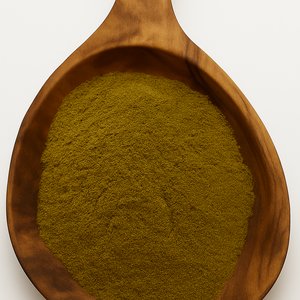
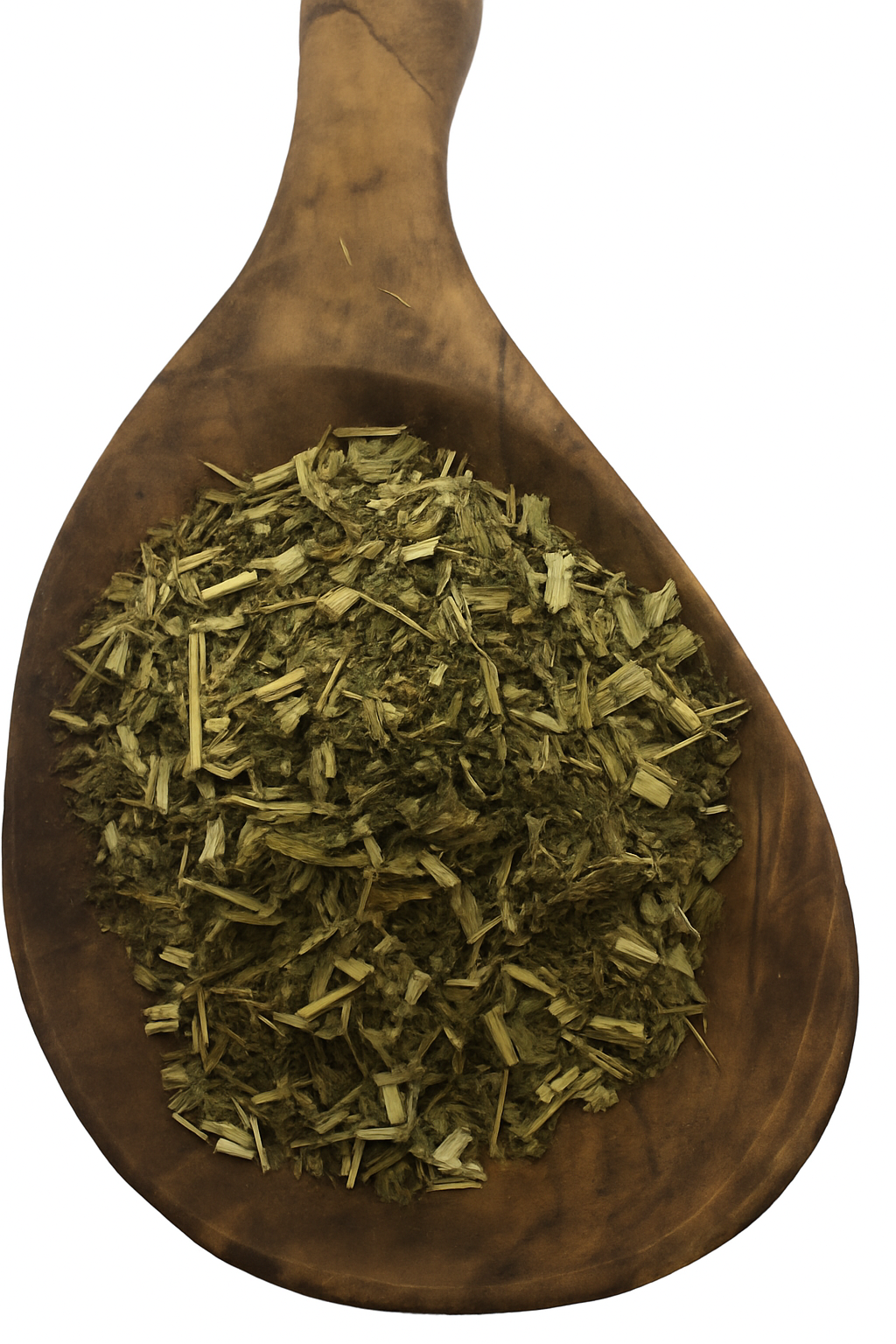
Meadowsweet Herb Cut
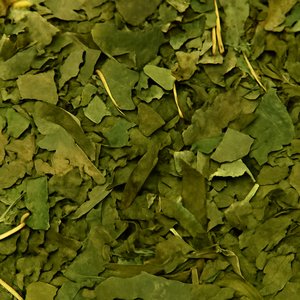
Meadowsweet Herb Cut - A perennial herb in the family Rosaceae that grows in damp meadows.





Hotline Order:
24/7
+1(865)4164178
Botanical Name: Meadowsweet (Filipendula ulmaria)
Common Name:
- English: Filipendula, also known as Dropwort or Meadow Wort.
- Also, known as These three products are part of the same range: Madesuss, Ulmaire, and Ulmaria.
Origin: Poland
Harvested: Wild
Parts Used: Leaves & Stems
This section is empty. Please provide the original product description text for me to rephrase. I'll be happy to help!
Meadowsweet (Filipendula ulmaria)Meadowsweet (Filipendula ulmaria) is a perennial herb that thrives in damp environments, such as meadows. Its stems grow upright to 2-4 feet tall, with fern-like leaves that are covered in soft down on the underside and have a dark green top surface, reaching lengths of 1-4 inches. The plant produces delicate, creamy-white flowers in clusters, which give off a strong, sweet fragrance. These flowers bloom only after the meadowsweet reaches maturity at around nine or ten years old, but make up for it with their vibrant display. On warm summer days, the scent attracts pollinators, drawing them to the flowers' vanilla-like aroma. Although the flowers have no nectar, they reward pollinators with pollen, which is spread from flower to flower and carried by the wind. Native to most of Europe and Western Asia, meadowsweet has been introduced and naturalized in North America, where it can be found growing in woodland gardens, bog gardens, moist banks, and open meadows.
Meadowsweet was also known as bridewort due to its use in church festivals and weddings, where it was strewn about or made into garlands for brides. Its fragrant flowers have been used to flavor wine and beer, while a vase of fresh cut flowers fills the surrounding space with their scent. In ancient Rome, meadowsweet petals were scattered on floors before feasts, releasing their fragrance as they were trodden upon. The plant's dominance in low-lying, damp meadows has earned it the title "queen of the meadow" in Europe. Its leaves are similar to those of the elm tree (Ulmus), leading some to speculate that its genus name "ulmaria" refers to this resemblance.filumA single strand of yarn.pendulusSome plant species have roots that grow into underground tubers, which are connected by thin fibers.
How to use:
Hot Infusion:
To make a tea from dried herbs or flowers, combine 2-3 tablespoons of the dried material in a cup or teapot. Pour hot water over the herb, then cover the container for 10-30 minutes to allow the water to extract the active compounds, including antioxidants, enzymes, vitamins, flavonoids, and volatile oils. Strain and press out as much liquid as possible before serving.
Tips:
- Herbal teas can be sweetened using various options, including honey, natural fruit juices, stevia leaf powder, or licorice root powder.
- Freeze tea in ice trays to create ice cubes or use pop molds to make frozen tea treats.
Add your review
Your email address will not be published. Required fields are marked *
Please login to write review!
Looks like there are no reviews yet.